Explore Capsules
16 capsules

The Job Seeker's Playbook to Negotiating Without Competing Offers
Negotiating a job offer without competing bids requires different strategies that focus on your unique value, timing, and understanding the employer’s constraints. Some approaches build leverage by highlighting your fit and potential impact, while others rely on patience and strategic concessions to influence the offer. This landscape helps you choose how to position yourself—from using your financial runway to engaging advocates—so you can confidently negotiate even when you lack traditional leverage.
The Job Seeker's Playbook to Salary Negotiation Leverage
Name a number first and you might anchor the whole negotiation in your favor, or lowball yourself out of thousands. These tactics split on whether to set a high anchor or wait for the employer's offer, and on how competing offers, counteroffers, and psychological pressure shape the outcome. Walk in knowing which move fits your leverage.

The Employee's Playbook to Negotiating Raises Amid Budget Limits
Getting a raise despite budget objections requires understanding the real power dynamics and using evidence of your impact to negotiate creatively. Some approaches focus on building a documented case of accomplishments and financial value, while others reveal how to influence decision-makers beyond official budget limits. You’ll also learn when to accept alternative compensation and how to persistently follow up to turn a no into a future yes. This topic shows how perception, timing, and strategic communication shape your chances of success.

A Sales Team's Guide to Winning Proposal Strategies
A proposal either moves the client to act or gets filed away. These approaches split on what does the moving: customer evidence and clear messaging, value-based pricing checked against cost and competition, rigorous quality reviews, or structured sales enablement. Decide which style fits how you sell and shape your next proposal around it.

The Sales Professional's Playbook to Ethical Upselling
Pushing a bigger sale can burn trust, yet the right offer at the right moment genuinely helps the customer. These techniques differ on where the line sits: lead with real value, read the customer's psychology, lean on data and testing, or wait for clear signs of readiness. Pick the approach that deepens the relationship instead of squeezing it.

The Salesperson's Playbook to Budget Questions in Discovery Calls
Ask about budget too early and you sour the conversation; too late and you waste weeks on a deal that was never real. The techniques split between disqualifying fast with direct questions and earning the money conversation through consultative rapport first, with further differences on agendas, how many questions to ask, and follow-up. Your choice sets the balance between efficiency, trust, and pipeline quality.

A Salesperson's Playbook for Trust-Based Objection Handling
An objection is usually a request for reassurance, and how you answer it decides whether trust grows or dies. These techniques split on the reassurance to lead with: empathetic questions that surface the real concern, reframing the objection around value, or bringing data and even your company's ethics record into the conversation. Match the style to your customer and you can hold your ground without ever pressuring anyone.

A Professional's Playbook for Difficult Workplace Conversations
Unsaid feedback and dodged conflict quietly compound into resentment, stalled projects, and missed promotions. These approaches split on the way in: structured dialogue steps that build mutual respect, active listening and collaborative negotiation, or first dismantling the cultural barriers that make speaking up feel dangerous. The right fit depends on your workplace and how high the stakes have climbed.

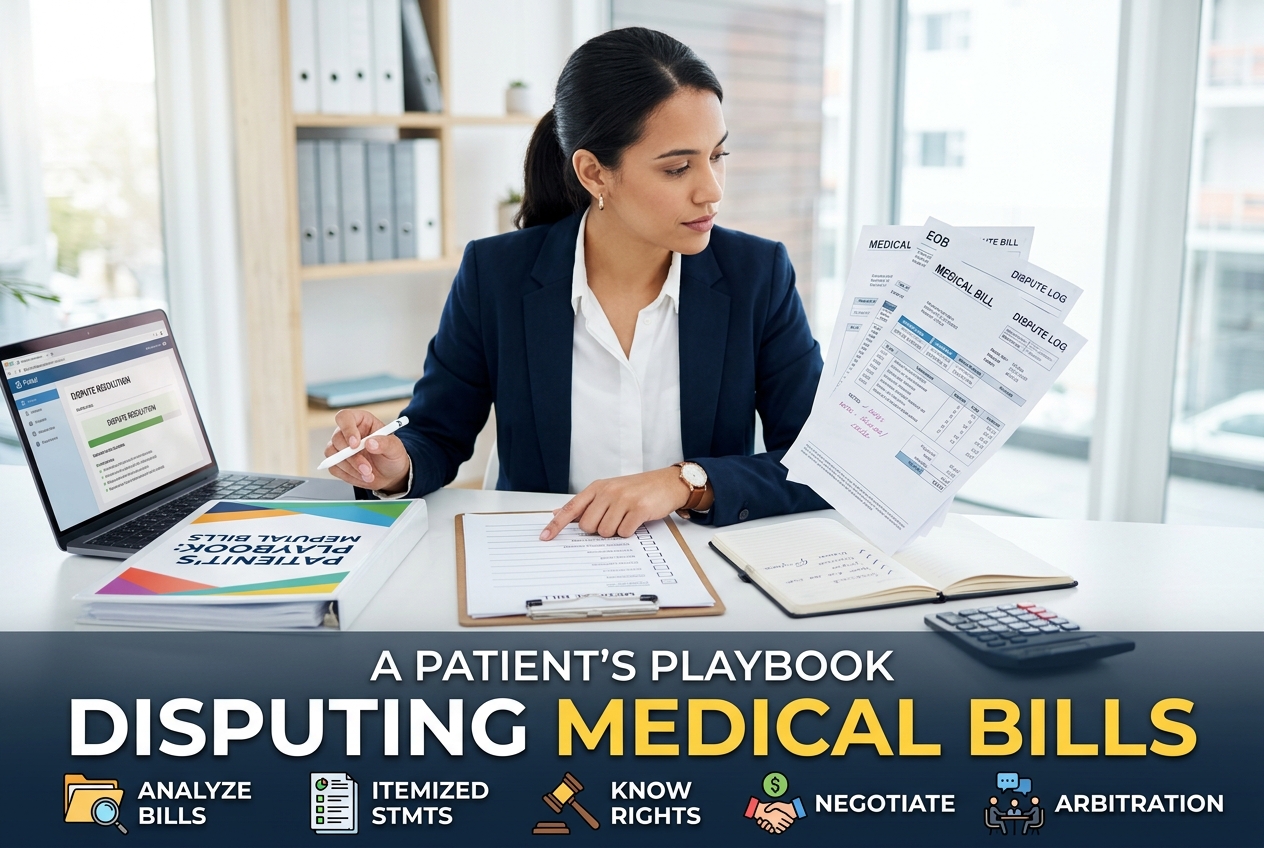
A Patient's Playbook to Disputing Medical Bills
Most people accept medical bills without question, but you have the right to carefully review and dispute charges that seem incorrect or inflated. By requesting itemized bills, negotiating with providers, and using formal dispute processes, you can reduce what you owe and avoid unfair surprise charges. Taking these steps changes the usual experience from passive payment to active control over your medical expenses.

A Contract Signer's Guide to High-Risk Terms
High-risk contract terms often sit in dispute resolution, payment, penalty, performance, liability, and other nonprice provisions that determine what happens when a deal goes wrong. Readers will learn how to identify clauses that deserve close review, set negotiation priorities, and decide when a term should be revised or refused before signing.

The Software Buyer's Playbook to Contract Renewals
Software contracts quietly balloon through price hikes, hidden fees, and licenses nobody uses. These tactics attack the bill from different angles: capping increases, negotiating on lifetime cost rather than sticker price, tightening contract language and liability terms, and using benchmarking data for leverage. Decide which levers to pull before your next renewal lands.

A Car Owner's Playbook to Disputing Insurance Payouts
Car owners facing a total-loss settlement need to understand how insurers calculate actual cash value, diminished value, and comparable vehicle pricing. Learn how to challenge low payout offers through appraisal clauses, independent valuations, counteroffers, documentation, and state-specific rules so you can pursue a fairer settlement with confidence.