
Explore Capsules
11 capsules

Win the Social Security Disability Application and Appeals Process
You will work through the exact five-step legal sequence that Social Security uses to decide disability claims, starting with work activity and medical severity, then Listings, past work, and other work. You will learn how to build a strong medical record, meet deadlines such as the 10-day appeal filing window, understand how SSA measures work capacity, and prepare for the ALJ hearing. By rehearsing real scenarios and avoiding common mistakes, you will finish ready to win your disability claim or appeal under the official SSA rules.
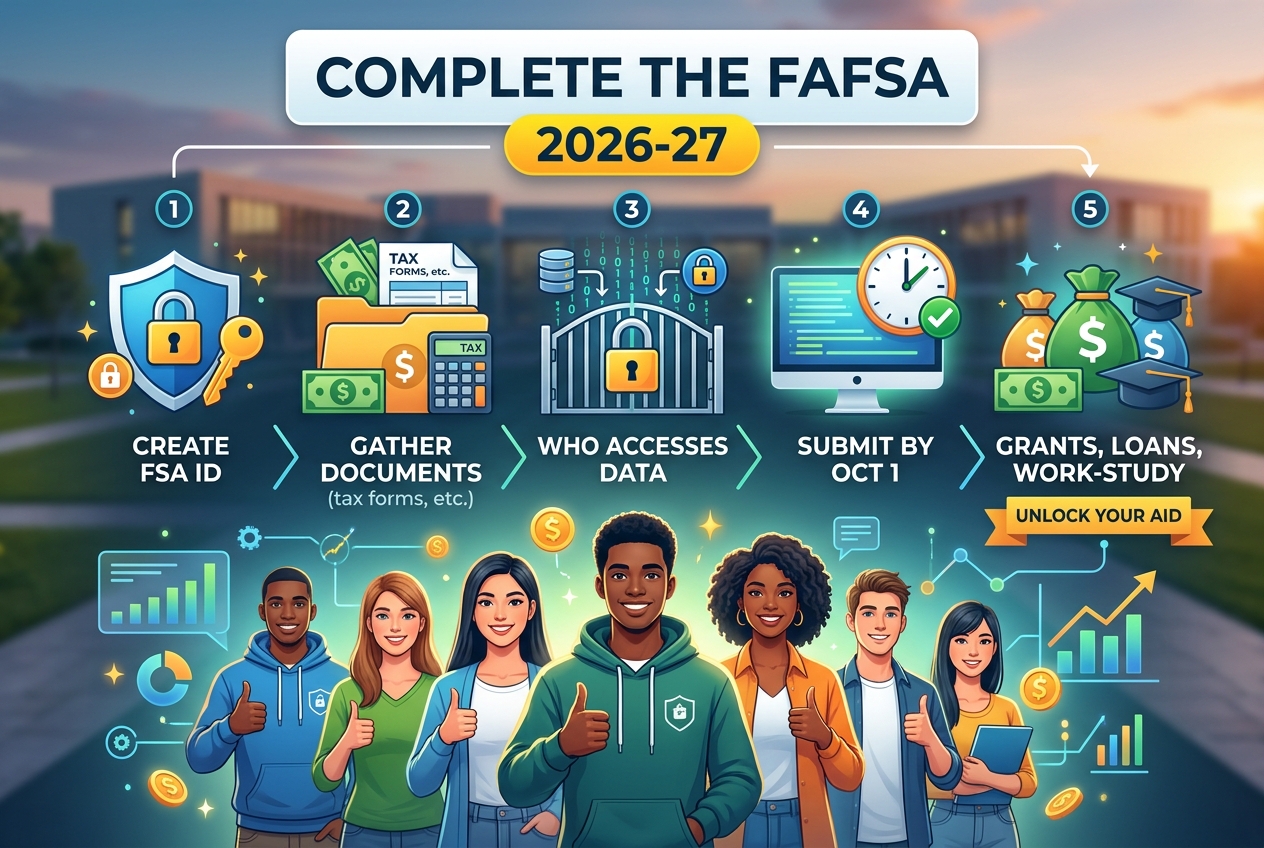
Complete the 2026–27 FAFSA to Secure Federal Student Aid
You will work through the entire 2026-27 FAFSA process, from creating your Federal Student Aid ID to submitting all required identity, tax, consent, school, and signature information in the correct sequence. You will rehearse handling contributor roles, IRS data retrieval including IP PIN requirements, professional judgment adjustments, and final submission protocols to ensure your aid eligibility is accurately calculated and your application is accepted without rejection. By finishing this preparation, you will be ready to successfully complete and submit the FAFSA form to unlock federal grants, loans, and work-study opportunities.

Navigating New York City Co-ops, Condos, and Rental Regulations
You will learn how to manage eviction notices with specific deadlines like the 14-day pay-or-quit for nonpayment and understand tenant protections under laws such as the Good Cause Eviction statute. The guide clarifies co-op board approval processes, including penalties like a $1,000 fine for delayed decisions, and details real estate transfer tax obligations, including a 15-day deadline for payment and a 10% penalty plus monthly interest for late filings. It also covers the elimination of vacancy bonuses, security deposit rules, and property tax penalties, equipping you to navigate the complex legal and financial landscape of NYC housing.
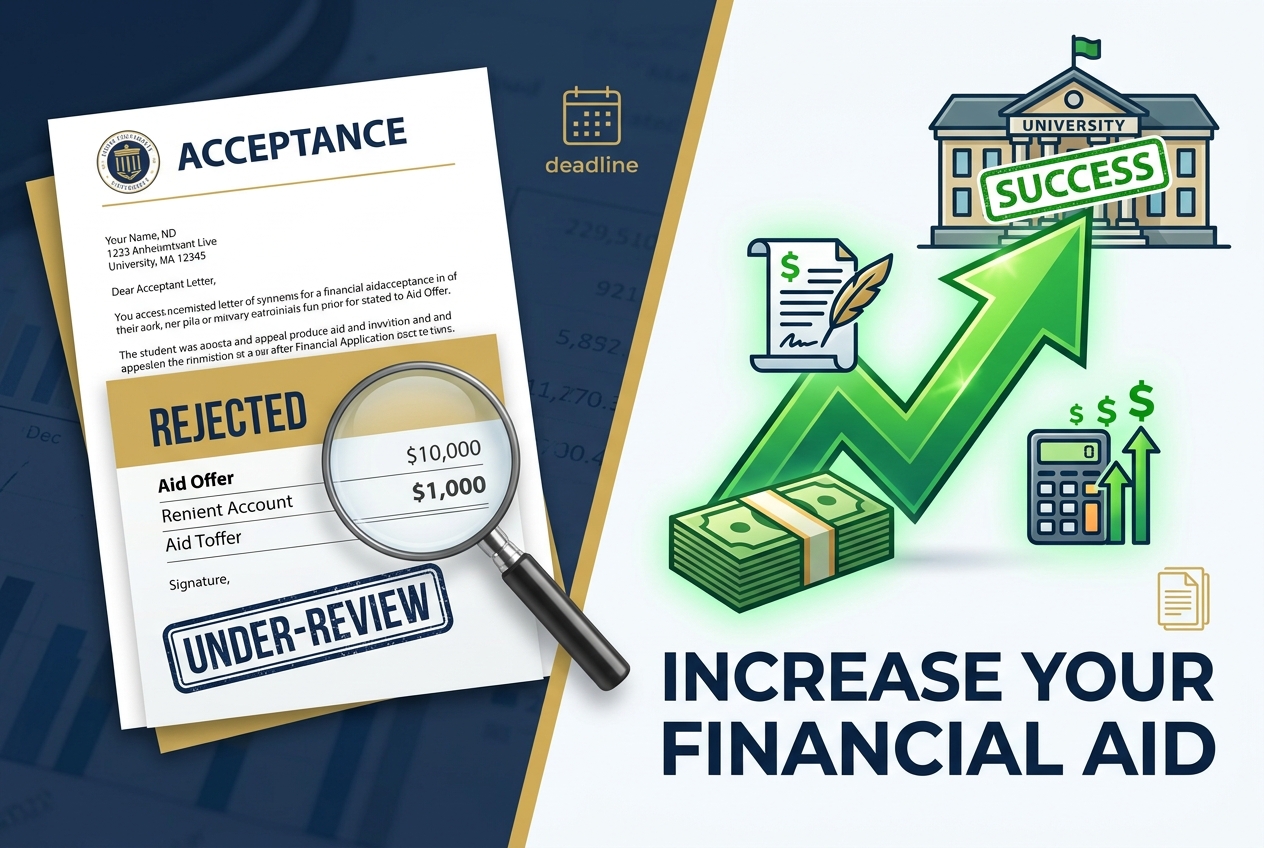
Win More Financial Aid Support Before Enrollment
You will learn how to effectively request a reconsideration of your financial aid offer by identifying special circumstances such as job loss or medical expenses not reflected in your FAFSA. You will work through drafting a clear, well-documented appeal letter that explains your changed financial situation and includes specific numbers and supporting evidence. By the end, you will be prepared to submit a compelling appeal that increases your chances of securing additional aid before enrollment deadlines.

Meet Texas Property Tax and Cost Deadlines
You will work through the critical deadlines and requirements for Texas property ownership, including filing a Notice of Protest by May 15 or within 30 days of receiving your appraisal notice. You will understand how to handle move-in compliance costs, manage contract district charges such as MUD and PID fees that can add thousands annually, and secure weather insurance before storms. By the end, you will be ready to meet all four key clocks that protect your legal rights and control your expenses in Texas property ownership.
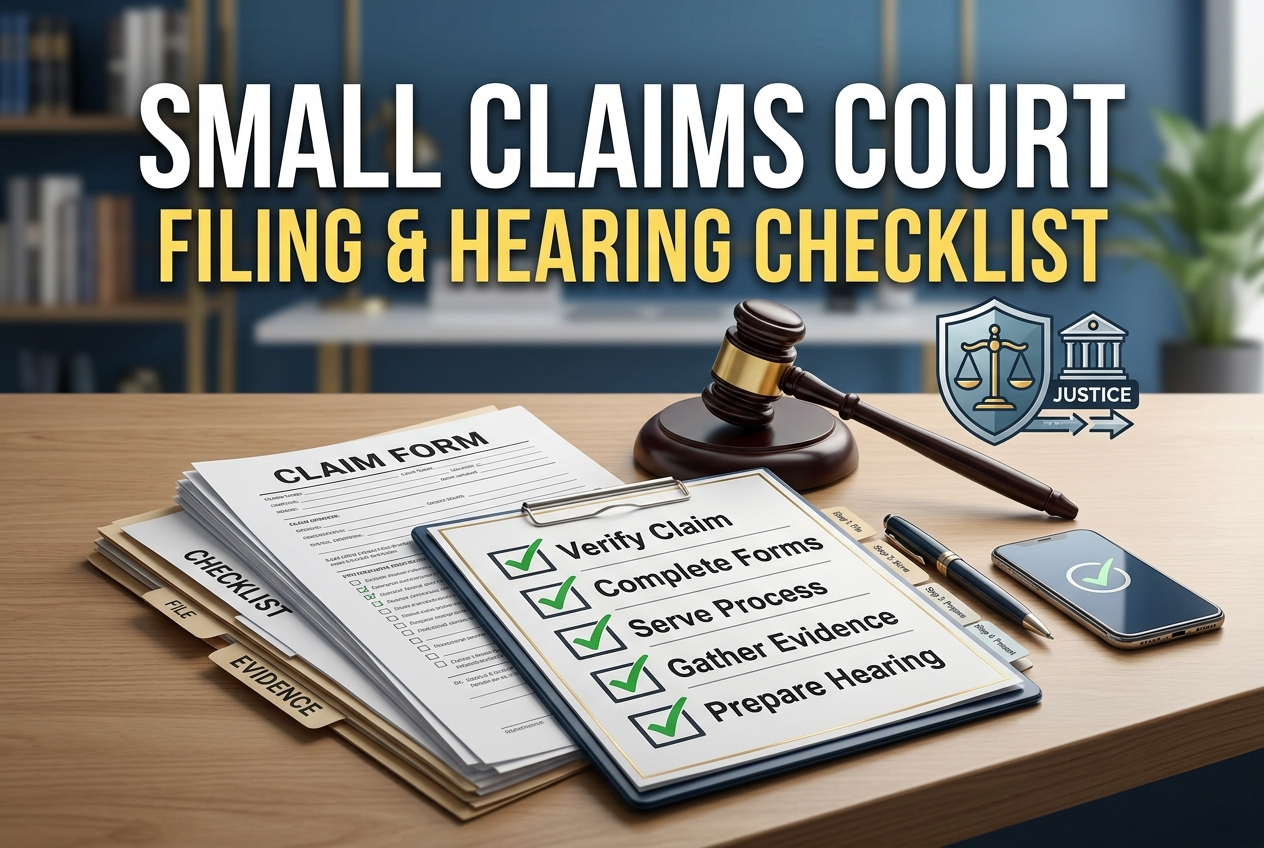
Small Claims Court Filing and Hearing Checklist
Small claims court requires precise filing, serving, and preparation steps to ensure your dispute is heard and decided fairly. You will work through verifying your claim’s eligibility, completing official service of process, preparing evidence and witnesses, and understanding court procedures. By following these steps, you finish ready to present your case effectively and pursue collection if you win.

The Executor's Guide to Estate Debts and Personal Liability
Being an executor means handling estate debts and taxes before giving out assets to heirs. Many fail to prioritize creditor claims or meet deadlines, exposing themselves to personal liability. Following strict probate rules and acting as a loyal fiduciary protects executors from costly lawsuits and financial loss.

Get Approval for California Proposition 19 Property Tax Exclusions
You will prepare a complete and compliant filing for California Proposition 19 property tax exclusions by assembling required documentation, correctly calculating inherited property basis using fair market value or estate tax return values, and proving qualifying family relationships with signed certifications under penalty of perjury. You will rehearse meeting strict deadlines and structuring ownership—especially with LLCs—to avoid reassessment triggers. By working through these steps in order, you will finish ready to submit an airtight claim that satisfies all county assessor requirements under the 2024 rules.
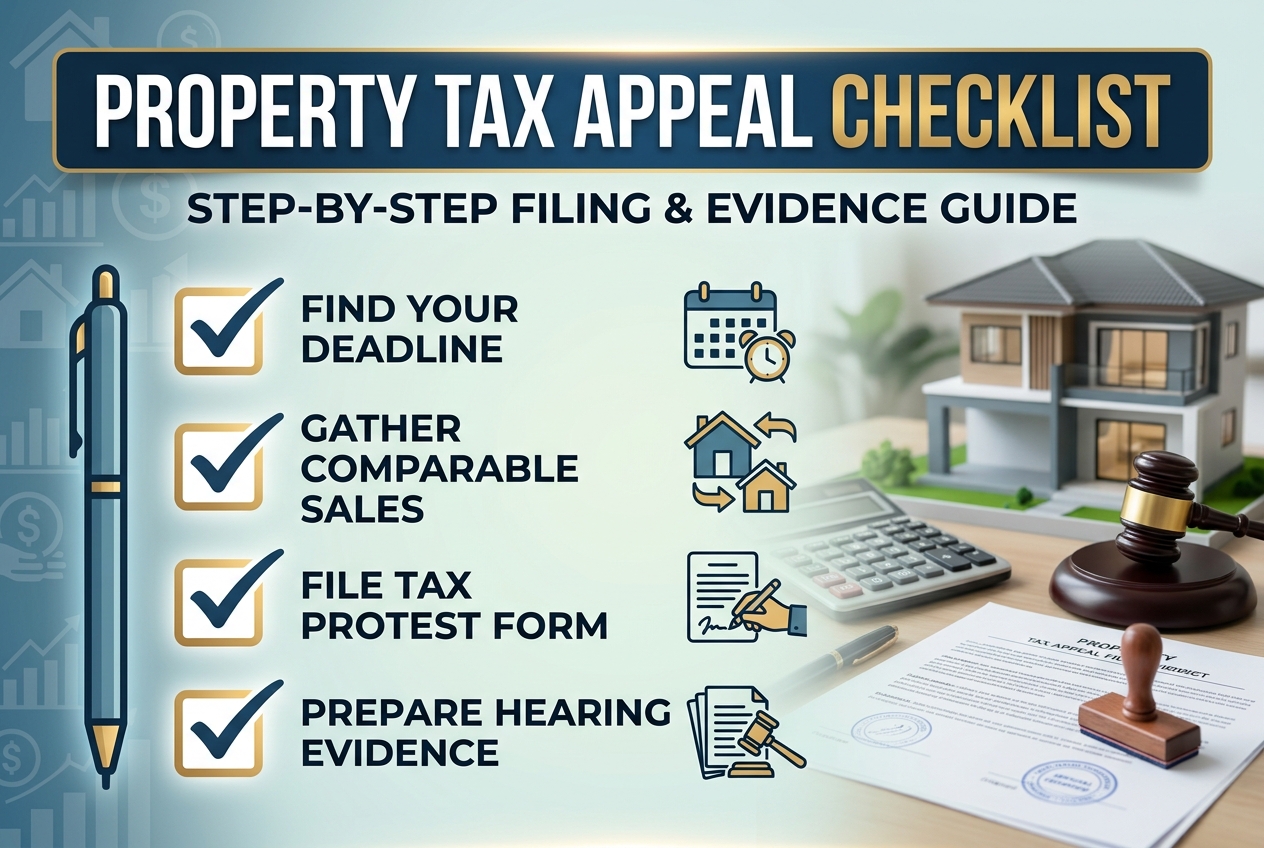
Property Tax Appeal Filing and Evidence Checklist
Property tax appeals require strict adherence to filing deadlines and the submission of compelling evidence to challenge an assessment effectively. You will work through identifying your exact deadline, assembling comparable sales data, filing your protest correctly, and preparing for the hearing. By the end, you will be ready to present a complete appeal that meets all procedural requirements and maximizes your chances of reducing your property tax.
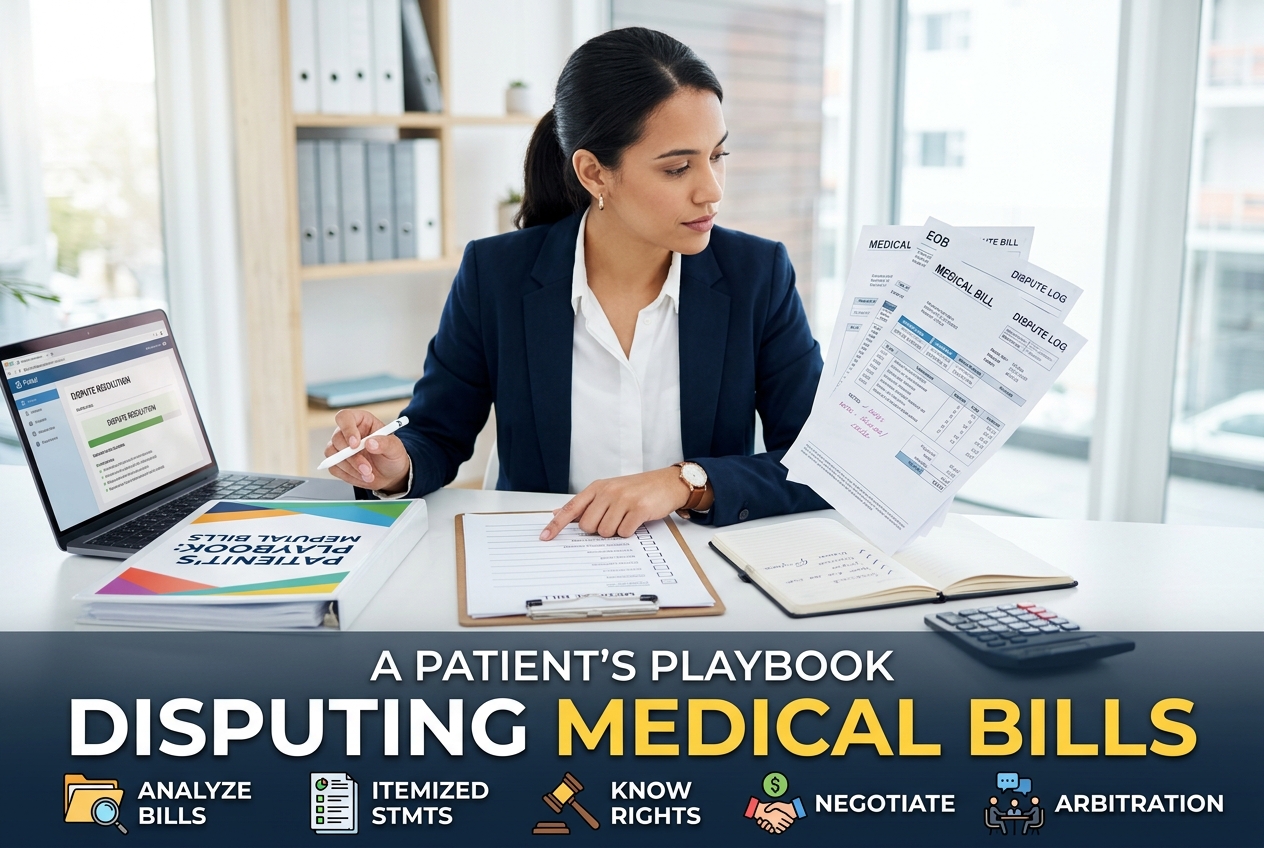
How to Dispute Medical Bills Effectively
Disputing medical bills requires a structured approach including requesting itemized bills with CPT codes, comparing them against Explanation of Benefits to spot errors, and adhering to strict deadlines such as the 120-day limit under the No Surprises Act. Keeping detailed records of all communications and submitting formal appeals within specified timeframes—often 30 to 180 days—is essential to preserve dispute rights. Understanding processes like the Independent Dispute Resolution and Good Faith Estimate requirements enables patients to navigate disputes confidently and avoid waiving their rights.

Mastering Email Sequences for Customer Recovery and Engagement
You will learn how to design effective email sequences that recover customers and nurture leads by timing messages strategically—from immediate welcome emails to gradually spaced follow-ups. This includes crafting abandoned cart sequences with product images and incentives sent within hours, implementing urgency with enforceable deadlines, and aligning emails with buyer journey stages to maximize engagement without overwhelming recipients. You will also discover best practices for VIP treatment, value-driven sales emails, and win-back campaigns that combine empathy with clear calls to action.