
Explore Capsules
33 capsules

An Adult Child's Handbook for Aging Parent Care and Finances
Discussing money and care with aging parents before a crisis helps avoid confusion and conflict later. The steps differ on how to organize important documents, set ethical boundaries, and prepare legally and financially for future needs. You’ll learn how to gather and secure critical information, plan for long-term care costs, and ensure smooth access to accounts and decisions when the time comes.

The Driver's Guide to Car Buying and Leasing Costs
A car is one of the biggest checks you'll ever write, and the sticker price tells you almost nothing about what it truly costs. These analyses differ on what drives the total: some track cost per mile and lease return fees, others weigh maintenance risk, resale value, or how to translate lease rates into a fair comparison with buying. Match the numbers to your own driving habits and budget, and you can pick the option that genuinely saves you money.

Home Solar Decisions, Done Right
Deciding if solar panels are a smart investment depends heavily on your home's location, electricity costs, and available incentives. Different guides help you weigh savings projections, avoid scams, understand financing, and verify installer credentials so you can confidently choose if solar makes sense for your specific situation. Whether you own or rent, these guides reveal when solar pays off and how to protect yourself from high-pressure sales and misleading offers.

A Franchise Buyer's Guide to Fees, Royalties, and Risks
Franchise ownership involves complex financial commitments like upfront franchise fees, ongoing royalties, and marketing fund contributions that can strain profitability. The topics reveal how disclosure rules, legal obligations, and operational risks vary widely, affecting whether a franchise thrives or fails. Understanding these differences helps prospective franchisees assess true costs, legal risks, and growth potential before signing on.

A Buyer's Guide to Health Insurance Costs and Coverage
Picking a health insurance plan during open enrollment is complicated by confusing processes, affordability challenges, and hidden coverage limits. Plans differ widely in how they handle costs, out-of-network care, and quality measures like diabetes management, while support resources vary in funding and availability. Understanding these differences helps you avoid unexpected denials, fees, and gaps in coverage so you can find a plan that truly fits your needs.

Raising Children in Expensive Cities: Housing, Care, and Schooling
Raising a child in expensive metro areas like the Bay Area or New York City involves more than just visible expenses. Costs differ widely depending on hidden fees, regulatory hurdles, and the human impact of care demands, including housing, schooling, and childcare access. Understanding these distinct costs helps families navigate tough choices about education, housing, and care support in a challenging economic landscape.

An Aspiring Agent's Guide to Real Estate Income and Costs
Becoming a real estate agent means facing unpredictable income with bills that don’t stop coming. These realities differ on how agents manage expenses like desk fees, commission splits, and reinvestment strategies, plus how they handle lead generation and client relationships to survive and thrive. Understanding these hidden financial challenges helps you decide if this career fits your tolerance for risk and planning.

A California Homeowner's Guide to ADU Rules, Costs, and Financing
Building or buying a home with an accessory dwelling unit (ADU) in California involves navigating complex rules on impact fees, fire safety requirements, and water permits that can significantly affect project costs and timelines. Financing options vary widely—from construction loans to using retirement accounts—with each approach carrying different risks and benefits. Understanding these options helps determine whether the investment makes financial sense given local regulations and market conditions.

Hawaii Home Buying: Leasehold, Fee Simple, and Hidden Costs
Owning a home in Hawaii comes with hidden costs that vary dramatically depending on whether you buy leasehold or fee simple property. Leasehold ownership carries risks like losing access when the lease expires, financing challenges, and potential eviction without compensation, while fee simple offers full ownership but with its own expenses. Understanding these different costs helps you avoid surprises and make an informed decision about the true price of paradise.

Home-State LLC Formation: Lower Costs and Simpler Compliance
Many small business owners believe forming an LLC in Delaware or Wyoming offers tax or privacy advantages, but this often backfires when the business operates in their home state. Forming out of state usually triggers foreign qualification fees, extra compliance, and legal complexities that outweigh any perceived benefits. Choosing your home state for LLC formation simplifies filings, reduces costs, and aligns with where your business actually operates, making it the smarter choice for most entrepreneurs.
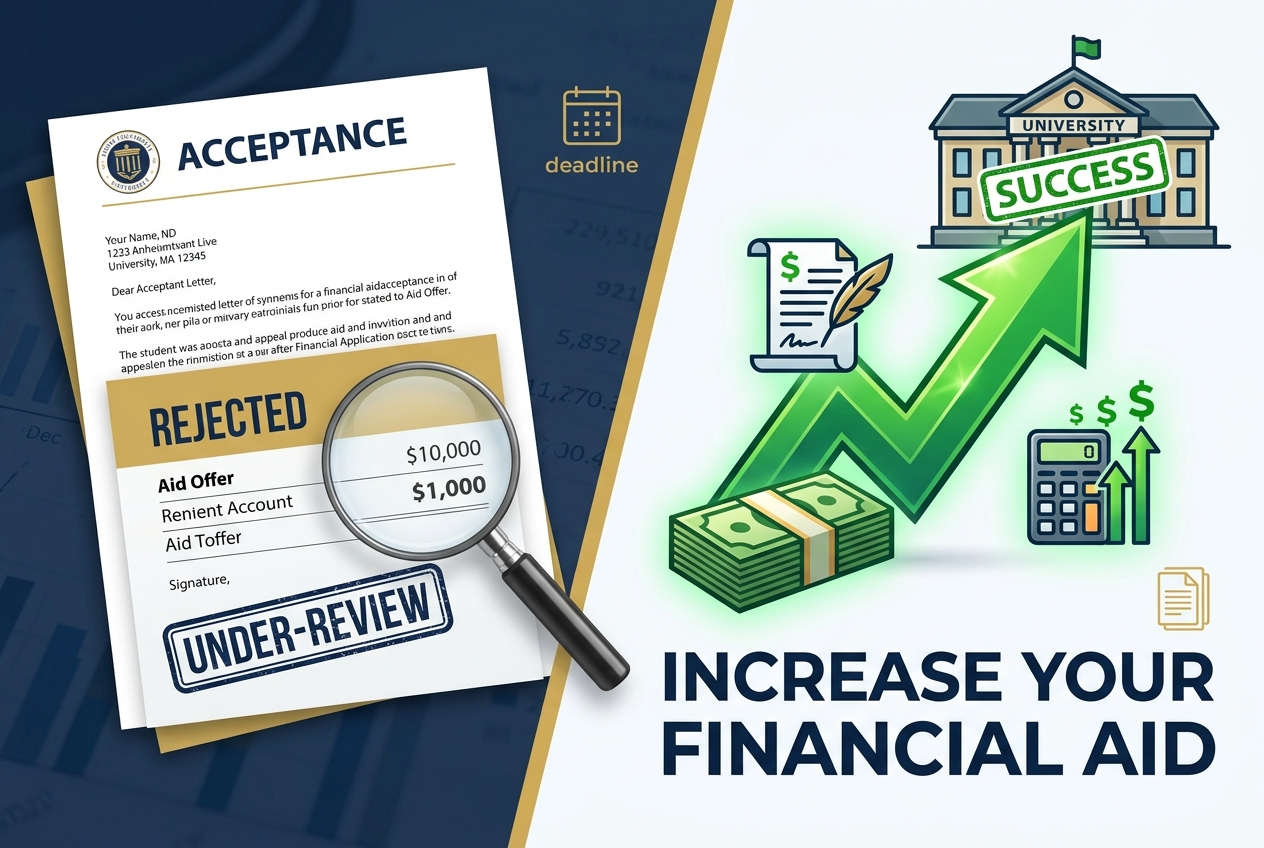
Win More Financial Aid Support Before Enrollment
You will learn how to effectively request a reconsideration of your financial aid offer by identifying special circumstances such as job loss or medical expenses not reflected in your FAFSA. You will work through drafting a clear, well-documented appeal letter that explains your changed financial situation and includes specific numbers and supporting evidence. By the end, you will be prepared to submit a compelling appeal that increases your chances of securing additional aid before enrollment deadlines.

Austin Housing After the Boom: Costs, Taxes, and Tradeoffs
Austin’s housing market shifted dramatically after a pandemic-driven surge and a sharp price correction, challenging the assumption that buying is always the smarter choice. Key factors like property tax rules, special district fees, and local market comps reveal different financial impacts on buyers versus renters. Understanding these factors helps you weigh affordability, tax benefits, and long-term costs to decide what truly fits your situation.