
Guide de l'acheteur sur les coûts et la couverture de l'assurance santé
De sources originales
À propos de cette capsule
Choisir un plan d'assurance santé pendant la période d'inscription ouverte est compliqué par des processus confus, des défis d'accessibilité financière et des limites de couverture cachées. Les plans varient largement dans leur gestion des coûts, des soins hors réseau et des indicateurs de qualité tels que la gestion du diabète, tandis que les ressources d'accompagnement diffèrent en financement et disponibilité. Comprendre ces différences vous aide à éviter les refus inattendus, les frais et les lacunes de couverture afin de trouver un plan qui correspond réellement à vos besoins.
4 plans clés pour choisir une assurance santé
Établir la crédibilité via un contexte personnel et d’autorité.
Soutien à la décision interactif et personnalisé.
Obstacles au choix d’assurance
Mesures de qualité clinique pour la comparaison des plans
Guide de l'acheteur sur les coûts et la couverture de l'assurance santé
Capxule Health
Voir le profil
Similaires dans Santé

Surdiagnostiqué : Comment le profit a remodelé la prise en charge du TDAH
L’augmentation des diagnostics de TDAH reflète moins un besoin réel des patients qu’une industrie qui profite de chaque prescription. À contre-courant de la norme dominante du médicament en premier recours, cette analyse affirme que l’influence des laboratoires biaise la recherche et les recommandations, et que les approches communautaires et comportementales s’attaquent aux causes profondes sans pathologiser des comportements normaux. Le scepticisme face au diagnostic motivé par le profit est le point de départ d’une prise en charge plus honnête de la santé mentale.
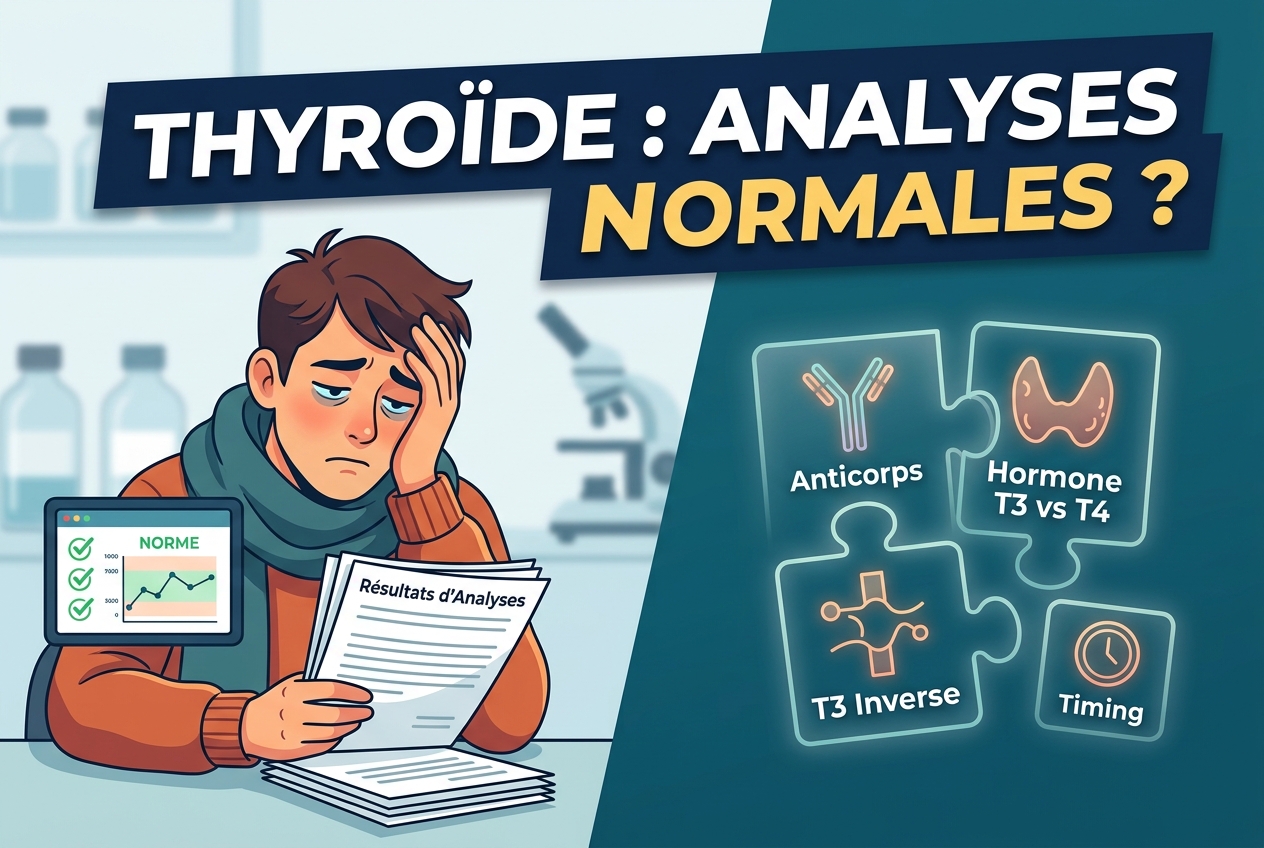
Guide du patient sur les analyses thyroïdiennes normales et les tests de suivi
Des résultats normaux aux analyses thyroïdiennes n'expliquent pas toujours des symptômes persistants tels que la fatigue, le brouillard cérébral, l'intolérance au froid ou les variations de poids. Ce guide explique ce que les tests thyroïdiens standard peuvent et ne peuvent pas révéler, comment des facteurs tels que les anticorps, la conversion hormonale, les plages de référence et le moment du test peuvent influencer l'interprétation, et quels tests de suivi pourraient valoir la peine d'être discutés avec un clinicien.

Aliments ultra-transformés : classification, nutrition et compromis en santé publique
Le terme ultra-transformé est devenu synonyme de mauvais, mais cette étiquette regroupe les aliments de base enrichis avec la malbouffe. Ces affirmations remettent en question la panique sous différents angles : les failles de la classification NOVA, la simplification médiatique, et des cas où la transformation ajoute réellement des nutriments. Les comprendre vous permet de juger la qualité des aliments au-delà du mot à la mode.

Thérapie hormonale de la ménopause : risques, moment et choix de traitement
Pour les femmes qui envisagent une thérapie hormonale, l'enjeu est de soulager les symptômes de la ménopause tout en tenant compte des risques redoutés de cancer du sein et de maladies cardiovasculaires. Les avis divergent quant à savoir si les données initiales sur les risques ont été exagérées, l'importance du moment du traitement, et si l'œstrogène vaginal à faible dose est plus sûr que ce que ses avertissements suggèrent. Démêlez les preuves de l'alarme et décidez avec votre médecin ce qui correspond à votre santé.