
Education Capsules
21 capsules

Pass the New Jersey Driver License Knowledge Test
An AI study companion built from the official New Jersey Driver Manual. Learn New Jersey speed limits, GDL rules, point values, and signs, then practice with explained questions for the MVC knowledge test.

An Educator's Guide to Spaced and Retrieval Practice
Much of what schools and parents assume about learning, including learning styles, doesn't survive testing. These strategies center on what does: spacing practice over time, recalling material instead of rereading it, and lesson designs backed by experiments. Comparing them shows where to put effort so kids actually remember what they learn.
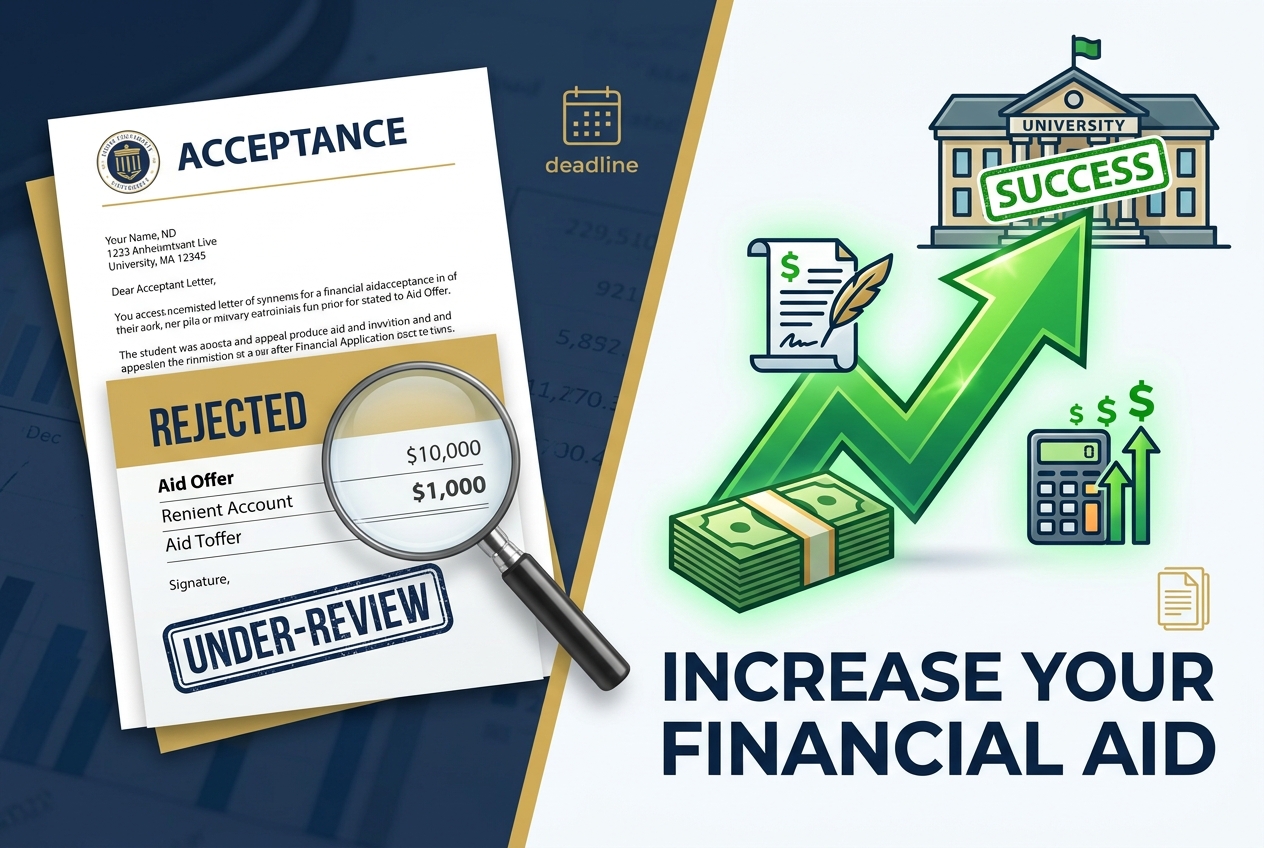
Win More Financial Aid Support Before Enrollment
You will learn how to effectively request a reconsideration of your financial aid offer by identifying special circumstances such as job loss or medical expenses not reflected in your FAFSA. You will work through drafting a clear, well-documented appeal letter that explains your changed financial situation and includes specific numbers and supporting evidence. By the end, you will be prepared to submit a compelling appeal that increases your chances of securing additional aid before enrollment deadlines.

Grade Retention Alternatives: Literacy Support, Tutoring, and Progress Monitoring
Repeating a grade feels like a second chance, but the evidence says it often makes things worse. These interventions offer what works instead: early literacy help, tutoring, and progress monitoring that catches struggles before retention is on the table. They differ on timing and method, and together they explain why strict hold-back policies backfire.

Adult Language Learning: Critical Periods, Brain Plasticity, and Teaching
Adult language learning sits at the intersection of critical period research, brain plasticity, and classroom practice. This overview explains what neuroscience suggests about age-related advantages and limits, how adults can still develop strong language skills, and how teaching can adapt for children and adult learners.

Growth Mindset in Schools: Evidence, Limits, and Real-World Impact
Telling students that effort beats talent became a classroom staple, but the results are contested. These views split between evidence that mindset programs genuinely lift grades and course choices and critiques pointing to weak studies, publication bias, and thin real-world impact. You can decide how much faith to put in mindset teaching.
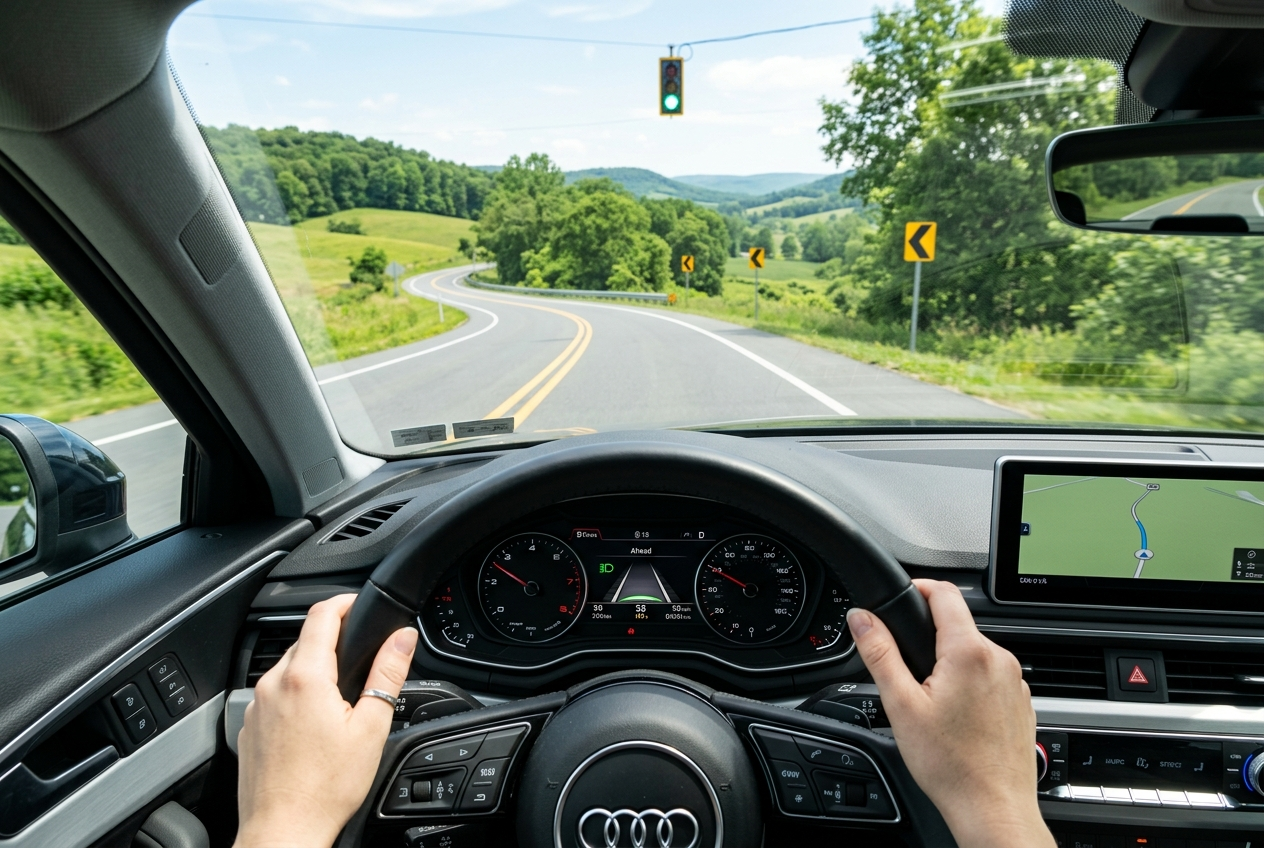
Pass the Pennsylvania Driver License Knowledge Test
You will learn to recognize and obey traffic signals, signs, and lane markings, understand right-of-way rules including those for emergency vehicles and school buses, and practice safe vehicle control and lane changes. The preparation covers the official 18-question multiple-choice exam requiring 15 correct answers to pass and emphasizes responsible driving behaviors such as sharing the road with motorcyclists and avoiding impaired driving. By rehearsing these rules and scenarios, you will finish ready to pass the Pennsylvania Driver License Knowledge Test and demonstrate safe driving knowledge.

Language Learning Paths: Immersion, Classroom Study, and Blended Fluency
Immersion gets the glory, yet classroom learners often out-read and out-write those who moved abroad. These methods split on whether immersion's speaking fluency, the classroom's structured foundation, or a deliberate blend of both wins for your goals. Knowing what each is genuinely good at saves years of misdirected effort.

Pass the Nevada DMV Knowledge Test
You will learn the traffic laws, signs, and safe driving practices required for a Nevada Class C license or permit. You will rehearse key rules such as right-of-way for emergency vehicles, passing restrictions, signaling distances, and roundabout navigation. By practicing realistic questions and reviewing Nevada-specific regulations, you will finish ready to pass the official knowledge test and drive safely.

Pass the Commercial Driver License Federal Program
You will work through the federal standards for commercial driver licensing, mastering vehicle inspection, control skills, and safety procedures. You will rehearse coupling and uncoupling combination vehicles, handling doubles and triples, transporting hazardous materials, and protecting students around school buses. You will finish ready to demonstrate safe driving practices, proper braking and air pressure control, and compliance with all federal requirements.
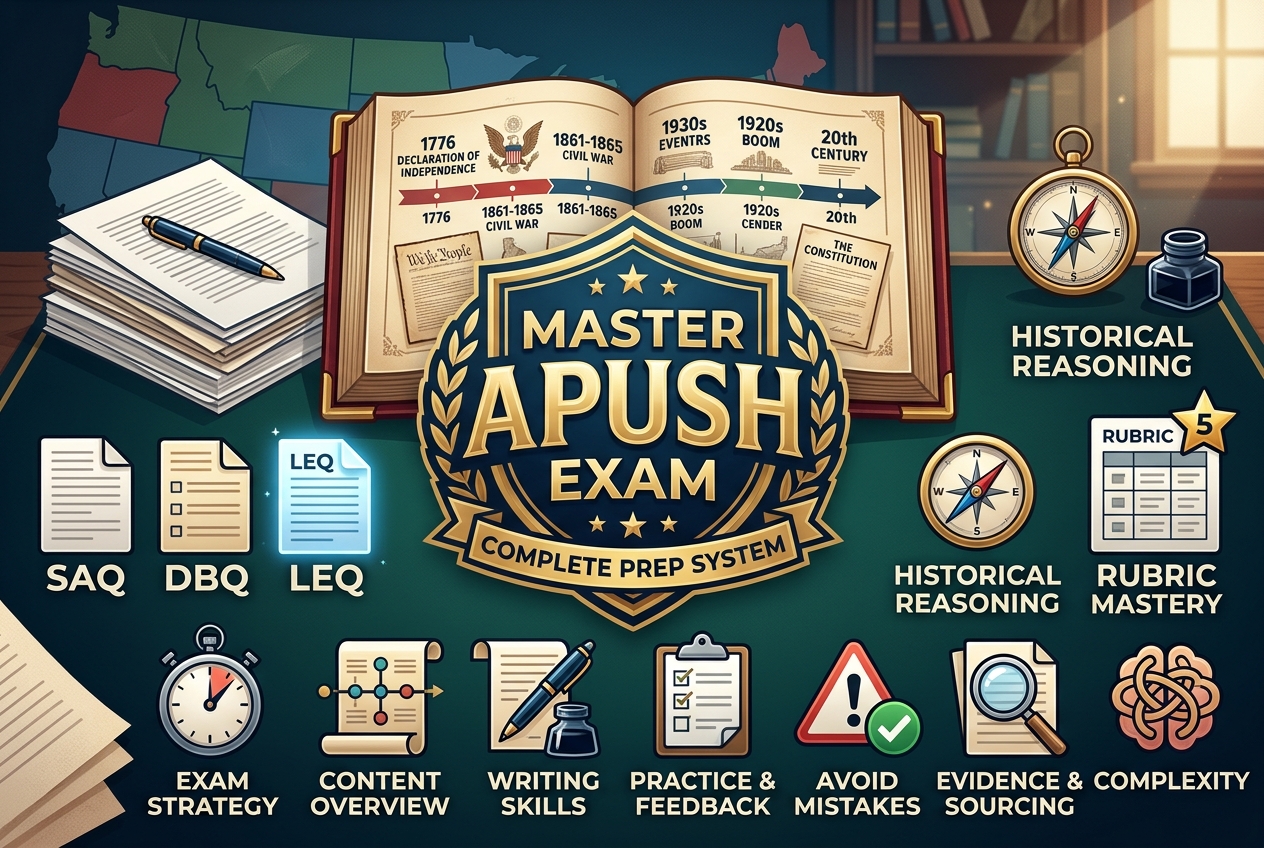
Master AP U.S. History: The Complete APUSH Exam Prep System
A complete AP U.S. History prep capsule that helps students master the exam’s content, writing skills, and strategy. Work through the full APUSH timeline, practice SAQs, DBQs, and LEQs, learn how to earn rubric points, avoid common mistakes, and build the historical reasoning needed for exam day.

Pass the Texas Driver License Knowledge Test
You will learn to meet the 70% passing requirement on the Texas driver license knowledge exam by mastering essential traffic laws, signals, and safe driving practices. You will rehearse key rules such as proper responses to traffic lights, safe turning and passing procedures, and the responsibilities tied to driving privileges. By working through these topics, you will finish ready to qualify for your Texas driver license and maintain safe driving habits on the state's extensive roadways.