
Guide de l’éducateur sur la pratique espacée et la pratique de récupération
De sources originales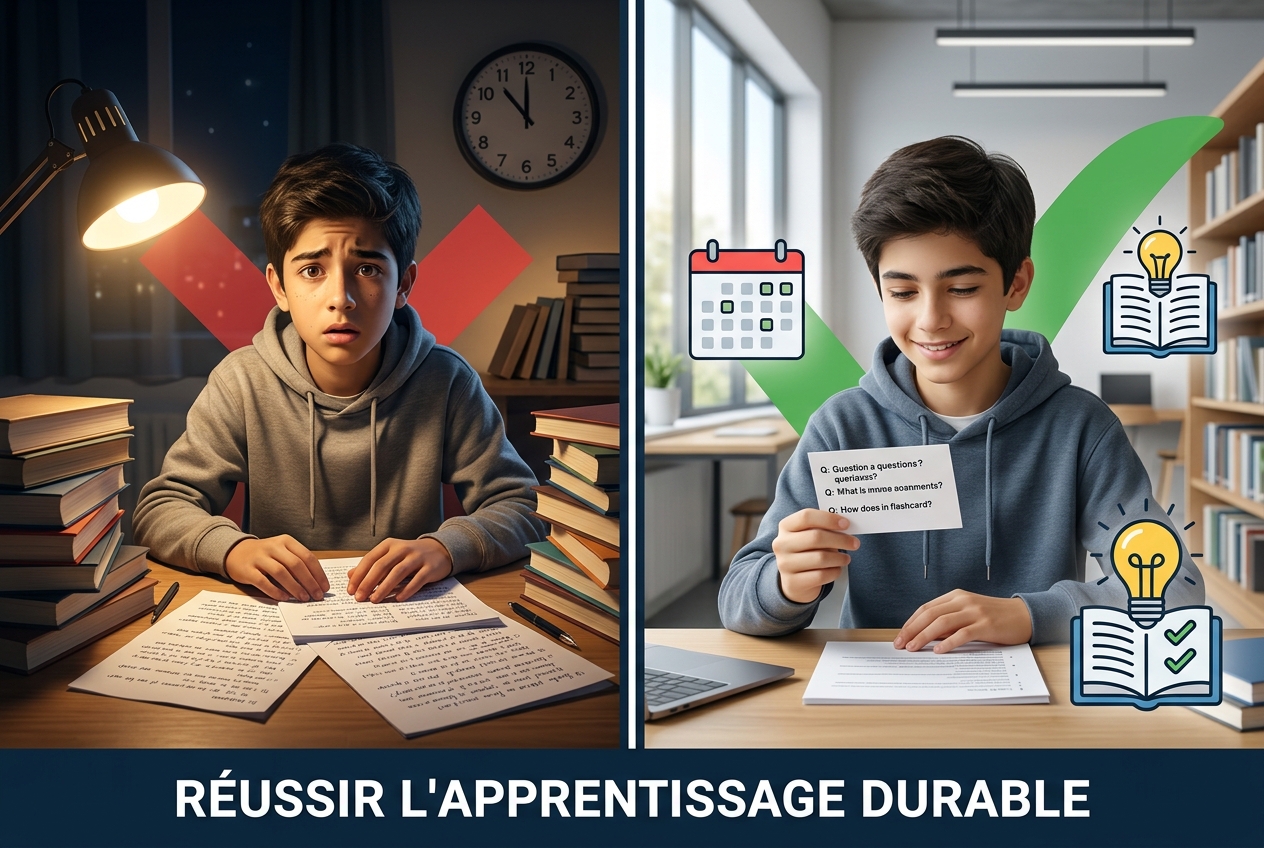
À propos de cette capsule
Beaucoup de ce que les écoles et les parents supposent sur l’apprentissage, y compris les styles d’apprentissage, ne résiste pas à l’épreuve des faits. Ces stratégies se concentrent sur ce qui fonctionne réellement : espacer la pratique dans le temps, rappeler le matériel plutôt que de le relire, et des conceptions de leçons appuyées par des expériences. Les comparer montre où concentrer les efforts pour que les enfants se souviennent vraiment de ce qu’ils apprennent.
5 stratégies d’apprentissage fondées sur des preuves expliquées
L’apprentissage fondé sur des preuves bat les styles d’apprentissage.
Essayez de demander : « Que devrait remplacer la correspondance des styles d’apprentissage en classe ? »
Conception expérimentale rigoureuse pour la recherche en apprentissage.
Les stratégies d’apprentissage fondées sur des preuves remplacent les styles d’apprentissage.
Essayez de demander : « Que devraient faire les enseignants au lieu de correspondre aux styles d’apprentissage des élèves ? »
L’espacement croissant n’est pas meilleur que l’espacement uniforme.
La pratique espacée est meilleure que la pratique massée.
IA générique vs IA avec cette capsule
Aperçu“Quelle est la différence entre la pratique espacée et la pratique massée, et quelle importance cela a-t-il réellement pour l’apprentissage des enfants ?”
IA générique
“La pratique massée signifie faire beaucoup de pratique en un seul bloc, avec peu ou pas de pause entre les répétitions.
- Exemple : étudier 20 mots d’orthographe pendant 60 minutes le jeudi soir avant le test du vendredi.
La pratique espacée signifie répartir la pratique sur plusieurs sessions plus courtes dans le temps.
- Exemple : étudier ces mêmes mots 10–15 minutes chaque jour pendant la semaine.
La différence de base
La pratique massée semble souvent plus efficace sur le moment car les enfants s’améliorent rapidement pendant la séance. Mais beaucoup de cette amélioration est temporaire. La pratique espacée semble plus lente et parfois plus difficile, mais elle conduit à une meilleure rétention à long terme.
Une façon simple de le dire :
- La pratique massée aide la performance immédiate.
- La pratique espacée aide la mémorisation durable.
Quelle impor...”
Cette capsule
“La pratique espacée est très importante : dans une méta-analyse, la pratique de récupération espacée a surpassé la pratique de récupération massée avec un g de Hedges = 1,01 ; même après correction du biais de publication, l’effet restait fort à g = 0,74. Pour les enfants spécifiquement, une étude avec des 5–7 ans a montré qu’une leçon par jour pendant quatre jours consécutifs produisait un meilleur apprentissage et une meilleure généralisation que quatre leçons consécutives le même jour — et cet avantage était encore visible une semaine après la dernière leçon.
La différence
La pratique massée signifie apprendre ou pratiquer le même matériel en un seul bloc concentré.
- Exemple : un enfant étudie des mots d’orthographe pendant 40 minutes le lundi.
- Version classe : quatre leçons données à la suite le même jour.
- Cela peut sembler productif car le mat...”
Guide de l’éducateur sur la pratique espacée et la pratique de récupération
Capxule Education
Voir le profil
Similaires dans Éducation

Pass the New Jersey Driver License Knowledge Test
An AI study companion built from the official New Jersey Driver Manual. Learn New Jersey speed limits, GDL rules, point values, and signs, then practice with explained questions for the MVC knowledge test.
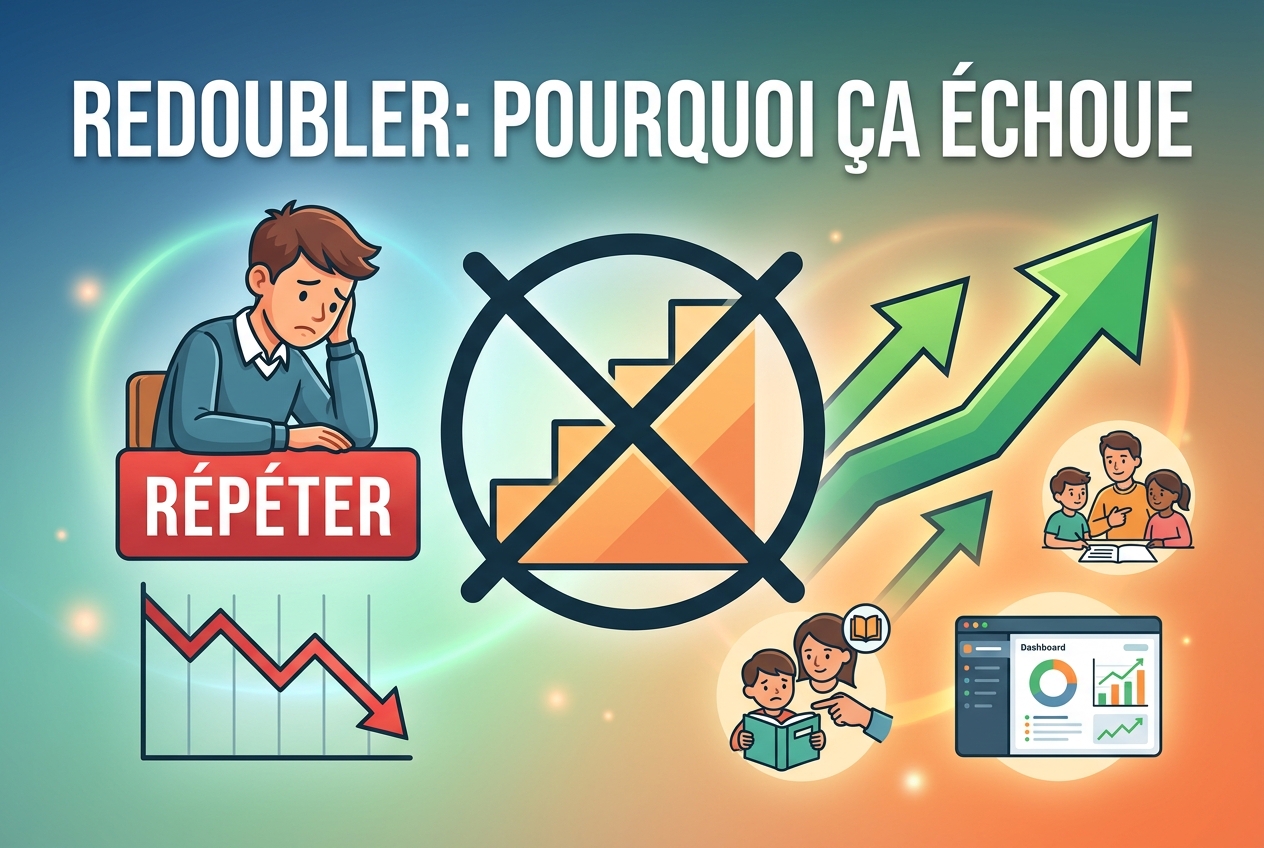
Alternatives à la redoublement : soutien à la littératie, tutorat et suivi des progrès
Redoubler une classe semble offrir une seconde chance, mais les preuves montrent que cela aggrave souvent la situation. Ces interventions proposent ce qui fonctionne réellement : une aide précoce en littératie, du tutorat et un suivi des progrès qui détecte les difficultés avant que le redoublement ne soit envisagé. Elles diffèrent par le moment et la méthode, et expliquent ensemble pourquoi les politiques strictes de redoublement se retournent souvent contre elles.

Apprentissage des langues à l'âge adulte : périodes critiques, plasticité cérébrale et enseignement
L'apprentissage des langues à l'âge adulte se situe à l'intersection des recherches sur les périodes critiques, la plasticité cérébrale et la pratique en classe. Cette synthèse explique ce que les neurosciences suggèrent sur les avantages et limites liés à l'âge, comment les adultes peuvent encore développer de solides compétences linguistiques, et comment l'enseignement peut s'adapter aux enfants comme aux apprenants adultes.

Obtenez Plus de Soutien Financier Avant l'Inscription
Vous apprendrez comment demander efficacement une révision de votre offre d'aide financière en identifiant des circonstances particulières telles qu'une perte d'emploi ou des frais médicaux non pris en compte dans votre FAFSA. Vous serez guidé dans la rédaction d'une lettre d'appel claire et bien documentée qui explique votre situation financière modifiée et inclut des chiffres précis ainsi que des preuves à l'appui. À la fin, vous serez prêt à soumettre un appel convaincant qui augmentera vos chances d'obtenir une aide supplémentaire avant les dates limites d'inscription.