Capxule Education
par CapxuleHub Education · Inscrit le juin 2026
Capsules
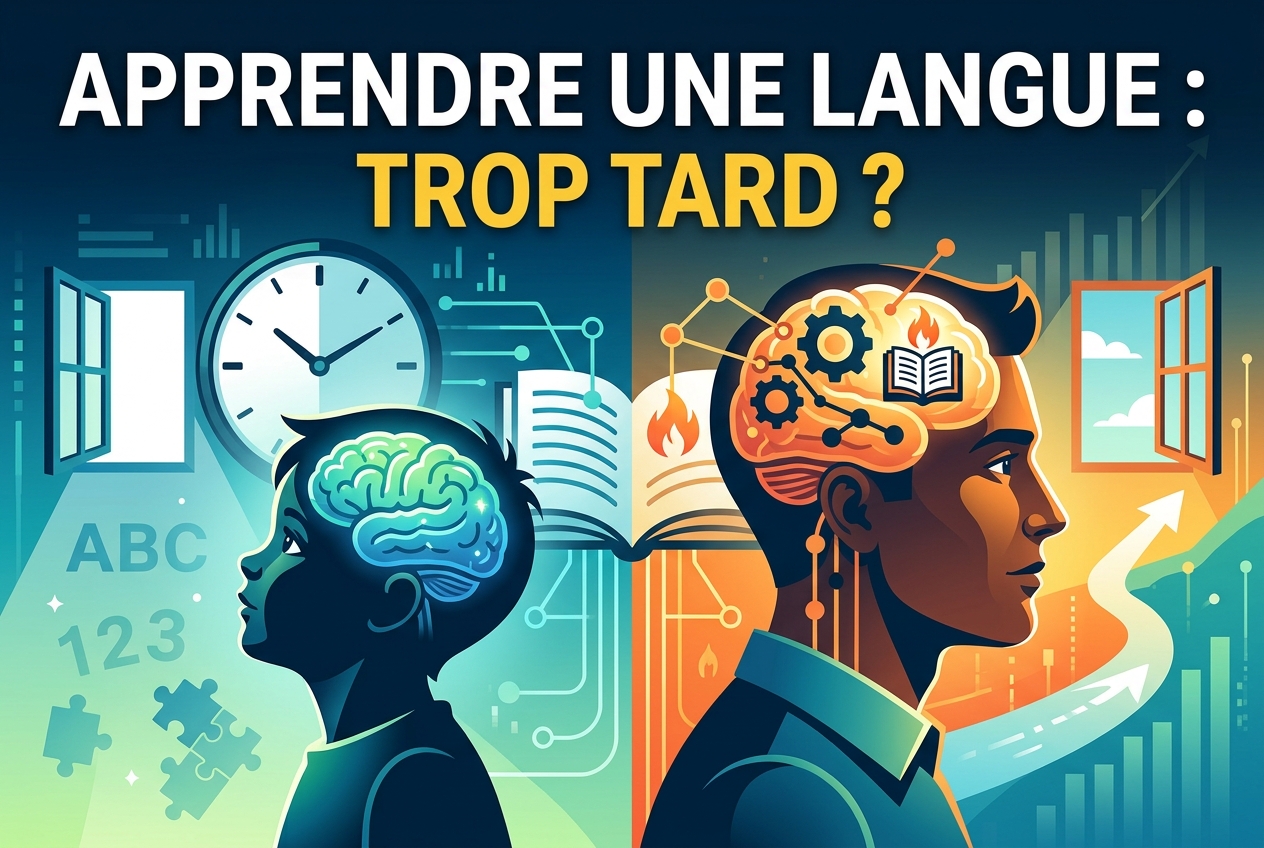
Adult Language Learning: Critical Periods, Brain Plasticity, and Teaching
Adult language learning sits at the intersection of critical period research, brain plasticity, and classroom practice. This overview explains what neuroscience suggests about age-related advantages and limits, how adults can still develop strong language skills, and how teaching can adapt for children and adult learners.

Growth Mindset in Schools: Evidence, Limits, and Real-World Impact
Telling students that effort beats talent became a classroom staple, but the results are contested. These views split between evidence that mindset programs genuinely lift grades and course choices and critiques pointing to weak studies, publication bias, and thin real-world impact. You can decide how much faith to put in mindset teaching.

Language Learning Paths: Immersion, Classroom Study, and Blended Fluency
Immersion gets the glory, yet classroom learners often out-read and out-write those who moved abroad. These methods split on whether immersion's speaking fluency, the classroom's structured foundation, or a deliberate blend of both wins for your goals. Knowing what each is genuinely good at saves years of misdirected effort.
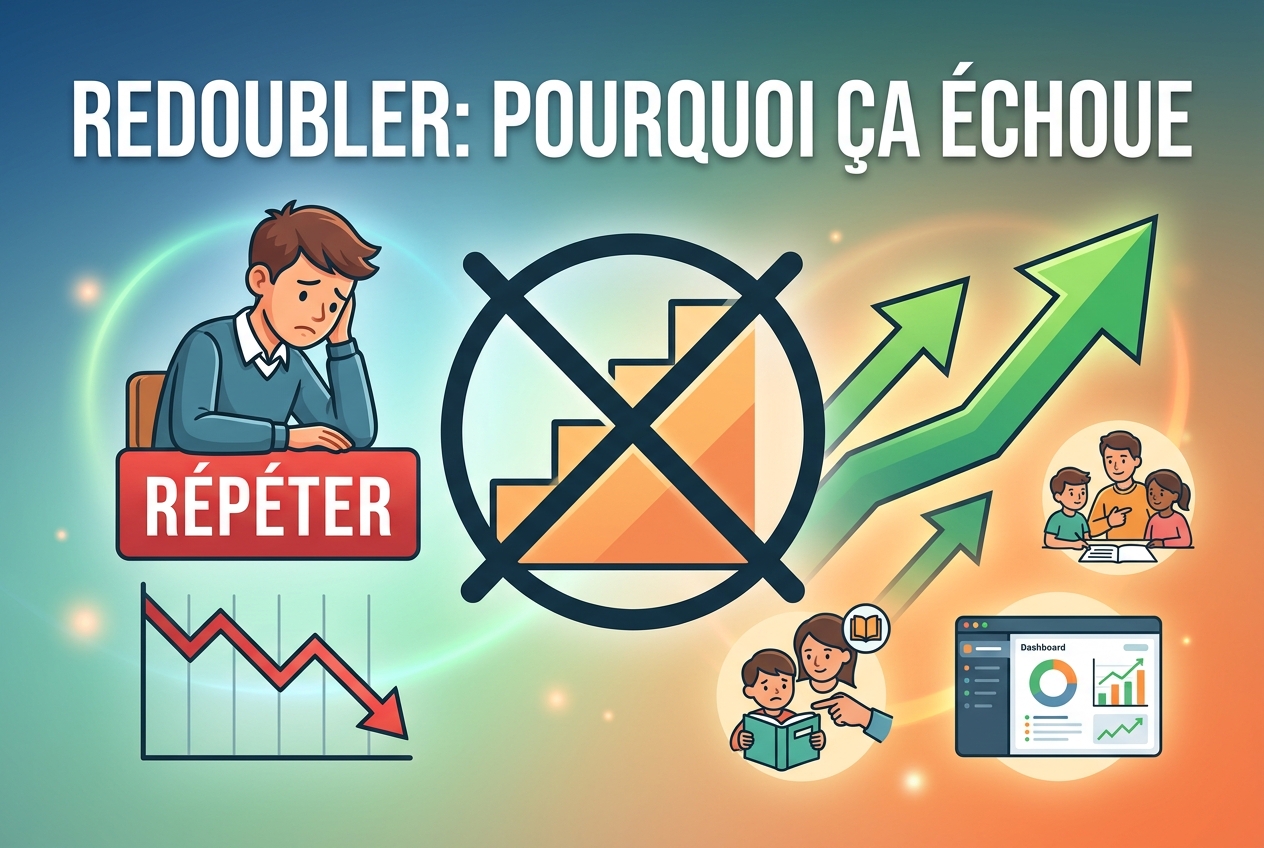
Grade Retention Alternatives: Literacy Support, Tutoring, and Progress Monitoring
Repeating a grade feels like a second chance, but the evidence says it often makes things worse. These interventions offer what works instead: early literacy help, tutoring, and progress monitoring that catches struggles before retention is on the table. They differ on timing and method, and together they explain why strict hold-back policies backfire.

An Educator's Guide to Spaced and Retrieval Practice
Much of what schools and parents assume about learning, including learning styles, doesn't survive testing. These strategies center on what does: spacing practice over time, recalling material instead of rereading it, and lesson designs backed by experiments. Comparing them shows where to put effort so kids actually remember what they learn.

Win More Financial Aid Support Before Enrollment
You will learn how to effectively request a reconsideration of your financial aid offer by identifying special circumstances such as job loss or medical expenses not reflected in your FAFSA. You will work through drafting a clear, well-documented appeal letter that explains your changed financial situation and includes specific numbers and supporting evidence. By the end, you will be prepared to submit a compelling appeal that increases your chances of securing additional aid before enrollment deadlines.

Pass the 2025 U.S. Citizenship Civics Test
You will learn the exact requirements to pass the 2025 civics test, including answering 12 out of 20 oral questions correctly and knowing location-specific answers such as your state’s U.S. Senators and capital. You will rehearse the naturalization interview process, understand the rules for current officeholder names, and master key facts about American government, history, and integrated civics. By the end, you will be fully prepared to demonstrate your English skills and civics knowledge to succeed in the official USCIS naturalization interview.
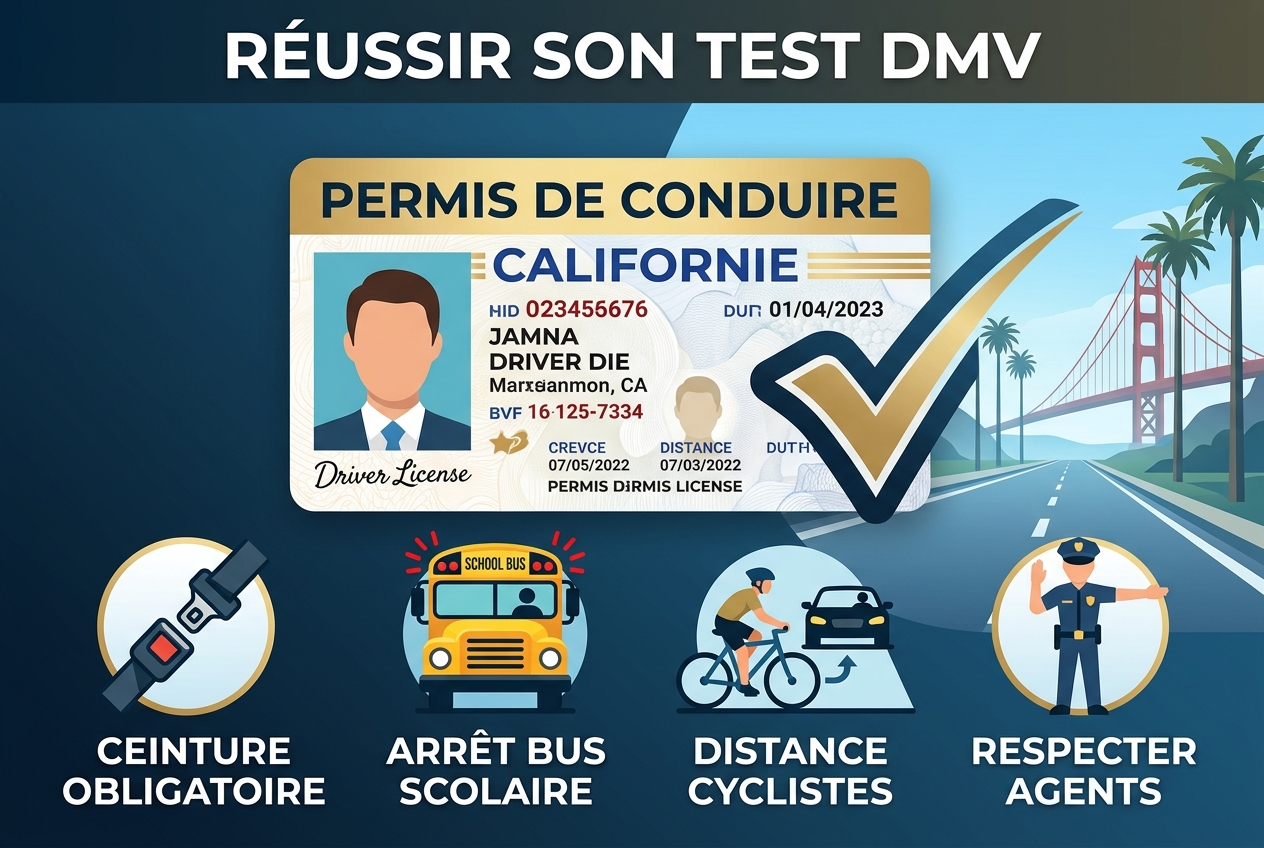
Pass the California Driver Permit Knowledge Test
You will work through the essential rules and procedures required to pass the California Driver Permit Knowledge Test. This includes mastering how to respond to traffic signals, railroad crossings, school bus stops, and emergency vehicles, as well as understanding speed limits, impairment laws, and safe driving practices. You will rehearse real test scenarios and finish ready to meet the exact expectations of the California DMV on test day.
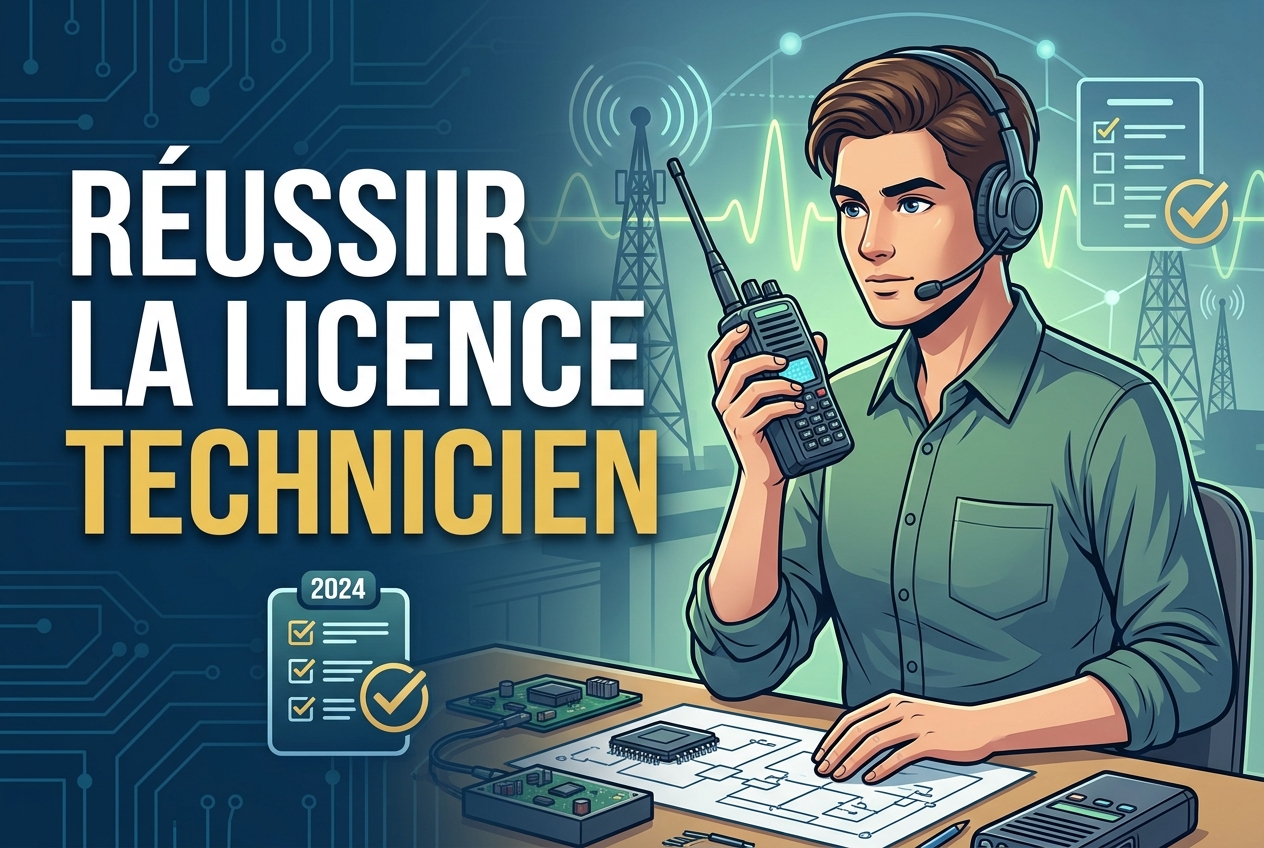
Pass the 2024 Technician Class License Exam
You will work through the specific requirements of the Technician Class license exam, including mastering the 35-question Element 2 test with a passing score of at least 26 correct answers. You will rehearse key FCC rules, radio signal behavior, electrical fundamentals, antenna operation, and safety protocols to ensure readiness for the official exam and understand when operating privileges begin upon license grant in the Universal Licensing System.
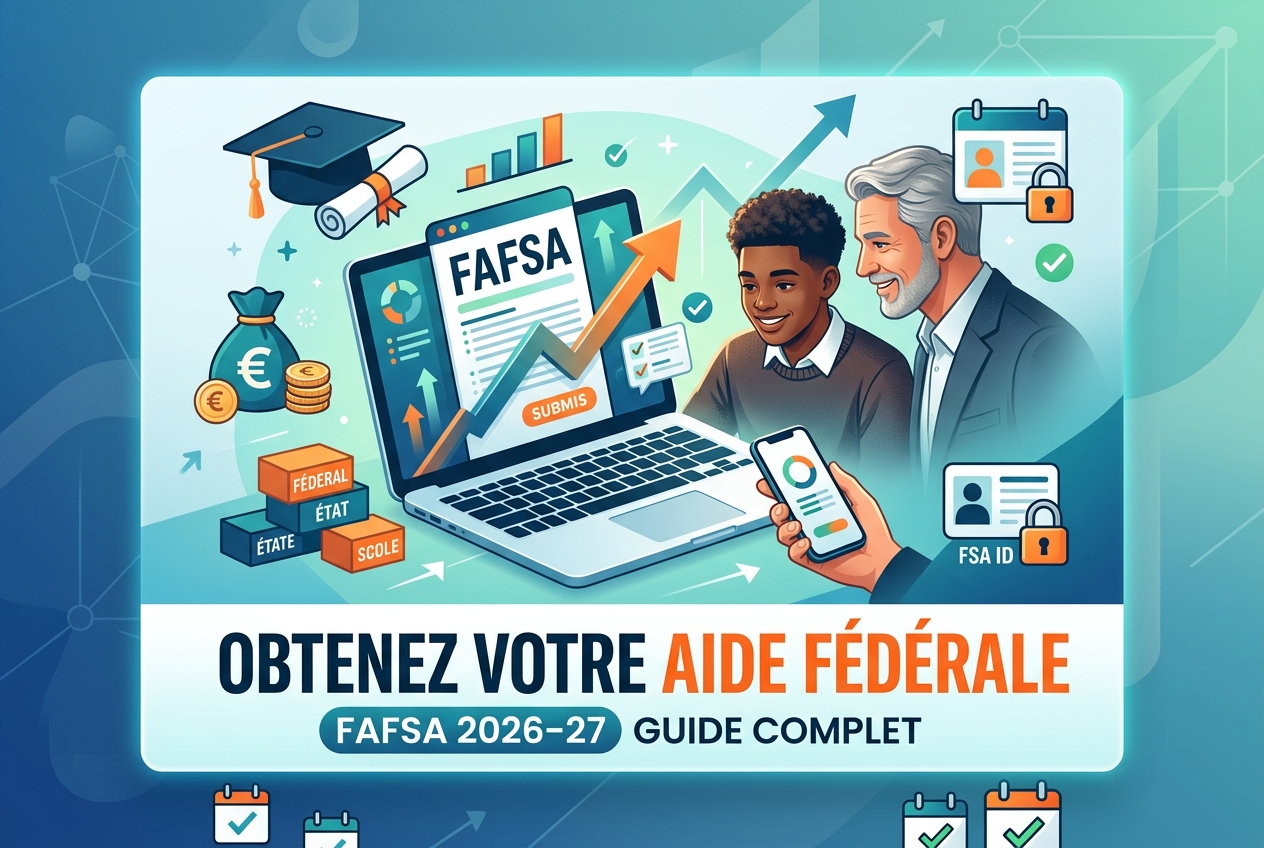
Complete the 2026–27 FAFSA to Secure Federal Student Aid
You will work through the entire 2026-27 FAFSA process, from creating your Federal Student Aid ID to submitting all required identity, tax, consent, school, and signature information in the correct sequence. You will rehearse handling contributor roles, IRS data retrieval including IP PIN requirements, professional judgment adjustments, and final submission protocols to ensure your aid eligibility is accurately calculated and your application is accepted without rejection. By finishing this preparation, you will be ready to successfully complete and submit the FAFSA form to unlock federal grants, loans, and work-study opportunities.
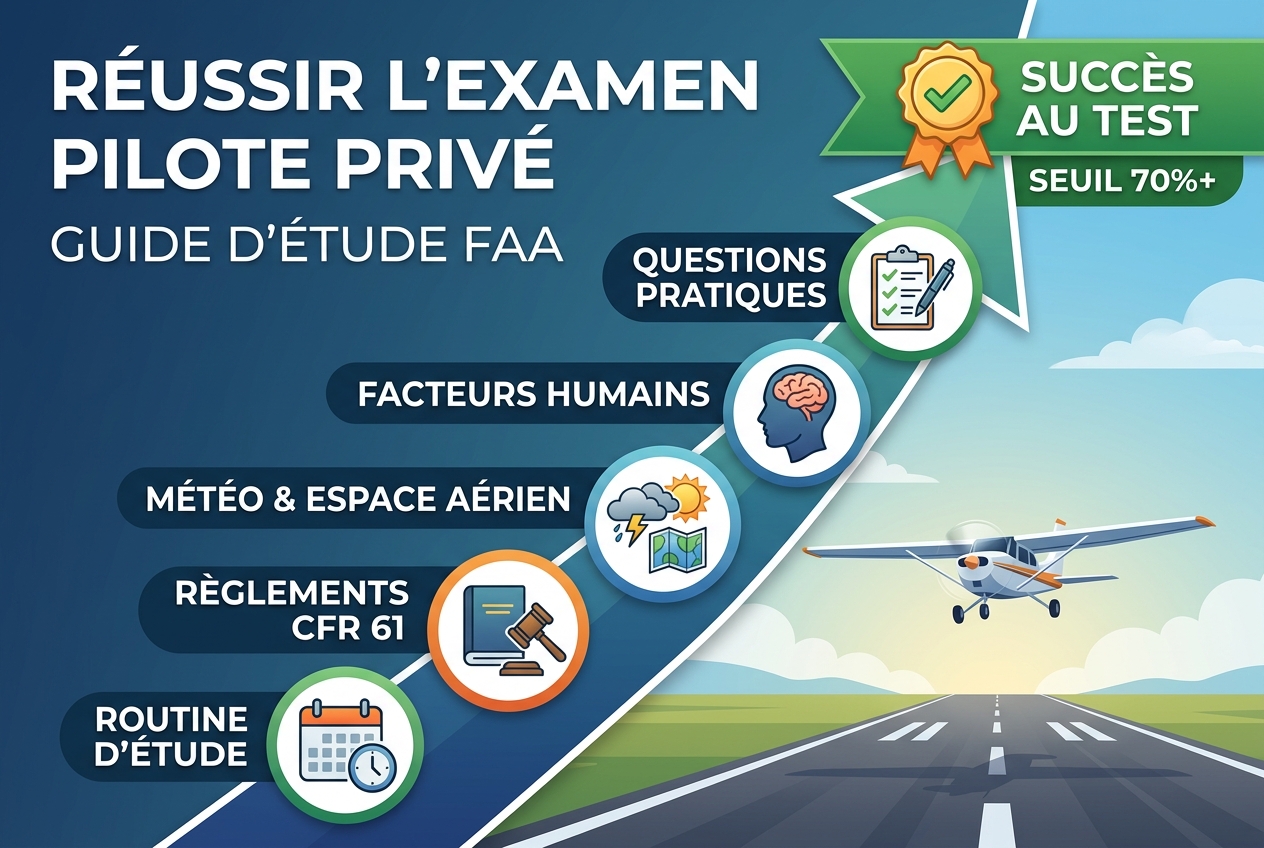
Pass the FAA Private Pilot Written Exam
You will work through the structure and rules governing private pilot certification, including 14 CFR part 61 requirements and FAA knowledge test guides. You will rehearse key concepts such as aerodynamic principles, flight risk management, weather interpretation, airspace rules, and flight operations. By the end, you will be ready to confidently answer the 60-question FAA Private Pilot Airplane knowledge test within the 2.5-hour time limit and meet the 70 percent passing standard.
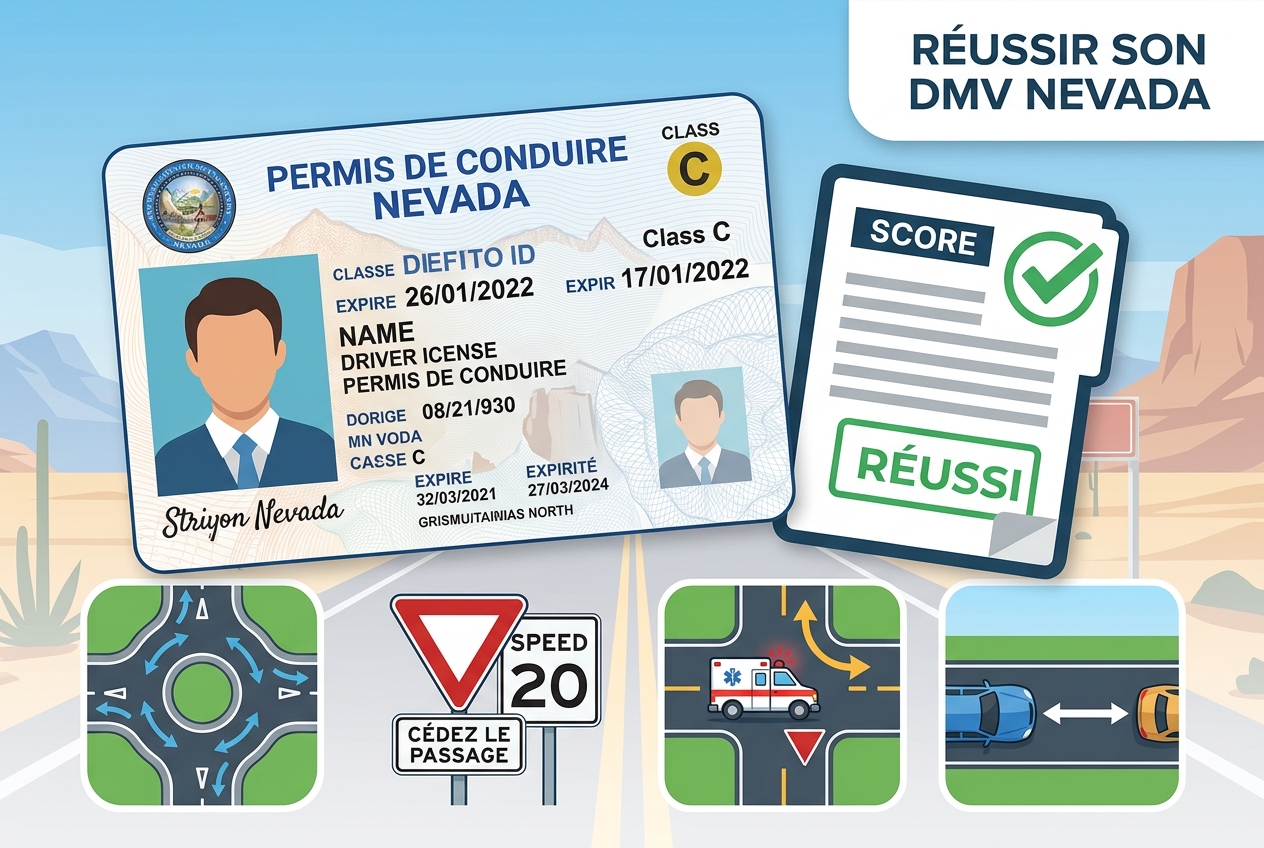
Pass the Nevada DMV Knowledge Test
You will learn the traffic laws, signs, and safe driving practices required for a Nevada Class C license or permit. You will rehearse key rules such as right-of-way for emergency vehicles, passing restrictions, signaling distances, and roundabout navigation. By practicing realistic questions and reviewing Nevada-specific regulations, you will finish ready to pass the official knowledge test and drive safely.
Get Your Connecticut Notary Public Commission
You will complete the official application requiring a $120 fee, a residential or business address in Connecticut, and proof of eligibility such as age and residency. After appointment, you will take the oath of office and record it with the local town clerk within 30 days before performing any notarial acts. You will learn how to serve with integrity, understand your legal responsibilities and limitations, and apply the Secretary of the State’s rules to protect the public from fraud while maintaining your commission.

Pass the Alaska Driver License Knowledge Test
You will learn the legal requirements and safe driving practices necessary to obtain a driver license in Alaska. You will work through key rules such as stopping for school buses, yielding at intersections, handling emergencies like brake failure, and proper parking techniques. You will rehearse knowledge questions and finish ready to pass the official DMV exam with confidence.
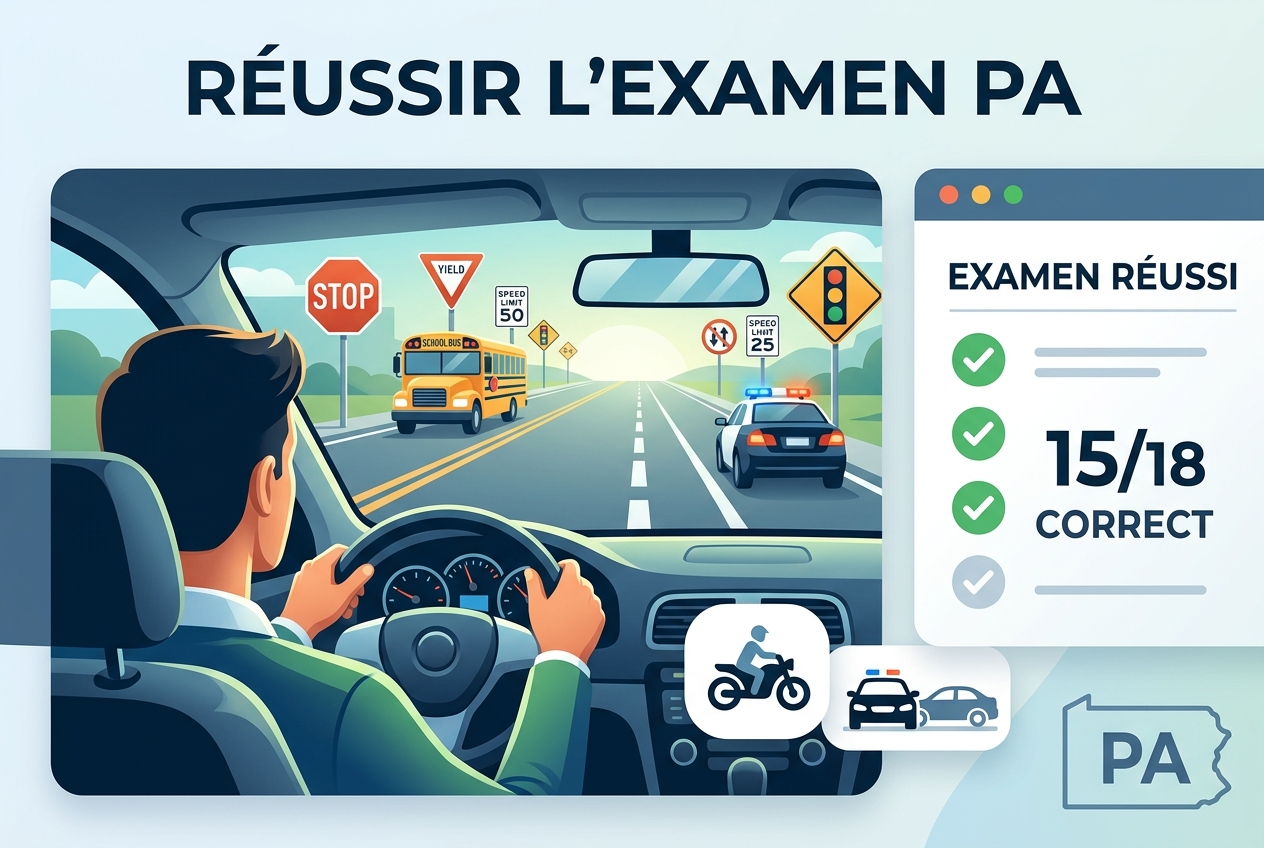
Pass the Pennsylvania Driver License Knowledge Test
You will learn to recognize and obey traffic signals, signs, and lane markings, understand right-of-way rules including those for emergency vehicles and school buses, and practice safe vehicle control and lane changes. The preparation covers the official 18-question multiple-choice exam requiring 15 correct answers to pass and emphasizes responsible driving behaviors such as sharing the road with motorcyclists and avoiding impaired driving. By rehearsing these rules and scenarios, you will finish ready to pass the Pennsylvania Driver License Knowledge Test and demonstrate safe driving knowledge.
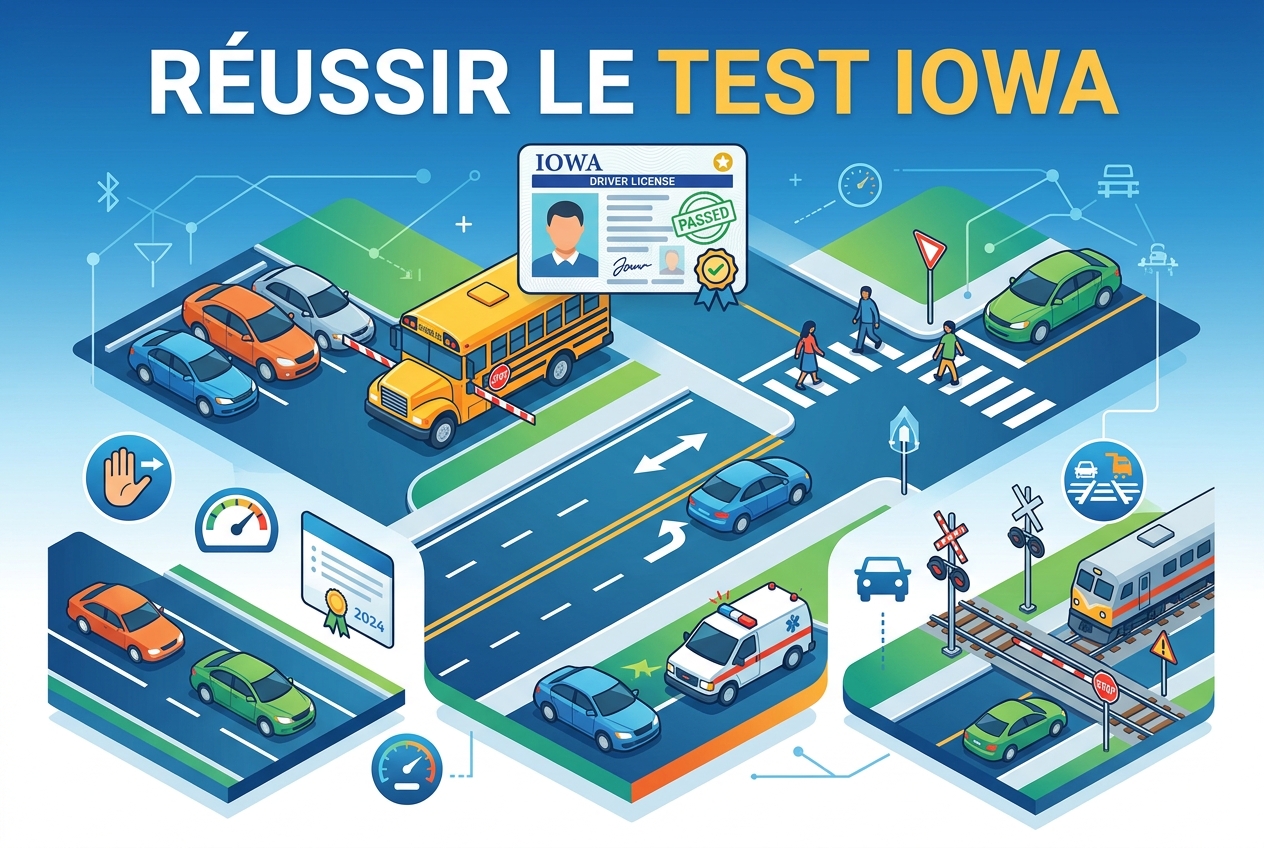
Pass the Iowa Driver License Knowledge Test
You will learn to interpret Iowa traffic rules including lane markings, right-of-way laws updated in 2024, and procedures for emergency situations such as stalled vehicles on railroad tracks. You will rehearse safe driving practices like signaling lane changes, yielding to pedestrians and emergency vehicles, and stopping for school buses. By working through these topics, you will finish ready to pass the official Iowa driver’s license knowledge test and demonstrate your preparedness to drive safely on Iowa roads.
Keep Your Alabama Professional Educator Certificate in 2026
You will complete the necessary continuation requirements during your certificate's valid period and submit your application through the ACE online system between January 1 and June 30, 2026. You will evaluate your three continuation options, including 50 clock hours of approved professional development, 3 semester hours of qualifying college credit, or renewal via National Board certification. You will verify your professional development hours or official transcripts meet Alabama’s standards and avoid common mistakes that could delay your certificate continuation.

Pass the Commercial Driver License Federal Program
You will work through the federal standards for commercial driver licensing, mastering vehicle inspection, control skills, and safety procedures. You will rehearse coupling and uncoupling combination vehicles, handling doubles and triples, transporting hazardous materials, and protecting students around school buses. You will finish ready to demonstrate safe driving practices, proper braking and air pressure control, and compliance with all federal requirements.

Pass the Texas Driver License Knowledge Test
You will learn to meet the 70% passing requirement on the Texas driver license knowledge exam by mastering essential traffic laws, signals, and safe driving practices. You will rehearse key rules such as proper responses to traffic lights, safe turning and passing procedures, and the responsibilities tied to driving privileges. By working through these topics, you will finish ready to qualify for your Texas driver license and maintain safe driving habits on the state's extensive roadways.
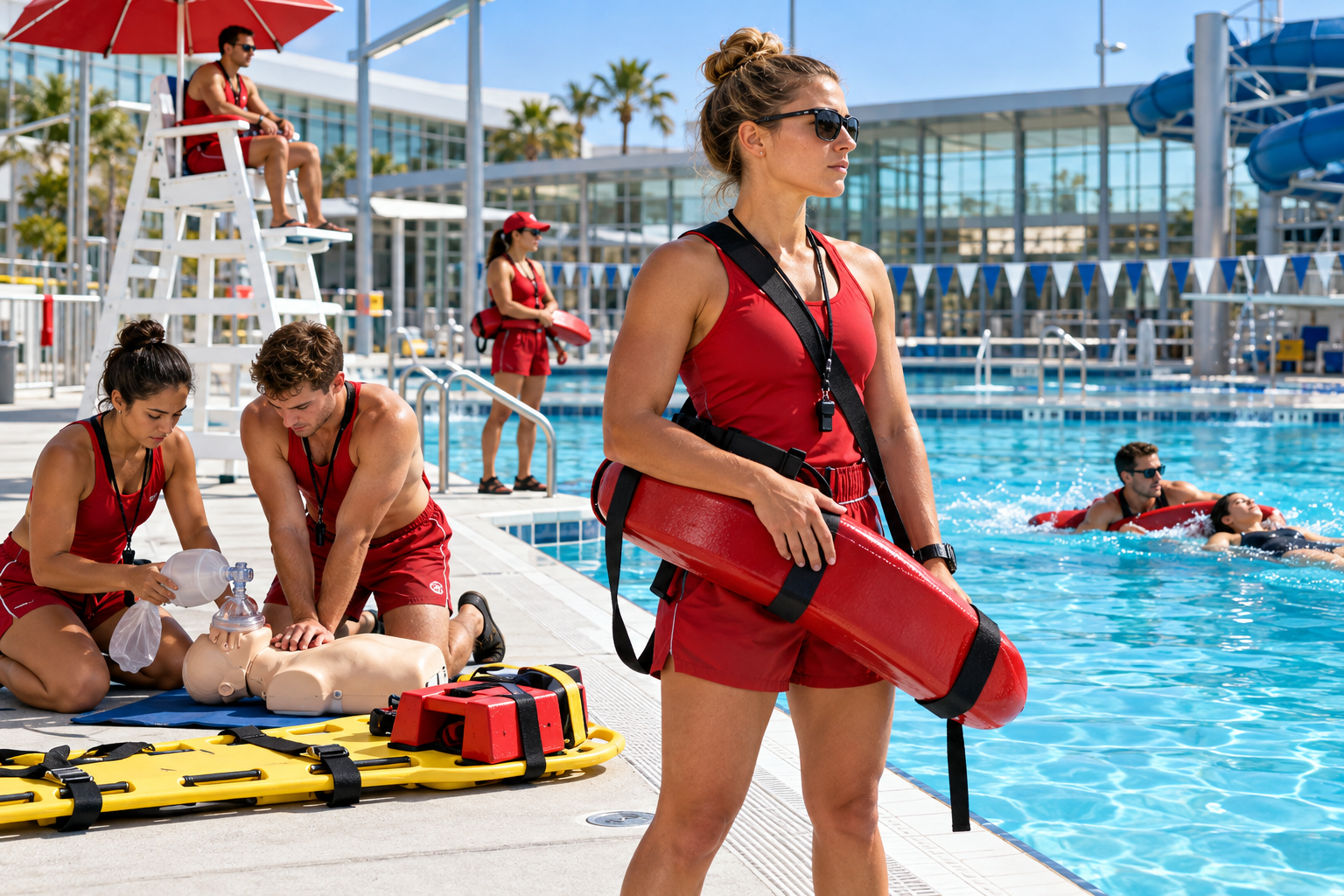
Pass the American Red Cross Lifeguarding Certification
You will learn to maintain constant, undistracted surveillance and execute smooth lifeguard rotations at both elevated and ground-level stations to ensure continuous patron safety. You will rehearse emergency action procedures including water rescues, victim assessment, airway management with devices like the Bag-Valve-Mask, and spinal injury stabilization. You will finish ready to demonstrate professionalism, injury prevention, and coordinated emergency response as required by the American Red Cross Lifeguarding standards.