Pass the Alaska Driver License Knowledge Test

About this Capsule
You will learn the legal requirements and safe driving practices necessary to obtain a driver license in Alaska. You will work through key rules such as stopping for school buses, yielding at intersections, handling emergencies like brake failure, and proper parking techniques. You will rehearse knowledge questions and finish ready to pass the official DMV exam with confidence.
Questions this capsule answers
Tap any question to get it answered inside the capsule, free.
Related in Education

An Educator's Guide to Spaced and Retrieval Practice
Much of what schools and parents assume about learning, including learning styles, doesn't survive testing. These strategies center on what does: spacing practice over time, recalling material instead of rereading it, and lesson designs backed by experiments. Comparing them shows where to put effort so kids actually remember what they learn.

Grade Retention Alternatives: Literacy Support, Tutoring, and Progress Monitoring
Repeating a grade feels like a second chance, but the evidence says it often makes things worse. These interventions offer what works instead: early literacy help, tutoring, and progress monitoring that catches struggles before retention is on the table. They differ on timing and method, and together they explain why strict hold-back policies backfire.
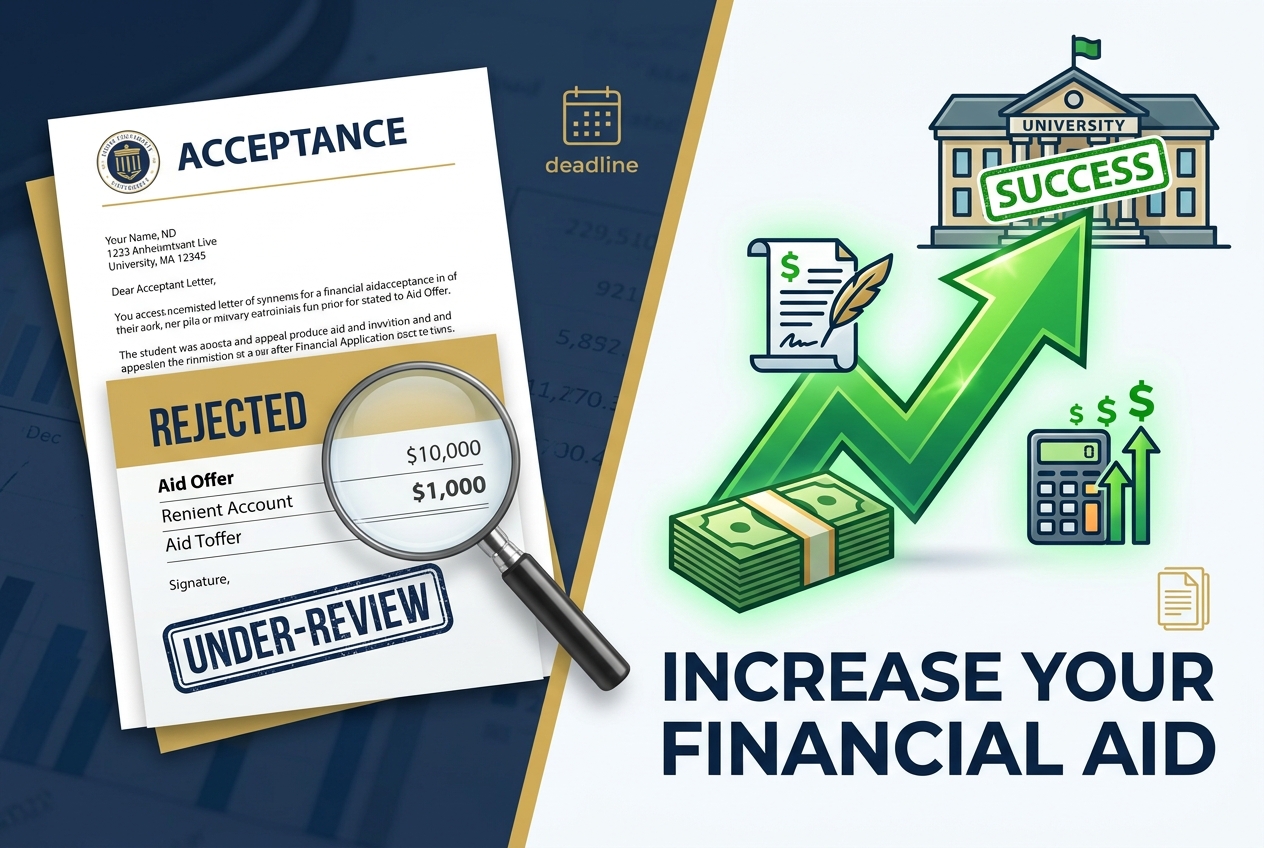
Win More Financial Aid Support Before Enrollment
You will learn how to effectively request a reconsideration of your financial aid offer by identifying special circumstances such as job loss or medical expenses not reflected in your FAFSA. You will work through drafting a clear, well-documented appeal letter that explains your changed financial situation and includes specific numbers and supporting evidence. By the end, you will be prepared to submit a compelling appeal that increases your chances of securing additional aid before enrollment deadlines.

Adult Language Learning: Critical Periods, Brain Plasticity, and Teaching
Adult language learning sits at the intersection of critical period research, brain plasticity, and classroom practice. This overview explains what neuroscience suggests about age-related advantages and limits, how adults can still develop strong language skills, and how teaching can adapt for children and adult learners.