
Explore Capsules
22 capsules

A Founder's Guide to Choosing LLC, S-Corp, or C-Corp
Your choice of LLC, S-Corp, or C-Corp shapes your tax bill, paperwork burden, and eventual exit for years. The options split between simplicity-first thinking, where an LLC fits most small businesses, and growth-first thinking, where C-Corp advantages and S-Corp salary rules pay off at scale. Match the trade-offs to your profit level and plans before you file.

A Host's Handbook to Short-Term Rental Costs and Compliance
Short-term rental economics hinge on complex factors like occupancy calculations, local regulations, and hidden costs that can dramatically affect profitability. These factors differ in how they enforce registration, tax collection, and penalties, shaping whether hosting is sustainable or risky. Understanding these factors helps hosts navigate legal hurdles, avoid costly fines, and make informed decisions about managing rentals.

The Executor's Guide to Estate Debts and Personal Liability
Being an executor means handling estate debts and taxes before giving out assets to heirs. Many fail to prioritize creditor claims or meet deadlines, exposing themselves to personal liability. Following strict probate rules and acting as a loyal fiduciary protects executors from costly lawsuits and financial loss.

Managing Equity and Intellectual Property for Startup Founders
Startup founders must establish clear legal and financial foundations by appointing a Delaware registered agent if not physically located in Delaware, assigning all intellectual property in writing to the company, and implementing founder equity vesting schedules with a typical four-year term and one-year cliff. Founders also need to file 83(b) elections within 30 days of receiving equity to optimize tax benefits and comply with Delaware’s annual franchise tax and reporting requirements. Additionally, understanding the conversion of SAFEs and notes during priced rounds and securing an EIN after incorporation are essential steps to maintain compliance and protect ownership interests.

Compare Renting and Buying by Calculating True Costs and Opportunity
Deciding whether to rent or buy requires accounting for all ownership costs—mortgage interest, property taxes, insurance, maintenance, and transaction fees—plus the opportunity cost of capital tied up in a home. By including these factors and comparing them to potential investment returns, such as a 7% to 10% annual gain from stock index funds, you can accurately assess when buying builds wealth and when renting plus investing may lead to greater financial independence. This approach enables you to run personalized calculations before committing to a home purchase.

The Road to Wealth with Rental Assets: The Benefits and the Hidden Downside
Rental assets can build wealth through cash flow, equity growth, leverage, and tax advantages, but they also demand capital, discipline, and active risk management. Readers will learn how rental property income works, why it can accelerate long-term wealth, and where hidden costs, vacancies, debt pressure, maintenance, and market shifts can undermine returns.

Get Approval for California Proposition 19 Property Tax Exclusions
You will prepare a complete and compliant filing for California Proposition 19 property tax exclusions by assembling required documentation, correctly calculating inherited property basis using fair market value or estate tax return values, and proving qualifying family relationships with signed certifications under penalty of perjury. You will rehearse meeting strict deadlines and structuring ownership—especially with LLCs—to avoid reassessment triggers. By working through these steps in order, you will finish ready to submit an airtight claim that satisfies all county assessor requirements under the 2024 rules.
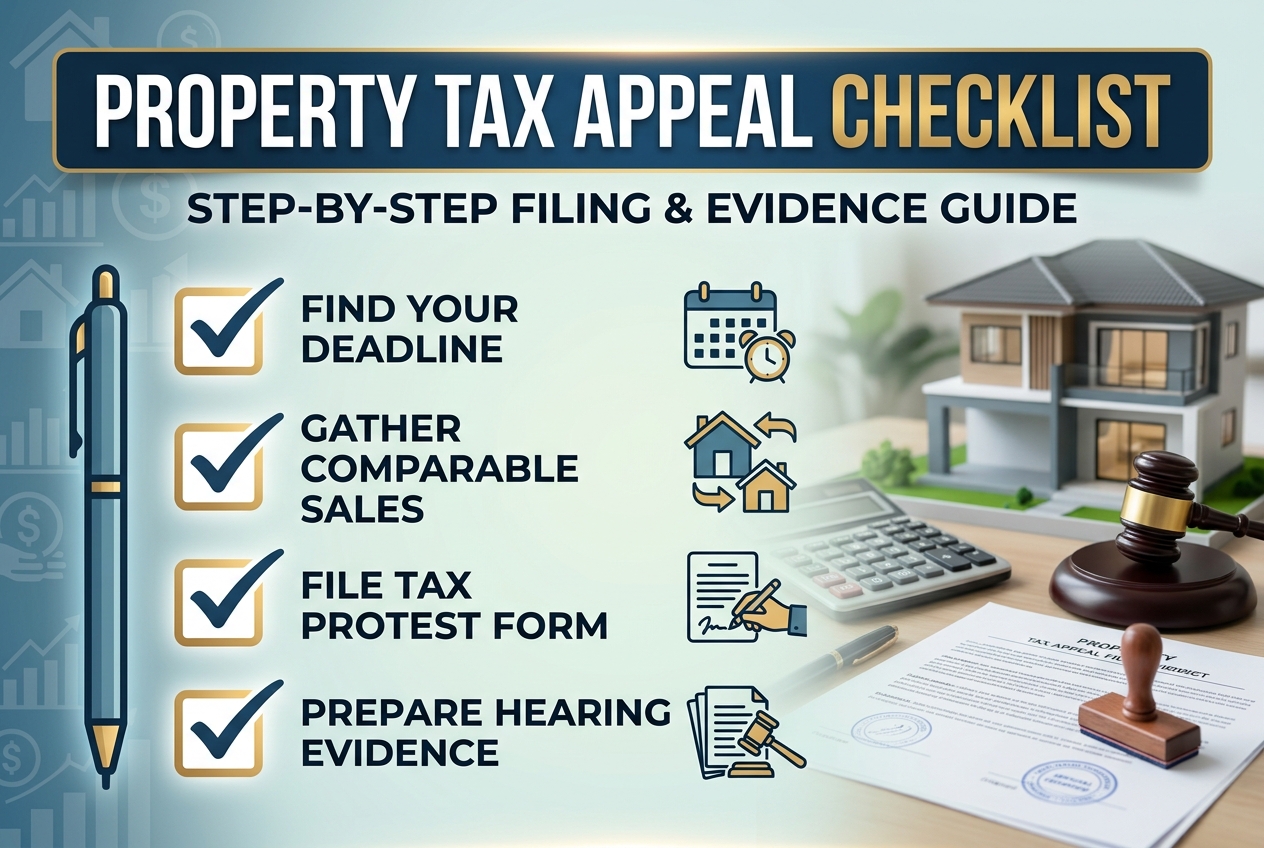
Property Tax Appeal Filing and Evidence Checklist
Property tax appeals require strict adherence to filing deadlines and the submission of compelling evidence to challenge an assessment effectively. You will work through identifying your exact deadline, assembling comparable sales data, filing your protest correctly, and preparing for the hearing. By the end, you will be ready to present a complete appeal that meets all procedural requirements and maximizes your chances of reducing your property tax.

The Tech Worker’s Guide to San Francisco Housing Decisions
Deciding whether to buy or rent in the San Francisco Bay Area on a tech salary involves weighing high ownership costs against renting savings and long-term financial assumptions. Approaches differ on how to model expenses like property taxes, mortgage interest, and opportunity costs, and whether to factor in personal safety nets or expert real estate guidance. Understanding these varied approaches helps clarify when buying makes sense despite the steep price gap and when renting remains the smarter choice.
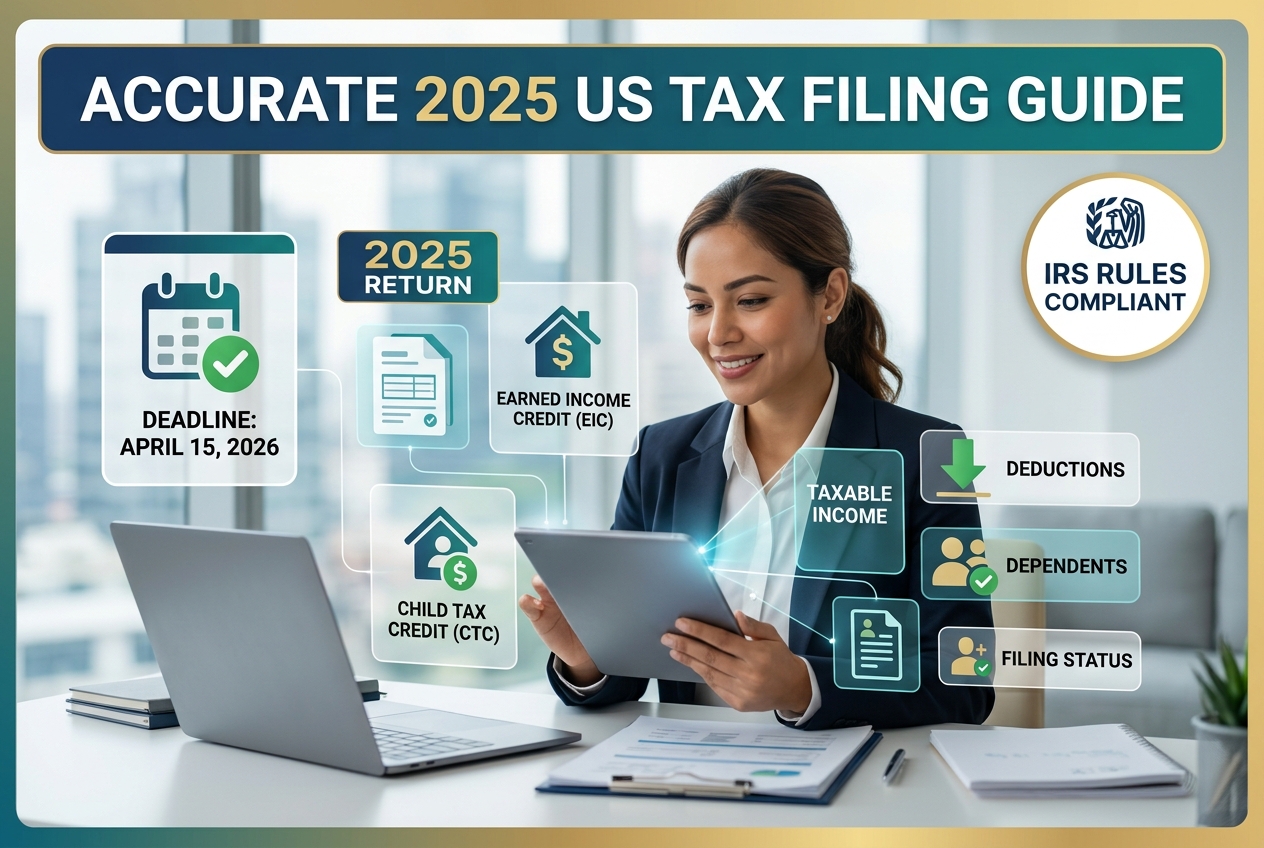
File the 2025 US Federal Income Tax Return Accurately
You will work through the 2025 federal income tax filing requirements, including determining filing necessity, reporting income, selecting filing status, and claiming dependents with valid Social Security numbers. You will rehearse calculating deductions, credits such as the Earned Income Credit and Child Tax Credit with their income limits, and applying spouse relief provisions. You will finish ready to submit your return by the deadline while avoiding common errors and verifying all payments and credits align with the 2025 tax rules.