
Capsules Finance
14 capsules

Guide pour les enfants adultes sur les soins et les finances des parents âgés
Discuter d'argent et de soins avec des parents vieillissants avant une crise permet d'éviter confusion et conflits par la suite. Les étapes diffèrent selon la manière d'organiser les documents importants, de poser des limites éthiques et de se préparer légalement et financièrement aux besoins futurs. Vous apprendrez comment rassembler et sécuriser les informations essentielles, planifier les coûts des soins à long terme et garantir un accès fluide aux comptes et aux décisions le moment venu.

Le guide du conducteur sur les coûts d'achat et de location de voiture
Une voiture est l'un des plus gros chèques que vous écrirez jamais, et le prix affiché ne vous dit presque rien sur ce qu'elle coûte réellement. Ces analyses diffèrent selon ce qui influence le total : certaines suivent le coût par mile et les frais de retour de location, d'autres évaluent le risque d'entretien, la valeur de revente ou comment traduire les taux de location en une comparaison équitable avec l'achat. Adaptez les chiffres à vos propres habitudes de conduite et à votre budget, et vous pourrez choisir l'option qui vous fait vraiment économiser de l'argent.
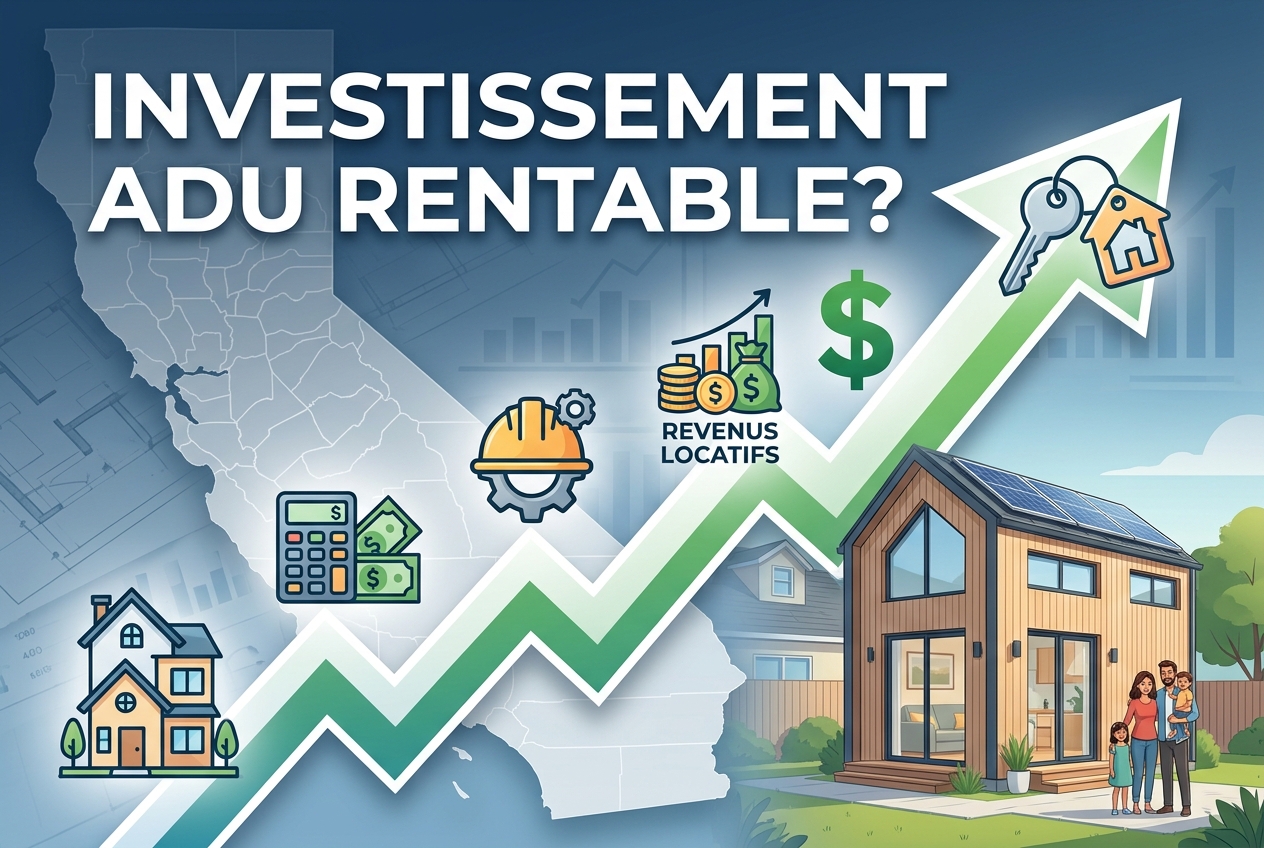
Guide du propriétaire californien sur les règles, coûts et financements des ADU
Construire ou acheter une maison avec une unité d’habitation accessoire (ADU) en Californie implique de naviguer dans des règles complexes concernant les frais d’impact, les exigences de sécurité incendie et les permis d’eau, qui peuvent affecter significativement les coûts et les délais du projet. Les options de financement varient largement — des prêts construction à l’utilisation de comptes de retraite — chaque approche comportant des risques et avantages différents. Comprendre ces options aide à déterminer si l’investissement est financièrement pertinent compte tenu des réglementations locales et des conditions du marché.

Achat Immobilier à Hawaï : Bail, Pleine Propriété et Coûts Cachés
Posséder une maison à Hawaï implique des coûts cachés qui varient considérablement selon que vous achetiez un bien en bail ou en pleine propriété. La propriété en bail comporte des risques tels que la perte d’accès à l’expiration du bail, des difficultés de financement et une expulsion possible sans compensation, tandis que la pleine propriété offre une possession complète mais avec ses propres frais. Comprendre ces différents coûts vous aide à éviter les surprises et à prendre une décision éclairée sur le véritable prix du paradis.

Le logement à Austin après le boom : coûts, taxes et compromis
Le marché immobilier d’Austin a connu un changement radical après une flambée liée à la pandémie suivie d’une forte correction des prix, remettant en question l’idée que l’achat est toujours le choix le plus judicieux. Des facteurs clés comme les règles de la taxe foncière, les frais des districts spéciaux et les comparables locaux révèlent des impacts financiers différents pour les acheteurs et les locataires. Comprendre ces éléments vous aide à évaluer l’accessibilité, les avantages fiscaux et les coûts à long terme pour décider ce qui correspond vraiment à votre situation.

Âges de demande de la Sécurité sociale : prestations, Medicare et points d’équilibre
Le choix du moment pour demander la Sécurité sociale influence votre prestation mensuelle, votre revenu total à vie et votre éligibilité à Medicare. Différents âges de demande impliquent des compromis liés aux points d’équilibre, aux coûts d’opportunité d’investissement et aux prestations familiales, notamment pour les couples. Comprendre ces différences vous aide, vous ou votre parent, à choisir l’âge de demande qui correspond le mieux à l’espérance de vie prévue, aux besoins de couverture santé et aux objectifs financiers.
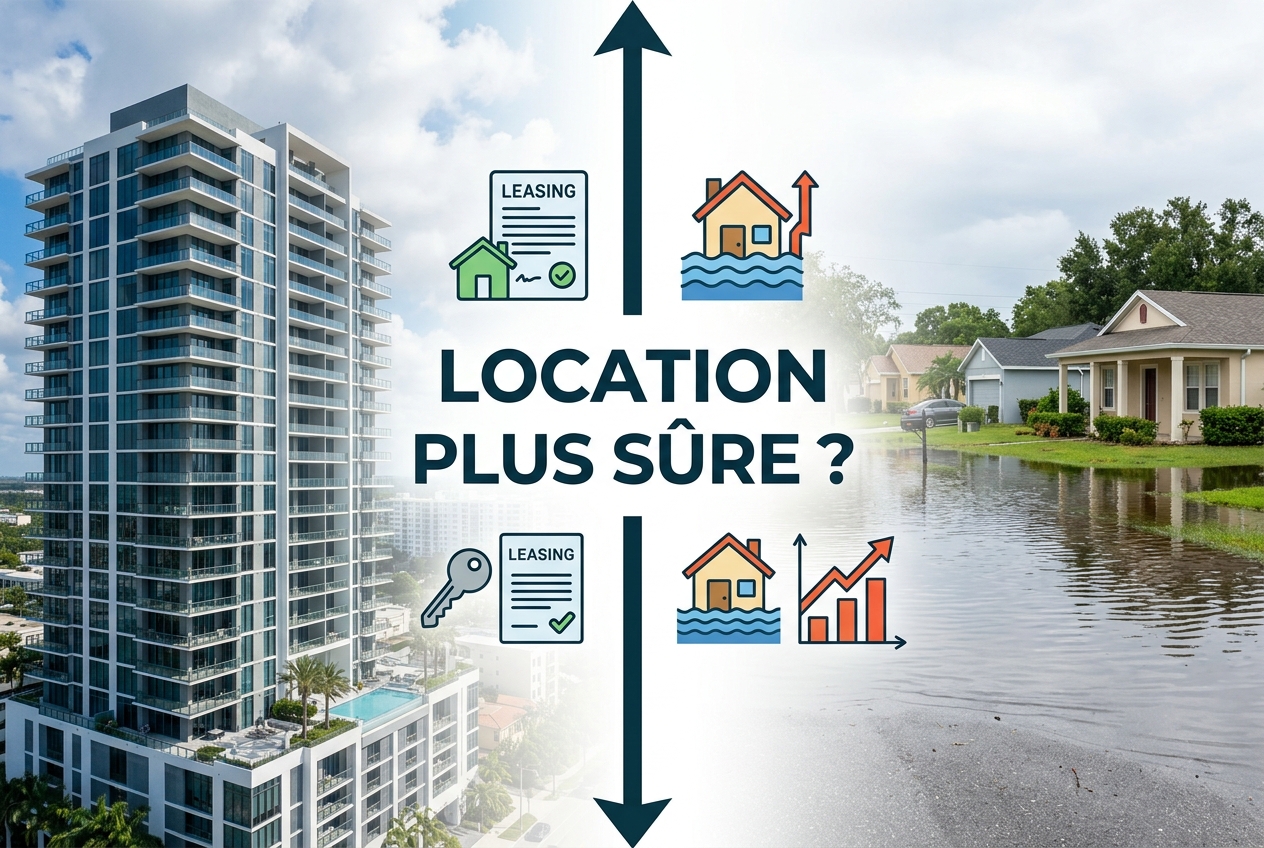
Risques de propriété à Miami : assurance, inondations et l’argument en faveur de la location
La flambée des primes d’assurance et les menaces climatiques imprévisibles redéfinissent la réalité financière de la propriété immobilière à Miami. Contrairement aux idées reçues favorisant l’achat, la forte augmentation des coûts d’assurance et des risques d’inondation peut rendre les mensualités hypothécaires inabordables et menacer la valeur des biens. Les locataires évitent ces dépenses et incertitudes croissantes, faisant de la location un choix financièrement plus judicieux dans cet environnement à haut risque.

Mathématiques du logement à Irvine : Pourquoi louer plutôt qu’acheter
À Irvine, en Californie, les prix de l’immobilier chutent rarement, mais posséder une maison coûte généralement des milliers de dollars de plus par mois que la location, remettant en cause le calcul habituel selon lequel acheter est toujours avantageux financièrement. Contrairement aux idées reçues, vendre une maison n’élimine pas les coûts liés au logement, et les acheteurs font face à des risques tels que la hausse des taux d’intérêt, l’augmentation des taxes foncières après réévaluation, et des réparations coûteuses. Comprendre ces réalités permet d’éviter de trop payer et de perdre en mobilité dans un marché où les prix se stabilisent sans s’effondrer.

Respectez les délais et coûts liés à la taxe foncière au Texas
Vous allez parcourir les échéances et exigences cruciales pour la propriété immobilière au Texas, notamment le dépôt d’un Avis de Contestation avant le 15 mai ou dans les 30 jours suivant la réception de votre avis d’évaluation. Vous comprendrez comment gérer les coûts de conformité à l’emménagement, maîtriser les charges des districts contractuels telles que les frais MUD et PID qui peuvent ajouter des milliers de dollars par an, et souscrire une assurance météo avant les tempêtes. À la fin, vous serez prêt à respecter les quatre échéances clés qui protègent vos droits légaux et contrôlent vos dépenses dans la propriété au Texas.

Guide de l'acheteur immobilier à Denver sur le risque d'incendie de forêt et la location
La décision d'acheter ou de louer à Denver dépend de facteurs tels que le risque d'incendie de forêt, le coût de l'assurance et les responsabilités liées aux associations de propriétaires. Les zones sujettes aux incendies peuvent faire grimper considérablement les primes d'assurance et nécessiter des mesures de mitigation coûteuses, tandis que les frais de copropriété et les obligations d'entretien augmentent les dépenses liées à la propriété. Comprendre ces éléments vous aide à évaluer les coûts mensuels et les risques pour choisir l'option la mieux adaptée à votre mode de vie et à votre budget.

Comparer la location et l’achat en calculant les coûts réels et le coût d’opportunité
Décider de louer ou d’acheter nécessite de prendre en compte tous les coûts liés à la propriété — intérêts hypothécaires, taxes foncières, assurance, entretien et frais de transaction — ainsi que le coût d’opportunité du capital immobilisé dans un logement. En incluant ces facteurs et en les comparant aux rendements potentiels d’investissements, comme un gain annuel de 7 % à 10 % via des fonds indiciels boursiers, vous pouvez évaluer précisément quand l’achat crée de la richesse et quand louer tout en investissant peut conduire à une plus grande indépendance financière. Cette approche vous permet d’effectuer des calculs personnalisés avant de vous engager dans un achat immobilier.

La voie vers la richesse avec les biens locatifs : les avantages et les inconvénients cachés
Les biens locatifs peuvent générer de la richesse grâce aux flux de trésorerie, à la croissance de l'équité, à l'effet de levier et aux avantages fiscaux, mais ils nécessitent également du capital, de la discipline et une gestion active des risques. Les lecteurs apprendront comment fonctionne le revenu des propriétés locatives, pourquoi il peut accélérer la richesse à long terme, et où les coûts cachés, les vacances locatives, la pression de la dette, l'entretien et les fluctuations du marché peuvent nuire aux rendements.