Femmes et charges lourdes : hormones, croissance musculaire et force
De sources originales
À propos de cette capsule
La peur de devenir volumineuse empêche de nombreuses femmes de soulever des charges lourdes, mais la biologie dit le contraire. Ces explications couvrent comment des hormones comme la testostérone limitent la taille musculaire, ce que montrent réellement les recherches sur les différences entre sexes, et pourquoi un entraînement lourd est à la fois sûr et efficace. Vous pouvez décider comment aborder le travail de force sans que la crainte du volume ne vous freine.
4 explications claires pourquoi les femmes ne deviennent pas volumineuses
Les hormones expliquent pourquoi les femmes ne deviennent pas volumineuses.
Essayez de demander : « Pourquoi la musculation lourde rend-elle rarement les femmes volumineuses ? »
Différences entre sexes dans la recherche sur la performance sportive
Essayez de demander : « Une faible testostérone suffit-elle à expliquer pourquoi la musculation lourde ne rend pas les femmes volumineuses ? »
Guider les femmes pour qu’elles s’entraînent sans peur.
La musculation lourde est sûre et efficace pour les femmes.
Femmes et charges lourdes : hormones, croissance musculaire et force
Capxule Fitness
Voir le profil
Similaires dans Fitness
Le guide de l’athlète sur le repos, la glace et la récupération active
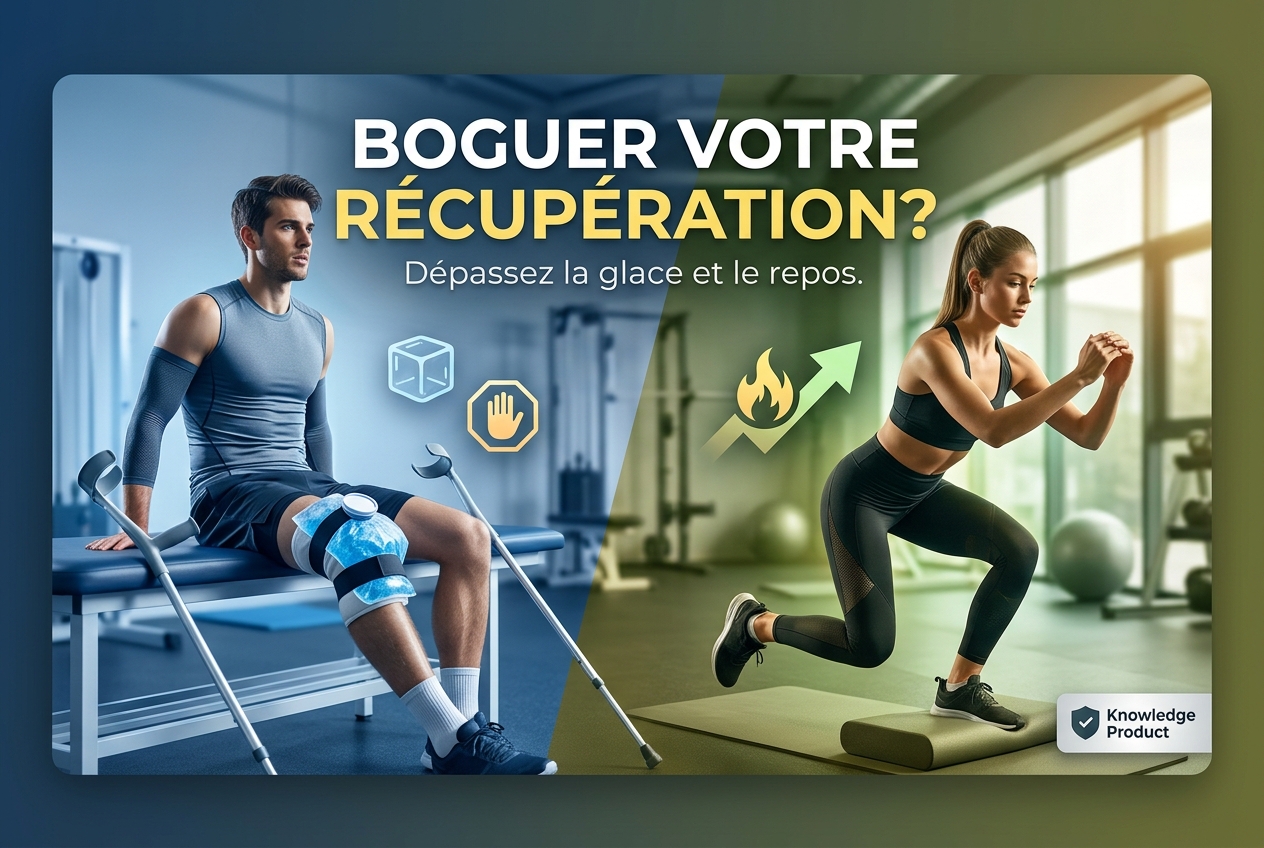
Le repos, la glace et la récupération active ont chacun leur place dans la guérison des blessures sportives, mais leur valeur dépend du moment, du type de blessure et des objectifs de retour au jeu de l’athlète. Les lecteurs apprendront comment le mouvement contrôlé, la gestion intelligente de la charge, la surveillance des symptômes et la préparation psychologique s’articulent pour soutenir la guérison sans précipiter le processus.

Frais de Coaching Personnel : Propriété, Revenus et Contrôle
Lorsque vous payez pour un coaching personnel, la répartition entre les propriétaires de salles de sport et les coachs détermine qui gagne quoi et qui contrôle vos séances. Les modèles diffèrent selon la propriété des clients, la répartition des honoraires et l'indépendance des coachs, révélant pourquoi certains coachs gagnent plus en gérant leurs propres clients et emplois du temps tandis que d'autres travaillent sous des politiques de salle qui limitent leur revenu net. Comprendre ces modèles aide coachs et clients à saisir la véritable économie derrière les frais de coaching personnel et les compromis entre commodité, contrôle et revenus.

Guide du débutant pour des abdominaux visibles : perte de graisse, nutrition, entraînement du tronc
Obtenir des abdominaux visibles dépend principalement de la réduction de la masse grasse grâce à un déficit calorique constant, combiné à une alimentation nutritive et un entraînement progressif et sécurisé du tronc. Les solutions rapides comme les thés détox peuvent entraîner de graves risques pour la santé, notamment des déséquilibres électrolytiques et des lésions hépatiques, et ne permettent pas de révéler efficacement les abdominaux. Gérer l'apport en sodium pour réduire les ballonnements et suivre précisément la nutrition sont des étapes clés sur la voie honnête vers des abdominaux définis.
Guide du coureur pour la prévention des blessures : force, cadence et foulée
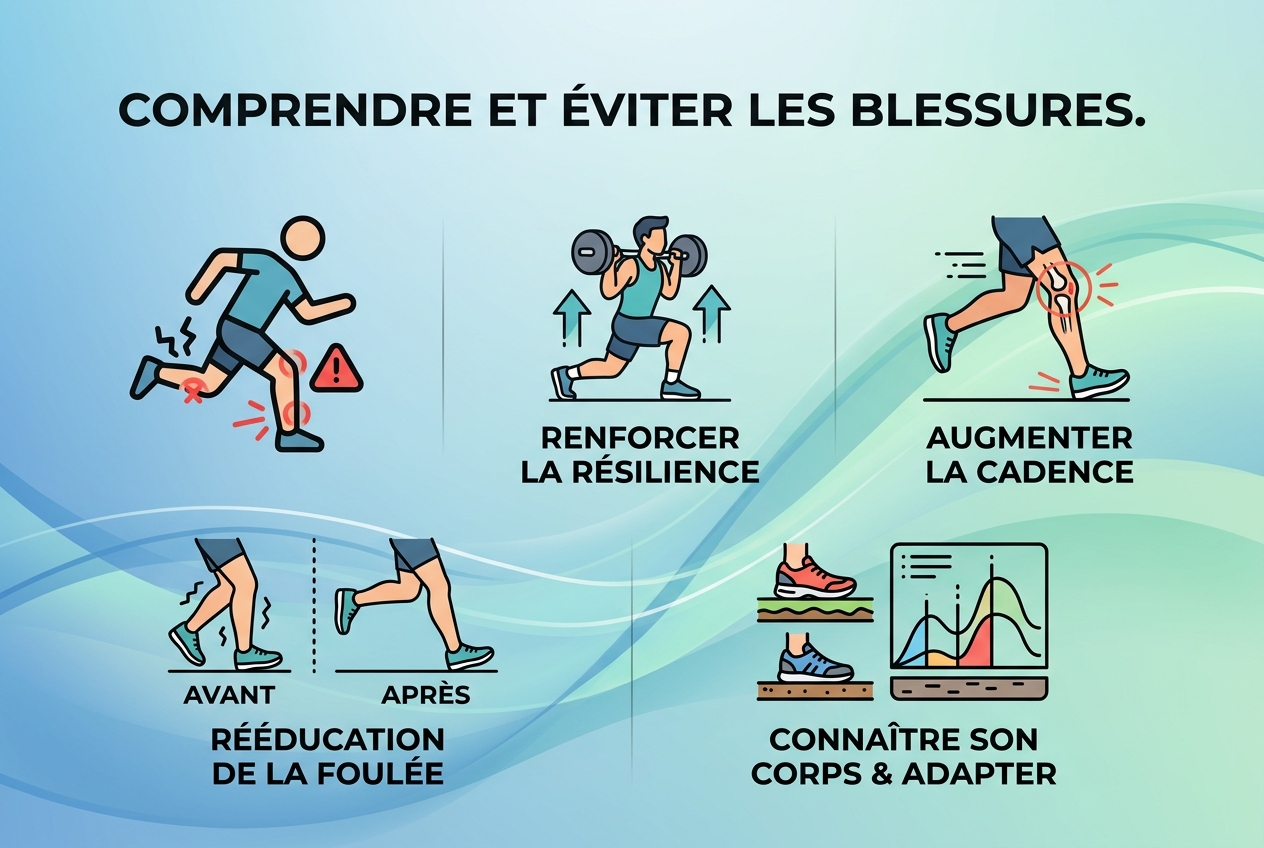
Les blessures liées à la course sont fréquentes, mais la meilleure prévention fait débat. Ces solutions vont de l'entraînement en force qui renforce la résilience et l'augmentation de la cadence pour réduire le stress articulaire, à la rééducation structurée de la foulée et à l'argument selon lequel les forces d'impact comptent moins qu'on ne le pense. Vous pouvez choisir l'approche qui correspond à votre foulée et à votre historique de blessures.