
Capxule Fitness
par CapxuleHub Fitness · Inscrit le juin 2026
Capsules
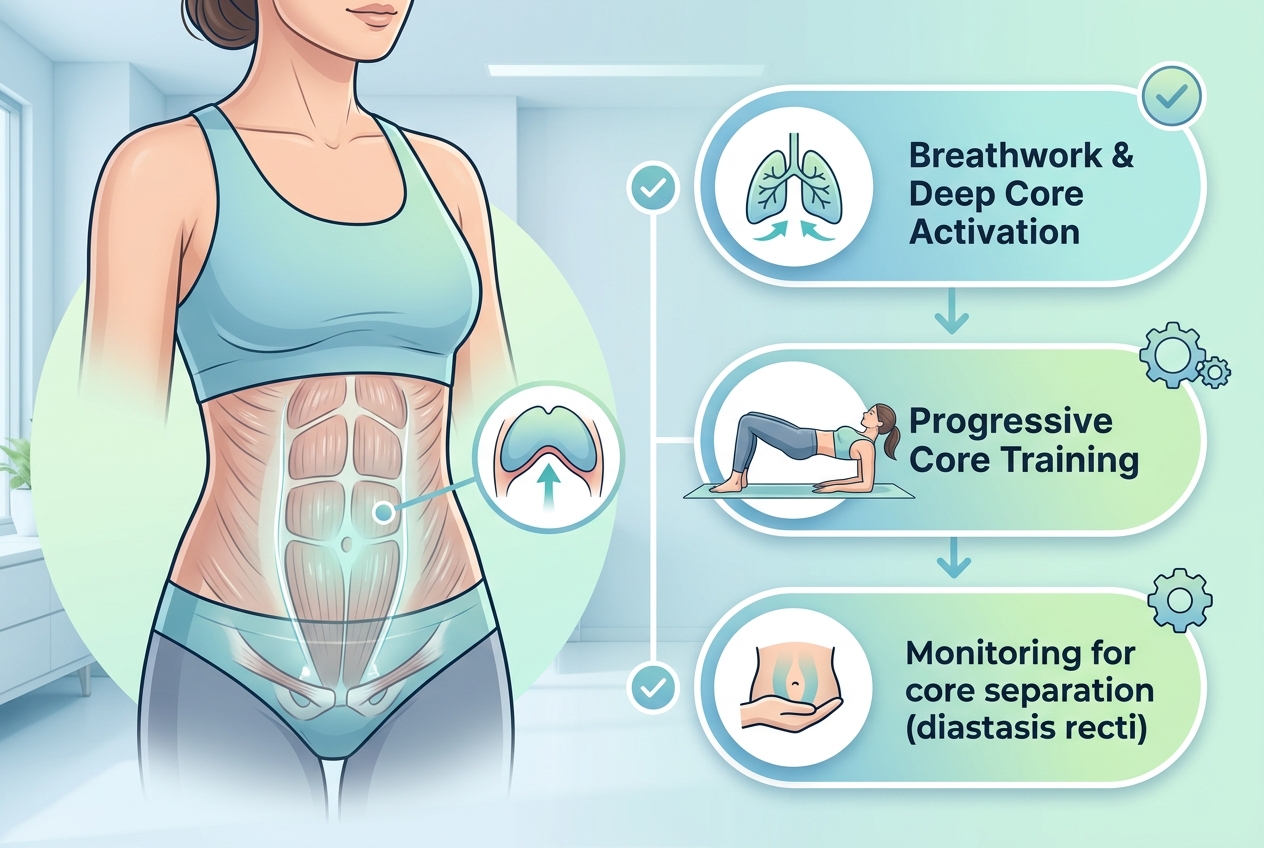
A New Mother's Plan for Postpartum Core and Pelvic Floor Recovery
After giving birth, jumping straight into ab workouts can set recovery back. These steps sequence the comeback from breathing and pelvic floor work up to specific programming and managing abdominal separation, and they split on how cautious or assertive to be along the way. Weigh what the evidence supports and pace a recovery that fits your body.
Budget Home Gym Essentials: Equipment, Space, and Cost
Building a home gym on a budget forces choices about cost, space, and versatility. These essentials disagree on the starting point: a few multi-use pieces bought gradually, adjustable dumbbells as the core investment, or a pull-up bar as the best value per dollar. Comparing them shapes a setup that matches your routine and your room.

The Beginner Lifter's Guide to Sustainable Strength Programs
Beginners make their fastest strength gains early, which is exactly when bad programs waste the most. These methods differ on training frequency, full-body versus split routines, rest, and how quickly to add weight. Setting them side by side helps you pick a plan you can sustain past the honeymoon.

A Runner's Guide to Cushioning, Stability, and Injury Risk
More cushion feels protective, but whether it actually lowers injury risk or quietly changes your stride is genuinely unsettled. These views split over cost and expert opinion, the research methods behind the claims, and the personal trade-off between cushion and stability. See where they clash so you can choose what fits your stride and mileage.

A Walker's Guide to Daily Steps and Lifelong Health
The 10,000-step target is more marketing than science, and the real advice varies. These ways cover why 7,000 to 8,000 steps may be the sweet spot, how consistent small walks reshape your body over weeks, whether adding weight with a rucksack helps, and why gentle movement protects muscle and longevity. You can decide which fits your life and goals.

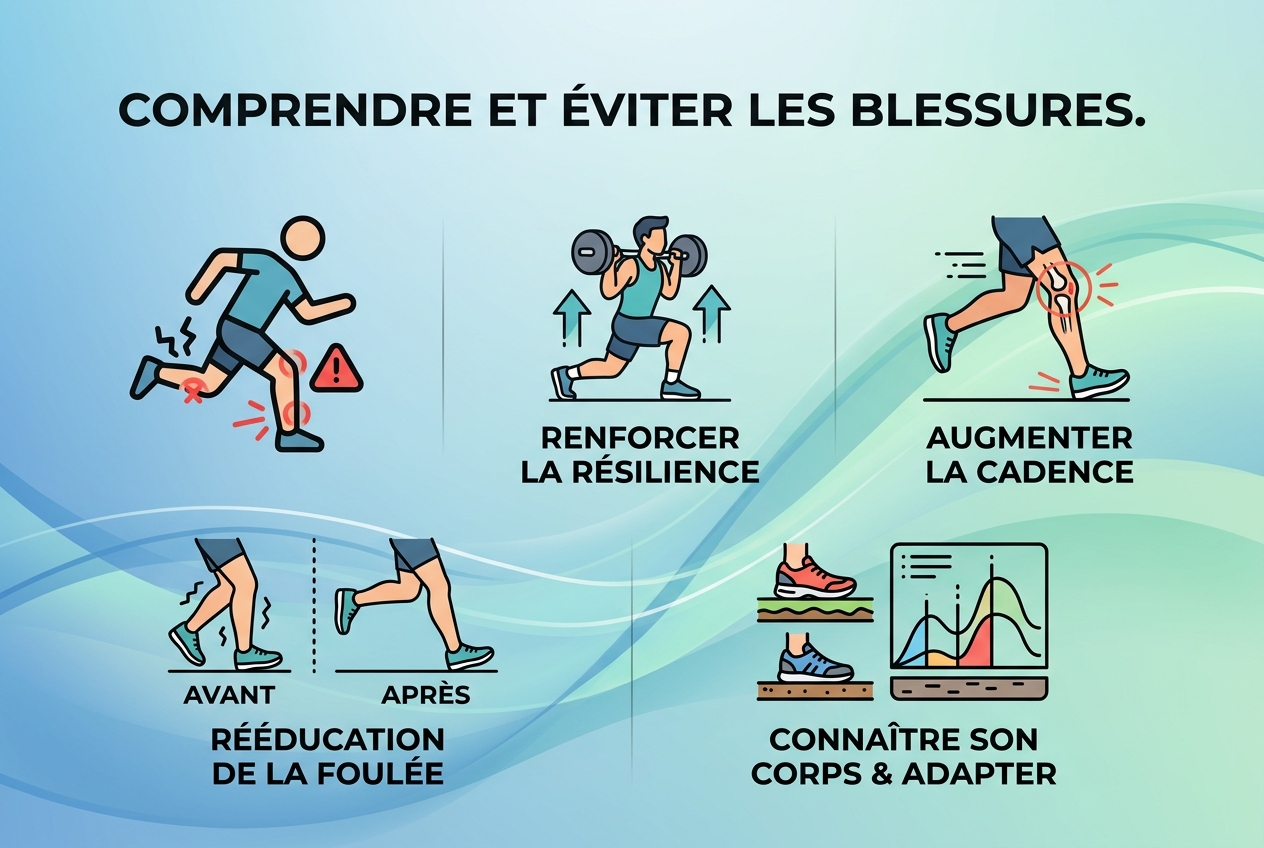
A Runner's Guide to Injury Prevention: Strength, Cadence, and Gait
Running injuries are common, but the best prevention is contested. These fixes range from strength training that builds resilience and raising your cadence to ease joint stress, to structured gait retraining and the argument that impact forces matter less than we think. You can decide which approach fits your stride and your injury history.
Exercise Settings and Mental Health: Evidence, Motivation, and Fit
Outdoor workouts are praised as a mood cure, yet much of that research is thinner than it looks. Gym, park, or living room, the setting may matter less, or more, than you think, depending on what you need exercise to do for you.

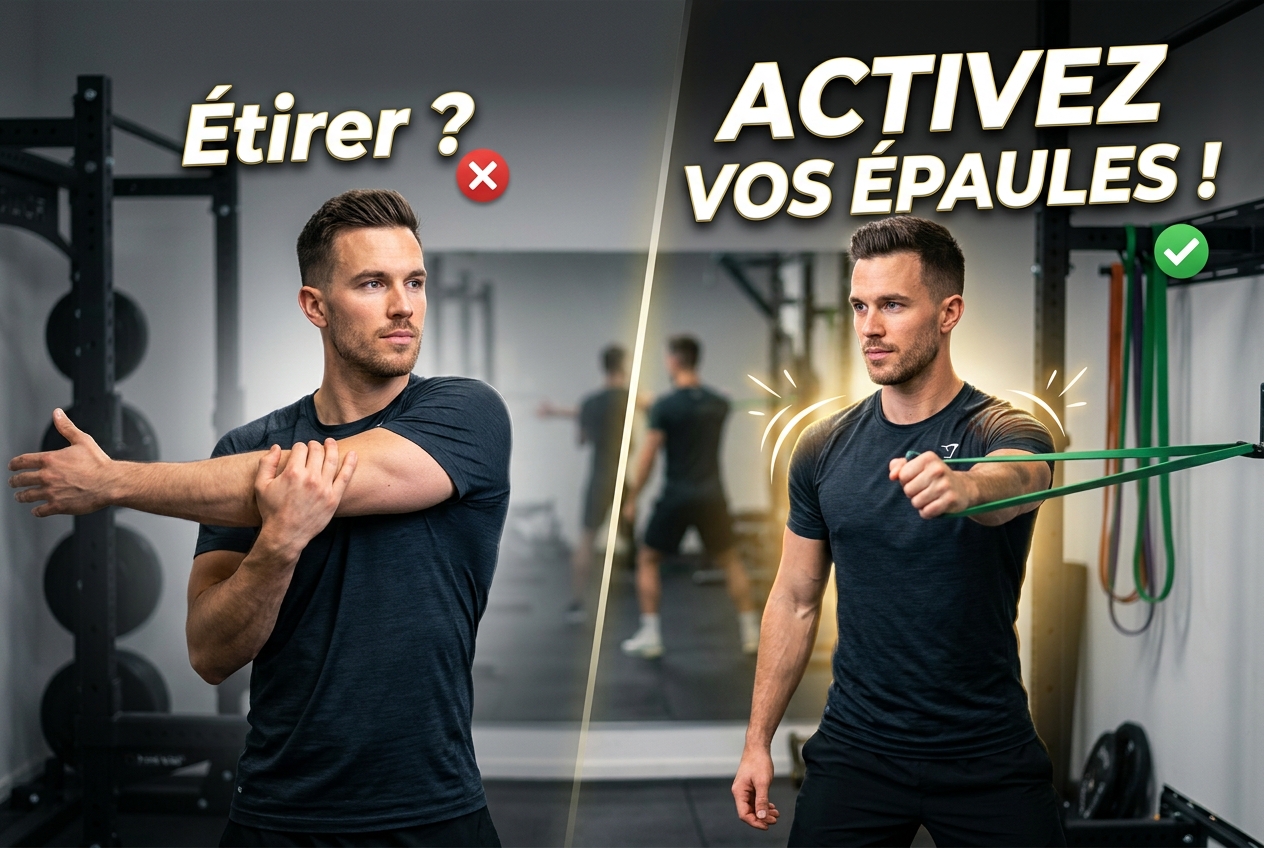
Dynamic Shoulder Warm-Ups: Controlled Movement for Safer Lifting
Static stretching before a workout holds your shoulder muscles still exactly when they need to switch on. The case here is that dynamic warm-ups built on controlled rotations, resistance bands, and scapular activation wake up the stabilizer muscles and build the joint awareness that actually prevents injury. Trading your pre-lift stretches for controlled movement prepares your shoulders for real load.

The Athlete's Handbook to Warm-Ups, Stretching, and Timing
The pre-workout static stretch you learned in gym class may reduce power without preventing a single injury. These recommendations split on what replaces it: dynamic movements that wake up muscles and nerves, sport-specific warm-ups, or saving static stretching for after the session when it aids flexibility and recovery. Where they differ is timing, and timing turns out to be most of the answer.

A Hot Yoga Practitioner's Guide to Hydration and Heat Safety
A room cranked past 100 degrees pushes your body in ways a normal class doesn't, and the safety advice isn't settled. These views differ on strict hydration schedules versus drinking to thirst, the role of electrolytes, how to catch heat-stress symptoms, and how much to trust the research behind it all. Weigh them to set your own hydration and heat plan.

The Exerciser's Guide to Weight, Health, and Habit
Exercise affects weight, health, and daily routine in different ways, and each goal calls for a different strategy. Readers will learn how to separate fat loss from broader health gains, understand the role of diet, and build forms of movement that are realistic, rewarding, and sustainable.

Interval Training's Fat Loss Edge: Missing Data and Cardio Evidence
The cardio-versus-intervals argument drags on partly because fat loss studies are riddled with dropouts and missing measurements. This take argues that when those gaps are filled with rigorous statistical methods instead of ignored, high intensity interval training pulls clearly ahead of steady state cardio. If you care what the evidence really says, the way researchers handle incomplete data should change which workout you trust.

Women and Heavy Weights: Hormones, Muscle Growth, and Strength
Fear of getting bulky keeps many women away from heavy weights, but the biology says otherwise. These explanations cover how hormones like testosterone limit muscle size, what sex-difference research actually shows, and why heavy training is both safe and effective. You can decide how to approach strength work without the bulk worry holding you back.

A Fitness Beginner's Guide to Soreness and Progress
Soreness is a common part of starting fitness, but it is not the same as progress. Learn how to distinguish normal muscle discomfort from meaningful improvement, why strength and consistency matter more than next-day pain, and how to track gains without relying on soreness as proof that a workout worked.

A Lifter's Playbook to Effort, Failure, and Recovery
Grinding every set until you physically cannot move the weight feels hardcore, but it may be quietly stalling your progress. These methods differ on how to dose effort instead: rating how hard a set feels, leaving repetitions in reserve, and protecting recovery so fatigue does not swallow your gains. Compare them and you can decide exactly when pushing to failure earns its cost and when to rack the bar early.

The Dieter's Guide to Cardio, Calories, and Sustainable Fat Loss
Sustainable fat loss depends on understanding how cardio, calorie intake, protein, recovery, and daily constraints work together. This guide explains where exercise helps, where nutrition does more of the work, and how sleep, stress, and consistency affect progress. Readers will be able to place cardio in its proper role and build a fat-loss plan they can maintain.

The Exerciser's Playbook for Fitness Beyond the Scale
Fitness beyond the scale means measuring progress by strength, cardiovascular health, injury resistance, and consistency in real life. Readers learn how to build capacity gradually, tailor training to their own body and circumstances, and judge fitness claims with a clear eye for where the evidence is strong or limited.

Cold Plunges and Fitness: Muscle Growth, Recovery, and Evidence
Ice baths are everywhere in fitness culture, but the science behind them is shakier than the enthusiasm. These claims differ on whether cold water after lifting actually blunts muscle growth, whether the recovery and weight loss benefits hold up, and how strong the underlying evidence really is. You'll be able to decide if, when, and how a cold plunge belongs in your routine.

A Woman's Guide to Creatine After 40: Safety, Dosing, Sources
Creatine can support strength, muscle maintenance, and healthy aging for women after 40 when it is used with clear attention to safety, dose, and product quality. Readers will learn how creatine works, how to evaluate common forms and sources, and how to make informed choices that fit their health goals and conversations with a clinician.

Personal Training Fees: Ownership, Income, and Control
When you pay for personal training, the split between gym owners and trainers shapes who earns what and who controls your sessions. Models differ on client ownership, fee distribution, and trainer independence, revealing why some trainers earn more by managing their own clients and schedules while others work under gym policies that limit their take-home pay. Understanding these models helps trainers and clients see the real economics behind personal training fees and the trade-offs between convenience, control, and income.

A Dieter's Guide to Preserving Muscle During Weight Loss
Losing weight without losing muscle requires more than just cutting calories. The strategies differ on how to balance diet, strength training intensity, and protein intake to protect muscle mass. Some focus on steady, moderate calorie deficits combined with progressive strength training, while others emphasize the timing and type of exercise or prioritize protein to support muscle repair. Understanding these approaches helps you choose the best path to lose fat while keeping your strength and muscle intact.

The Beginner's Guide to Visible Abs: Fat Loss, Nutrition, Core Training
Achieving visible six-pack abs depends primarily on reducing body fat through a consistent calorie deficit combined with nutritious eating and gradual, safe core training. Quick fixes like detox teas can cause serious health risks including electrolyte imbalances and liver damage, and do not effectively reveal abs. Managing sodium intake to reduce bloating and tracking nutrition precisely are key steps on the honest path to defined abs.

A Beginner's Guide to Safe Bodyweight Strength Training
Bodyweight exercises are foundational movements that build strength, stability, and mobility without equipment. This collection covers key exercises with detailed guidance on maintaining proper form, progressing safely, and avoiding injury. It also includes nutritional basics to support your training and help you achieve consistent, effective results.

A Yoga Practitioner's Guide to Safe Alignment and Feedback
Yoga poses require precise alignment to avoid injury and maximize benefits. This collection offers detailed guidance on foundational poses, integrating real-time visual and voice feedback systems that compare user posture to ideal models using biomechanical joint-angle analysis. It also highlights safety precautions and modifications for common pain or injuries, helping practitioners perform poses correctly and safely.

Safe Stretching Essentials for Flexibility, Comfort, and Mobility
Flexibility improves through a variety of stretches that target different muscle groups with attention to safety and comfort. This collection offers clear guidance on performing effective stretches like hip flexor and upper trapezius stretches, emphasizing proper form, avoiding pain, and adapting movements to support better mobility. It also includes practical advice on choosing comfortable clothing to enhance stretch performance and troubleshooting access to online stretch resources.