
Maîtriser les séquences d'e-mails pour la récupération et l'engagement client
De sources originales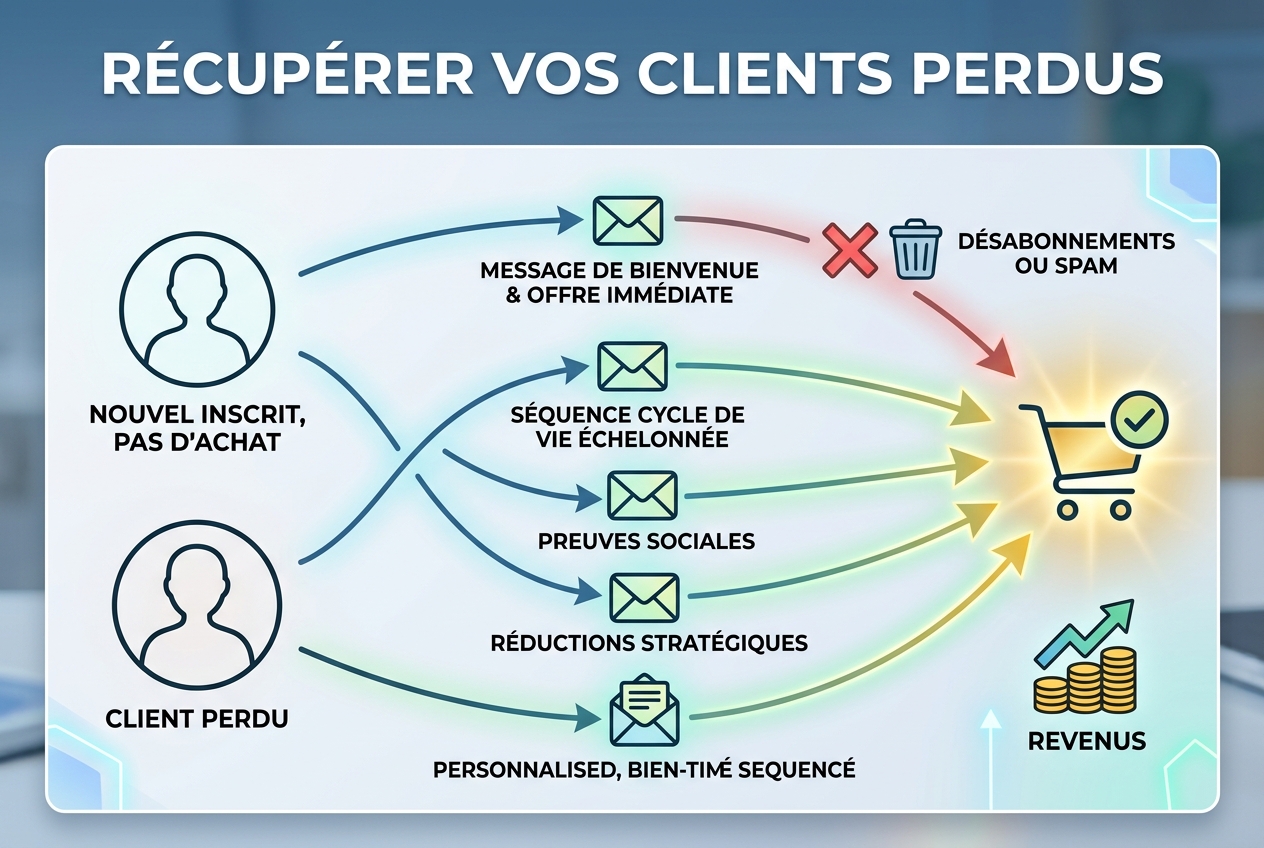
À propos de cette capsule
Vous apprendrez à concevoir des séquences d'e-mails efficaces qui récupèrent les clients et nourrissent les prospects en programmant stratégiquement les messages — depuis les e-mails de bienvenue immédiats jusqu'aux relances espacées progressivement. Cela inclut la création de séquences pour paniers abandonnés avec images produits et incitations envoyées en quelques heures, la mise en place d’un sentiment d’urgence avec des délais contraignants, et l’alignement des e-mails avec les étapes du parcours d’achat pour maximiser l’engagement sans submerger les destinataires. Vous découvrirez également les meilleures pratiques pour le traitement VIP, les e-mails de vente axés sur la valeur, et les campagnes de reconquête combinant empathie et appels à l’action clairs.
Couvert dans cette capsule
Optimisation des séquences de bienvenue pour une conversion rapide
Optimisation de la cadence et de la longueur des séquences d’e-mails.
Optimisation des objets pour augmenter les taux d’ouverture des e-mails.
Séquences d’e-mails basées sur les étapes pour la conversion
Utilisation stratégique des réductions dans les séquences d’e-mails.
Séquences d’e-mails de reconquête basées sur les données.
Approche axée sur la délivrabilité pour les séquences d’e-mails.
Séquences d’e-mails structurées selon le cycle de vie pour la conversion.
Optimisation du timing et du contenu des e-mails pour paniers abandonnés.
Maîtriser les séquences d'e-mails pour la récupération et l'engagement client
Capxule Business
Voir le profil
Similaires dans Business
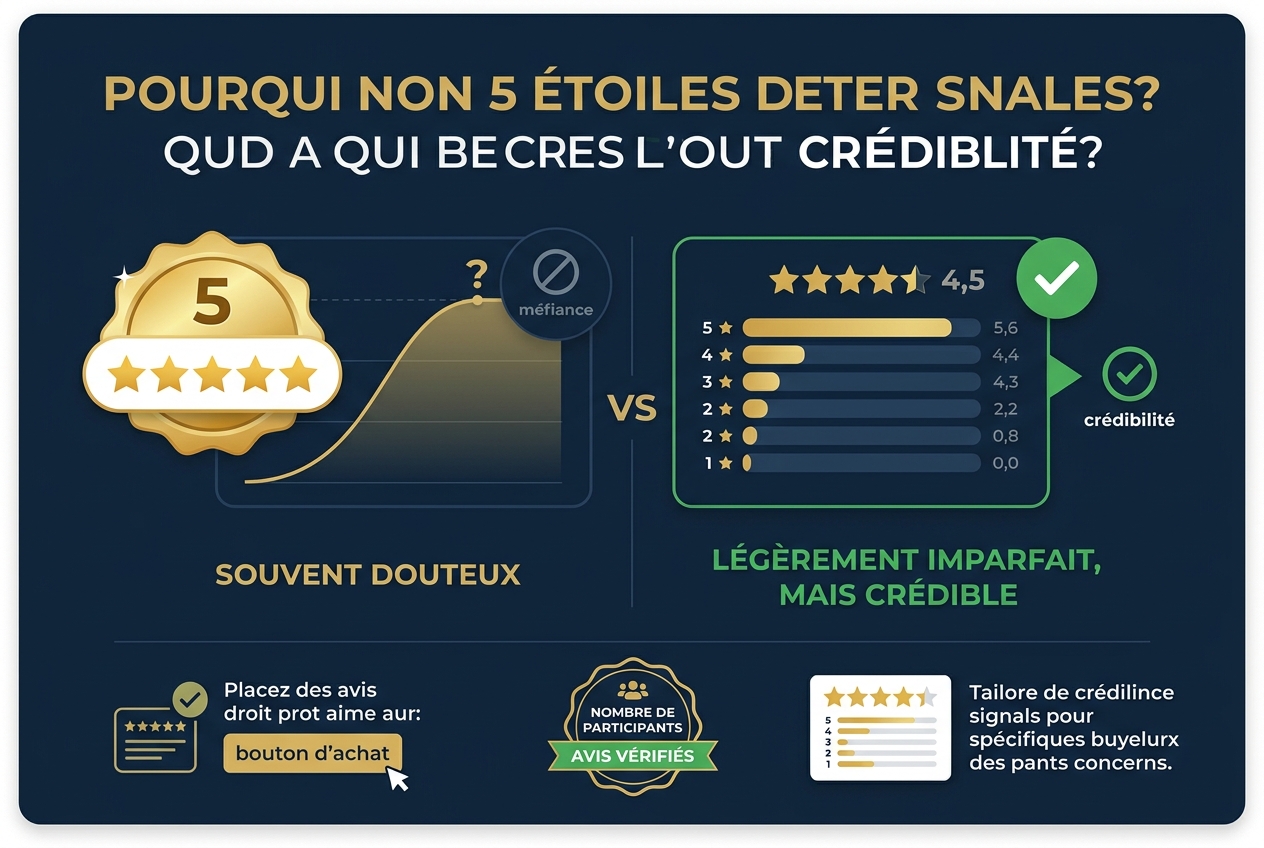
Le Guide Ecommerce des Signaux de Confiance
Les acheteurs s'appuient sur les avis et les badges pour décider s'ils peuvent vous faire confiance, mais des scores parfaits peuvent sembler faux. Les tactiques divergent sur ce qui construit la crédibilité : placer les évaluations juste au niveau du bouton d'achat, montrer des scores authentiques légèrement imparfaits, afficher le nombre de clients et les badges vérifiés, ou adapter les signaux de confiance aux doutes spécifiques de chaque acheteur. Bien les déployer transforme les visiteurs sceptiques en acheteurs au lieu de susciter la méfiance.
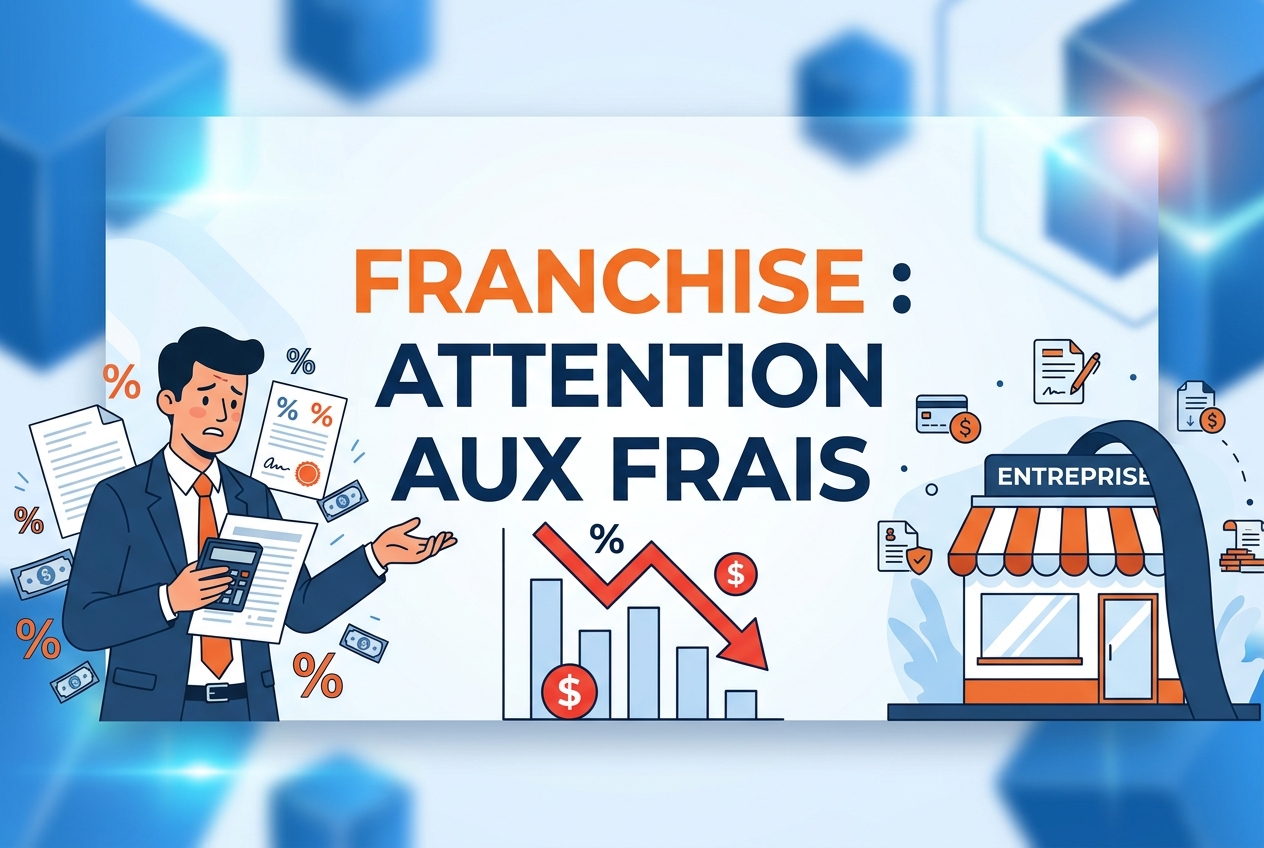
Guide de l'acheteur de franchise sur les frais, redevances et risques
La propriété d'une franchise implique des engagements financiers complexes tels que les frais initiaux de franchise, les redevances continues et les contributions aux fonds marketing qui peuvent peser sur la rentabilité. Ces sujets révèlent comment les règles de divulgation, les obligations légales et les risques opérationnels varient considérablement, influençant la réussite ou l'échec d'une franchise. Comprendre ces différences aide les futurs franchisés à évaluer les coûts réels, les risques juridiques et le potentiel de croissance avant de s'engager.
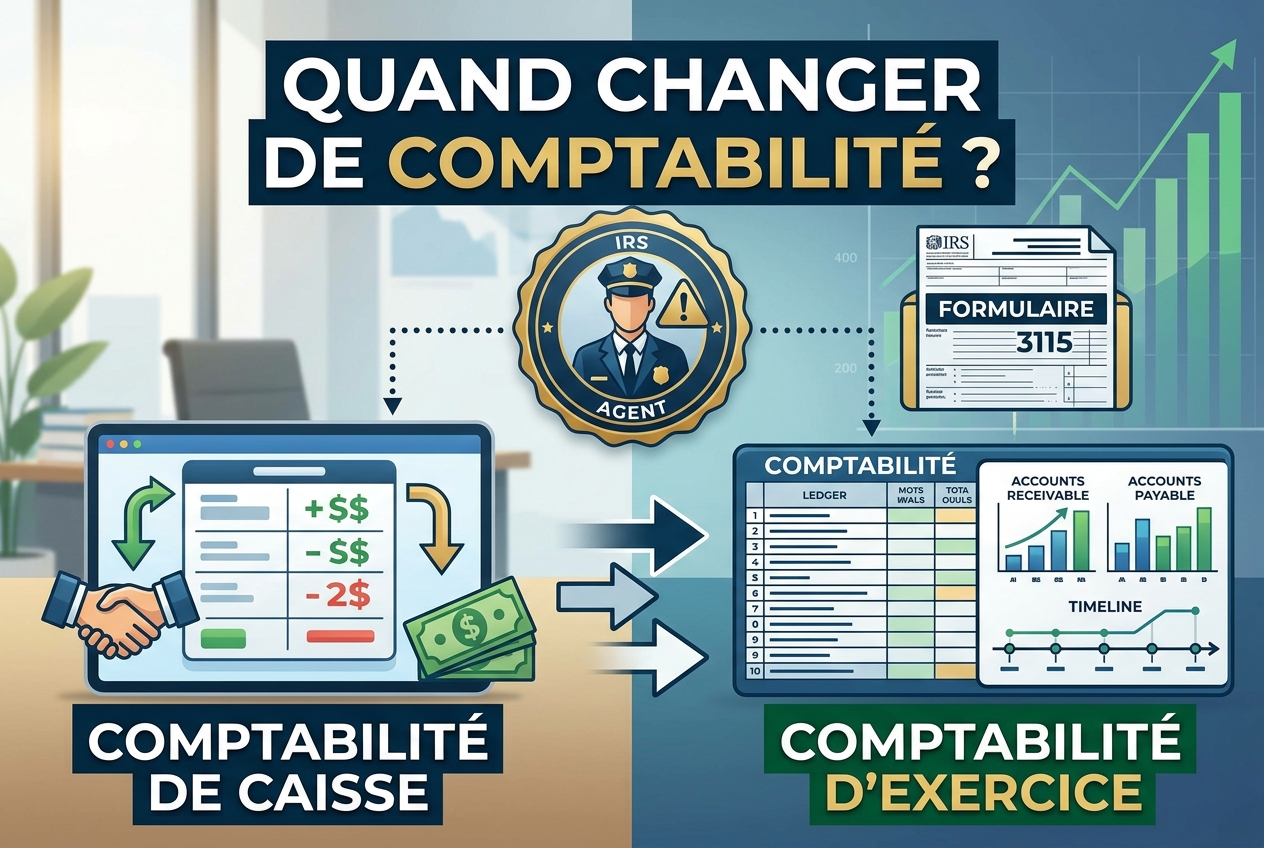
Guide du propriétaire d'entreprise sur les changements de comptabilité de caisse à comptabilité d'exercice
Changer de méthode comptable au mauvais moment ou de la mauvaise manière vous expose à des pénalités de l'IRS et à une comptabilité désordonnée. Les options se divisent selon ce qui doit motiver le changement : des seuils de revenus stricts et des règles d'inventaire, des étapes de conformité rigoureuses comme le formulaire 3115, ou les besoins pratiques de votre entreprise indépendamment des seuils. Les comparer côte à côte montre quand un changement est obligatoire, quand il est simplement conseillé, et comment le réaliser proprement.
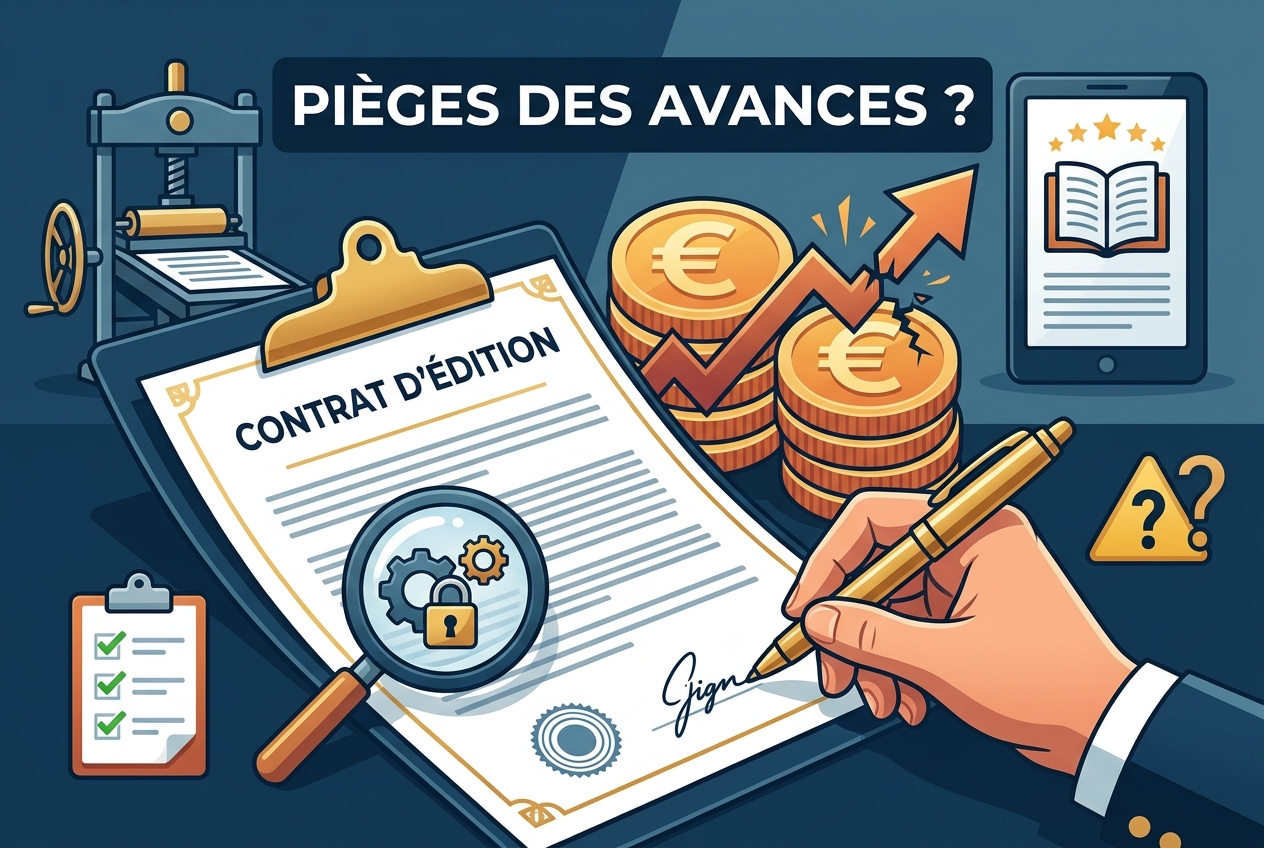
Manuel de l'auteur sur les contrats d'édition
L'édition de livres offre différentes voies avec des risques financiers et juridiques distincts. Certains guides expliquent comment les contrats traditionnels exigent que les auteurs remboursent les avances avant de toucher des droits d'auteur, tandis que d'autres mettent en garde contre les arnaques demandant des frais initiaux ou les pièges de l'édition à compte d'auteur. Comprendre ces différences aide les auteurs à protéger leurs droits, éviter des erreurs coûteuses et choisir entre l'auto-édition et les contrats traditionnels en toute connaissance de cause.