
Explorer les capsules
8 capsules

Guide de l'agent immobilier en devenir sur les revenus et les coûts
Devenir agent immobilier signifie faire face à des revenus imprévisibles avec des factures qui ne cessent d’arriver. Ces réalités varient selon la manière dont les agents gèrent les dépenses telles que les frais de bureau, les partages de commission et les stratégies de réinvestissement, ainsi que la façon dont ils gèrent la génération de prospects et les relations clients pour survivre et prospérer. Comprendre ces défis financiers cachés vous aide à décider si cette carrière correspond à votre tolérance au risque et à la planification.

Frais de Coaching Personnel : Propriété, Revenus et Contrôle
Lorsque vous payez pour un coaching personnel, la répartition entre les propriétaires de salles de sport et les coachs détermine qui gagne quoi et qui contrôle vos séances. Les modèles diffèrent selon la propriété des clients, la répartition des honoraires et l'indépendance des coachs, révélant pourquoi certains coachs gagnent plus en gérant leurs propres clients et emplois du temps tandis que d'autres travaillent sous des politiques de salle qui limitent leur revenu net. Comprendre ces modèles aide coachs et clients à saisir la véritable économie derrière les frais de coaching personnel et les compromis entre commodité, contrôle et revenus.

Enseignants vacataires en économie : rémunération, titularisation et précarité
Les emplois académiques promettent souvent du prestige mais cachent de profondes difficultés économiques, notamment pour les enseignants vacataires confrontés à de faibles salaires, des paiements retardés et l'absence d'avantages sociaux. Les revendications révèlent des visions contrastées sur la sécurité de la titularisation, le financement par subventions et la dépendance systémique à des enseignants temporaires sous-payés, exposant un cycle où de nombreux éducateurs vivent dans la pauvreté et l'instabilité malgré des décennies de service. Comprendre ces perspectives divergentes aide à expliquer pourquoi les vacataires restent piégés dans des rôles précaires tandis que les institutions tirent profit de leur travail.

Réalités du recyclage du plastique : codes résine, recyclage chimique et solutions éprouvées
La plupart des plastiques jetés dans la poubelle de recyclage ne deviennent jamais de nouveaux produits, et les raisons sont controversées. Ces raisons vont des codes résine trompeurs et de la fausse promesse du recyclage chimique aux changements systémiques et aux programmes éprouvés qui fonctionnent réellement. Vous pouvez décider quelles solutions amélioreraient véritablement la destination finale de vos plastiques.

Économie du camionnage pour propriétaires-exploitants : coûts, paiements et rentabilité
L'économie du camionnage pour propriétaires-exploitants révèle une réalité difficile où des dépenses élevées, des paiements retardés et des coûts imprévisibles érodent souvent les bénéfices. Les facteurs varient selon la manière dont les coûts tels que le carburant, l'entretien et les contrats de location impactent le revenu net, et comment les structures de paiement et les tarifs du marché influencent la stabilité financière. Comprendre ces facteurs aide les conducteurs à voir pourquoi les gains bruts peuvent masquer les véritables défis financiers au volant.
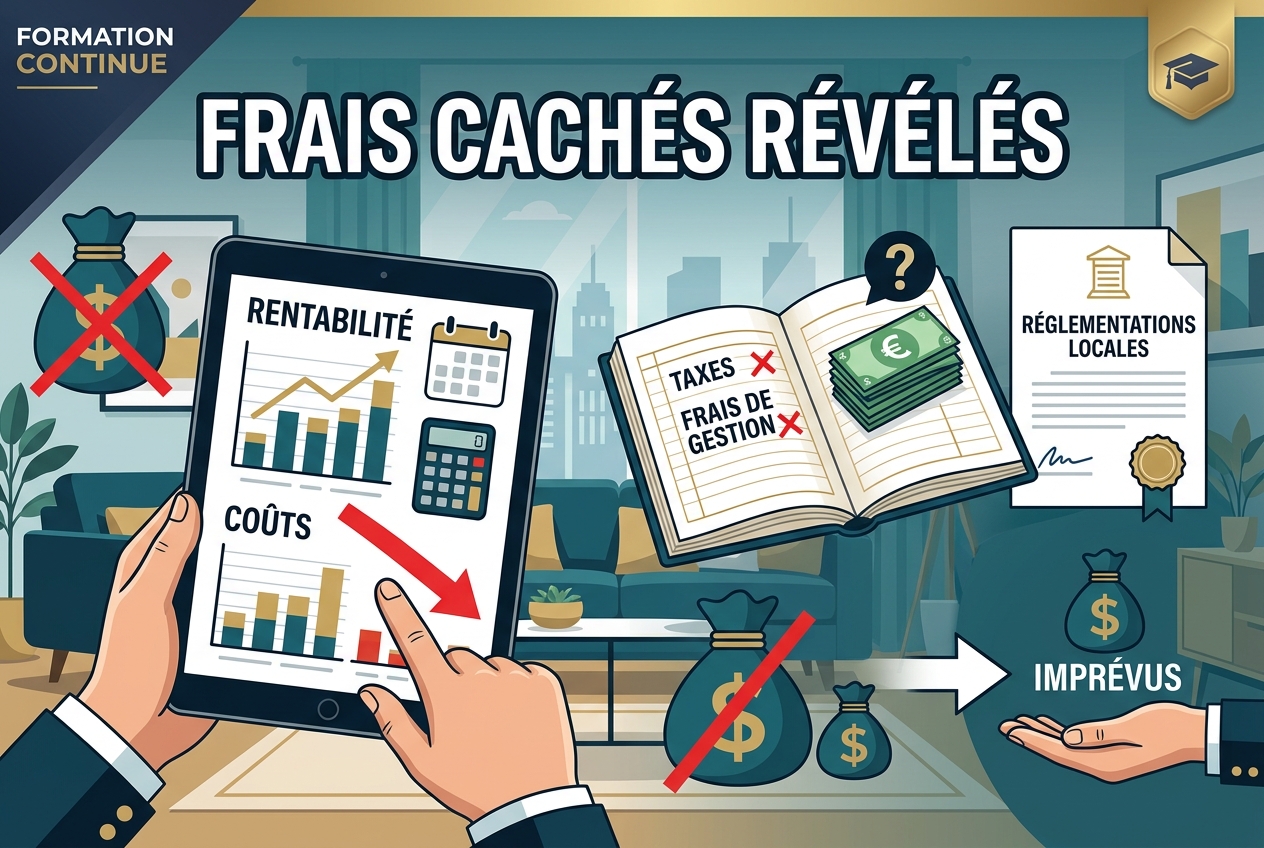
Manuel de l'hôte sur les coûts et la conformité des locations de courte durée
L'économie des locations de courte durée repose sur des facteurs complexes tels que le calcul de l'occupation, les réglementations locales et les coûts cachés qui peuvent affecter considérablement la rentabilité. Ces facteurs varient selon la manière dont ils appliquent l'enregistrement, la collecte des taxes et les sanctions, déterminant si l'activité d'hébergement est durable ou risquée. Comprendre ces éléments aide les hôtes à surmonter les obstacles juridiques, éviter des amendes coûteuses et prendre des décisions éclairées sur la gestion de leurs locations.
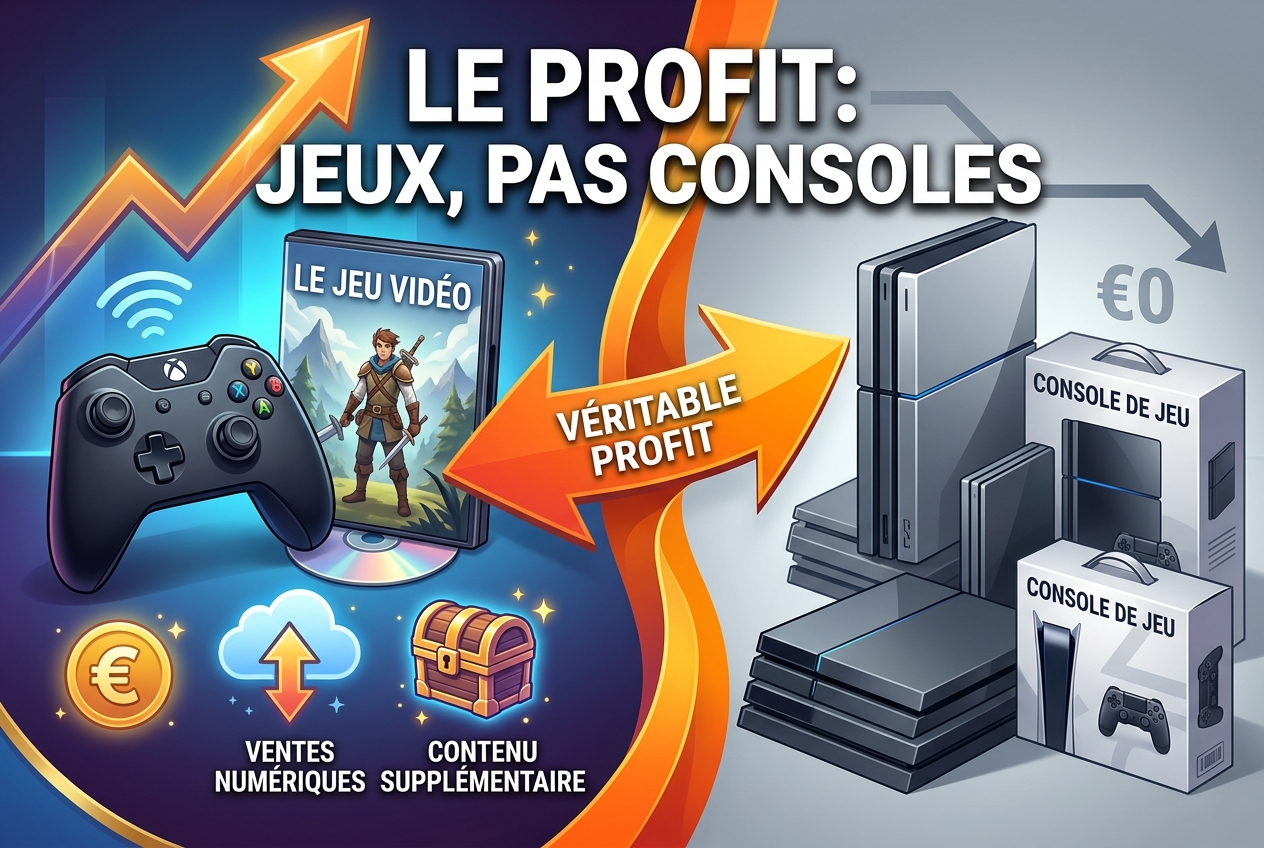
Économie des jeux vidéo : Pertes sur le matériel et profits sur les logiciels
La plupart des gens pensent que le profit se fait sur la console en rayon, mais les fabricants vendent souvent ce matériel à perte ou à l'équilibre. Le véritable argent provient des licences logicielles, des ventes numériques et des extensions comme les contenus téléchargeables et les passes de combat. Comprendre cela change la façon dont les jeux sont conçus et monétisés bien avant que vous n'appuyiez sur le bouton d'achat.

Économie de l'essor de l'IA : profits, coûts informatiques et risque de bulle
Les entreprises d'IA dépensent des milliards en puissance de calcul alors que leur chemin vers la rentabilité reste flou. Ces points de vue se divisent entre une bulle destinée à éclater, un modèle économique pouvant atteindre la rentabilité grâce à la réduction des coûts et à une gestion plus intelligente, et des doutes quant à la capacité des données actuelles à trancher la question. Les peser vous aide à juger de la part réelle de cet essor.