
Explore Capsules
4 capsules

Win the Social Security Disability Application and Appeals Process
You will work through the exact five-step legal sequence that Social Security uses to decide disability claims, starting with work activity and medical severity, then Listings, past work, and other work. You will learn how to build a strong medical record, meet deadlines such as the 10-day appeal filing window, understand how SSA measures work capacity, and prepare for the ALJ hearing. By rehearsing real scenarios and avoiding common mistakes, you will finish ready to win your disability claim or appeal under the official SSA rules.
 Premium
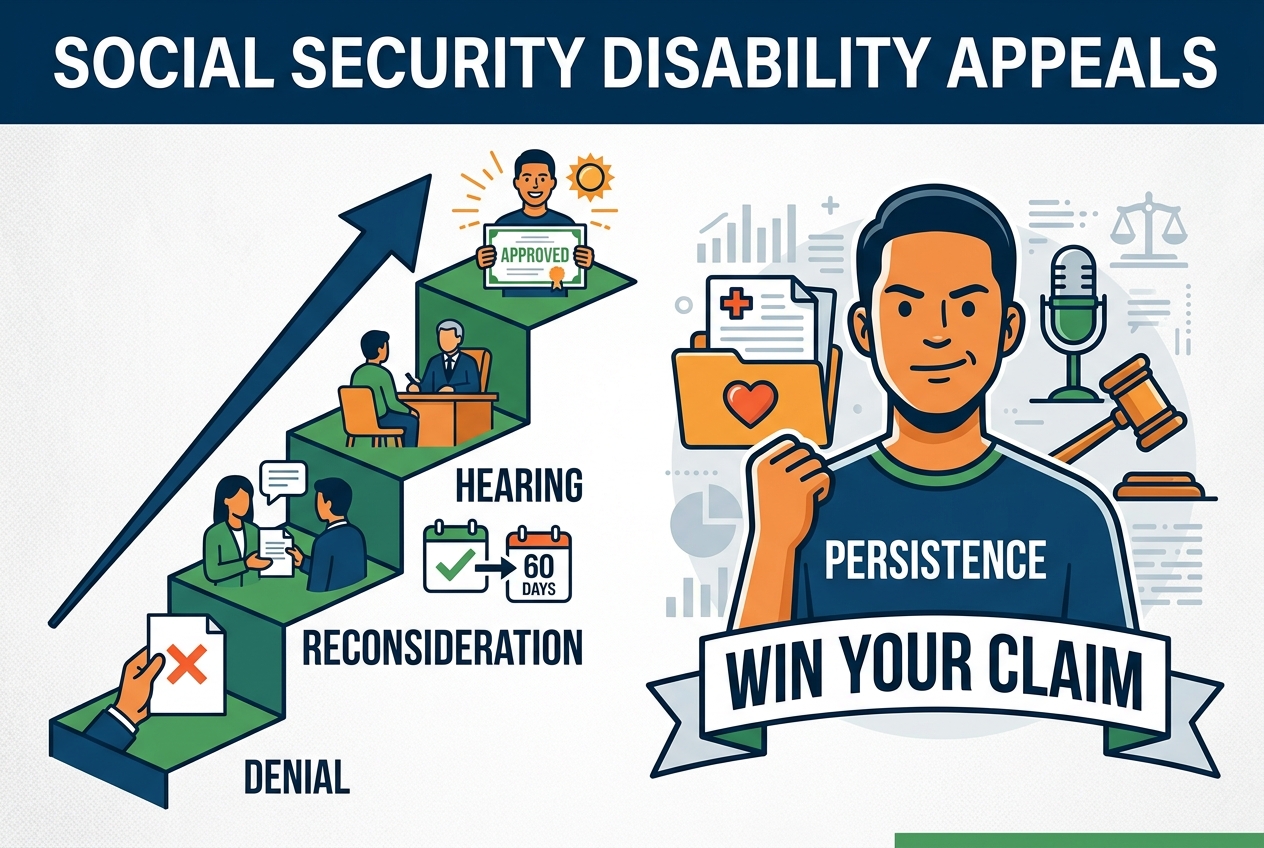
Social Security Disability Appeals: Keep Your Claim Alive and Win Approval
A Social Security Disability denial is often the start of the appeals journey rather than the end. You will work through filing timely appeals within the 60-day deadline, strengthen your medical evidence, prepare for hearings, and navigate each stage from reconsideration to potential court review. You will finish ready to maintain your claim’s momentum and improve your chances of approval.
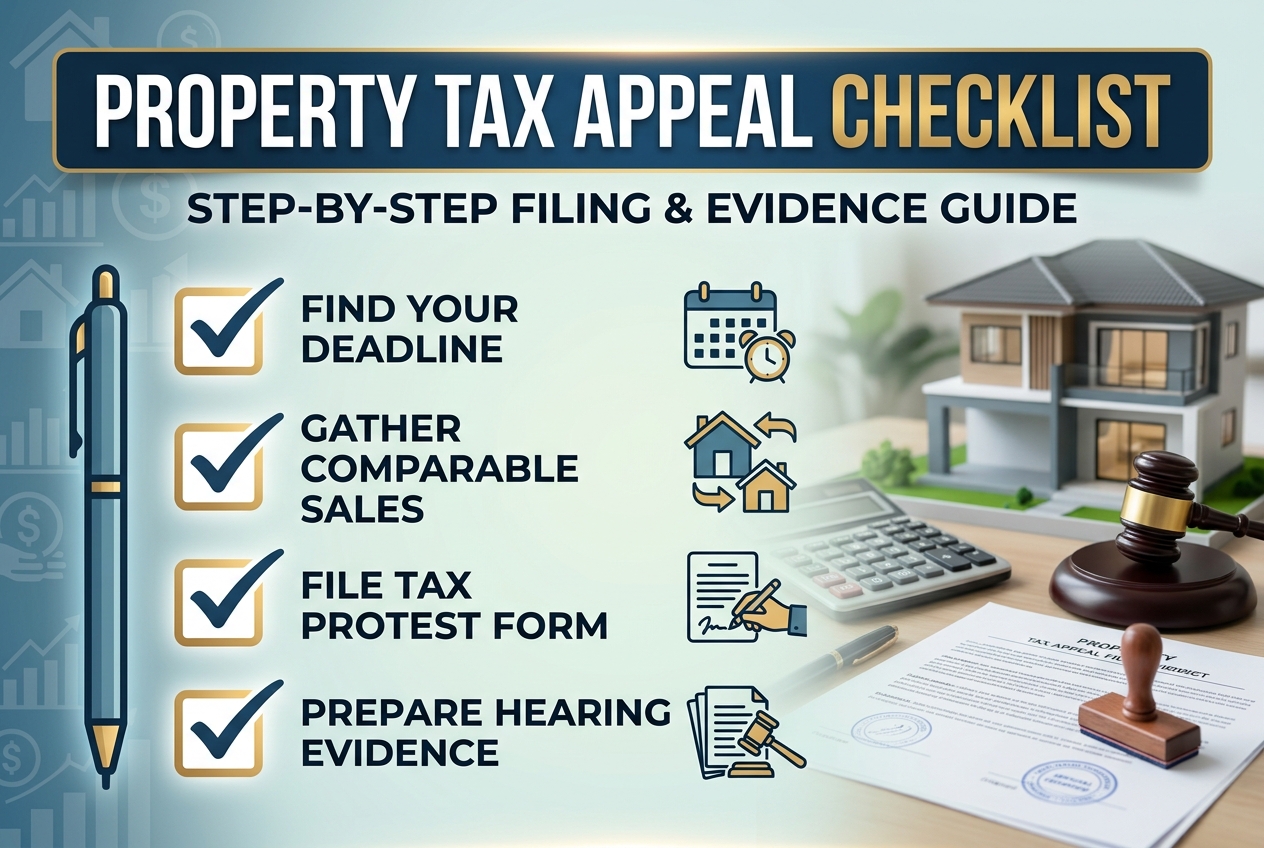
Property Tax Appeal Filing and Evidence Checklist
Property tax appeals require strict adherence to filing deadlines and the submission of compelling evidence to challenge an assessment effectively. You will work through identifying your exact deadline, assembling comparable sales data, filing your protest correctly, and preparing for the hearing. By the end, you will be ready to present a complete appeal that meets all procedural requirements and maximizes your chances of reducing your property tax.
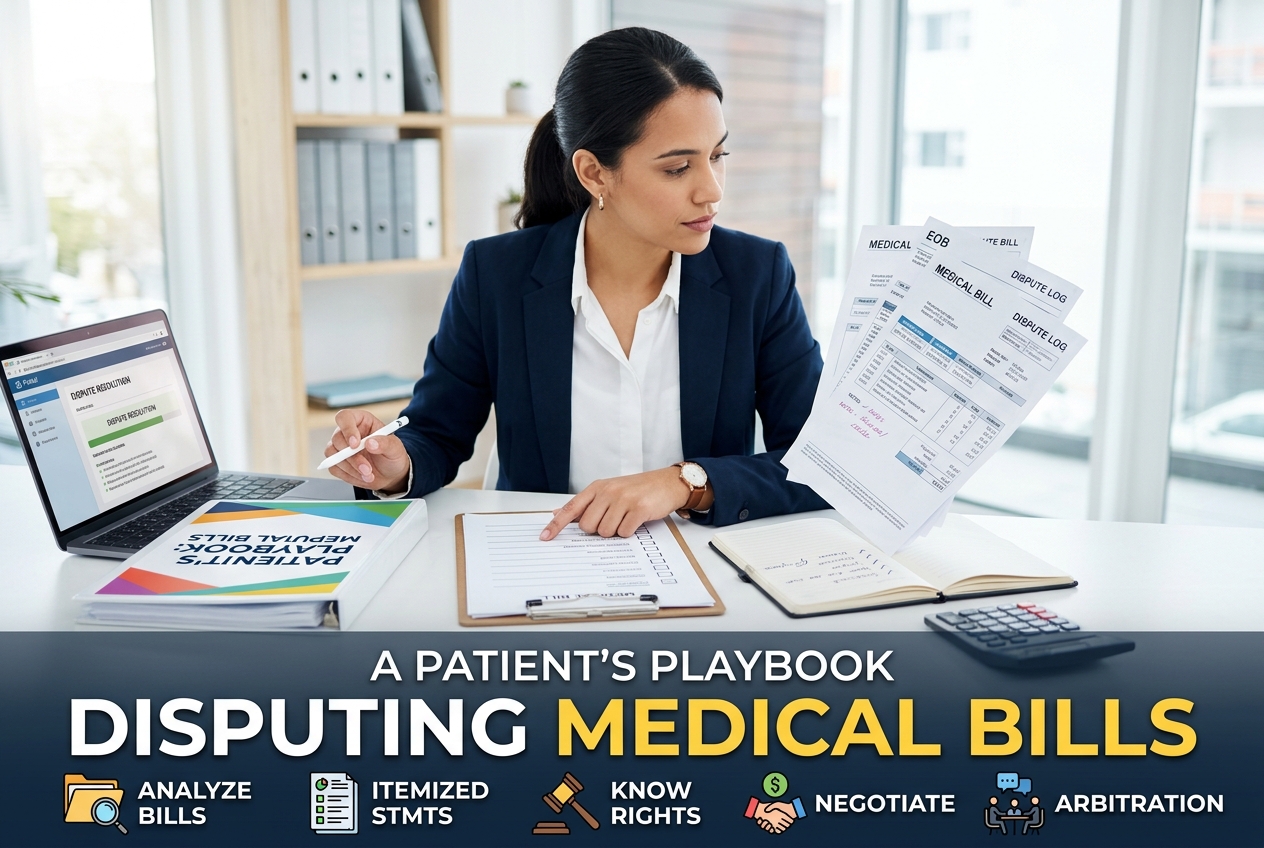
How to Dispute Medical Bills Effectively
Disputing medical bills requires a structured approach including requesting itemized bills with CPT codes, comparing them against Explanation of Benefits to spot errors, and adhering to strict deadlines such as the 120-day limit under the No Surprises Act. Keeping detailed records of all communications and submitting formal appeals within specified timeframes—often 30 to 180 days—is essential to preserve dispute rights. Understanding processes like the Independent Dispute Resolution and Good Faith Estimate requirements enables patients to navigate disputes confidently and avoid waiving their rights.