
Capsules Santé
3 capsules

Surdiagnostiqué : Comment le profit a remodelé la prise en charge du TDAH
L’augmentation des diagnostics de TDAH reflète moins un besoin réel des patients qu’une industrie qui profite de chaque prescription. À contre-courant de la norme dominante du médicament en premier recours, cette analyse affirme que l’influence des laboratoires biaise la recherche et les recommandations, et que les approches communautaires et comportementales s’attaquent aux causes profondes sans pathologiser des comportements normaux. Le scepticisme face au diagnostic motivé par le profit est le point de départ d’une prise en charge plus honnête de la santé mentale.

Biais dans la recherche pharmaceutique : écriture fantôme, données d'essais et protection des patients
La recherche derrière vos médicaments peut comporter des auteurs fantômes cachés et des données d'essais manipulées. Les avis divergent sur le remède : exposer les études manipulées une par une, imposer des réformes juridiques et réglementaires aux entreprises, ou pratiquer des soins fondés sur les preuves qui contournent le biais, notamment pour les patients vulnérables. Décidez à quel point vous pouvez faire confiance aux allégations sur les médicaments et comment vous protéger en attendant.
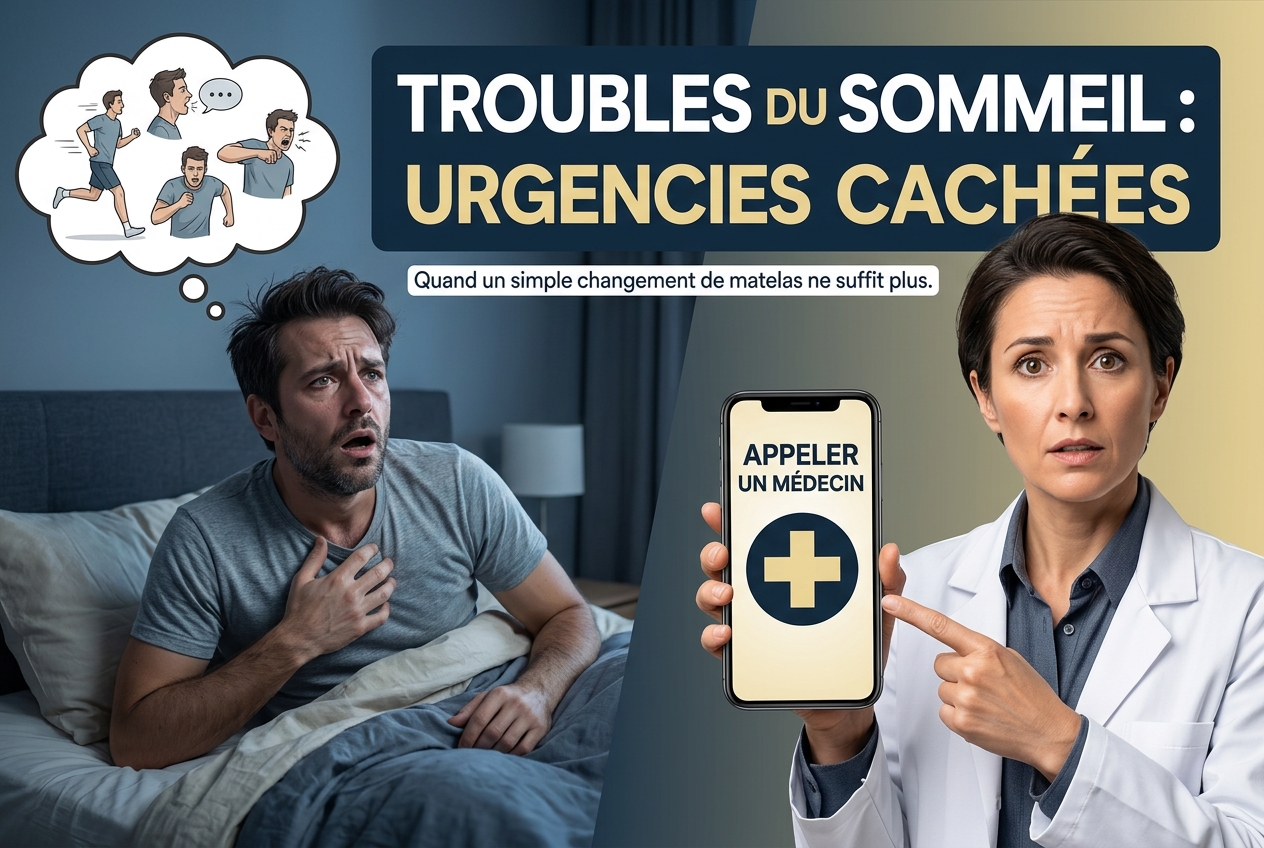
Évaluer avec confiance les signaux d’alerte des troubles du sommeil et les risques des traitements
Les troubles du sommeil comme l’apnée obstructive du sommeil comportent des risques sérieux, notamment des accidents et des complications de santé s’ils ne sont pas traités. Vous apprendrez à identifier les signaux d’alerte critiques tels que les pauses respiratoires et l’endormissement au volant, à peser les risques des traitements comme le CPAP et les médicaments sédatifs, et à évaluer les approches fondées sur des preuves pour choisir des soins sûrs et efficaces. Ces connaissances vous permettent d’agir rapidement face aux symptômes menaçant la sécurité et la santé tout en naviguant de manière transparente dans les compromis liés aux traitements.