
Vérifiez les offres d'emploi à distance avant de postuler ou d'accepter
De sources originales
À propos de cette capsule
Les offres d'emploi à distance induisent souvent les candidats en erreur avec des pratiques trompeuses ou des arnaques impliquant des frais initiaux et des demandes d'informations personnelles. Vous apprendrez à identifier les postes à distance légitimes en vérifiant l'authenticité de l'employeur, en reconnaissant les signaux d'alerte tels que des descriptions de poste vagues et des promesses irréalistes, et en confirmant les conditions de travail à distance avant de vous engager. Cette méthode vous aide à éviter de perdre du temps, à protéger vos données personnelles et à obtenir un emploi véritablement à distance en toute confiance.
IA générique vs IA avec cette capsule
Aperçu“Comment distinguer une offre d'emploi à distance légitime d'une offre trompeuse ou fausse ?”
IA générique
“Voici des moyens pratiques pour distinguer si une offre d'emploi à distance est légitime ou trompeuse/fausse.
Signes d'un emploi à distance légitime
- Identité claire de l'entreprise : Le nom de l'employeur, le site web, la localisation et la description de l'activité sont faciles à vérifier.
- Offre professionnelle : Le poste inclut des responsabilités spécifiques, les compétences requises, la hiérarchie, et une fourchette de rémunération ou des attentes salariales réalistes.
- Domaine email d'entreprise : Les recruteurs vous contactent depuis un domaine officiel, comme
nom@entreprise.com, pas une adresse gratuite comme Gmail, Yahoo, Outlook ou un domaine similaire. - Processus d'embauche normal : Vous passez des entretiens téléphoniques ou vidéo, rencontrez plusieurs personnes, et recevez une offre formelle écrite.
- Pas de paiements anticipés : Vous ne devez...”
Cette capsule
“Les deux plus grands pièges sont différents : les faux emplois volent de l'argent ou des données, tandis que les emplois « à distance » trompeurs vous attirent puis vous forcent à un hybride, une relocalisation ou une présence au bureau. Traitez les deux comme des motifs de rejet à moins que l'employeur ne prouve sa légitimité et ne formalise les conditions à distance par écrit. Ne jamais envoyer d'argent, ne jamais faire transiter des paiements par votre compte bancaire personnel, et ne quittez pas votre emploi actuel ni n'arrêtez vos autres recherches sans une offre ou un contrat signé précisant l'arrangement à distance.
1. Signes d'arnaque : rejetez immédiatement
Un emploi à distance est probablement faux s'il inclut l'un de ces éléments :
- Demandes de paiement anticipé : frais de candidature, de formation, dépôt pour matériel, frais d'inscription, frais de vérifica...”
Vérifiez les offres d'emploi à distance avant de postuler ou d'accepter
Capxule Career
Voir le profil
Similaires dans Carrière
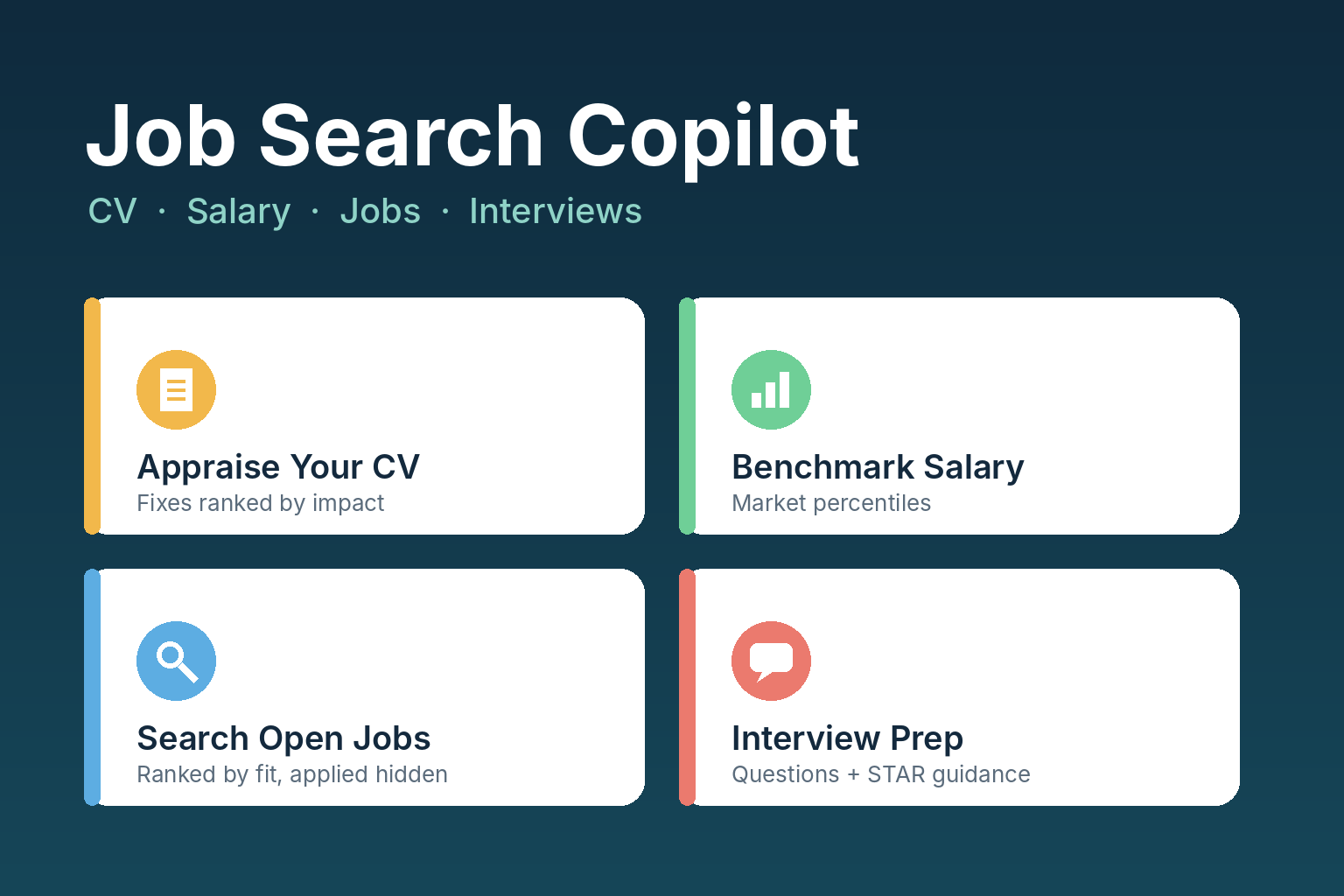
Copilote de recherche d'emploi : évaluez votre CV, comparez votre salaire, trouvez des offres et préparez vos entretiens
Quatre outils dans une seule capsule carrière : une évaluation honnête de votre CV par rapport au poste visé, une comparaison de votre salaire avec les données du marché et les fourchettes affichées, une recherche d'offres classées par pertinence (candidatures suivies et masquées) et une préparation aux entretiens avec questions ciblées et conseils de réponse.

Le Guide du Premier Année Infirmier pour le Temps, la Pression et le Soutien
La première année en soins infirmiers vous confronte à des défis inattendus tels qu'une pression temporelle écrasante, un sous-effectif et des conflits de rôle qui peuvent rendre les gardes plus longues et plus stressantes. Différentes réalités montrent comment gérer les tâches administratives, développer des compétences en gestion du temps et s'appuyer sur des systèmes de soutien peut façonner votre expérience et vous aider à décider comment vous adapter et prospérer dans ce rôle exigeant. Comprendre ces réalités révèle les luttes invisibles et les faits concrets qui vous préparent à ce qui vous attend.

Le guide du chercheur d’emploi pour négocier sans offres concurrentes
Négocier une offre d’emploi sans offres concurrentes nécessite des stratégies différentes qui mettent l’accent sur votre valeur unique, le bon timing et la compréhension des contraintes de l’employeur. Certaines approches créent un levier en soulignant votre adéquation et votre impact potentiel, tandis que d’autres reposent sur la patience et des concessions stratégiques pour influencer l’offre. Ce panorama vous aide à choisir comment vous positionner — de l’utilisation de votre marge financière à l’engagement d’alliés — afin de négocier en toute confiance même sans levier traditionnel.

Guide de l'agent immobilier en devenir sur les revenus et les coûts
Devenir agent immobilier signifie faire face à des revenus imprévisibles avec des factures qui ne cessent d’arriver. Ces réalités varient selon la manière dont les agents gèrent les dépenses telles que les frais de bureau, les partages de commission et les stratégies de réinvestissement, ainsi que la façon dont ils gèrent la génération de prospects et les relations clients pour survivre et prospérer. Comprendre ces défis financiers cachés vous aide à décider si cette carrière correspond à votre tolérance au risque et à la planification.