
Le guide de l’athlète sur le repos, la glace et la récupération active
De sources originales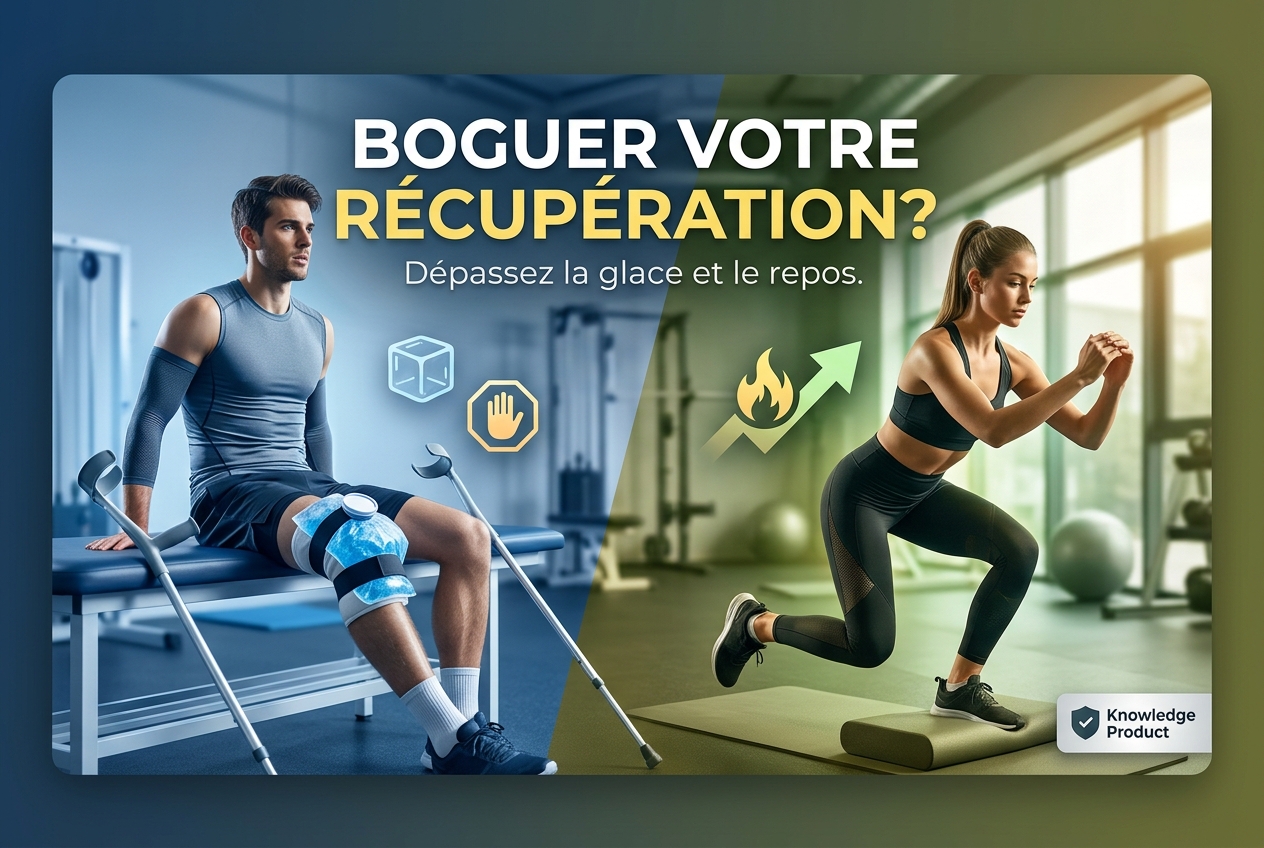
À propos de cette capsule
Le repos, la glace et la récupération active ont chacun leur place dans la guérison des blessures sportives, mais leur valeur dépend du moment, du type de blessure et des objectifs de retour au jeu de l’athlète. Les lecteurs apprendront comment le mouvement contrôlé, la gestion intelligente de la charge, la surveillance des symptômes et la préparation psychologique s’articulent pour soutenir la guérison sans précipiter le processus.
5 points de vue d’experts sur la récupération des blessures sportives
Gestion active de la charge plutôt que repos passif
Récupération active plutôt que repos pour les blessures sportives
Le repos et la glace peuvent freiner la guérison naturelle.
Stratégies mentales plutôt que repos passif.
Développement à long terme plutôt que spécialisation précoce
IA générique vs IA avec cette capsule
Aperçu“Que faut-il vraiment faire quand on se blesse en sport ?”
IA générique
“Si vous vous blessez en sport, la meilleure approche est : arrêtez, protégez, contrôlez le gonflement/la douleur, et obtenez le bon niveau de soins.
1. Arrêtez immédiatement
Ne « continuez pas en forçant ». Poursuivre peut transformer une entorse ou une élongation légère en blessure grave.
2. Vérifiez les signes d’urgence
Consultez en urgence si :
- Déformation évidente ou fracture/luxation suspectée
- Douleur sévère ou gonflement rapide
- Incapacité à supporter le poids ou utiliser le membre
- Engourdissement, picotements, faiblesse ou perte de circulation
- Coupure profonde, saignement important ou plaie ouverte
- Symptômes de traumatisme crânien : confusion, vomissements, perte de conscience, aggravation du mal de tête, troubles visuels, vertiges
- Douleur au cou ou à la colonne vertébrale
- Douleur thoracique, difficultés respiratoires ou malaise
3. Protégez la zone ...”
Cette capsule
“La réponse non évidente : ne pas « juste se reposer » pendant des semaines. La pensée actuelle en rééducation sportive privilégie le mouvement précoce et contrôlé, généralement après les 48–72 premières heures, avec une charge ajustée selon la douleur, le gonflement, la fatigue et la fonction. Dans une étude sur une blessure grave des tissus mous, les athlètes qui ont commencé la rééducation 2 jours après la blessure sont revenus 20 jours plus tôt que ceux qui ont attendu 9 jours — 63 jours contre 83 jours. Mais le piège est de précipiter : revenir avant que la douleur, la force, la qualité du mouvement, la confiance et la fonction spécifique au sport soient restaurées augmente le risque de rechute.
Voici ce qu’il faut vraiment faire.
1. D’abord : protéger, évaluer, ne pas aggraver
Juste après la blessure :
- Arrêtez l’activité.
- **Protégez/déchargez l...”
Le guide de l’athlète sur le repos, la glace et la récupération active
Capxule Sports
Voir le profil
Similaires dans Fitness

Guide du débutant pour des abdominaux visibles : perte de graisse, nutrition, entraînement du tronc
Obtenir des abdominaux visibles dépend principalement de la réduction de la masse grasse grâce à un déficit calorique constant, combiné à une alimentation nutritive et un entraînement progressif et sécurisé du tronc. Les solutions rapides comme les thés détox peuvent entraîner de graves risques pour la santé, notamment des déséquilibres électrolytiques et des lésions hépatiques, et ne permettent pas de révéler efficacement les abdominaux. Gérer l'apport en sodium pour réduire les ballonnements et suivre précisément la nutrition sont des étapes clés sur la voie honnête vers des abdominaux définis.

Frais de Coaching Personnel : Propriété, Revenus et Contrôle
Lorsque vous payez pour un coaching personnel, la répartition entre les propriétaires de salles de sport et les coachs détermine qui gagne quoi et qui contrôle vos séances. Les modèles diffèrent selon la propriété des clients, la répartition des honoraires et l'indépendance des coachs, révélant pourquoi certains coachs gagnent plus en gérant leurs propres clients et emplois du temps tandis que d'autres travaillent sous des politiques de salle qui limitent leur revenu net. Comprendre ces modèles aide coachs et clients à saisir la véritable économie derrière les frais de coaching personnel et les compromis entre commodité, contrôle et revenus.
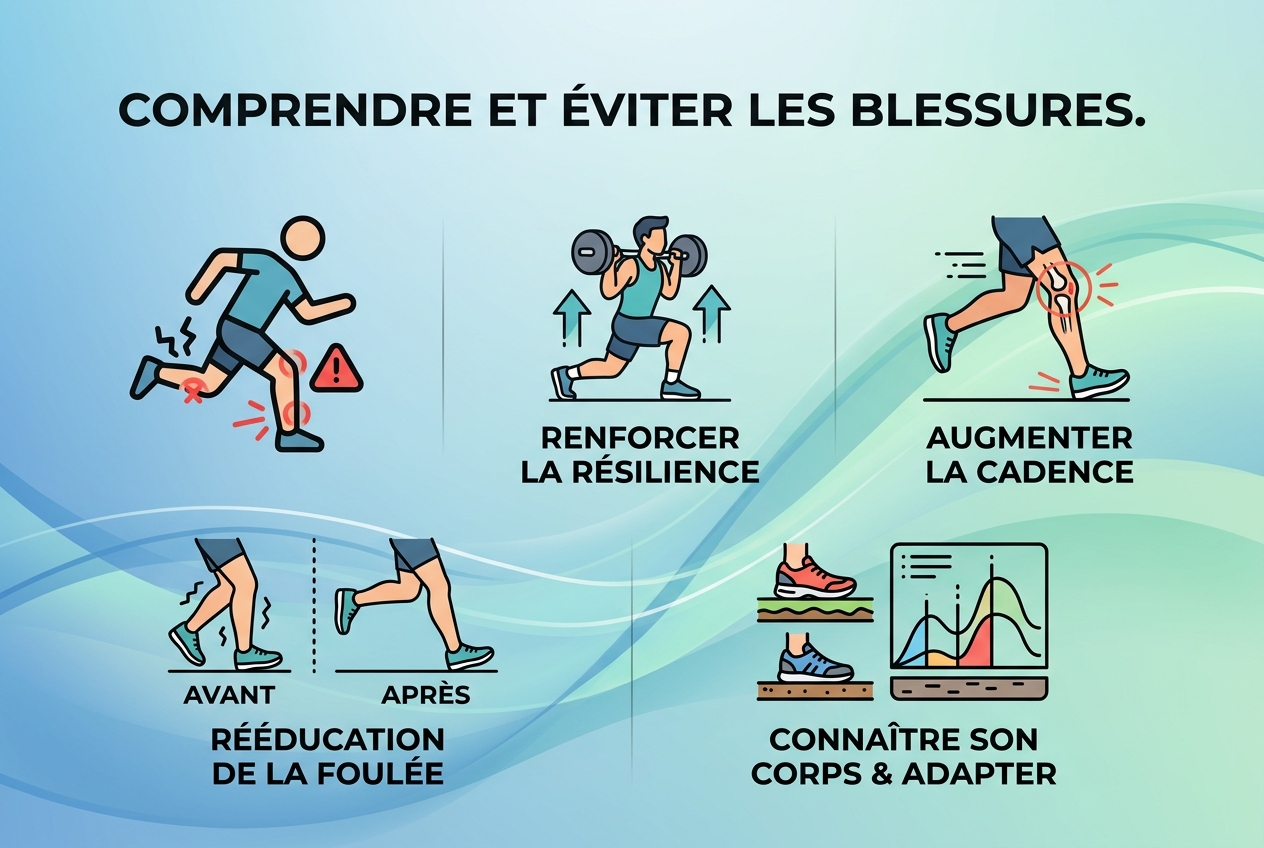
Guide du coureur pour la prévention des blessures : force, cadence et foulée
Les blessures liées à la course sont fréquentes, mais la meilleure prévention fait débat. Ces solutions vont de l'entraînement en force qui renforce la résilience et l'augmentation de la cadence pour réduire le stress articulaire, à la rééducation structurée de la foulée et à l'argument selon lequel les forces d'impact comptent moins qu'on ne le pense. Vous pouvez choisir l'approche qui correspond à votre foulée et à votre historique de blessures.
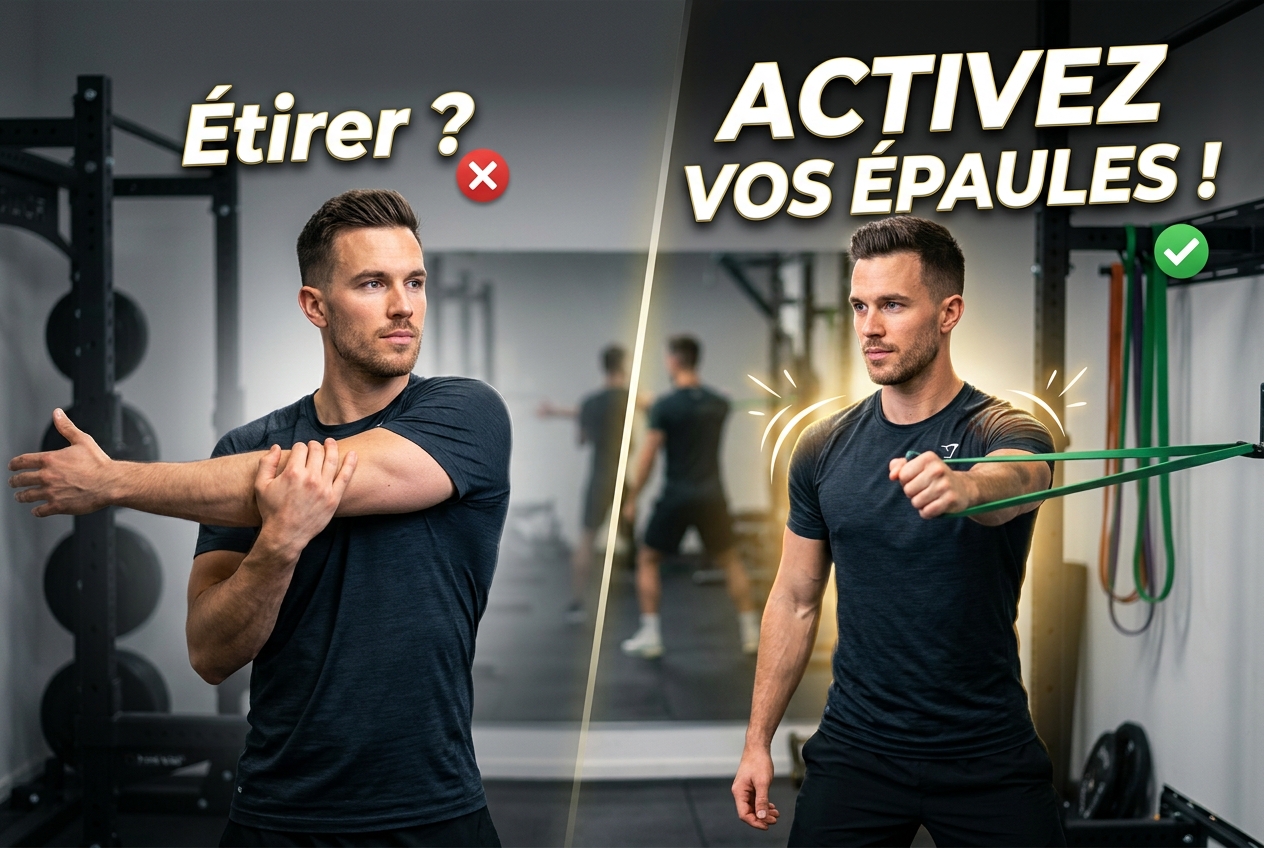
Échauffements dynamiques des épaules : mouvements contrôlés pour un levage plus sûr
L’étirement statique avant l’entraînement immobilise vos muscles de l’épaule au moment même où ils doivent s’activer. Ici, l’idée est que les échauffements dynamiques basés sur des rotations contrôlées, des bandes de résistance et l’activation scapulaire réveillent les muscles stabilisateurs et développent la conscience articulaire qui prévient réellement les blessures. Remplacer vos étirements statiques pré-levage par des mouvements contrôlés prépare vos épaules à supporter une charge réelle.