
Réalités du recyclage du plastique : codes résine, recyclage chimique et solutions éprouvées
De sources originales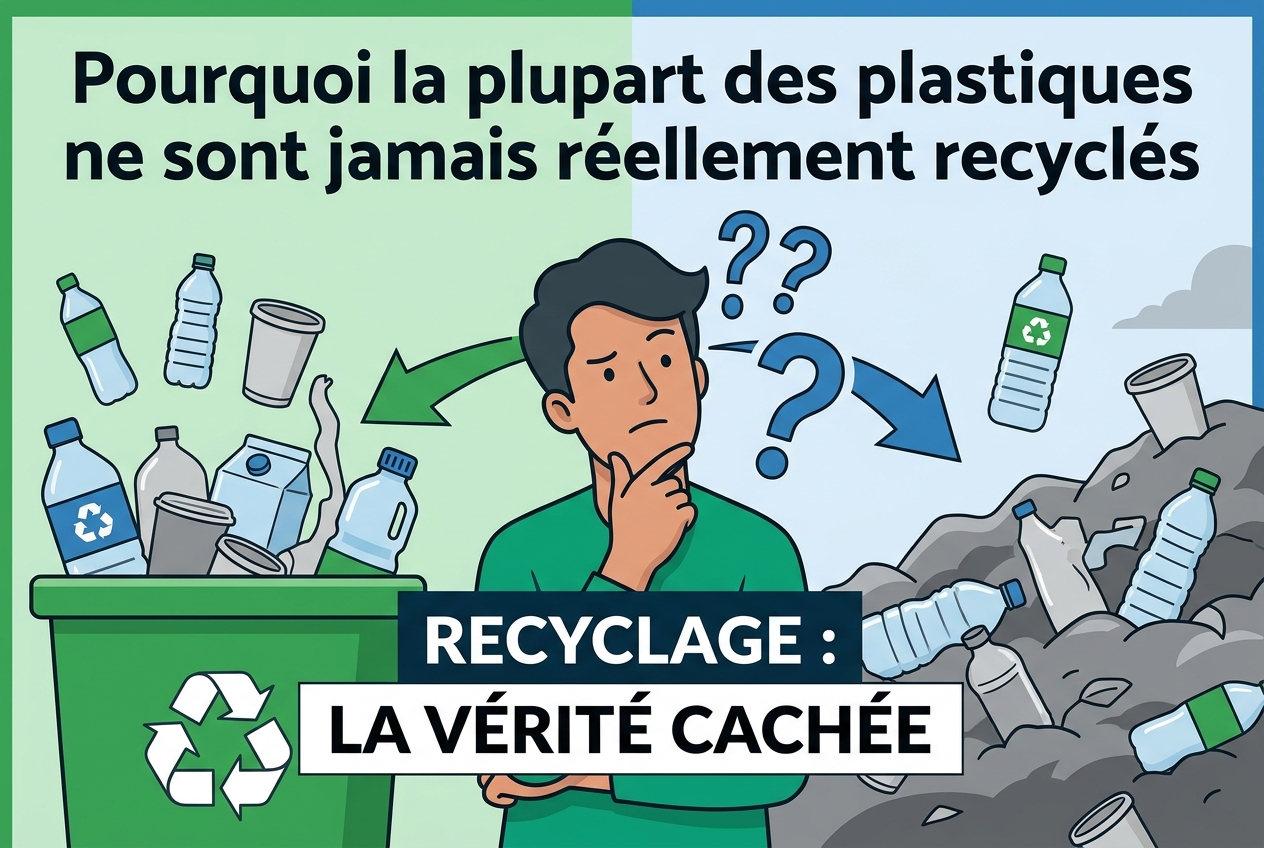
À propos de cette capsule
La plupart des plastiques jetés dans la poubelle de recyclage ne deviennent jamais de nouveaux produits, et les raisons sont controversées. Ces raisons vont des codes résine trompeurs et de la fausse promesse du recyclage chimique aux changements systémiques et aux programmes éprouvés qui fonctionnent réellement. Vous pouvez décider quelles solutions amélioreraient véritablement la destination finale de vos plastiques.
5 raisons pour lesquelles le recyclage du plastique échoue
Réalité du recyclage : les codes résine comptent, la plupart des plastiques échouent.
Essayez de demander : « Un sac en filet mélangeant HDPE, PP et LDPE peut-il être recyclé ? »
Exemples d’obligations environnementales réussies
Essayez de demander : « Quelle obligation a transformé l’allègement de la dette en protection marine élargie ? »
Solutions systémiques pour l’échec du recyclage du plastique
Réalité limitée du recyclage chimique vs promesses
Étapes qui rendent réellement le recyclage efficace.
IA générique vs IA avec cette capsule
Aperçu“J’ai entendu dire que le recyclage chimique comme la pyrolyse est censé être l’avenir du plastique — est-ce que ça tient vraiment ses promesses ou c’est surtout du battage ?”
IA générique
“Réponse courte : la pyrolyse et autres méthodes de « recyclage chimique » ont un réel potentiel technique, mais elles ne sont pas encore déployées à l’échelle ni avec la circularité souvent promises. Beaucoup du battage actuel précède les preuves.
Ce que la pyrolyse peut bien faire
La pyrolyse chauffe le plastique sans oxygène, le décomposant en un mélange d’huiles, gaz, cires et charbons. Elle vise surtout les plastiques difficiles à recycler mécaniquement, notamment les films, sacs et emballages en polyéthylène et polypropylène mélangés ou contaminés.
En principe, elle peut :
- Traiter certains plastiques que le recyclage mécanique peine à gérer.
- Produire des huiles hydrocarbures pouvant alimenter les craqueurs pétrochimiques.
- Potentiellement fabriquer de nouveaux plastiques « équivalents vierges », si l’huile est suffisamment purifiée et traitée.
- Détourner certains d...”
Cette capsule
“Surtout du battage à l’échelle actuelle, avec un rôle réel mais étroit. Le chiffre clé qui dégonfle le mythe de « l’avenir du plastique » : l’huile de pyrolyse ne peut actuellement représenter qu’environ 2 % à 5 % des matières premières dans les craqueurs à vapeur industriels existants à cause des contaminants. La capacité installée de recyclage chimique en Europe était d’environ 150 kilotonnes en 2023, tandis que le marché mondial de l’huile de pyrolyse valait environ 302,1 millions de dollars en 2020 contre un marché pétrolier mondial de 6,6 trillions de dollars en 2022. Ce n’est pas encore un « remplacement du plastique vierge ».
Voie 4 : la réalité limitée du recyclage chimique
Cette vision considère la pyrolyse comme la voie de recyclage chimique la plus établie, mais qui ne tient pas encore les grandes promesses souvent annoncées.
Ce que fait la pyrolyse ...”
Réalités du recyclage du plastique : codes résine, recyclage chimique et solutions éprouvées
Capxule Climate
Voir le profil
Similaires dans Science

La Conscience et le Problème Difficile : Neurosciences, Bouddhisme et Scepticisme
Pourquoi un cerveau produit-il une expérience ressentie reste la question la plus difficile à résoudre concernant l'esprit. Ces arguments divergent selon le point de vue : l'information intégrée mesurable dans le câblage cérébral, les conceptions bouddhistes de l'esprit affinées au fil des siècles, ou une vision sceptique selon laquelle des affirmations vagues de non-experts brouillent tout le débat. Celui qui vous convainc façonne ce que vous croyez à propos du libre arbitre et de vous-même.
Sacs de courses : coûts sur le cycle de vie, réutilisation et choix plus écologiques
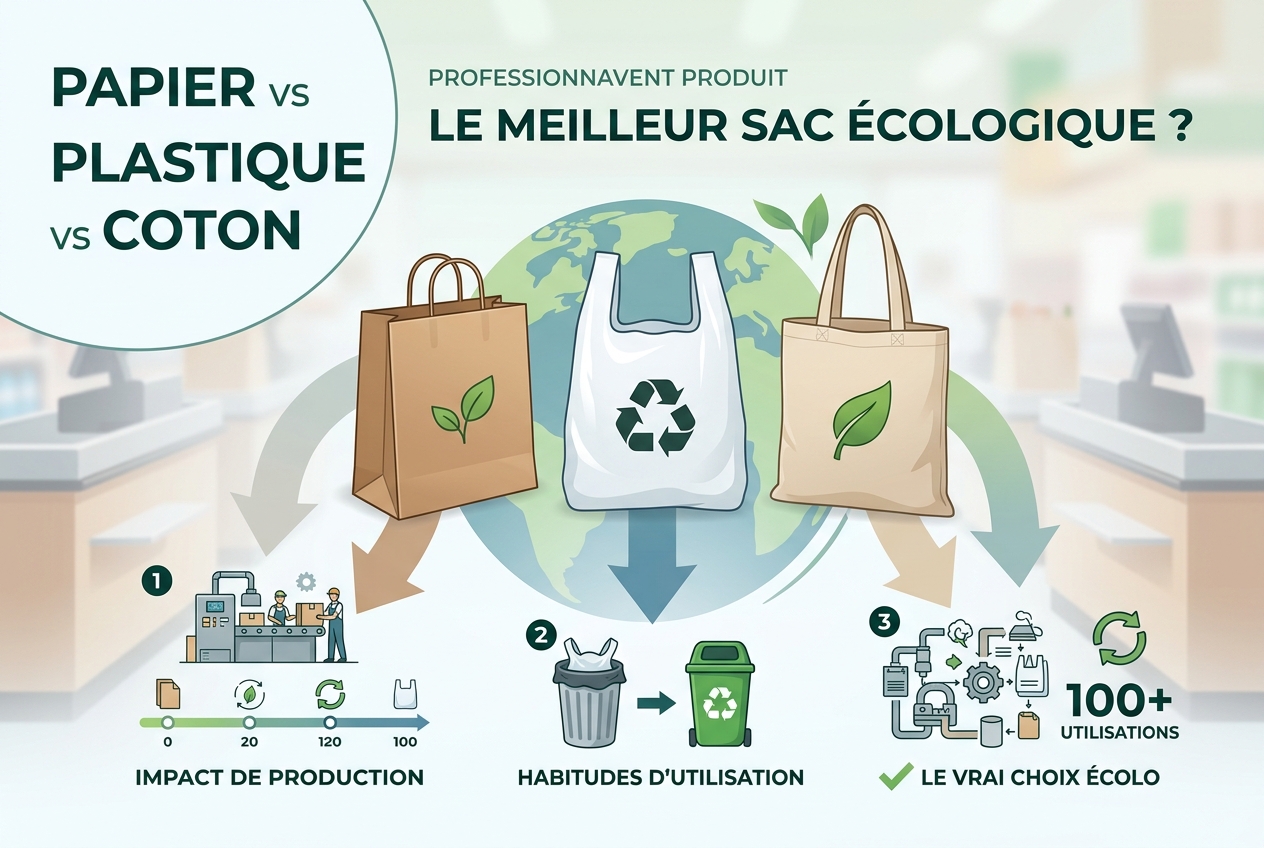
Les sacs de courses entraînent des coûts environnementaux tout au long de leur production, transport, réutilisation, élimination et recyclage. Ce résumé explique comment les sacs en plastique, papier, coton et réutilisables se comparent sur l’ensemble de leur cycle de vie, pourquoi les habitudes de réutilisation comptent souvent plus que le seul choix du matériau, et comment faire des choix plus écologiques à la caisse et à la maison.

L'immortalité de l'humanité par la colonisation multiplanétaire : l'impératif économique des fusées réutilisables
L'humanité atteint la véritable immortalité non pas en prolongeant indéfiniment la vie individuelle, mais en assurant la survie de l'espèce au-delà de la disparition inévitable de la Terre. Cela nécessite de surmonter les coûts prohibitifs des voyages spatiaux grâce à des fusées entièrement réutilisables, qui réduisent les dépenses de lancement jusqu'à 2,5 ordres de grandeur et permettent une colonisation durable de Mars et au-delà. En produisant du propergol sur Mars via l'exploitation in situ des ressources et en mettant en œuvre un ravitaillement en orbite, les missions deviennent économiquement viables, transformant la colonisation spatiale d'une rareté héroïque en une extension routinière de la civilisation.

Points de basculement climatique : Modèles, risques et arbitrages politiques
Les calottes glaciaires, les courants océaniques et la physique des nuages pourraient faire basculer le climat terrestre plus rapidement que les courbes lisses de la plupart des projections. Les conclusions divergent quant à la proximité de ces points de basculement, la fiabilité des modèles qui les prédisent, et la manière dont la finance et les politiques devraient évaluer des risques qui surviennent soudainement plutôt que progressivement. Ce que vous en retenez façonne l'urgence perçue et le degré de précaution nécessaire dans les décisions climatiques.