
Surprotection et rétablissement : traumatisme, autonomie et résilience
De sources originales
À propos de cette capsule
Protéger une personne en difficulté de chaque stress semble bienveillant, mais l’évitement peut discrètement entretenir le traumatisme et freiner la croissance. De la guérison du SSPT à l’indépendance des adolescents, la question difficile est de savoir quand la protection soigne et quand elle freine.
5 raisons contre la surprotection expliquées
Pourquoi le SSPT persiste : évitement et schémas négatifs.
Essayez de demander : « Pourquoi protéger les enfants de l’échec peut-il prolonger la détresse ? »
Interventions surprotectrices qui freinent la croissance.
Essayez de demander : « Quels programmes de soutien à l’enfant ce point de vue pourrait-il qualifier de surprotecteurs ? »
Parentalité équilibrée pour la résilience
La surprotection nuit ; promouvoir l’autonomie des adolescents et l’adaptation.
Ne pas surprotéger ; laisser les gens guérir naturellement.
IA générique vs IA avec cette capsule
Aperçu“Qu’est-ce que la surprotection, et pourquoi peut-elle être plus nuisible qu’utile ?”
IA générique
“La surprotection, c’est quand quelqu’un — souvent un parent, un aidant, un enseignant ou un partenaire — essaie de protéger une autre personne de trop de difficultés, risques, échecs ou émotions négatives. Cela vient généralement d’un souci et d’un soin, mais cela dépasse une protection raisonnable et limite la capacité de l’autre à apprendre, choisir, s’adapter et grandir.
Cela peut être nuisible car :
- Cela réduit l’indépendance. Si quelqu’un est toujours sauvé ou contrôlé, il peut ne pas apprendre à prendre des décisions ou résoudre des problèmes seul.
- Cela affaiblit la confiance en soi. Une protection constante peut envoyer le message « Tu ne peux pas gérer ça », ce qui peut mener au doute de soi.
- Cela augmente l’anxiété. Éviter tout risque peut rendre les défis ordinaires plus effrayants avec le temps.
- Cela empêche d’apprendre de ses erreurs. L’échec, la fru...”
Cette capsule
“La surprotection devient nuisible lorsque la protection se transforme discrètement en apprentissage de l’évitement : la personne apprend « Je ne peux pas affronter cela ; quelqu’un doit me protéger ». Ce schéma peut entretenir le traumatisme, l’anxiété, la dépendance et la détresse adolescente. Dans le SSPT, le signal de danger persiste souvent non pas parce que la personne est encore en danger, mais parce que les comportements d’évitement — suppression des pensées, dissociation, usage de substances, retrait social, recours aux comportements de sécurité — empêchent le cerveau de mettre à jour : « Cela s’est passé alors ; je suis ici maintenant. »
La surprotection signifie éliminer les défis, risques, inconforts, prises de décision ou expositions émotionnelles au-delà de ce que la sécurité exige réellement. Elle peut sembler bienveillante en surface : un parent intervient avant q...”
Surprotection et rétablissement : traumatisme, autonomie et résilience
Capxule Psychology
Voir le profil
Similaires dans Psychologie

Guide du joueur sur la psychologie des casinos et le jeu responsable
Les casinos sont conçus jusque dans les moindres détails, y compris la moquette, pour vous garder à la table, et savoir comment cela fonctionne change votre façon de jouer. Ces tactiques couvrent la science cérébrale des quasi-victoires et des récompenses imprévisibles, les agencements et la surcharge sensorielle qui altèrent le jugement, les probabilités truquées qui cachent le vrai coût, et la discipline de savoir quand s’arrêter. Découvrez le guide complet pour prendre des décisions plus éclairées.

Maîtrise de soi : preuves, environnement et changement d’habitudes
L’idée que la maîtrise de soi s’épuise comme une batterie a façonné des années de conseils, mais elle est désormais remise en question. Ces points de vue vont des échecs de réplication des études sur l’épuisement à des méthodes de test plus rigoureuses, en passant par l’argument que la culture et l’environnement influencent la maîtrise de soi bien plus que la seule volonté intérieure. Vous pouvez décider comment renforcer réellement votre discipline personnelle.
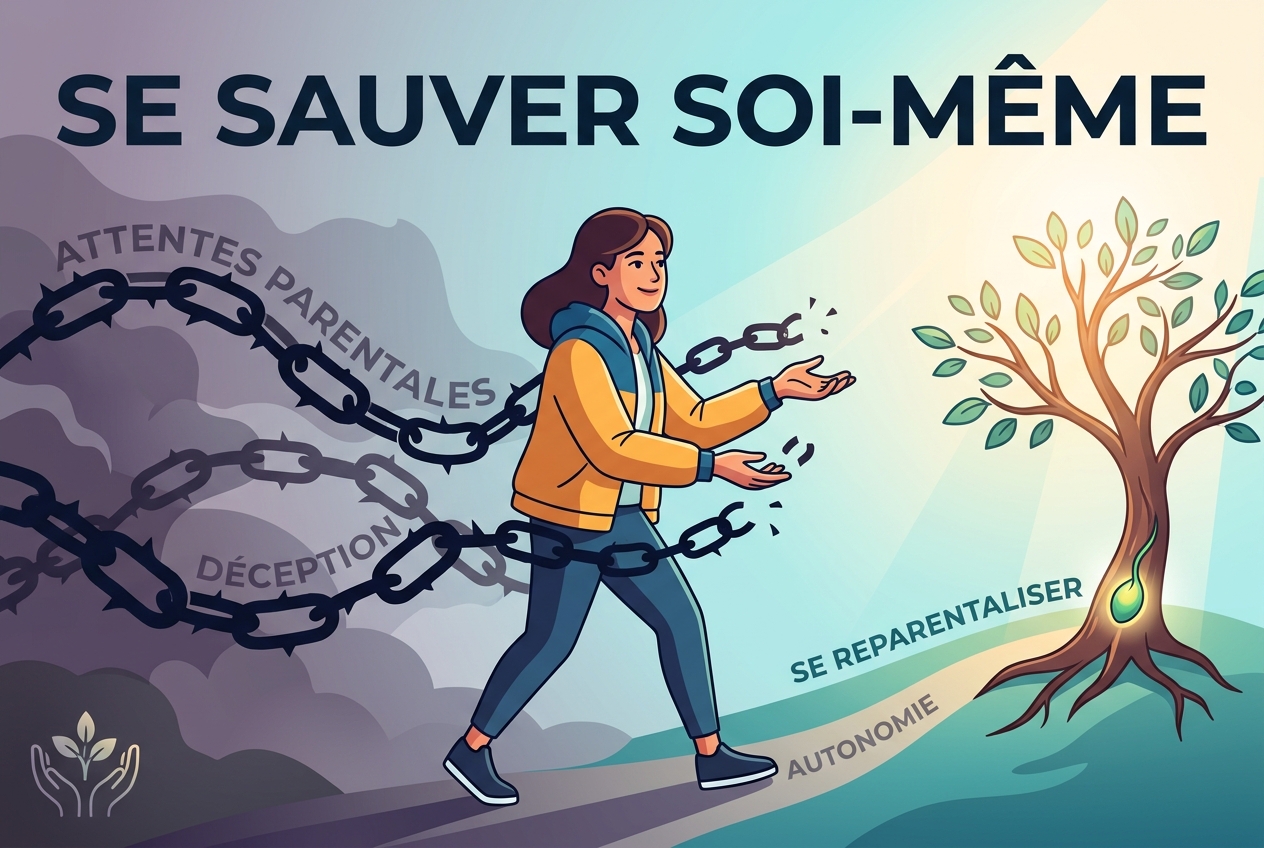
Parents émotionnellement immatures : limites, acceptation et auto-guérison
Grandir avec des parents émotionnellement immatures signifie souvent accepter qu'ils ne répondront jamais à vos besoins d'enfant ni ne changeront de manière significative. La guérison passe par l'abaissement des attentes, l'établissement de limites fermes et le fait de se rééduquer soi-même plutôt que d'espérer une transformation parentale. En vous concentrant sur votre propre rétablissement et votre autonomie émotionnelle, vous pouvez vous libérer de la déception et reprendre le contrôle de votre vie et de vos relations.
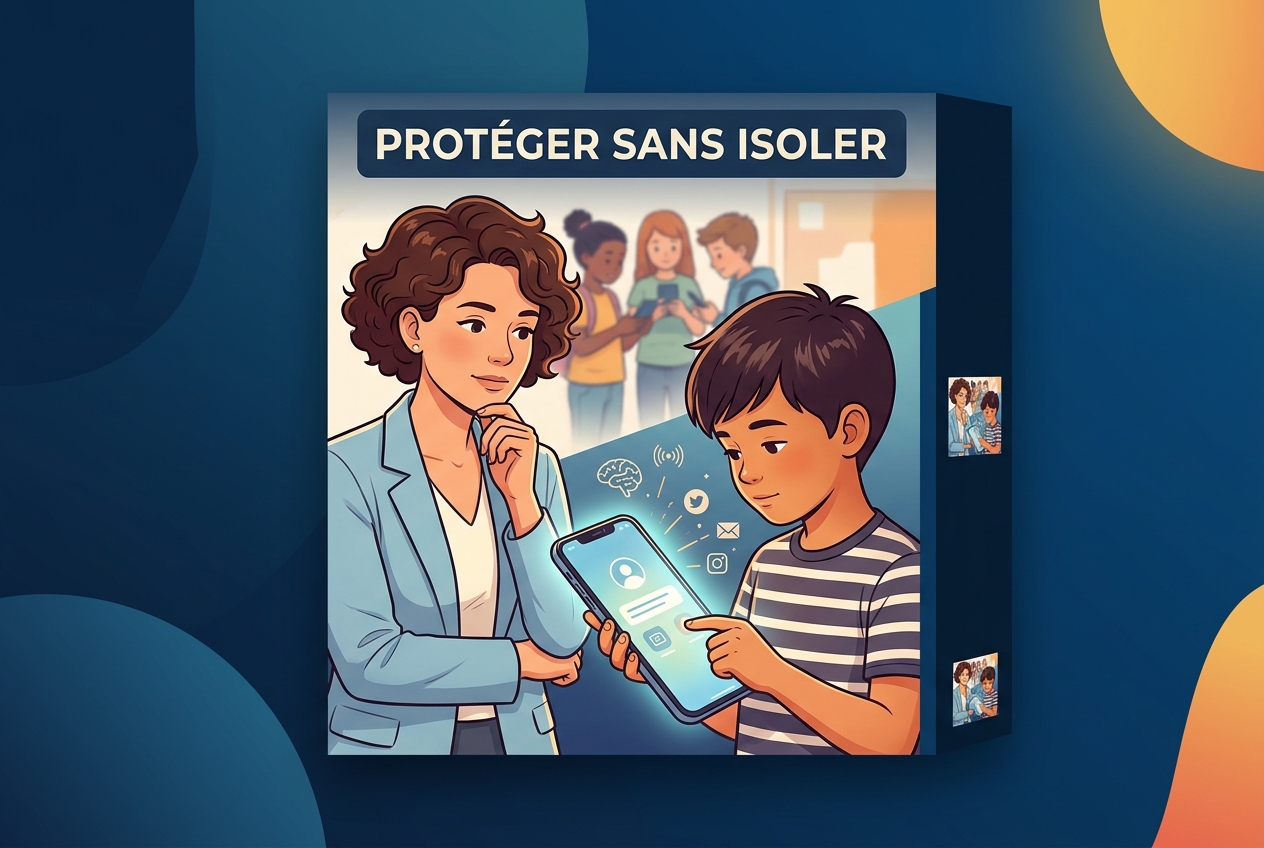
Guide parental sur les premiers smartphones et les compromis liés au temps d’écran
Chaque parent qui remet un premier téléphone mène une expérience sur un esprit en développement. Les avis vont de la réglementation stricte et du report pur et simple des téléphones à l’accompagnement des bonnes pratiques sur les réseaux sociaux, certains estimant que les recherches sont trop faibles pour justifier la panique. Pesez les preuves et la prudence pour décider ce qui protège votre enfant sans le couper du monde.