
Trouble lié aux jeux vidéo : contrôle, préjudice et critère des douze mois
De sources originales
À propos de cette capsule
Beaucoup de personnes s'inquiètent que leur pratique du jeu vidéo soit problématique, mais le seuil clinique est bien plus élevé qu'une semaine chargée. Cette approche considère qu'un trouble du jeu vidéo signifie un contrôle altéré, le jeu prenant le pas sur tout le reste, et une poursuite malgré un réel préjudice pendant au moins douze mois. Utiliser ce critère plus strict permet de distinguer les comportements réellement nuisibles de l'enthousiasme normal.
Fait partie de
Trouble lié aux jeux vidéo : contrôle, préjudice et critère des douze mois
Capxule Gaming
Voir le profil
Similaires dans Psychologie

Guide du joueur sur la psychologie des casinos et le jeu responsable
Les casinos sont conçus jusque dans les moindres détails, y compris la moquette, pour vous garder à la table, et savoir comment cela fonctionne change votre façon de jouer. Ces tactiques couvrent la science cérébrale des quasi-victoires et des récompenses imprévisibles, les agencements et la surcharge sensorielle qui altèrent le jugement, les probabilités truquées qui cachent le vrai coût, et la discipline de savoir quand s’arrêter. Découvrez le guide complet pour prendre des décisions plus éclairées.

Maîtrise de soi : preuves, environnement et changement d’habitudes
L’idée que la maîtrise de soi s’épuise comme une batterie a façonné des années de conseils, mais elle est désormais remise en question. Ces points de vue vont des échecs de réplication des études sur l’épuisement à des méthodes de test plus rigoureuses, en passant par l’argument que la culture et l’environnement influencent la maîtrise de soi bien plus que la seule volonté intérieure. Vous pouvez décider comment renforcer réellement votre discipline personnelle.
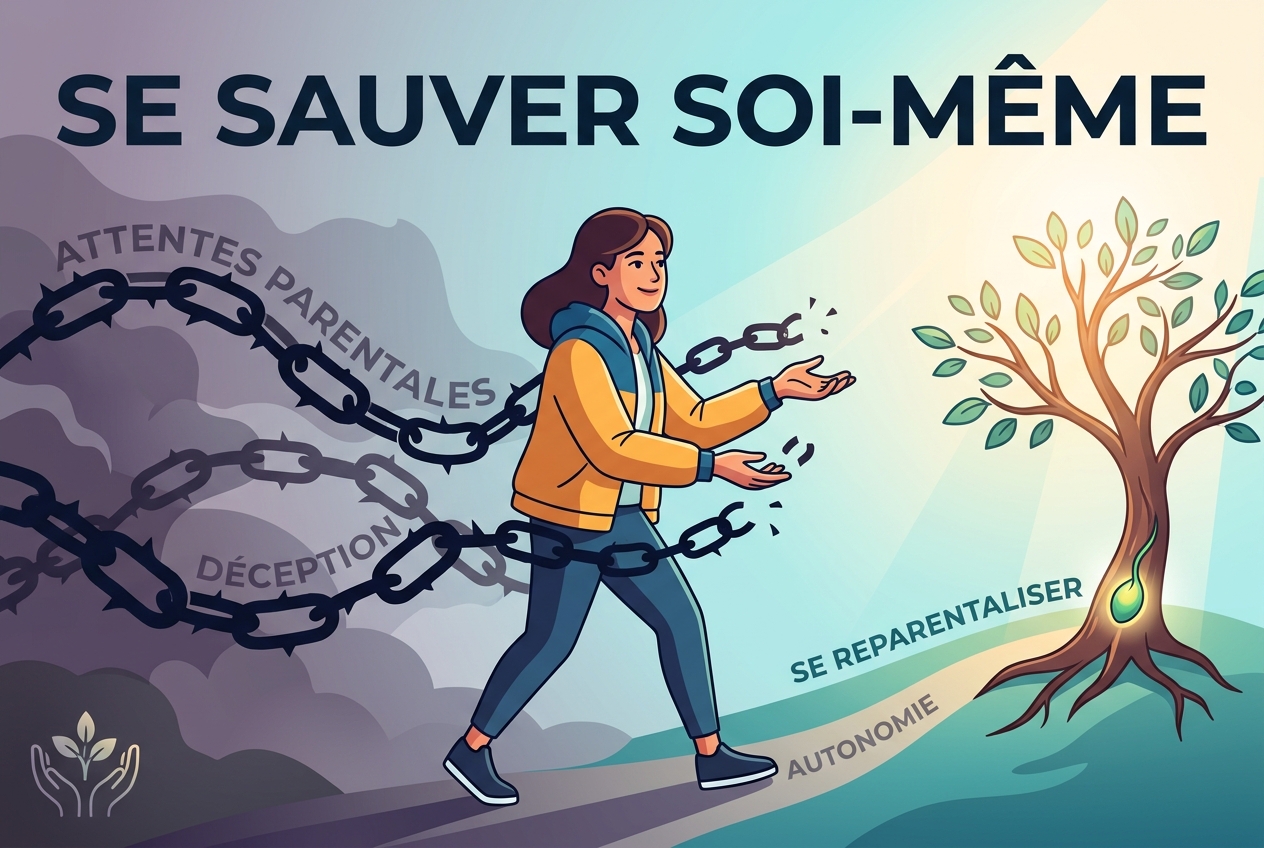
Parents émotionnellement immatures : limites, acceptation et auto-guérison
Grandir avec des parents émotionnellement immatures signifie souvent accepter qu'ils ne répondront jamais à vos besoins d'enfant ni ne changeront de manière significative. La guérison passe par l'abaissement des attentes, l'établissement de limites fermes et le fait de se rééduquer soi-même plutôt que d'espérer une transformation parentale. En vous concentrant sur votre propre rétablissement et votre autonomie émotionnelle, vous pouvez vous libérer de la déception et reprendre le contrôle de votre vie et de vos relations.

Surprotection et rétablissement : traumatisme, autonomie et résilience
Protéger une personne en difficulté de chaque stress semble bienveillant, mais l’évitement peut discrètement entretenir le traumatisme et freiner la croissance. De la guérison du SSPT à l’indépendance des adolescents, la question difficile est de savoir quand la protection soigne et quand elle freine.