
Sécurité des ustensiles de cuisine : aluminium, revêtements antiadhésifs et preuves
De sources originales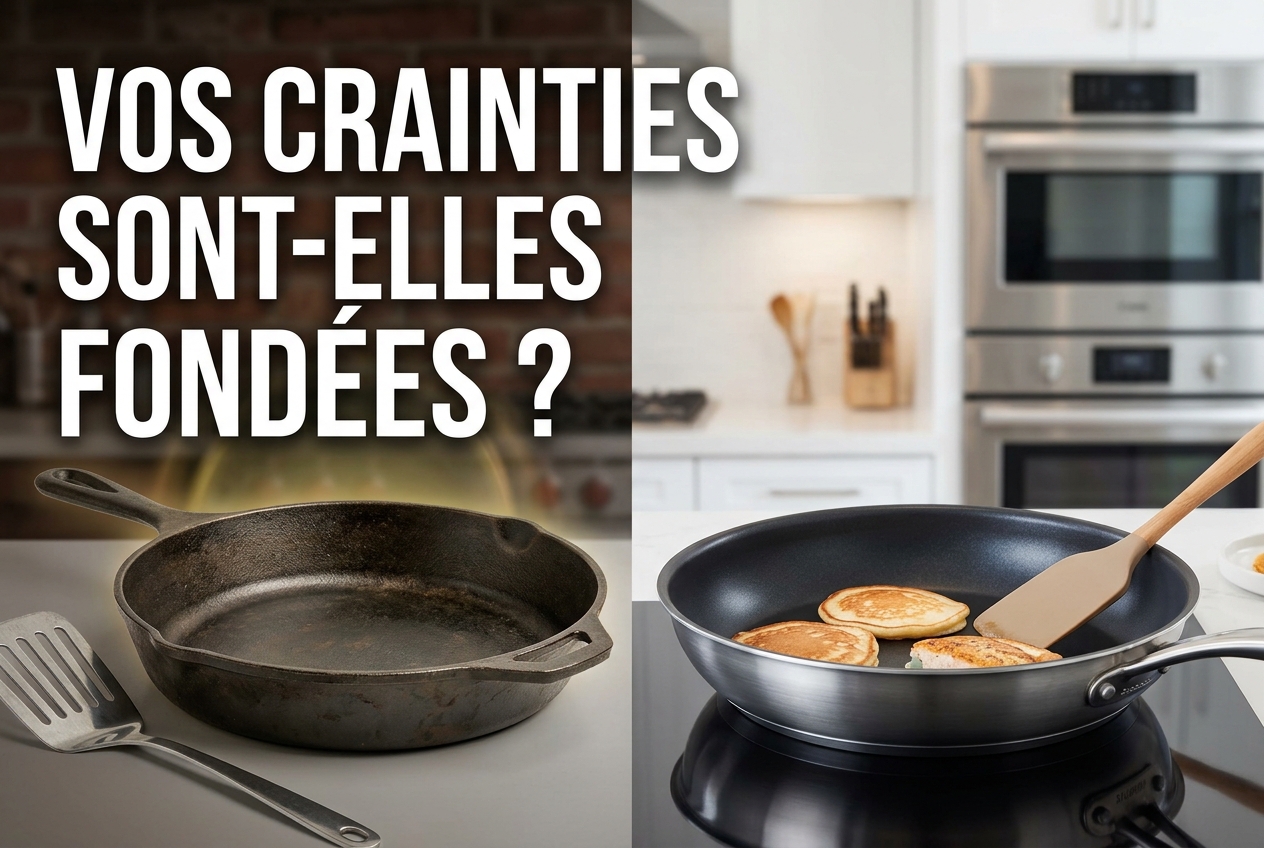
À propos de cette capsule
Les avertissements concernant l'aluminium et les ustensiles de cuisine antiadhésifs sont omniprésents, pourtant une grande partie des données scientifiques va dans le sens inverse. Les opinions divergent quant à l'interprétation de ces preuves : certains prônent la prudence face à tout risque potentiel, tandis que d'autres estiment que les données montrent que ces poêles sont sûres en usage normal et que la panique elle-même est nuisible. Distinguer la rigueur de l'alarme vous aide à décider ce qui doit figurer dans votre cuisine.
3 points de vue sur la sécurité des ustensiles et les craintes liées à l'aluminium
Sécurité des ustensiles fondée sur les preuves vs panique
Essayez de demander : « Les poêles antiadhésives et en aluminium sont-ils dangereux en usage normal ? »
Rigueur statistique pour les preuves de sécurité
Sécurité de l'aluminium : preuves contre panique.
IA générique vs IA avec cette capsule
Aperçu“Je veux arrêter d'utiliser des ustensiles antiadhésifs mais j'ai un budget serré — par où commencer ?”
IA générique
“Commencez par remplacer une seule poêle que vous utilisez le plus, pas toute votre cuisine. Avec un budget serré, le meilleur équipement de départ sans antiadhésif est généralement :
1) Achetez d'abord une poêle en fonte
Meilleur choix économique : poêle en fonte de 25–30 cm (10–12 pouces)
Pourquoi : peu coûteuse, durable pendant des décennies, excellente pour les œufs une fois assaisonnée, saisir, sauter, cuire, tortillas, crêpes, etc.
Où acheter : Lodge neuve, magasins d'occasion, vide-greniers, Facebook Marketplace. La rouille est souvent réparable.
Entretien de base :
- Bien la préchauffer.
- Utiliser suffisamment de matière grasse.
- Ne pas la tremper.
- Sécher après lavage et frotter avec un peu d'huile.
2) Ajoutez une casserole ou poêle en acier inoxydable quand possible
L'acier inoxydable est idéal pour : bouillir, sauces, soupes, pâte...”
Cette capsule
“Commencez par une seule poêle, pas toute une cuisine : remplacez d'abord votre poêle antiadhésive la plus utilisée — surtout si elle présente des éclats, des écailles, des cloques, des rayures profondes ou des décolorations. Une poêle en PTFE/Teflon rayée ou fissurée peut libérer des milliers à des millions de particules, et une poêle vide sur feu vif peut atteindre la zone de dégradation du PTFE — environ 260 °C / 500 °F — en quelques minutes.
Voici le parcours prioritaire pour un budget limité :
1. Achetez un outil polyvalent pas cher : fonte ou acier inoxydable
Meilleur premier achat si l'argent est serré : fonte d'occasion ou pré-assaisonnée
Cherchez dans les magasins d'occasion, ventes de succession, Facebook Marketplace, magasins discount ou fournisseurs pour restaurants.
Utilisez-la pour :
- œufs une fois bien assaisonnée
- friture
- saisir
- crêpes
- rô...”
Sécurité des ustensiles de cuisine : aluminium, revêtements antiadhésifs et preuves
Capxule Food & Cuisine
Voir le profil
Similaires dans Alimentation
Huile d'olive extra vierge authentique : bien l'acheter, la déguster et la conserver
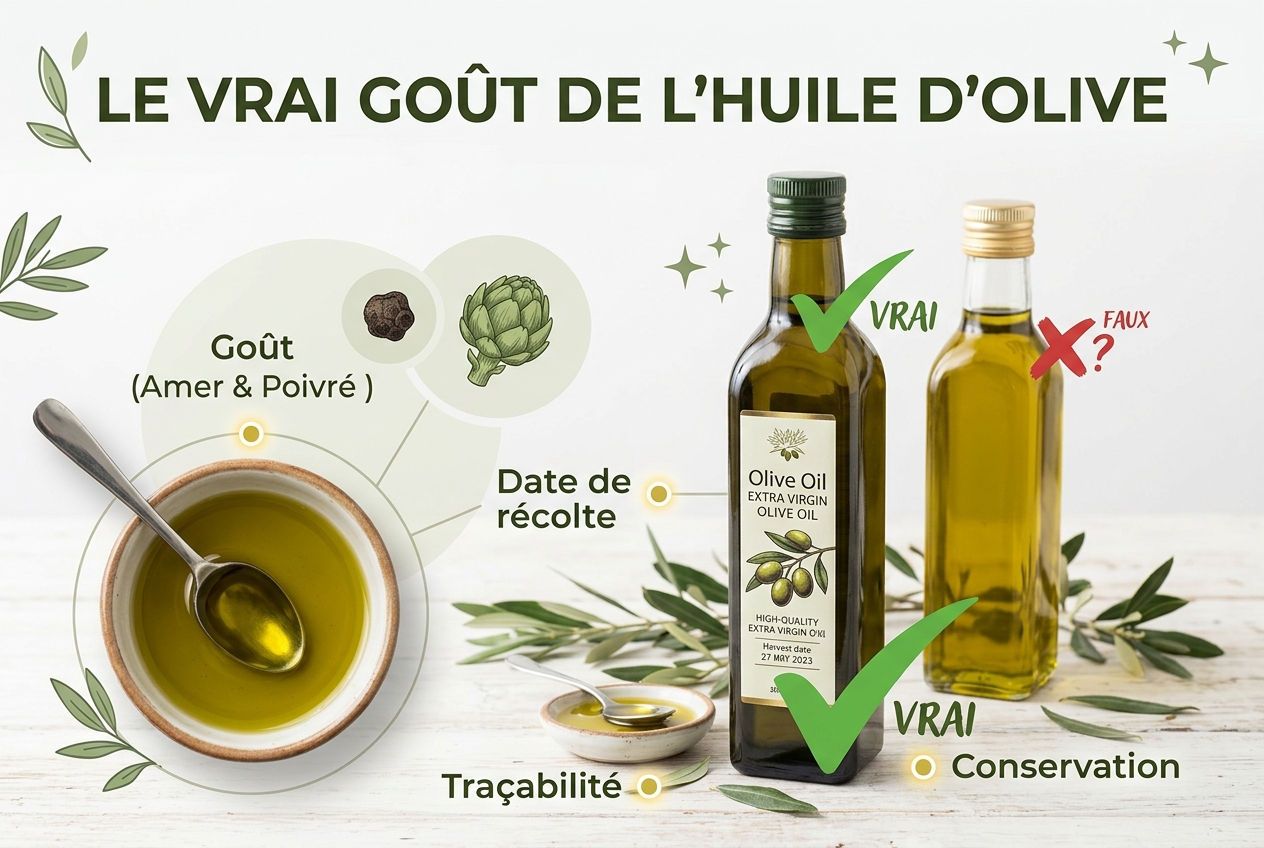
Une grande partie de l'huile d'olive extra vierge en rayon ne correspond pas à ce que promet l'étiquette, et le véritable produit se reconnaît à son amertume et à sa piqûre poivrée. Ces conseils diffèrent selon la manière de démasquer une contrefaçon : certains reposent sur le goût et cette sensation qui chatouille la gorge, d'autres sur les dates de récolte et la traçabilité, et d'autres encore sur les habitudes de conservation qui empêchent une vraie bouteille de devenir rance. Vous saurez ainsi acheter une huile authentique en toute confiance et la garder fraîche chez vous.

Panique autour du MSG : Science, préjugés et sécurité alimentaire
Une seule lettre publiée en 1968 dans une revue médicale a contribué à déclencher cinquante ans de peur autour du MSG. Les opinions divergent quant à savoir si cette panique était une erreur infondée, le produit d’un biais anti-asiatique, ou un avertissement sur de réels risques sanitaires que la science n’a pas encore tranchés. Suivez la diffusion de cette peur et décidez par vous-même ce qui doit figurer dans votre alimentation.
Guide du brasseur amateur sur l'eau pour le café : minéraux, dureté et pH
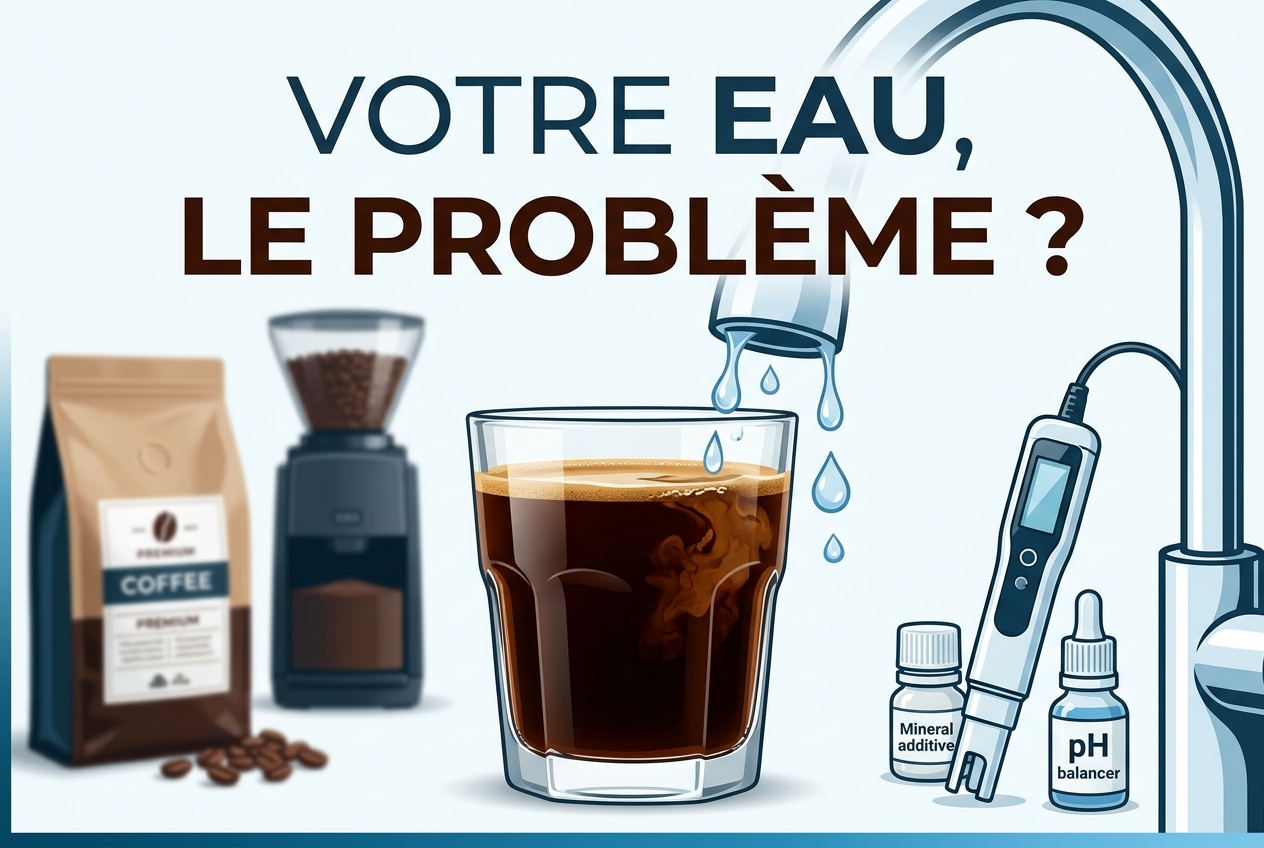
L'eau utilisée pour le café influence l'extraction, la clarté des arômes et la longévité de l'équipement grâce à ses minéraux, sa dureté et son pH. Découvrez comment la purification, la reminéralisation, le contrôle du tartre et l'acidité interagissent afin de tester votre eau du robinet et choisir le bon ajustement pour améliorer votre préparation maison.

Levain Précis : Température, Timing et Pain Reproductible
Cette méthode insiste sur le fait que des températures exactes, des proportions précises d’ingrédients et des temps de fermentation maîtrisés sont essentiels pour réussir la boulangerie au levain, remettant en cause la croyance courante selon laquelle l’intuition et l’improvisation suffisent. En suivant des formules spécifiques pour la température de l’eau, l’entretien du levain et les calendriers de fermentation, les boulangers peuvent produire de manière fiable un pain constant et de haute qualité. L’adoption de ces techniques précises transforme la boulangerie au levain d’un art empirique en un processus prévisible et reproductible.