
Guide du nouveau parent pour les soins, la sécurité et la récupération du nouveau-né
De sources originales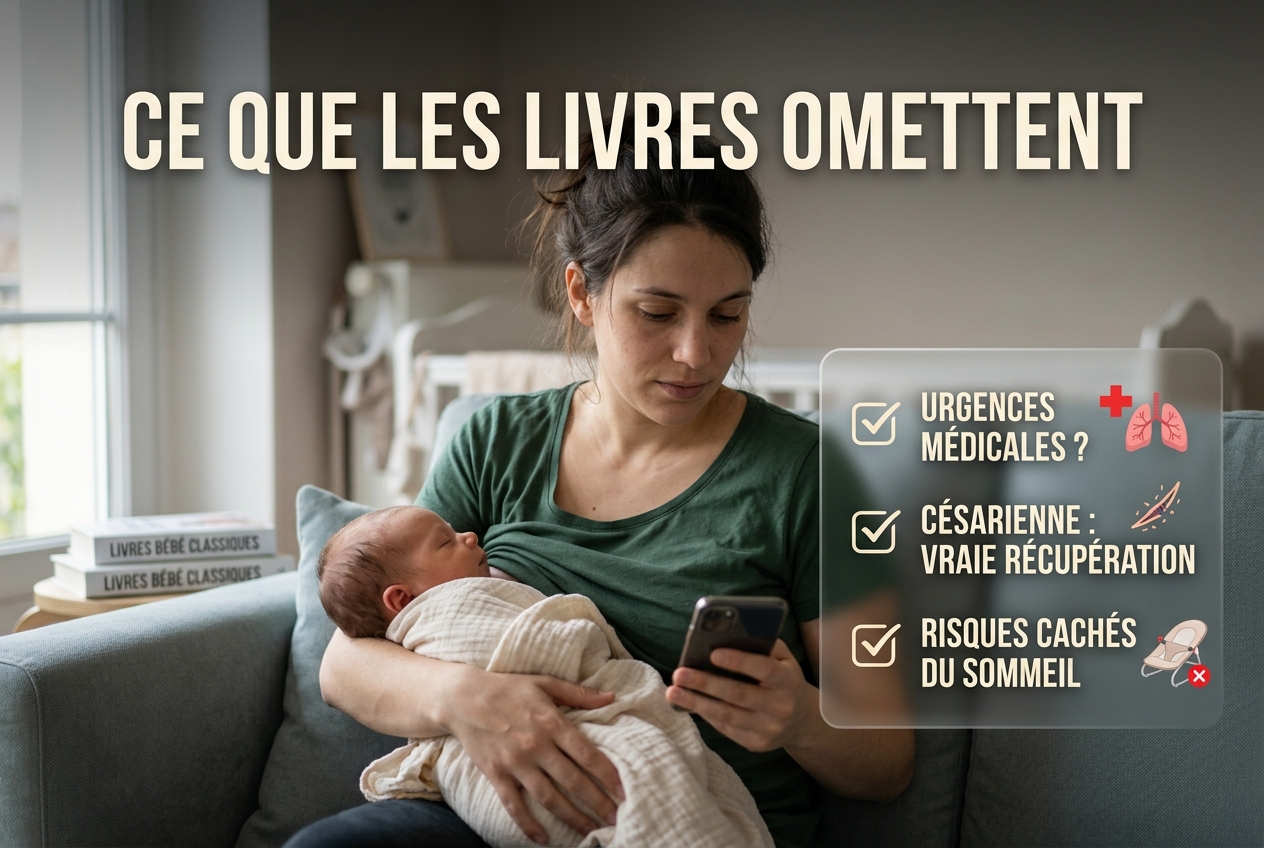
À propos de cette capsule
Le premier mois avec un nouveau-né implique des réalités que les livres pour bébés omettent souvent, des signes médicaux urgents comme les difficultés respiratoires et les convulsions aux véritables défis de la récupération post-partum après une césarienne. Cette collection révèle les différences cruciales dans les approches des soins aux nouveau-nés, notamment quand demander une aide d'urgence, comment interpréter les signaux d'alimentation au-delà de la faim, et pourquoi certaines pratiques courantes comme laisser les bébés dormir dans des transats peuvent être dangereuses. Comprendre ces sujets variés permet aux nouveaux parents de reconnaître les risques cachés et de gérer les soins du nouveau-né en toute confiance.
5 sujets essentiels sur le premier mois du nouveau-né
Tâches de documentation du nouveau-né que les livres pour bébés omettent.
Essayez de demander : « Quel document du nouveau-né les parents doivent-ils photographier avant de quitter l’hôpital ? »
Conseils réels pour la parentalité du nouveau-né.
Les réalités non dites de la récupération post-partum.
Signaux d’alerte médicaux que les livres pour bébés omettent
Soins réels du nouveau-né au-delà des livres pour bébés
IA générique vs IA avec cette capsule
Aperçu“Que doivent surtout savoir les nouveaux parents que les livres pour bébés omettent ?”
IA générique
“Les livres pour bébés typiques sont bons pour « que fait le bébé cette semaine ? » mais minimisent souvent la réalité vécue de devenir parent. Les plus grandes choses que beaucoup de nouveaux parents auraient aimé savoir :
-
Vous n’êtes pas censé savoir tout de suite ce que vous faites.
Les soins au nouveau-né s’apprennent par répétition. Se sentir maladroit, lent, anxieux ou incertain ne signifie pas que vous échouez. -
Les premières semaines sont souvent une question de survie, pas de routines.
Nourrir, changer les couches, apaiser et guérir peuvent occuper toute la journée. Une maison impeccable, les visiteurs, le sport, les repas élaborés et les « horaires de sommeil » peuvent attendre. -
La récupération post-partum est un événement médical et émotionnel majeur.
La guérison de l’accouchement, les hormones, les saignements, les points, la cicatrisation...”
Cette capsule
“Ce que les livres pour bébés minimisent, c’est que les soins au nouveau-né ne se résument pas à « nourrir, faire roter, emmailloter ». C’est un système de triage en temps réel : savoir quand attendre, quand apaiser, quand nourrir, quand photographier les papiers, et quand aller directement aux urgences.
Voici les chapitres manquants dont les nouveaux parents ont le plus besoin.
1. Certains symptômes du nouveau-né ne sont pas des cas de « surveiller et voir »
Si votre nouveau-né présente des signes de maladie ou de détresse respiratoire, appelez le 15 ou consultez immédiatement un médecin. Cela inclut la difficulté à respirer, une respiration très rapide, un grognement continu en respirant, un étouffement, un arrêt respiratoire, ou un visage pâle/bleu/gris.
Traitez aussi toute activité convulsive comme une urgence. Une crise peut ressembler à des secousses répétées soudaines des br...”
Guide du nouveau parent pour les soins, la sécurité et la récupération du nouveau-né
Capxule Health
Voir le profil
Similaires dans Santé
Guide du patient sur les analyses thyroïdiennes normales et les tests de suivi
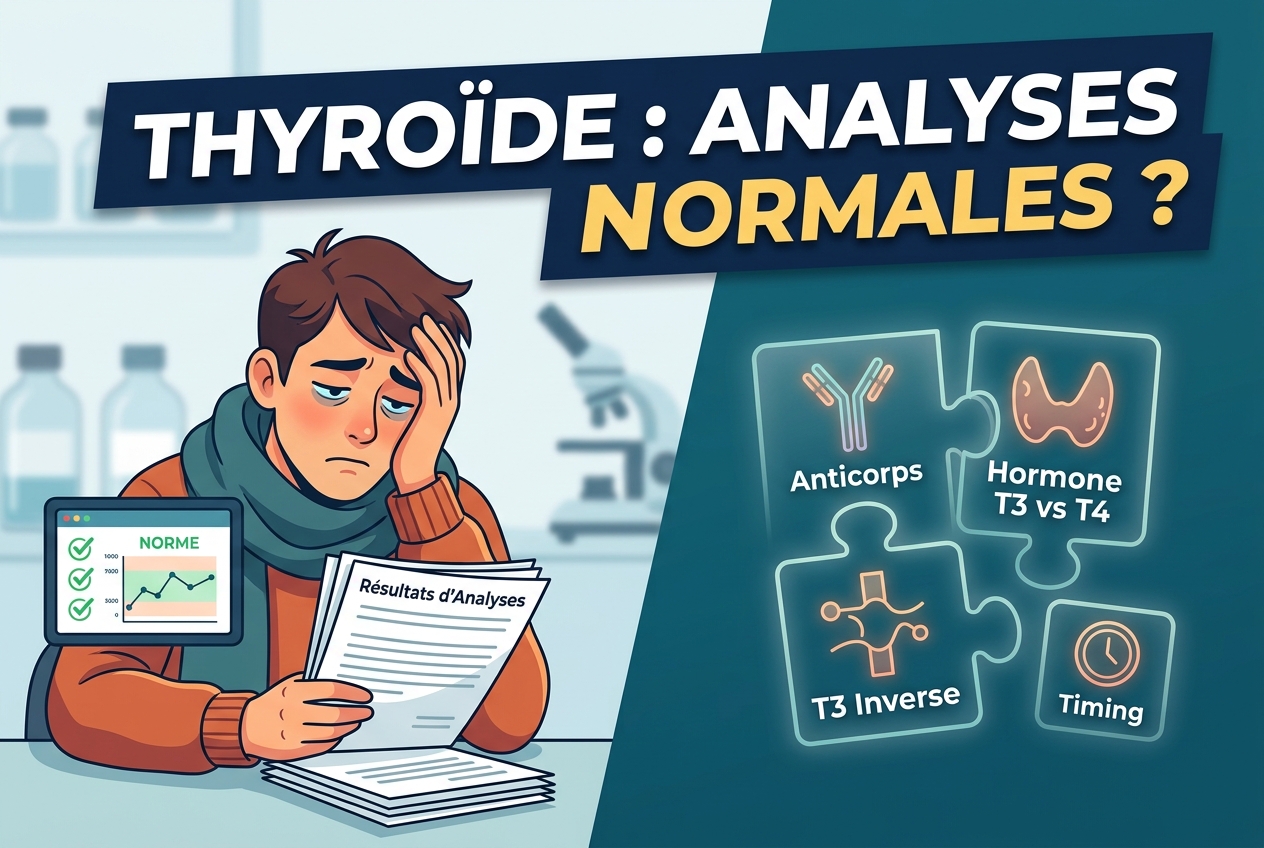
Des résultats normaux aux analyses thyroïdiennes n'expliquent pas toujours des symptômes persistants tels que la fatigue, le brouillard cérébral, l'intolérance au froid ou les variations de poids. Ce guide explique ce que les tests thyroïdiens standard peuvent et ne peuvent pas révéler, comment des facteurs tels que les anticorps, la conversion hormonale, les plages de référence et le moment du test peuvent influencer l'interprétation, et quels tests de suivi pourraient valoir la peine d'être discutés avec un clinicien.

Surdiagnostiqué : Comment le profit a remodelé la prise en charge du TDAH
L’augmentation des diagnostics de TDAH reflète moins un besoin réel des patients qu’une industrie qui profite de chaque prescription. À contre-courant de la norme dominante du médicament en premier recours, cette analyse affirme que l’influence des laboratoires biaise la recherche et les recommandations, et que les approches communautaires et comportementales s’attaquent aux causes profondes sans pathologiser des comportements normaux. Le scepticisme face au diagnostic motivé par le profit est le point de départ d’une prise en charge plus honnête de la santé mentale.

Guide de l'acheteur sur les coûts et la couverture de l'assurance santé
Choisir un plan d'assurance santé pendant la période d'inscription ouverte est compliqué par des processus confus, des défis d'accessibilité financière et des limites de couverture cachées. Les plans varient largement dans leur gestion des coûts, des soins hors réseau et des indicateurs de qualité tels que la gestion du diabète, tandis que les ressources d'accompagnement diffèrent en financement et disponibilité. Comprendre ces différences vous aide à éviter les refus inattendus, les frais et les lacunes de couverture afin de trouver un plan qui correspond réellement à vos besoins.
Aliments ultra-transformés : classification, nutrition et compromis en santé publique
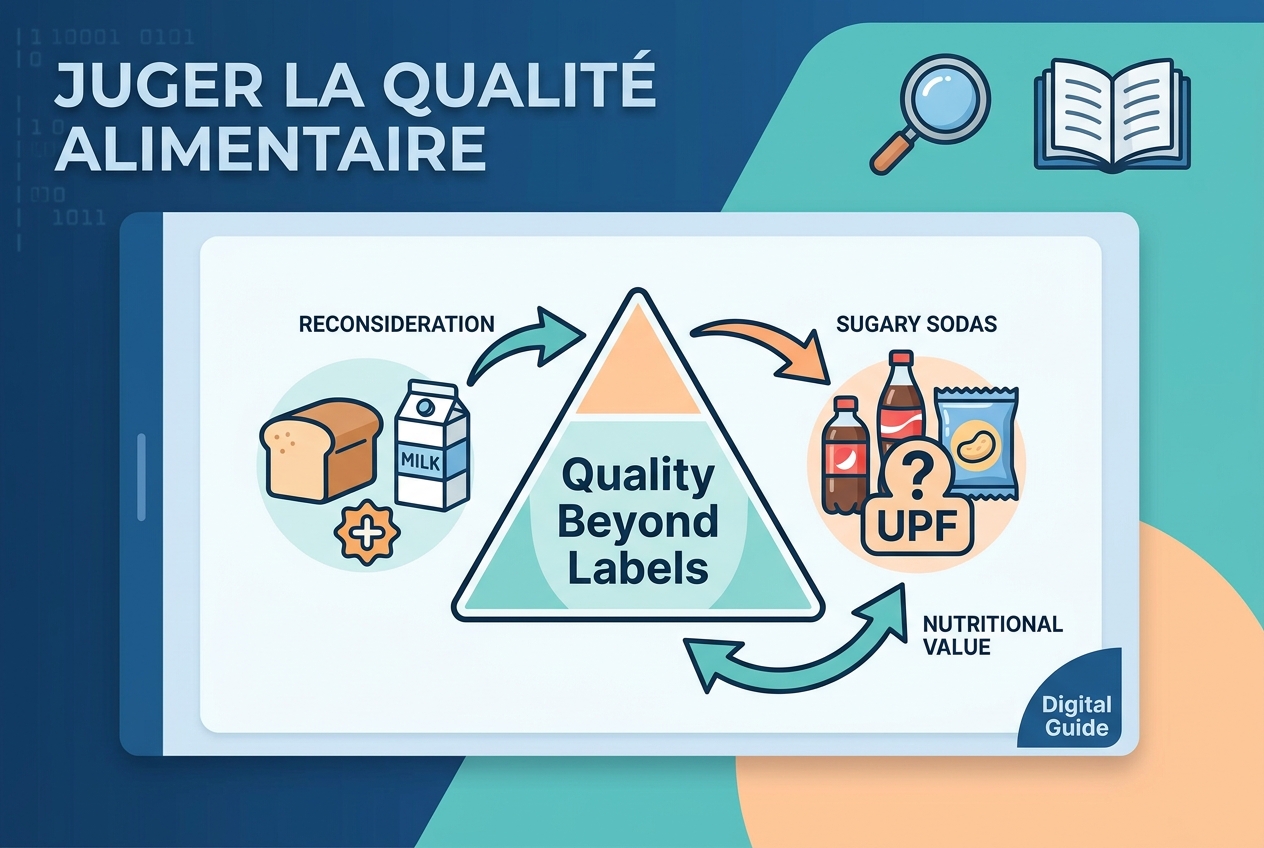
Le terme ultra-transformé est devenu synonyme de mauvais, mais cette étiquette regroupe les aliments de base enrichis avec la malbouffe. Ces affirmations remettent en question la panique sous différents angles : les failles de la classification NOVA, la simplification médiatique, et des cas où la transformation ajoute réellement des nutriments. Les comprendre vous permet de juger la qualité des aliments au-delà du mot à la mode.