
Capxule Business
بواسطة CapxuleHub Business · انضم يونيو 2026
الكبسولات

AI Visibility Strategy: Brand Sentiment, Click Data, and Verification
AI answer engines now sit between your content and the click, and the old ranking playbook is losing its grip. These approaches bet differently on what replaces it: optimizing brand sentiment inside AI answers, trusting click data over impressions, and verifying before reacting to every ranking swing. Compare the bets and pick the moves worth making now.

Mastering Email Sequences for Customer Recovery and Engagement
You will learn how to design effective email sequences that recover customers and nurture leads by timing messages strategically—from immediate welcome emails to gradually spaced follow-ups. This includes crafting abandoned cart sequences with product images and incentives sent within hours, implementing urgency with enforceable deadlines, and aligning emails with buyer journey stages to maximize engagement without overwhelming recipients. You will also discover best practices for VIP treatment, value-driven sales emails, and win-back campaigns that combine empathy with clear calls to action.

Managing Equity and Intellectual Property for Startup Founders
Startup founders must establish clear legal and financial foundations by appointing a Delaware registered agent if not physically located in Delaware, assigning all intellectual property in writing to the company, and implementing founder equity vesting schedules with a typical four-year term and one-year cliff. Founders also need to file 83(b) elections within 30 days of receiving equity to optimize tax benefits and comply with Delaware’s annual franchise tax and reporting requirements. Additionally, understanding the conversion of SAFEs and notes during priced rounds and securing an EIN after incorporation are essential steps to maintain compliance and protect ownership interests.
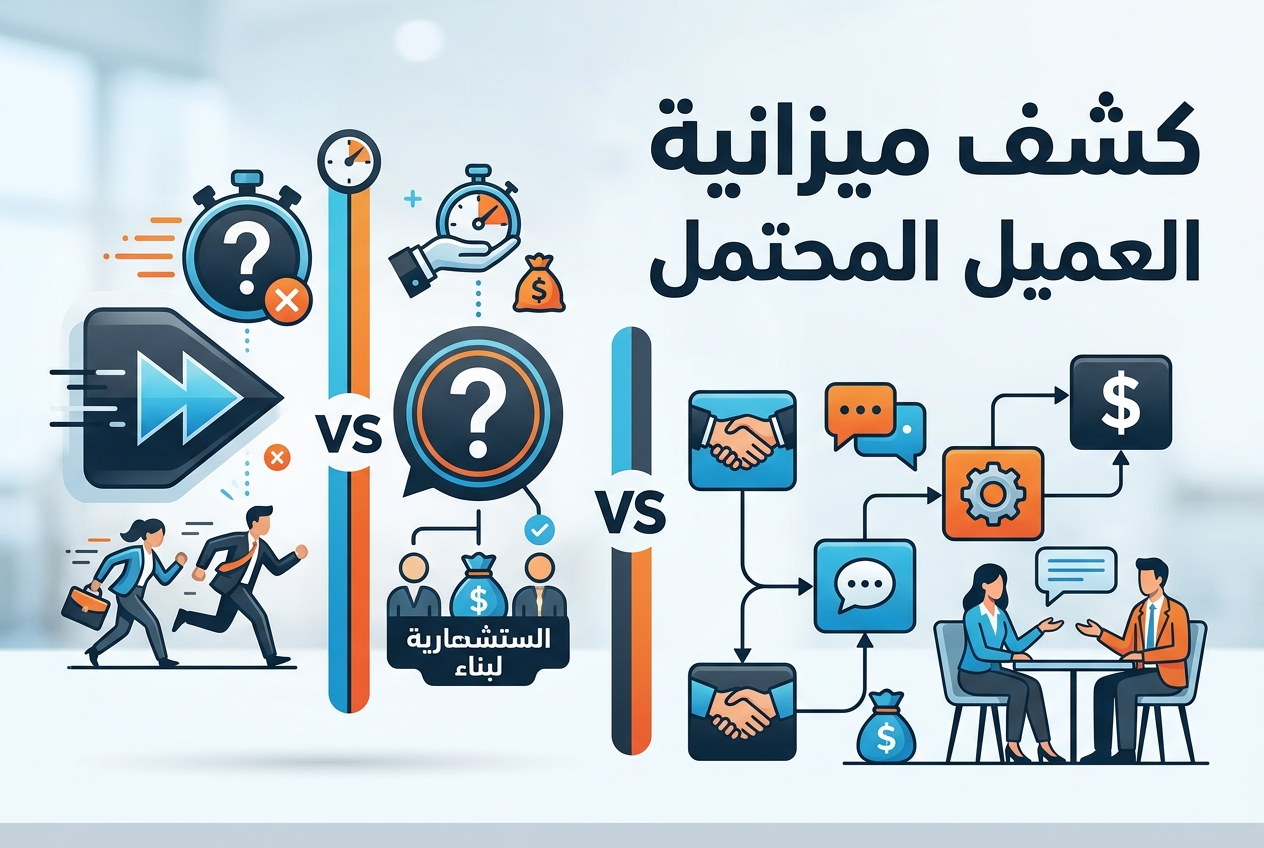
How to Navigate Budget Questions in Sales Discovery Calls
Navigating budget questions effectively in discovery calls requires a strategic approach to uncover real business impact and decision-making dynamics. By employing frameworks like CHIRP™ and asking targeted open-ended questions about challenges, risks, and priorities, salespeople can qualify deals accurately and set agendas that respect prospects’ time. Taking ownership of follow-up and connecting consequences of inaction to business value ensures productive next steps and higher win rates.
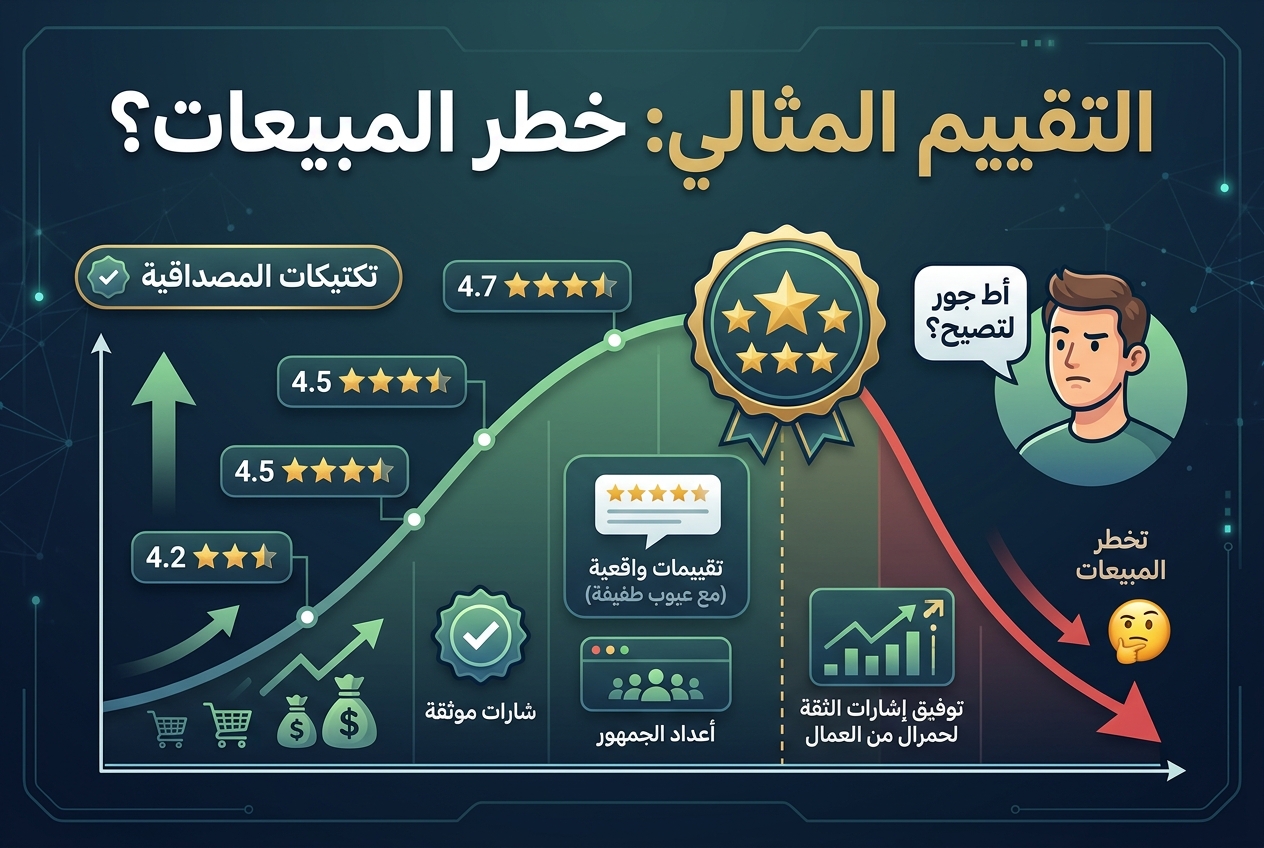
The Ecommerce Guide to Trust Signals
Shoppers lean on reviews and badges to decide whether to trust you, but flawless scores can read as fake. The tactics disagree on what builds credibility: placing ratings right at the buy button, showing authentic slightly imperfect scores, displaying crowd numbers and verified badges, or matching trust signals to each buyer's specific doubt. Deploying them well turns skeptical visitors into buyers instead of arousing suspicion.

A Business Owner's Guide to Cash-to-Accrual Accounting Changes
Switch your accounting method at the wrong time, or the wrong way, and you invite IRS penalties and messy books. The options divide on what should drive the move: hard revenue thresholds and inventory rules, strict compliance steps like Form 3115, or the practical needs of your business regardless of thresholds. Laying them side by side shows when a switch is required, when it is merely wise, and how to land it cleanly.

The Global Business Tax Playbook: Structures, Pricing, and Compliance
Expanding across borders means entity structures, transfer pricing, and filings like Form 5472 and FBAR that carry brutal penalties for slip-ups. These areas differ on whether to chase treaty and incentive savings or prioritize airtight compliance and proactive advice. See where they conflict so you can pick the right path for your expansion.
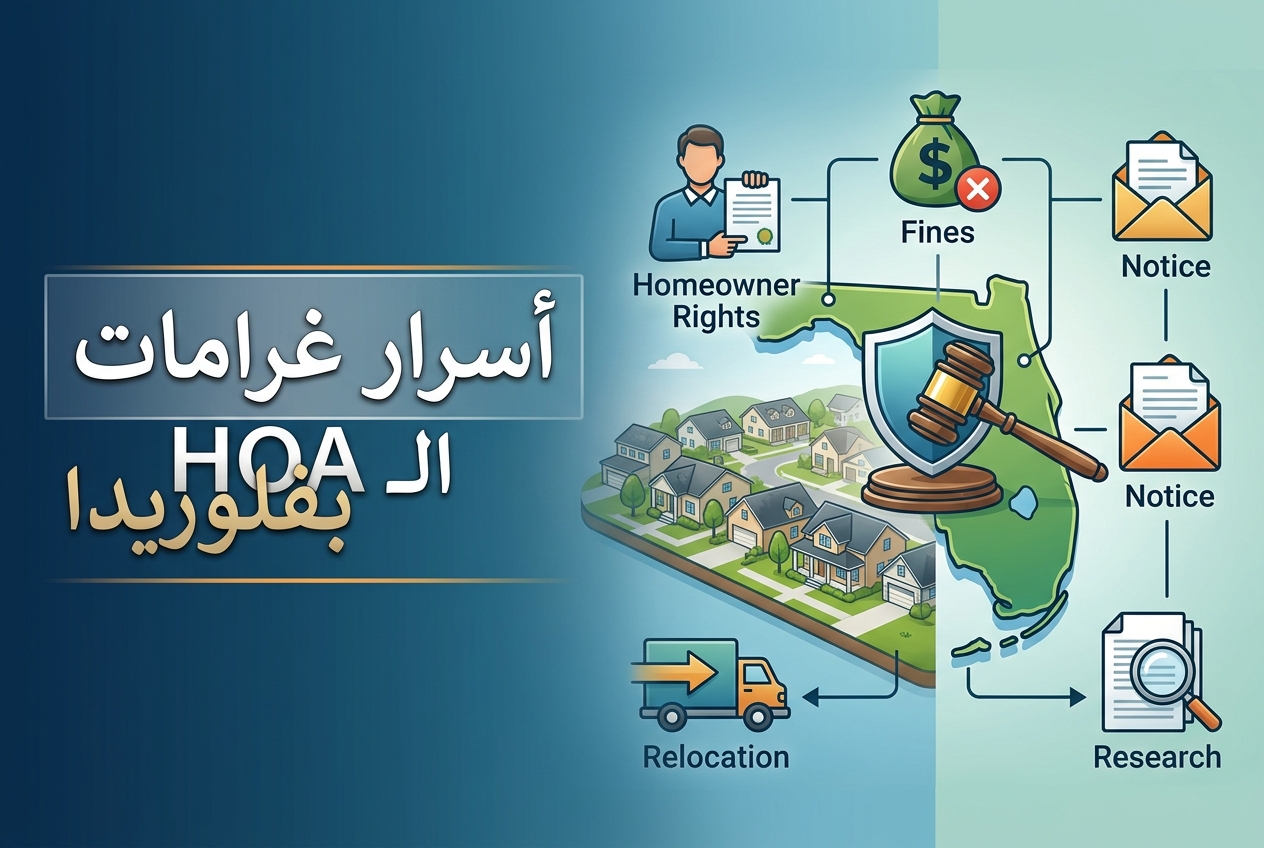
A Homebuyer's Guide to Florida HOA Fines and Relocation Risks
Florida HOA rules impose specific limits on fines and suspensions, including notice requirements, hearing procedures, opportunities to cure violations, and caps on penalties. Homebuyers will learn how these enforcement rules can affect ownership costs, neighborhood expectations, and relocation decisions in a state where housing, insurance, and association governance can vary sharply from one community to another.

Los Angeles Rental Protections: Rent Increases, Evictions, and Relocation
Tenant protections in Los Angeles vary significantly depending on the building's age and applicable laws, with key differences in rent increase limits, eviction reasons, and relocation assistance requirements. Some units are covered by the Rent Stabilization Ordinance limiting rent hikes and requiring just cause for eviction, while newer apartments are exempt but still protected by universal just cause rules. Understanding these protections helps tenants and landlords know when rent can be raised, when eviction is allowed, and what procedural steps must be followed.

A Childcare Provider's Guide to Home and Center Daycare Compliance
Running a daycare or in-home childcare involves navigating hidden legal, safety, and staffing challenges that often go unspoken. The requirements differ sharply between home-based and center-based care, especially around licensing, liability insurance, staff background checks, and reporting serious incidents. Understanding these distinct requirements helps providers make informed decisions to protect children, comply with regulations, and sustain their business.

The Salon Professional's Guide to Booth Rent, Commission, and Chair Ownership
Salon and barbershop money models differ sharply in who handles costs, risks, and rewards—from renting a booth to earning commission or owning a chair outright. These models vary in tax responsibilities, licensing, insurance requirements, and client management strategies. Understanding these differences helps workers and owners decide the best path for financial control, legal compliance, and steady income.
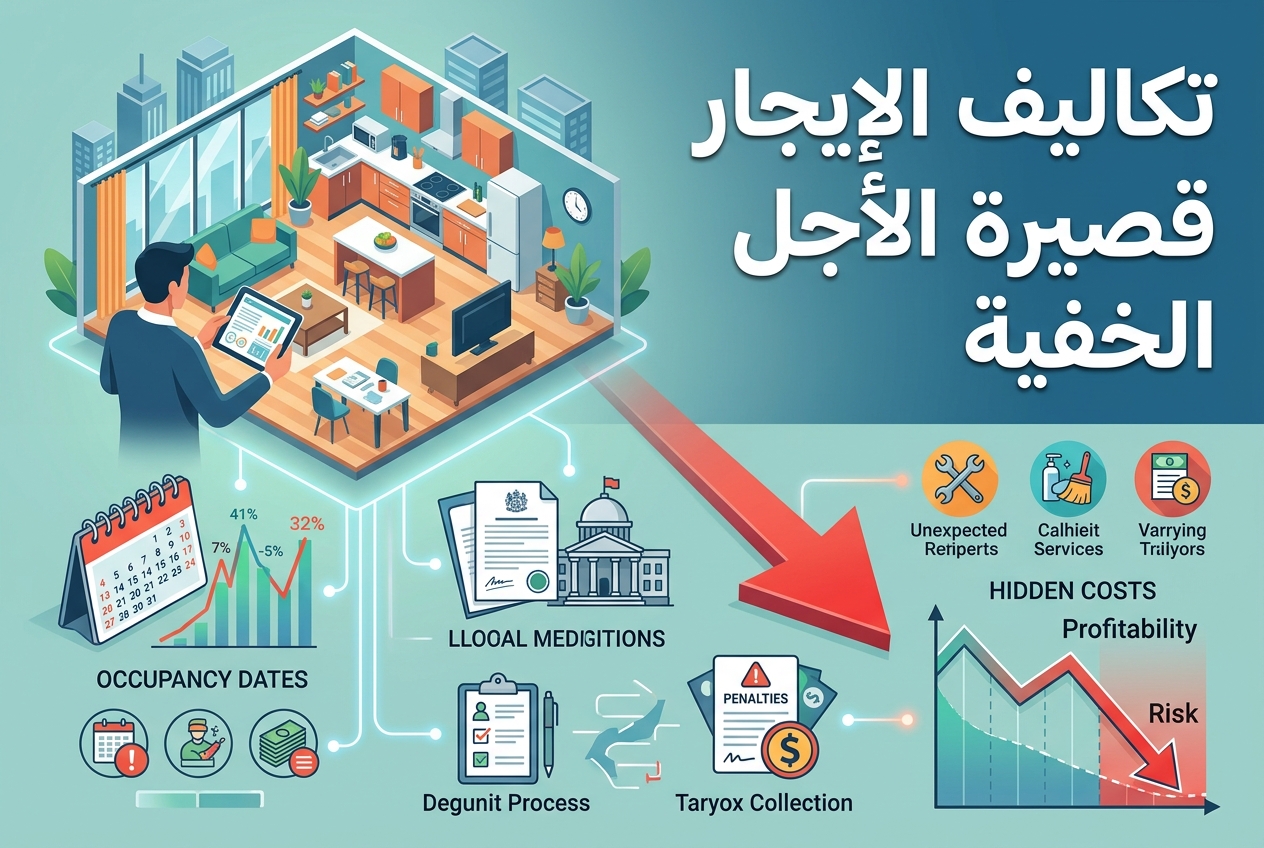
A Host's Handbook to Short-Term Rental Costs and Compliance
Short-term rental economics hinge on complex factors like occupancy calculations, local regulations, and hidden costs that can dramatically affect profitability. These factors differ in how they enforce registration, tax collection, and penalties, shaping whether hosting is sustainable or risky. Understanding these factors helps hosts navigate legal hurdles, avoid costly fines, and make informed decisions about managing rentals.

A Franchise Buyer's Guide to Fees, Royalties, and Risks
Franchise ownership involves complex financial commitments like upfront franchise fees, ongoing royalties, and marketing fund contributions that can strain profitability. The topics reveal how disclosure rules, legal obligations, and operational risks vary widely, affecting whether a franchise thrives or fails. Understanding these differences helps prospective franchisees assess true costs, legal risks, and growth potential before signing on.

An Author's Handbook to Publishing Deals
Book publishing offers different paths with distinct financial and legal risks. Some guides reveal how traditional deals require authors to earn back advances before royalties, while others warn about scams demanding upfront fees or vanity publishing traps. Understanding these differences helps authors protect their rights, avoid costly mistakes, and choose between self-publishing and traditional contracts with clear eyes.

A Musician's Guide to Royalties, Rights, and Deals
Music income comes from different rights like publishing and master recordings, each handled and paid differently. This set of options shows how contracts, royalties, advances, and ownership can vary widely, and why artists must carefully weigh deals, streaming income, and touring earnings with expert advice. Understanding these choices helps musicians protect their money, rights, and control over their work.

Home-State LLC Formation: Lower Costs and Simpler Compliance
Many small business owners believe forming an LLC in Delaware or Wyoming offers tax or privacy advantages, but this often backfires when the business operates in their home state. Forming out of state usually triggers foreign qualification fees, extra compliance, and legal complexities that outweigh any perceived benefits. Choosing your home state for LLC formation simplifies filings, reduces costs, and aligns with where your business actually operates, making it the smarter choice for most entrepreneurs.

Owner-Operator Trucking Economics: Costs, Payments, and Profitability
Owner-operator trucking economics reveal a harsh reality where high expenses, delayed payments, and unpredictable costs often erode profits. The factors differ on how costs like fuel, maintenance, and lease agreements impact take-home pay, and how payment structures and market rates influence financial stability. Understanding these factors helps drivers see why gross earnings can mask the true money challenges behind the wheel.

A Restaurant Owner's Playbook for Profitable Pricing and Cost Control
Running a restaurant means balancing tight profit margins where food and labor costs alone consume about two-thirds of every sales dollar. The reasons restaurants fail differ widely—from mismanaging cash flow and underpricing menus to cutting hours that harm quality and customer demand. Understanding these distinct reasons helps owners make smarter decisions about pricing, cost control, and staffing to keep their business sustainable.

A Therapist's Guide to Billing, Compliance, and Practice Management
Therapists and counselors face distinct requirements when managing private practices, from handling insurance claims and billing procedures to meeting telehealth regulations and business management challenges. These requirements differ significantly in how they impact revenue flow, compliance, and client interactions, guiding practitioners on whether to prioritize centralized billing systems, strict cancellation policies, or up-to-date credentialing processes. Understanding these varied demands helps clinicians choose the right approach to optimize their practice’s financial health and legal compliance.

Manage Dental Practice Law, Finance, and Compliance with Clinical Control
Dental practice owners must retain full clinical control over patient treatment plans while navigating complex legal, financial, and compliance requirements. This includes ensuring all procedures like veneers are performed under proper licensing to avoid legal risks, preparing financially with a credit score above 750 and an emergency fund covering three to six months of expenses, and securing expert legal review of business agreements to protect practice autonomy. Compliance with HIPAA and careful management of partnerships with Dental Support Organizations are essential to maintain ownership rights and avoid penalties.