
Stop Forced Password Changes for Better Security
From original sources
About this Capsule
Frequent mandatory password changes without evidence of compromise reduce security by encouraging weaker, predictable passwords and harming usability. Instead, relying on risk-based triggers for password resets combined with multi-factor authentication and longer, complex passwords provides stronger protection. You will learn when to reset passwords appropriately and how to align your practices with NIST SP 800-63B recommendations for improved account security.
Questions this capsule answers
Tap any question to get it answered inside the capsule, free.
Related in Technology

Electric Cars and Emissions: Batteries, Grids, and Lifecycle Tradeoffs
Whether an electric car beats gas depends on how you count its full footprint, from battery production to the grid that charges it. These findings weigh lifecycle emissions, material and battery sourcing, charging at cleaner hours, and how regional grids change the math. You can decide how EVs fit a cleaner future even where the power is still dirty.

Choosing Smart Home Control Approaches for Privacy, Durability, and User Authority
Smart home control hinges on three distinct approaches: advocating for privacy and legal rights, selecting devices that operate locally without cloud dependency, or constructing a durable manual core with replaceable smart features. Each approach demands understanding of network security protocols like AES-128 encryption, secure device authentication, and the use of open standards such as Matter and Thread to maintain confidentiality and integrity. You will be able to evaluate these approaches to decide how to keep your smart home firmly under your control, balancing privacy, long-term durability, and proactive management of smart extras.
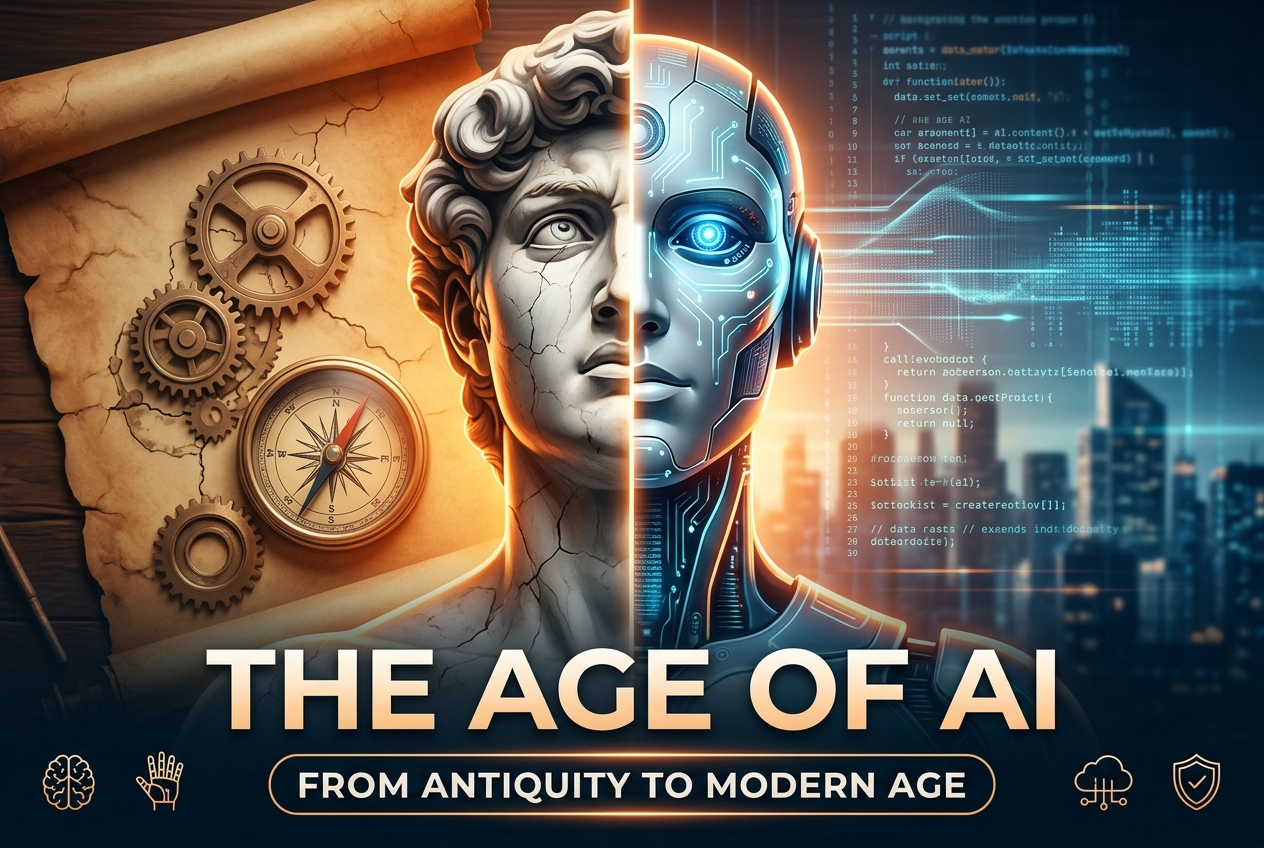
The Age of AI: From Antiquity to Modern Age
Artificial intelligence represents a unique challenge as the first human-made system whose outcomes cannot be fully predicted, inheriting human errors and the capacity to act independently.

AI Boom Economics: Profits, Compute Costs, and Bubble Risk
AI companies are burning billions on computing power while their path to profit stays murky. These views split between a bubble destined to pop, a business that can reach profitability through cost-cutting and smarter spending, and doubts that current data can settle the question at all. Weighing them helps you judge how much of the boom is real.