
Le guide professionnel du salon sur la location de cabine, la commission et la propriété de fauteuil
De sources originales
À propos de cette capsule
Les modèles financiers des salons de coiffure et des barber shops diffèrent nettement selon qui prend en charge les coûts, les risques et les récompenses — de la location d’une cabine à la perception de commissions ou la propriété directe d’un fauteuil. Ces modèles varient en termes de responsabilités fiscales, d’exigences en matière de licences, d’assurances et de stratégies de gestion des clients. Comprendre ces différences aide les travailleurs et les propriétaires à choisir la meilleure voie pour le contrôle financier, la conformité légale et un revenu stable.
5 modèles financiers de salon expliqués ici
Comparaison des modèles financiers de salon
Comparaison des modèles de rémunération en salon : location, commission, propriété
Essayez de demander : « Quel modèle permet au coiffeur de fixer ses prix et son planning de manière indépendante ? »
Fidélisation client par une communication systématique
Essayez de demander : « Comment les locataires de cabine fidélisent-ils leurs clients sans courir sans cesse après de nouveaux ? »
Conformité réglementaire pour l’exploitation de salons/barber shops
Guide fiscal sur la mauvaise classification des travailleurs et les pénalités
IA générique vs IA avec cette capsule
Aperçu“Un tout nouveau diplômé en cosmétologie doit-il se lancer directement dans la location de cabine, ou existe-t-il un meilleur point de départ ?”
IA générique
“En général, un tout nouveau diplômé en cosmétologie est mieux avisé de ne pas se lancer directement dans la location de cabine sauf s’il dispose déjà d’une clientèle solide, de compétences commerciales, d’économies et d’un mentorat.
Un meilleur point de départ est souvent un salon où vous pouvez travailler comme employé, coiffeur à commission, associé/apprenti ou assistant tout en acquérant de l’expérience.
Pourquoi la location de cabine est difficile juste après l’école
La location de cabine signifie que vous gérez essentiellement votre propre petite entreprise. Vous êtes responsable de :
- Trouver et fidéliser les clients
- Payer un loyer hebdomadaire/mensuel quel que soit le revenu
- Acheter vos propres colorations, produits, outils, serviettes, logiciel de réservation, etc.
- Vous faire connaître
- Gérer les impôts en tant qu’indépendant
- Fixer les prix et l...”
Cette capsule
“Un tout nouveau diplômé en cosmétologie ne devrait pas se lancer directement dans la location de cabine sauf s’il dispose déjà d’une demande inhabituelle, d’économies et de compétences commerciales. Le meilleur point de départ est un salon à commission ou un poste salarié horaire/commission qui offre formation, clients de passage, structure, support de réservation, systèmes produits et mentorat.
Le danger caché est que la location de cabine semble synonyme de liberté, mais pour un nouveau coiffeur, cela peut devenir un collecteur de factures. Le loyer est dû même si votre fauteuil est vide. Vous absorbez aussi les coûts des produits, outils, blanchisserie, logiciel de réservation, marketing, frais de carte bancaire, assurance, formation continue et taxes d’indépendant. « Garder 100 % » n’est pas vraiment 100 %.
Une règle plus claire :
- Premières 2 à 4 années : choisissez ...”
Le guide professionnel du salon sur la location de cabine, la commission et la propriété de fauteuil
Capxule Business
Voir le profil
Similaires dans Business
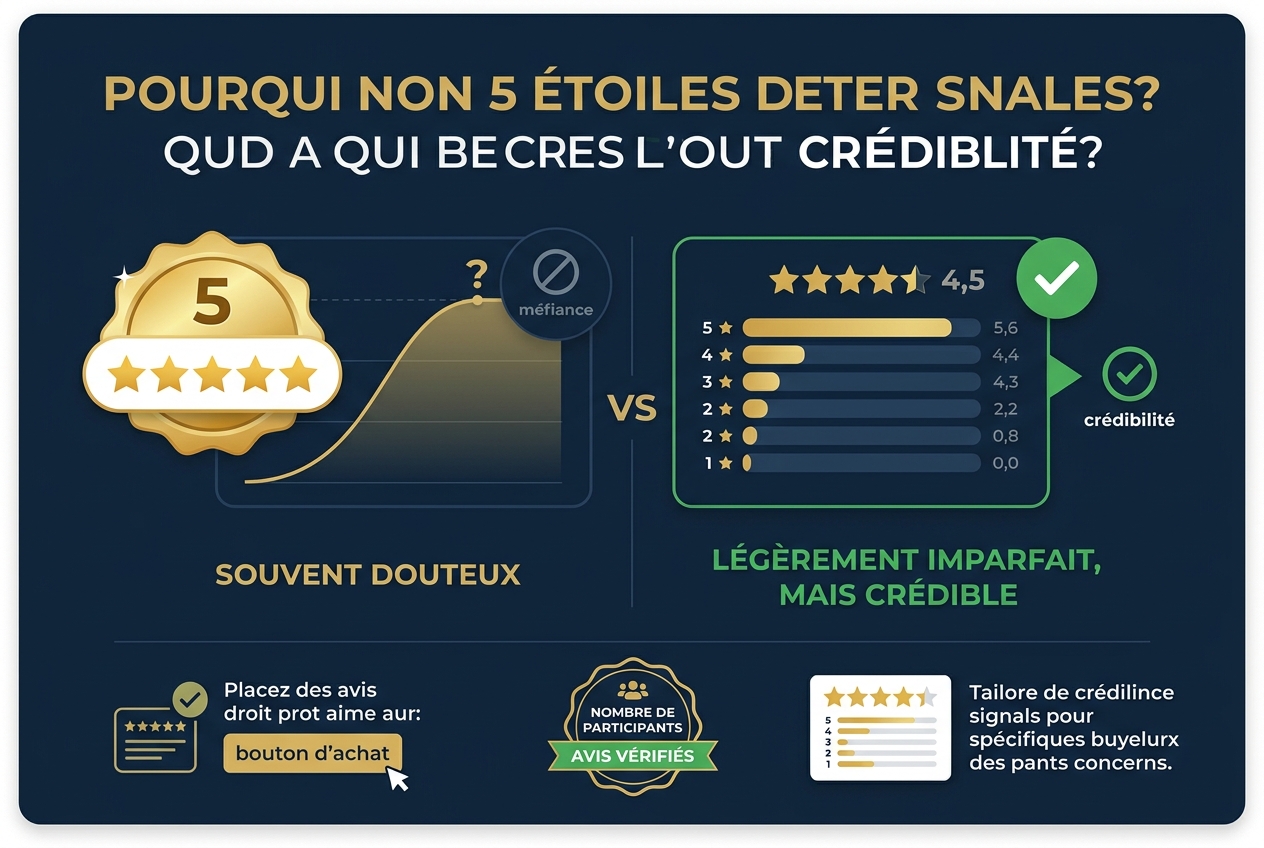
Le Guide Ecommerce des Signaux de Confiance
Les acheteurs s'appuient sur les avis et les badges pour décider s'ils peuvent vous faire confiance, mais des scores parfaits peuvent sembler faux. Les tactiques divergent sur ce qui construit la crédibilité : placer les évaluations juste au niveau du bouton d'achat, montrer des scores authentiques légèrement imparfaits, afficher le nombre de clients et les badges vérifiés, ou adapter les signaux de confiance aux doutes spécifiques de chaque acheteur. Bien les déployer transforme les visiteurs sceptiques en acheteurs au lieu de susciter la méfiance.

Guide de l'acheteur de franchise sur les frais, redevances et risques
La propriété d'une franchise implique des engagements financiers complexes tels que les frais initiaux de franchise, les redevances continues et les contributions aux fonds marketing qui peuvent peser sur la rentabilité. Ces sujets révèlent comment les règles de divulgation, les obligations légales et les risques opérationnels varient considérablement, influençant la réussite ou l'échec d'une franchise. Comprendre ces différences aide les futurs franchisés à évaluer les coûts réels, les risques juridiques et le potentiel de croissance avant de s'engager.

Guide du propriétaire d'entreprise sur les changements de comptabilité de caisse à comptabilité d'exercice
Changer de méthode comptable au mauvais moment ou de la mauvaise manière vous expose à des pénalités de l'IRS et à une comptabilité désordonnée. Les options se divisent selon ce qui doit motiver le changement : des seuils de revenus stricts et des règles d'inventaire, des étapes de conformité rigoureuses comme le formulaire 3115, ou les besoins pratiques de votre entreprise indépendamment des seuils. Les comparer côte à côte montre quand un changement est obligatoire, quand il est simplement conseillé, et comment le réaliser proprement.

Manuel de l'auteur sur les contrats d'édition
L'édition de livres offre différentes voies avec des risques financiers et juridiques distincts. Certains guides expliquent comment les contrats traditionnels exigent que les auteurs remboursent les avances avant de toucher des droits d'auteur, tandis que d'autres mettent en garde contre les arnaques demandant des frais initiaux ou les pièges de l'édition à compte d'auteur. Comprendre ces différences aide les auteurs à protéger leurs droits, éviter des erreurs coûteuses et choisir entre l'auto-édition et les contrats traditionnels en toute connaissance de cause.