
Guide du prestataire de garde d'enfants pour la conformité en crèche à domicile et en centre
De sources originales
À propos de cette capsule
Gérer une crèche ou une garde d'enfants à domicile implique de naviguer à travers des défis cachés liés au droit, à la sécurité et au personnel, souvent tus. Les exigences diffèrent nettement entre la garde à domicile et en centre, notamment en ce qui concerne les licences, l'assurance responsabilité civile, les vérifications des antécédents du personnel et la déclaration des incidents graves. Comprendre ces exigences distinctes aide les prestataires à prendre des décisions éclairées pour protéger les enfants, respecter la réglementation et pérenniser leur activité.
2 exigences clés pour réussir en crèche
Réalités non dites du secteur de la garde d’enfants.
Les faits superficiels ne révèlent pas la vraie activité de garde d’enfants.
IA générique vs IA avec cette capsule
Aperçu“Comment fonctionne réellement la gestion d’une crèche en pratique ?”
IA générique
“Gérer une crèche est un mélange de garde d’enfants, d’éducation, de conformité, d’opérations, de service client et de gestion de petite entreprise. En pratique, une crèche typique fonctionne à peu près ainsi :
1. La licence et les règles passent en premier
Avant d’ouvrir, vous devez généralement obtenir l’approbation d’une autorité locale, étatique ou provinciale de garde d’enfants. Les exigences varient selon le lieu, mais incluent souvent :
- Vérifications des antécédents pour propriétaires et personnel
- Certification RCR / premiers secours
- Inspections de santé et sécurité
- Inspections incendie
- Ratios personnel/enfants
- Tailles maximales des groupes
- Heures de formation obligatoires
- Politiques sur maladie, médicaments, urgences, discipline, sommeil, nourriture et supervision
- Normes d’espaces intérieurs et extérieurs sécurisés
Une crèche à domicile et une crèche en cen...”
Cette capsule
“Gérer une crèche en pratique est une lutte constante entre capacité autorisée, ratios de personnel, trésorerie, inspections et responsabilité. Vous ne faites pas simplement « garder des enfants contre rémunération » ; vous vendez une place périssable, fortement réglementée, qui disparaît définitivement si elle n’est pas utilisée ce jour-là. La plupart des programmes de garde fonctionnent avec des marges nettes d’environ 1 à 5 %, donc un seul absent, un paiement tardif de subvention, un problème d’inspection ou une famille qui ne paie pas peut bouleverser tout le mois.
Voici comment cela fonctionne vraiment.
1. Votre vrai produit n’est pas la garde — c’est la capacité conforme
Chaque enfant inscrit doit respecter plusieurs limites strictes à la fois :
- la capacité de votre licence ;
- la taille des locaux / surface au sol ;
- les ratios adultes/enfants ;
- les règles de ta...”
Guide du prestataire de garde d'enfants pour la conformité en crèche à domicile et en centre
Capxule Business
Voir le profil
Similaires dans Business
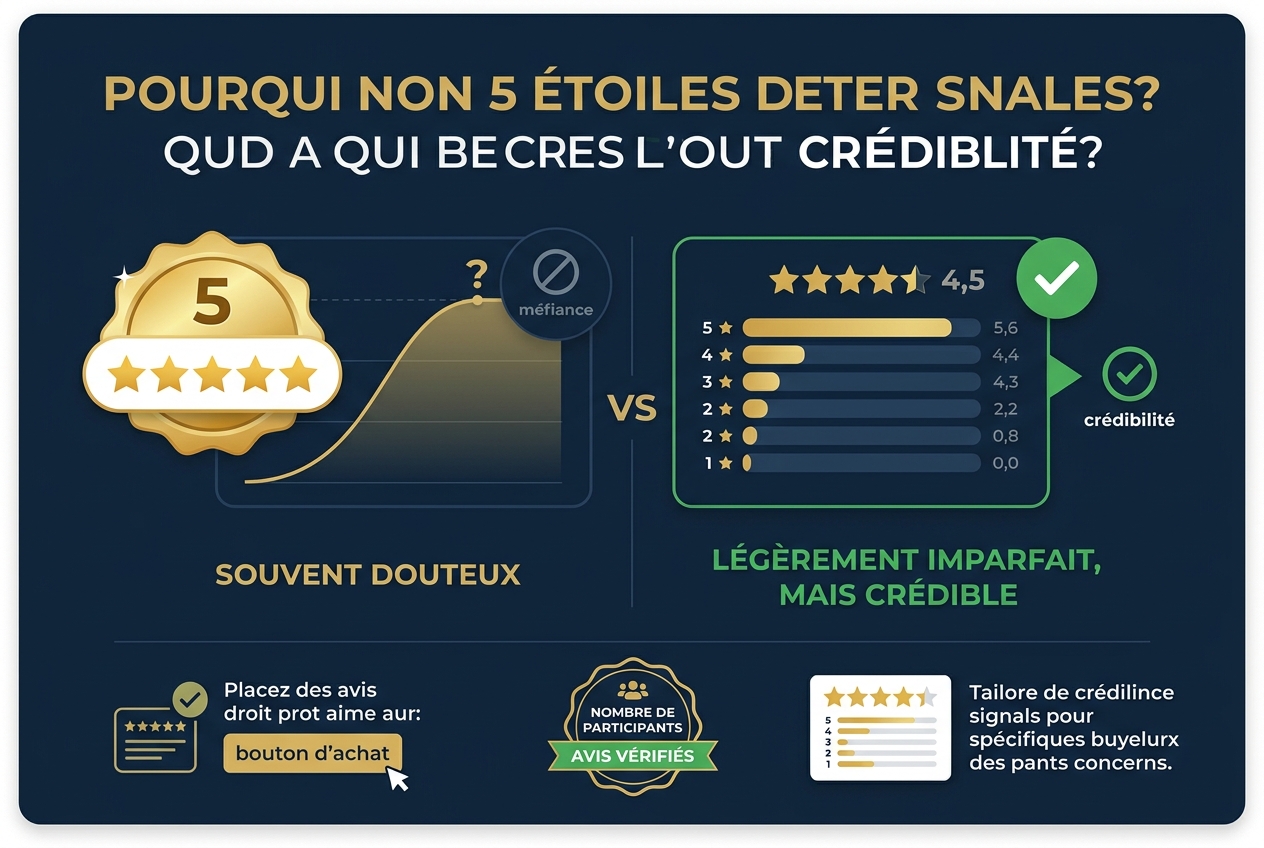
Le Guide Ecommerce des Signaux de Confiance
Les acheteurs s'appuient sur les avis et les badges pour décider s'ils peuvent vous faire confiance, mais des scores parfaits peuvent sembler faux. Les tactiques divergent sur ce qui construit la crédibilité : placer les évaluations juste au niveau du bouton d'achat, montrer des scores authentiques légèrement imparfaits, afficher le nombre de clients et les badges vérifiés, ou adapter les signaux de confiance aux doutes spécifiques de chaque acheteur. Bien les déployer transforme les visiteurs sceptiques en acheteurs au lieu de susciter la méfiance.

Guide de l'acheteur de franchise sur les frais, redevances et risques
La propriété d'une franchise implique des engagements financiers complexes tels que les frais initiaux de franchise, les redevances continues et les contributions aux fonds marketing qui peuvent peser sur la rentabilité. Ces sujets révèlent comment les règles de divulgation, les obligations légales et les risques opérationnels varient considérablement, influençant la réussite ou l'échec d'une franchise. Comprendre ces différences aide les futurs franchisés à évaluer les coûts réels, les risques juridiques et le potentiel de croissance avant de s'engager.
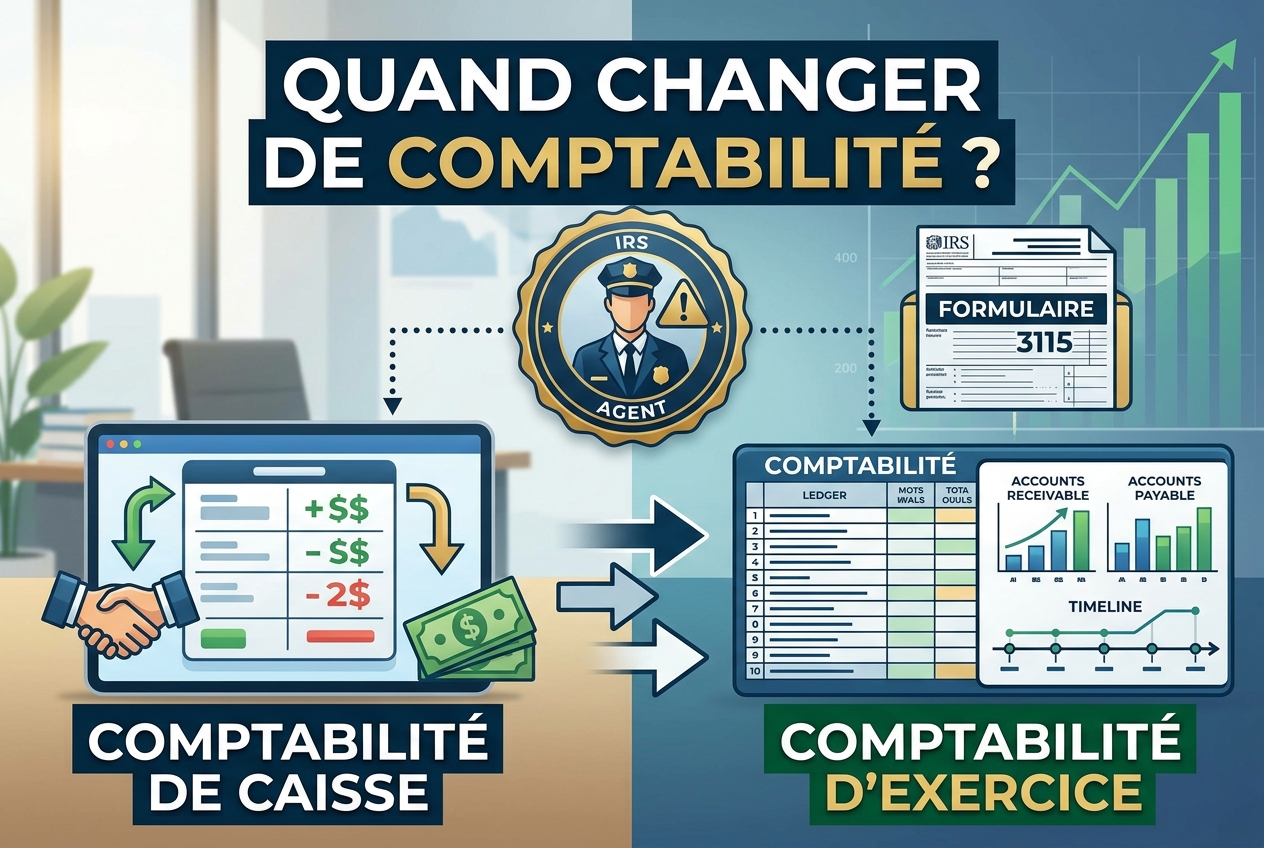
Guide du propriétaire d'entreprise sur les changements de comptabilité de caisse à comptabilité d'exercice
Changer de méthode comptable au mauvais moment ou de la mauvaise manière vous expose à des pénalités de l'IRS et à une comptabilité désordonnée. Les options se divisent selon ce qui doit motiver le changement : des seuils de revenus stricts et des règles d'inventaire, des étapes de conformité rigoureuses comme le formulaire 3115, ou les besoins pratiques de votre entreprise indépendamment des seuils. Les comparer côte à côte montre quand un changement est obligatoire, quand il est simplement conseillé, et comment le réaliser proprement.
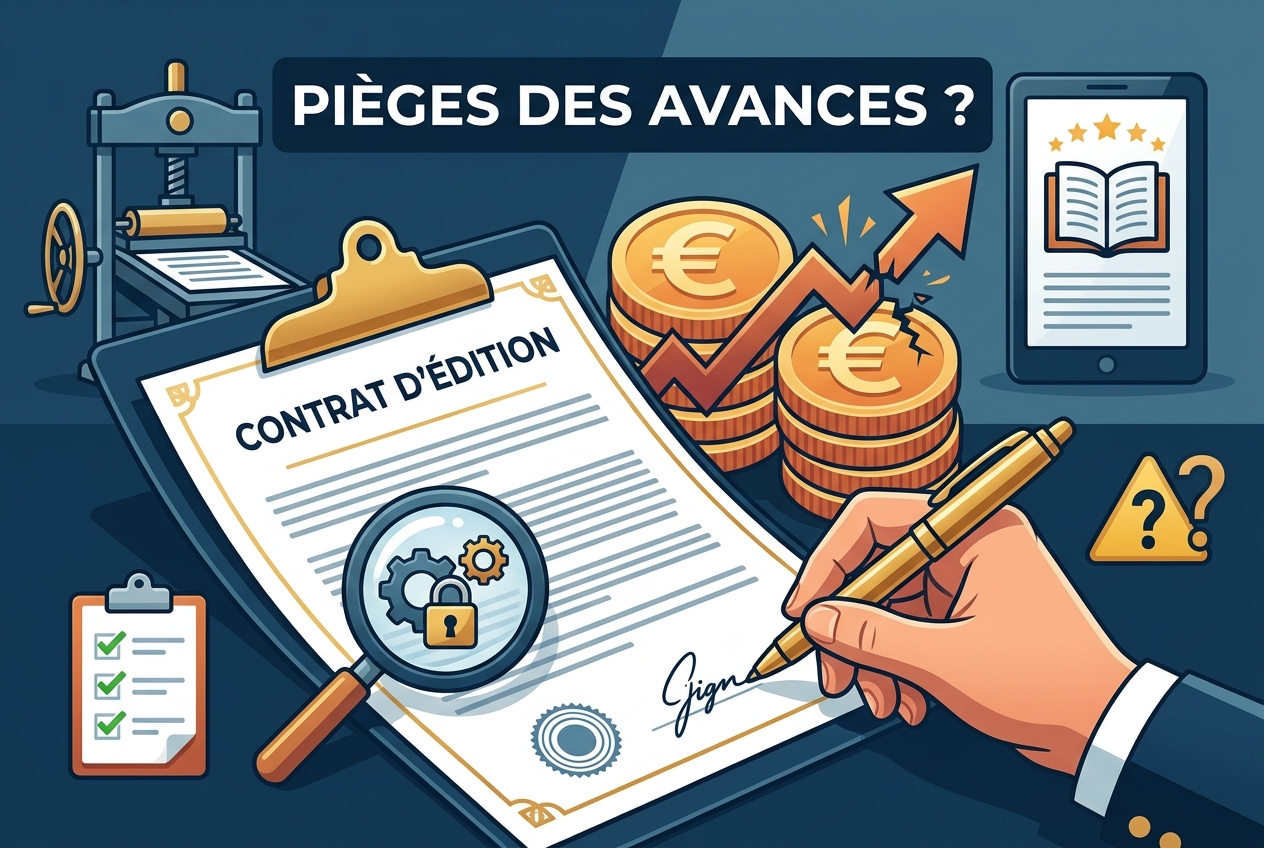
Manuel de l'auteur sur les contrats d'édition
L'édition de livres offre différentes voies avec des risques financiers et juridiques distincts. Certains guides expliquent comment les contrats traditionnels exigent que les auteurs remboursent les avances avant de toucher des droits d'auteur, tandis que d'autres mettent en garde contre les arnaques demandant des frais initiaux ou les pièges de l'édition à compte d'auteur. Comprendre ces différences aide les auteurs à protéger leurs droits, éviter des erreurs coûteuses et choisir entre l'auto-édition et les contrats traditionnels en toute connaissance de cause.