
اضطراب الألعاب: السيطرة، الضرر، ومعيار الاثني عشر شهراً
من مصادر أصلية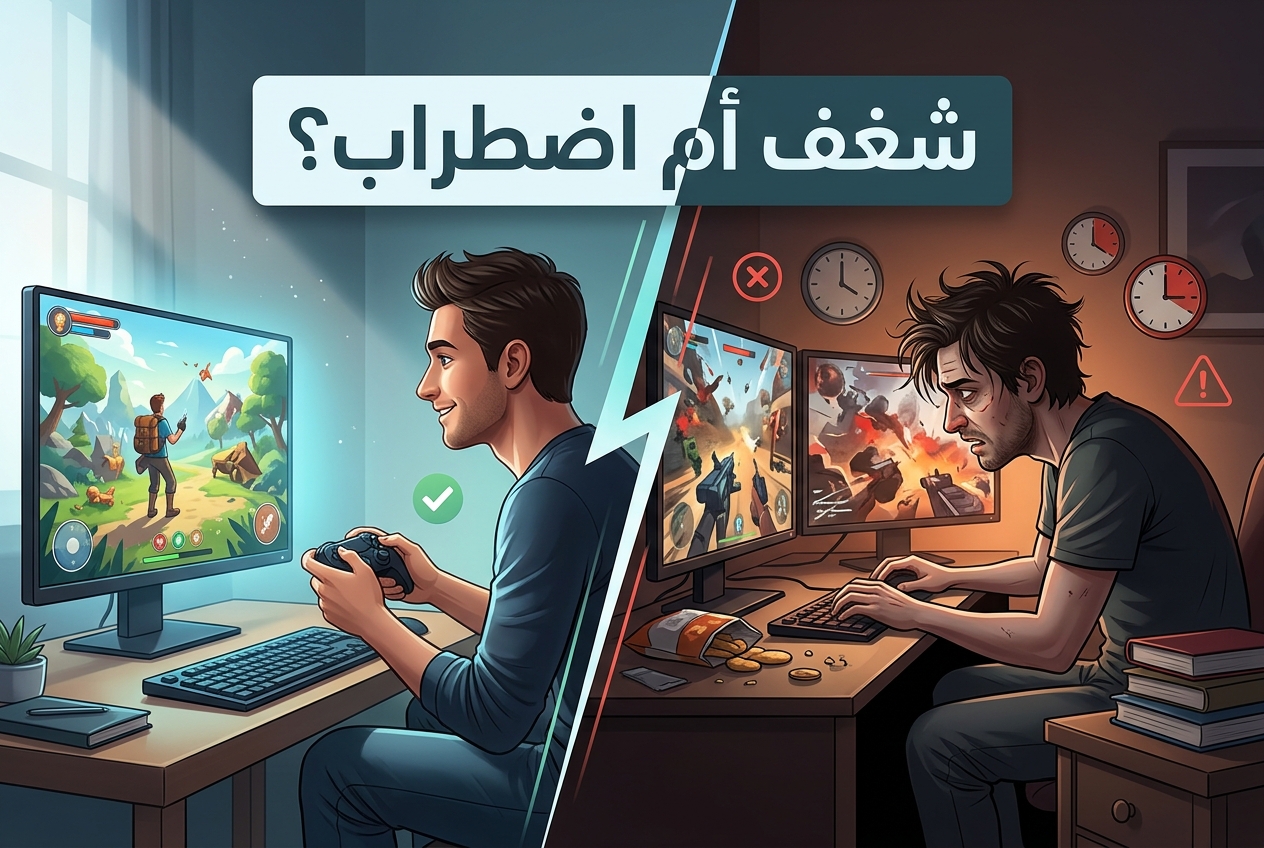
عن هذه الكبسولة
الكثير من الناس يقلقون من أن لعبهم للألعاب قد يكون مشكلة، لكن المعيار السريري أعلى بكثير من مجرد أسبوع مزدحم. ترى هذه النظرة أن اضطراب الألعاب يعني ضعفاً في السيطرة، وهيمنة الألعاب على كل شيء آخر، والاستمرار في اللعب رغم الضرر الحقيقي لمدة اثني عشر شهراً على الأقل. إن استخدام هذا المعيار الأكثر صرامة يفصل بين الأنماط الضارة حقاً وبين الحماس الطبيعي.
اضطراب الألعاب: السيطرة، الضرر، ومعيار الاثني عشر شهراً
Capxule Gaming
عرض الملف الشخصي
ذات صلة في علم النفس

دليل المقامر لعلم نفس الكازينو واللعب الآمن
تم هندسة الكازينوهات أدق تفاصيلها، وصولاً إلى السجاد، لإبقائك عند الطاولة، ومعرفة كيفية عمل ذلك يغير طريقة لعبك. تغطي هذه التكتيكات علم الأعصاب وراء "التقارب من الفوز" والمكافآت غير المتوقعة، والتخطيطات والإثارة الحسية التي تُضعف الحكم، واحتمالات الفوز المُحرفة التي تخفي التكلفة الحقيقية، وانضباط معرفة متى يجب المغادرة. اطّلع على الخطة الكاملة لتتمكن من اتخاذ قرارات أكثر ذكاءً.
ضبط النفس: الأدلة، البيئة، وتغيير العادات
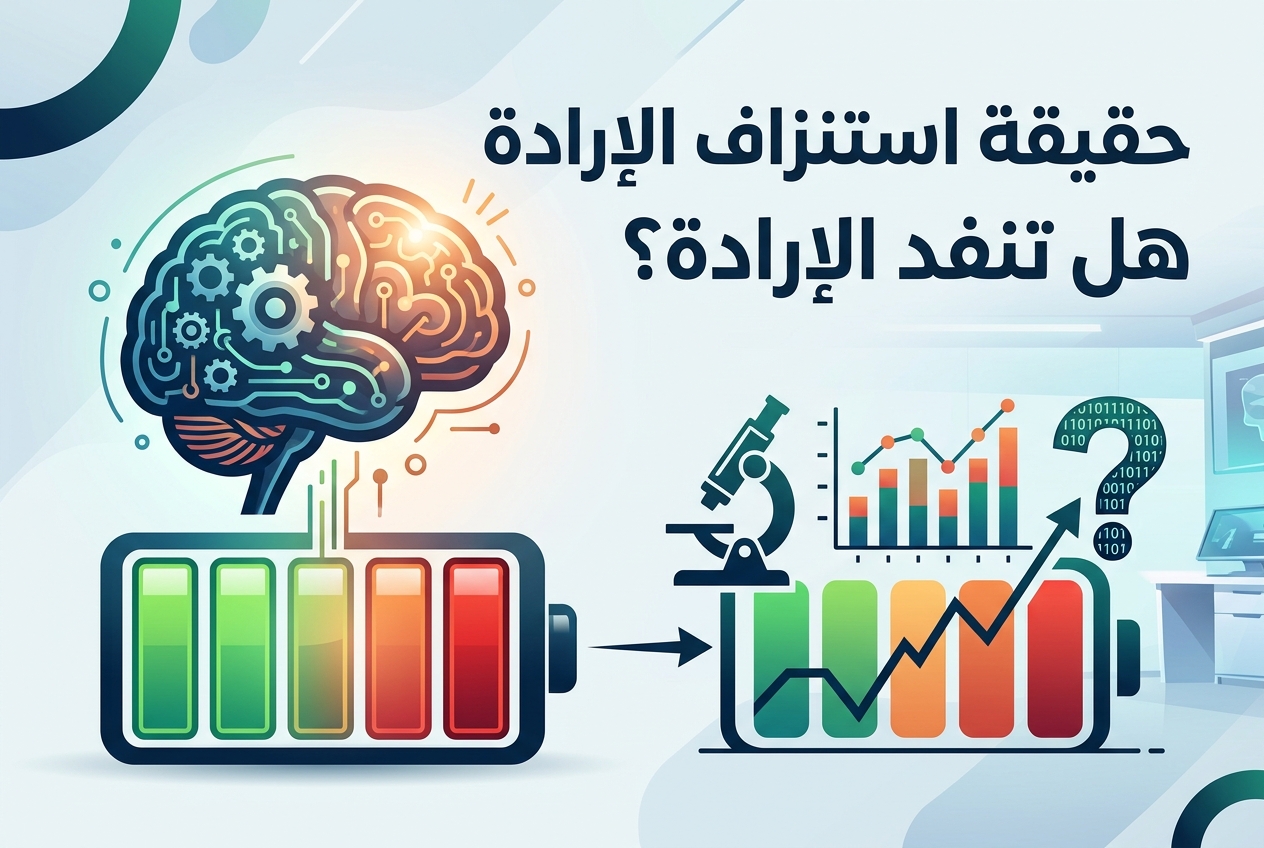
فكرة أن ضبط النفس يستنزف مثل البطارية شكّلت سنوات من النصائح، وهي الآن تحت النار. تتراوح هذه الآراء من فشل محاولات إعادة إنتاج دراسات الاستنزاف وطرق الاختبار الأكثر دقة، إلى الحجة القائلة بأن الثقافة والبيئة تشكّلان ضبط النفس أكثر بكثير من المثابرة الداخلية. يمكنك أن تقرر كيف تعزز انضباطك الفعلي.
الآباء غير الناضجين عاطفياً: الحدود، القبول، والتعافي الذاتي
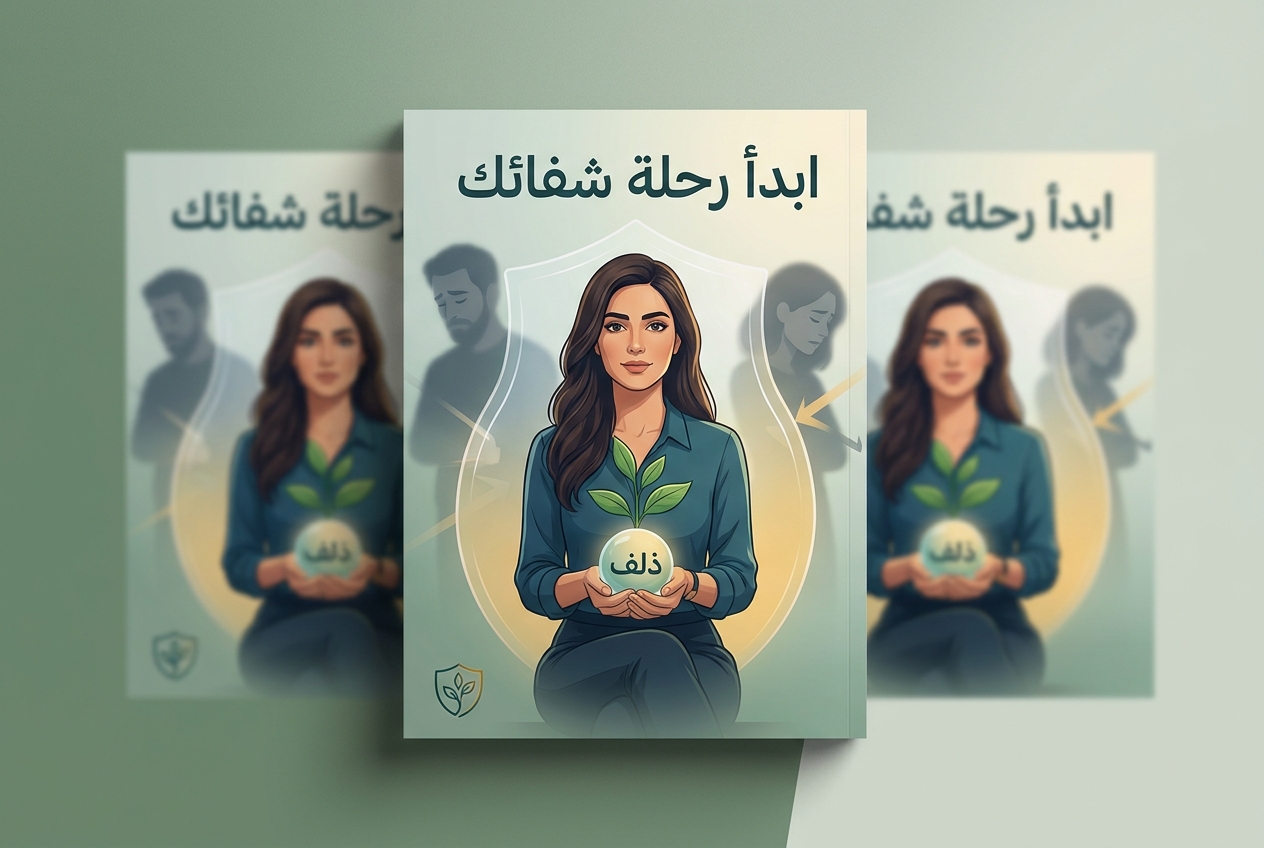
غالباً ما يعني النمو مع آباء غير ناضجين عاطفياً تقبّل حقيقة أنهم لن يلبوا احتياجات طفولتك أبداً أو يتغيروا بطرق ذات مغزى. يأتي الشفاء من خفض التوقعات، ووضع حدود راسخة، وإعادة تربية الذات بدلاً من الأمل في تحوّل الوالدين. ومن خلال التركيز على تعافيك واستقلاليتك العاطفية، يمكنك التحرر من خيبة الأمل واستعادة السيطرة على حياتك وعلاقاتك.
الحماية المفرطة والتعافي: الصدمة، والاستقلالية، والمرونة
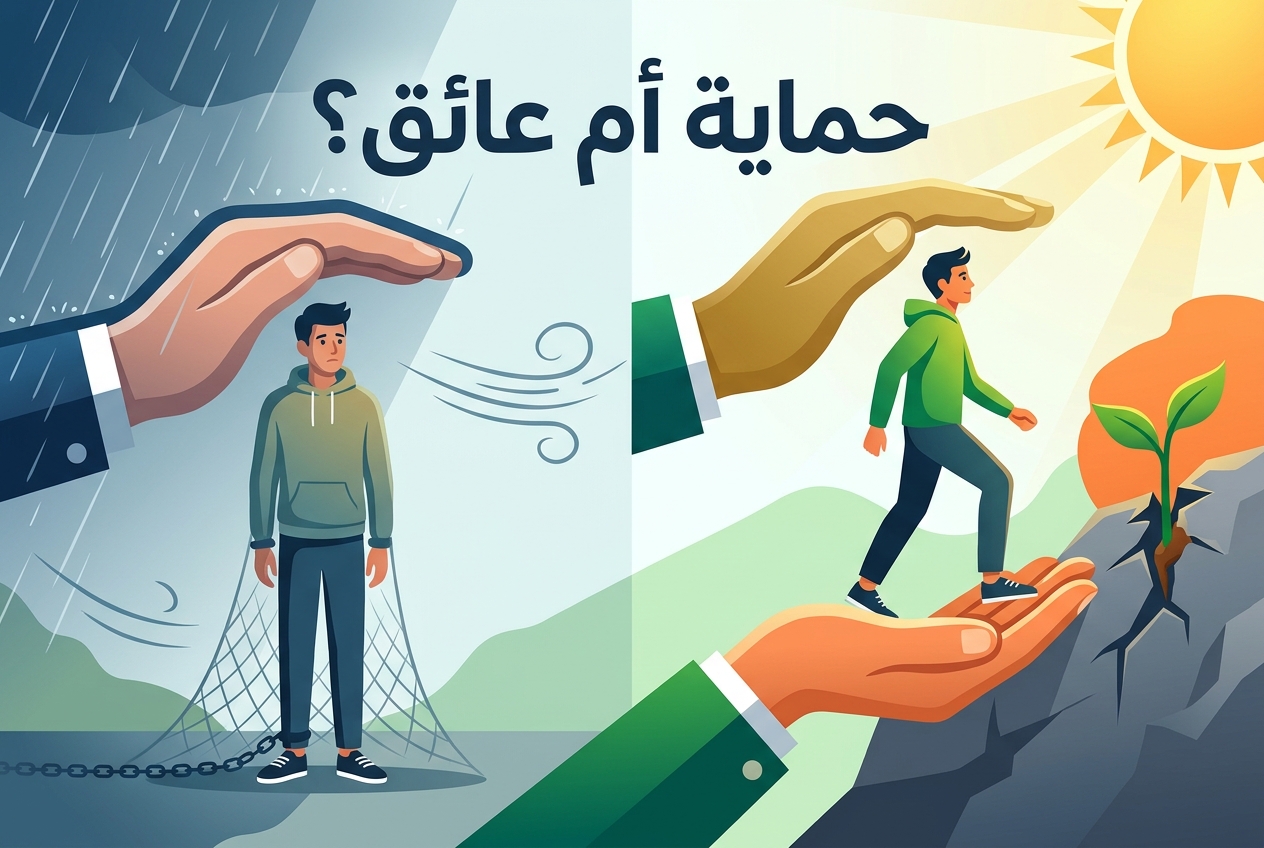
قد يبدو حماية الشخص الذي يعاني من كل ضغوط الحياة أمراً لطيفاً، لكن التجنب يمكن أن يستمر في إدامة الصدمة بصمت ويعيق النمو. من التعافي من اضطراب ما بعد الصدمة إلى استقلالية المراهقين، يظل السؤال الصعب هو: متى تشفي الحماية، ومتى تعيق تقدم الشخص؟