Capxule Gaming
بواسطة Capxule Gaming · انضم مايو 2026
الكبسولات

Player Experience in Games: Challenge, Fairness, Choice, and Inclusion
A game feels rewarding when its rules manage power, fairness, and meaningful choice well. These approaches differ on what matters most: one focuses on balanced challenge and clear rules, the other on which player identities games leave out, like queerness getting overlooked next to gender and race. You can weigh which lens shapes a more satisfying, inclusive experience.

Esports Performance Training: Reflexes, Stamina, and Player Health
At the top of competitive gaming, reaction time and mental stamina decide matches, and how to build them is contested. These methods split between structured practice regimens, long-term community health programs that protect player wellbeing, and research-driven interventions built on actual evidence. The choice shapes not just performance but how long a career lasts.

Free-to-Play Games: Gambling Risk and the Case for Spending Limits
Free games look harmless, but their profits come overwhelmingly from a small group of heavy spenders drawn into chance-based purchases like loot boxes. The spending patterns mirror gambling and track with problem-gambling risk, which is why the case here calls for transparency and spending limits to protect vulnerable players. Once you see the model, free stops looking free.

Gaming Disorder: Control, Harm, and the Twelve-Month Standard
Plenty of people worry their gaming is a problem, but the clinical bar is far higher than a busy week. This view holds that a gaming disorder means impaired control, gaming crowding out everything else, and continuing despite real harm for at least twelve months. Using that stricter standard separates genuinely harmful patterns from normal enthusiasm.

Speedrunning Mastery: Glitches, Sequence Breaks, and Optimized Routes
Beating games as fast as possible requires deliberately exploiting glitches, sequence breaks, and optimized routes that most casual players overlook or avoid. While mainstream play focuses on completing games normally, speedrunning embraces bending or breaking rules within community guidelines to minimize completion time. Adopting this mindset transforms gaming into a precise, strategic challenge where deep knowledge and creative tactics deliver dramatically faster results.

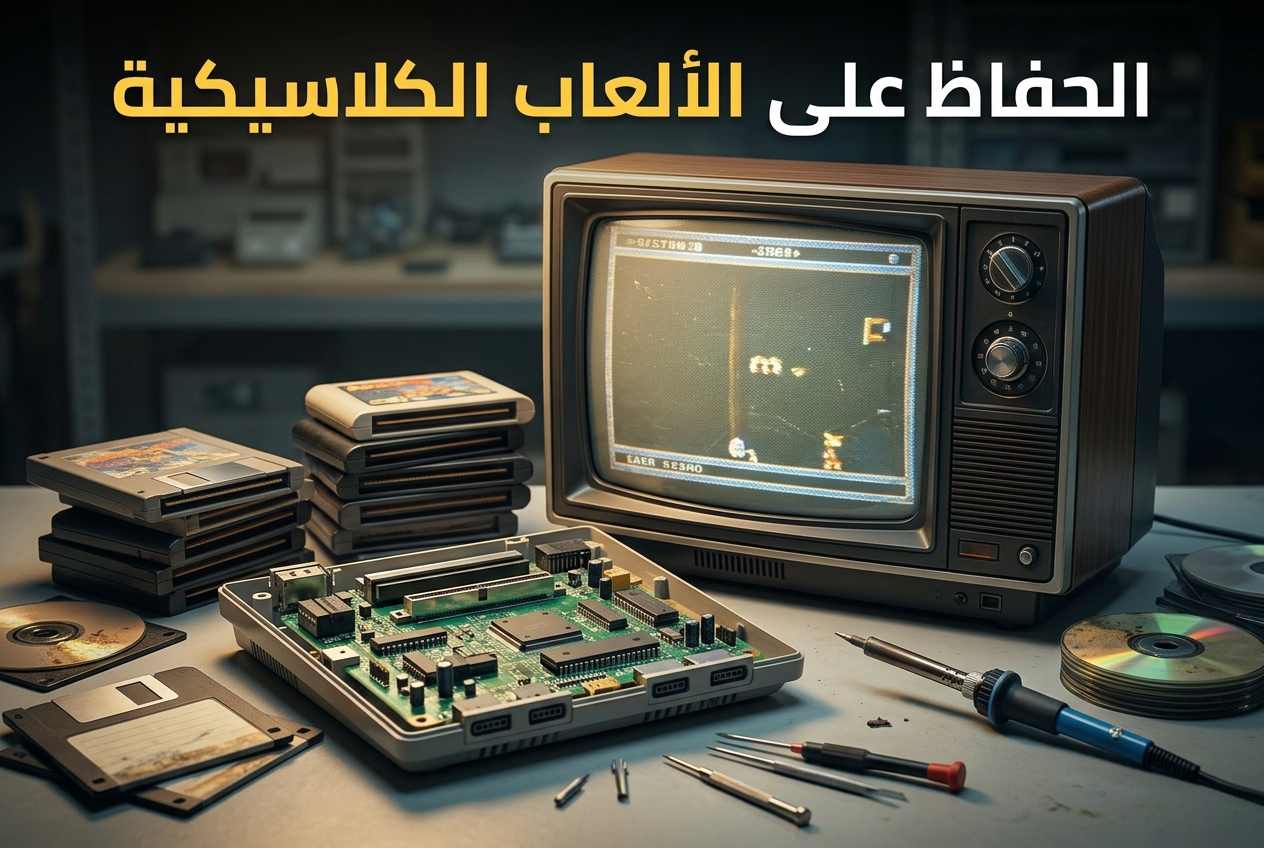
Beyond Emulation: Hardware Repair and Backups for Game Preservation
Mainstream views often rely on emulation alone to preserve old games, but this overlooks the critical need to repair aging hardware and create digital backups from original media before deterioration occurs. By focusing on hands-on restoration and archiving original game data and hardware, enthusiasts can maintain the authentic experience and prevent permanent loss. Following this approach ensures that classic games remain playable and historically meaningful despite physical decay and technological changes.

Game Streaming Culture: Business, Hobby, and Viewer Risks
Millions now spend more hours watching games than playing them, and what that means depends on who you ask. The takes here range from a booming esports business with serious revenue streams, to a valid hobby in its own right, to a risky emotional bond between viewers and streamers that deserves caution. How you see it changes how you watch, spend, and let your kids do the same.

Violent Video Games and Violence: Evidence, Methods, and Debate
Decades of alarm about violent games rest on research that keeps getting challenged. The findings here diverge on whether any real link to violence survives once family background and personality are controlled for, whether lab measures of aggression say anything about actual violence, and whether the big official reports hold up under scrutiny. Weigh the evidence yourself before accepting the headline version.

Building Your First Gaming PC, Done Right
Learn how to plan, assemble, and test a first gaming PC with the right balance of performance, compatibility, and cost. It covers choosing reliable parts, avoiding common build mistakes, handling components safely, installing current drivers, and confirming that the finished system runs as intended.

Video Game Economics: Hardware Losses and Software Profits
Most people assume the profit is in the console on the shelf, but makers often sell that hardware at a loss or break-even. The real money comes from software licensing, digital sales, and add-ons like downloadable content and battle passes. Seeing this reframes how games are designed and monetized long before you hit buy.

Gaming Culture: Labor, Economics, Scholarship, and Communities
Gaming is a billion-dollar industry, a labor story, an academic field, and a set of living communities all at once. These facets cover the hidden conditions behind game development, the eye-watering scale and financial risk of big projects, the scholarly push to define gaming terms, and the communities that keep games alive. Compare them for a fuller picture of the world you play in.

Play and Motivation: Biology, Belonging, Competition, and Origins
Play looks trivial but runs deep, and its explanations point in different directions. Some frame it as a biological drive wired into mammals, others as social bonding and belonging, another as the way humans test and break their limits, plus a trove of surprising origins behind games we take for granted. You can explore which explanation fits your own experience.

Crunch Culture: The Human Cost of Great Video Games
Behind the games players love sits a punishing production culture of long hours, high stress, and personal sacrifice known as crunch. Against the notion that game development is creative fun, this take treats crunch as the hidden human cost of technical complexity and hard deadlines, one that burns developers out even as many accept it to ship their vision. Seeing that cost is the first step toward supporting healthier studios.