
Kapseln entdecken
24 Kapseln
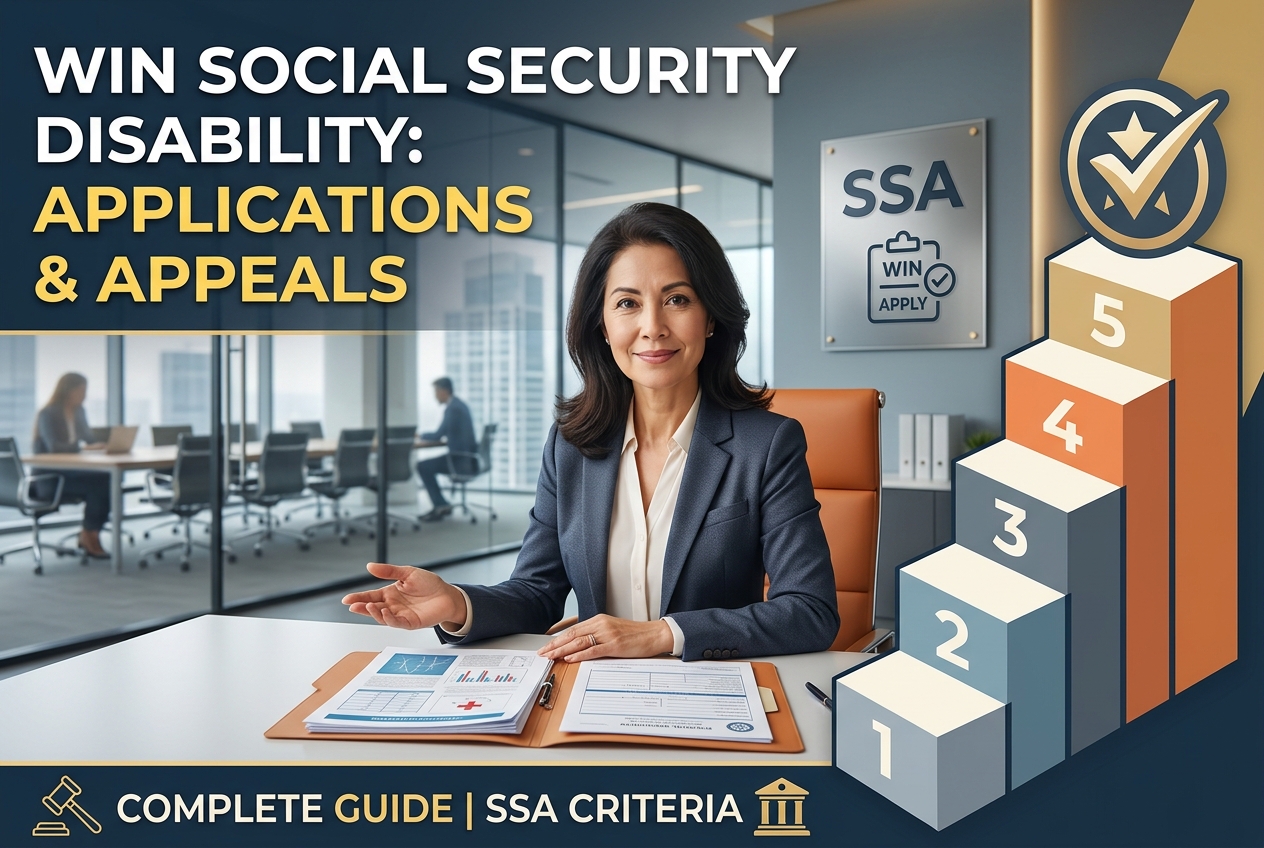
Win the Social Security Disability Application and Appeals Process
You will work through the exact five-step legal sequence that Social Security uses to decide disability claims, starting with work activity and medical severity, then Listings, past work, and other work. You will learn how to build a strong medical record, meet deadlines such as the 10-day appeal filing window, understand how SSA measures work capacity, and prepare for the ALJ hearing. By rehearsing real scenarios and avoiding common mistakes, you will finish ready to win your disability claim or appeal under the official SSA rules.

Self-Control: Evidence, Environment, and Habit Change
The idea that self-control drains like a battery shaped years of advice, and now it is under fire. These views range from failed replications of the depletion studies and sharper testing methods to the argument that culture and environment shape self-control far more than inner grit. You can decide how to actually strengthen your own discipline.
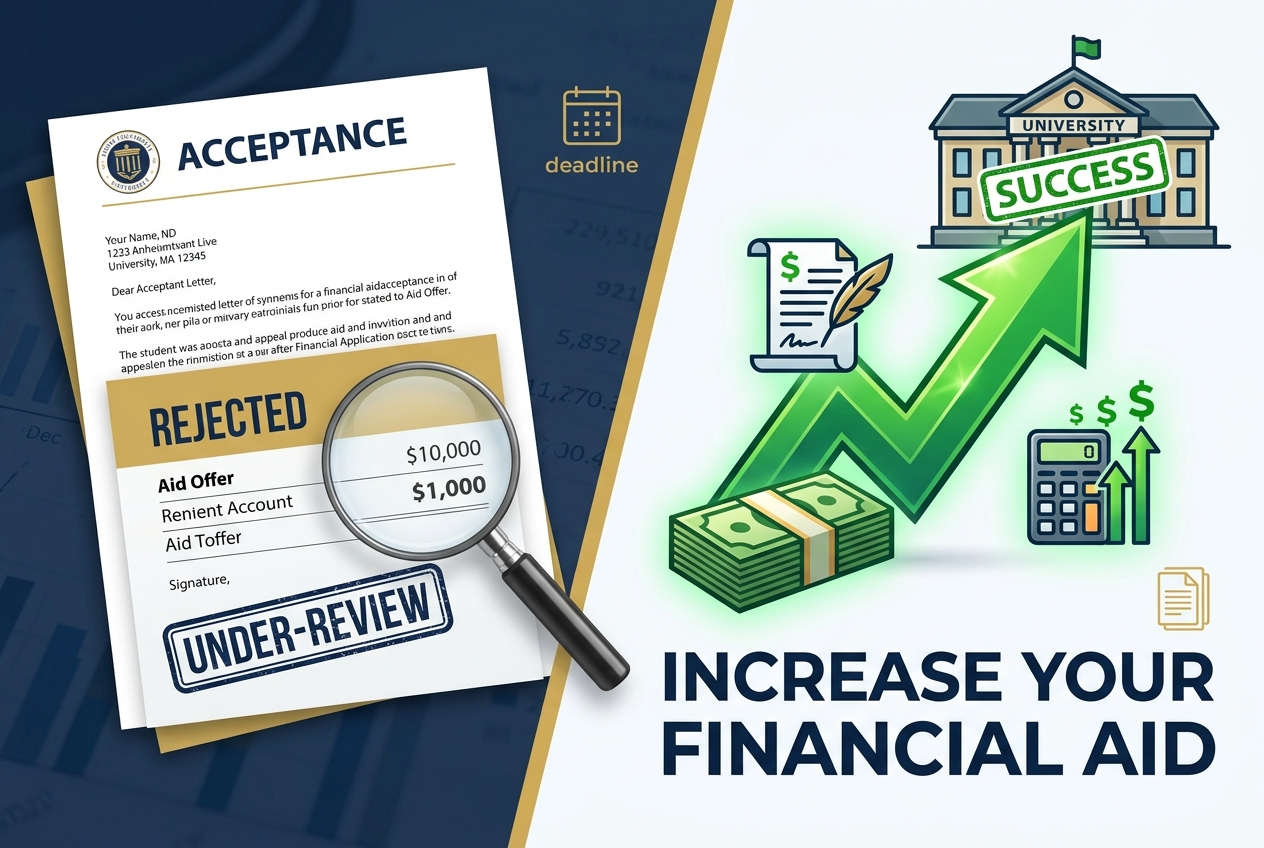
Win More Financial Aid Support Before Enrollment
You will learn how to effectively request a reconsideration of your financial aid offer by identifying special circumstances such as job loss or medical expenses not reflected in your FAFSA. You will work through drafting a clear, well-documented appeal letter that explains your changed financial situation and includes specific numbers and supporting evidence. By the end, you will be prepared to submit a compelling appeal that increases your chances of securing additional aid before enrollment deadlines.

Grade Retention Alternatives: Literacy Support, Tutoring, and Progress Monitoring
Repeating a grade feels like a second chance, but the evidence says it often makes things worse. These interventions offer what works instead: early literacy help, tutoring, and progress monitoring that catches struggles before retention is on the table. They differ on timing and method, and together they explain why strict hold-back policies backfire.

Menopause Hormone Therapy: Risks, Timing, and Treatment Choices
For women weighing hormone therapy, the stakes are relief from menopause symptoms against feared risks of breast cancer and heart disease. The views split over whether the original risk data was exaggerated, how much the timing of treatment matters, and whether low-dose vaginal estrogen is safer than its warnings suggest. Sort the evidence from the alarm and decide with your doctor what fits your health.

Active Funds vs. Index Funds: Performance, Bias, and Evidence
The people paid to pick winning stocks mostly lose to a fund that simply buys everything, and it looks worse once dead funds are counted properly. The findings here differ on why: statistical bias, market efficiency, methodological blind spots, possible exceptions in bonds, and whose conflicts of interest color the analysis. Where you come down decides whether active management deserves any of your money.

Cookware Safety: Aluminum, Nonstick Coatings, and the Evidence
Warnings about aluminum and nonstick cookware are everywhere, yet much of the science points the other way. The views differ on how to read that evidence: some urge precaution over any potential hazard, while others argue the data show these pans are safe in normal use and that panic itself does harm. Sorting rigor from alarm helps you decide what belongs in your kitchen.

Sleep Training and Attachment: Evidence, Stress, and Limits
The fear that letting a baby learn to sleep damages attachment is exactly what follow-up studies were built to test, and they keep finding no harm in bonding or stress hormones. The evidence here covers how cortisol data was measured and cleaned, why parental exhaustion carries its own risks, and where the studies' limits genuinely lie. You can weigh the reassurance and the caveats together before deciding what your family needs.

A Parent's Guide to First Smartphones and Screen-Time Tradeoffs
Every parent handing over a first phone is running an experiment on a developing mind. The views range from strict regulation and delaying phones outright to coaching safe social media habits, with some insisting the research itself is too weak to justify panic. Weigh the evidence and the caution to decide what protects your kid without cutting them off.

Transcendental Meditation and Mindfulness: Stress, Focus, and Evidence
Transcendental Meditation and mindfulness both promise real change, but they may help different things. These claims compare where the evidence favors TM for lowering stress-related physical risk versus mindfulness for daily focus and emotional control, and where head-to-head proof runs thin. You can decide which practice fits the results you are after.

Growth Mindset in Schools: Evidence, Limits, and Real-World Impact
Telling students that effort beats talent became a classroom staple, but the results are contested. These views split between evidence that mindset programs genuinely lift grades and course choices and critiques pointing to weak studies, publication bias, and thin real-world impact. You can decide how much faith to put in mindset teaching.

A Consumer's Guide to Detox Product Claims
Detox teas, cleanses, and supplement kits sell a service your liver and kidneys already perform, and some products carry real risks of organ damage. The arguments differ on the sharpest indictment: no credible evidence of benefit, toxic herbal ingredients, or marketing that sells a lifestyle while proven nutrition goes ignored. Seeing how the claims collapse helps you spend on what actually improves your health.