
Kapseln entdecken
73 Kapseln

A Homebuyer's Guide to Wildfire, Flood, and Insurance Requirements
Buying a home in wildfire or flood-prone areas demands navigating two very different sets of requirements that reflect practical safety measures and evolving climate risks. One approach focuses on compliance with defensible space rules, elevation standards, and mandatory flood insurance tied to federal loans. The other addresses the shrinking insurance market, pushing buyers toward fallback options like the California FAIR Plan and private flood policies. Understanding these contrasting requirements helps homebuyers decide how to protect their investment and meet lender mandates amid rising disaster risks.

A Musician's Guide to Royalties, Rights, and Deals
Music income comes from different rights like publishing and master recordings, each handled and paid differently. This set of options shows how contracts, royalties, advances, and ownership can vary widely, and why artists must carefully weigh deals, streaming income, and touring earnings with expert advice. Understanding these choices helps musicians protect their money, rights, and control over their work.

Personal Training Fees: Ownership, Income, and Control
When you pay for personal training, the split between gym owners and trainers shapes who earns what and who controls your sessions. Models differ on client ownership, fee distribution, and trainer independence, revealing why some trainers earn more by managing their own clients and schedules while others work under gym policies that limit their take-home pay. Understanding these models helps trainers and clients see the real economics behind personal training fees and the trade-offs between convenience, control, and income.

Adjunct Faculty Economics: Pay, Tenure, and Precarious Work
Academic jobs often promise prestige but hide deep economic challenges, especially for adjunct faculty who face low pay, delayed wages, and no benefits. The claims reveal contrasting views on tenure security, grant funding, and the systemic reliance on underpaid, temporary instructors, exposing a cycle where many educators endure poverty and instability despite decades of service. Understanding these differing perspectives helps reveal why adjuncts remain trapped in precarious roles while institutions benefit from their labor.
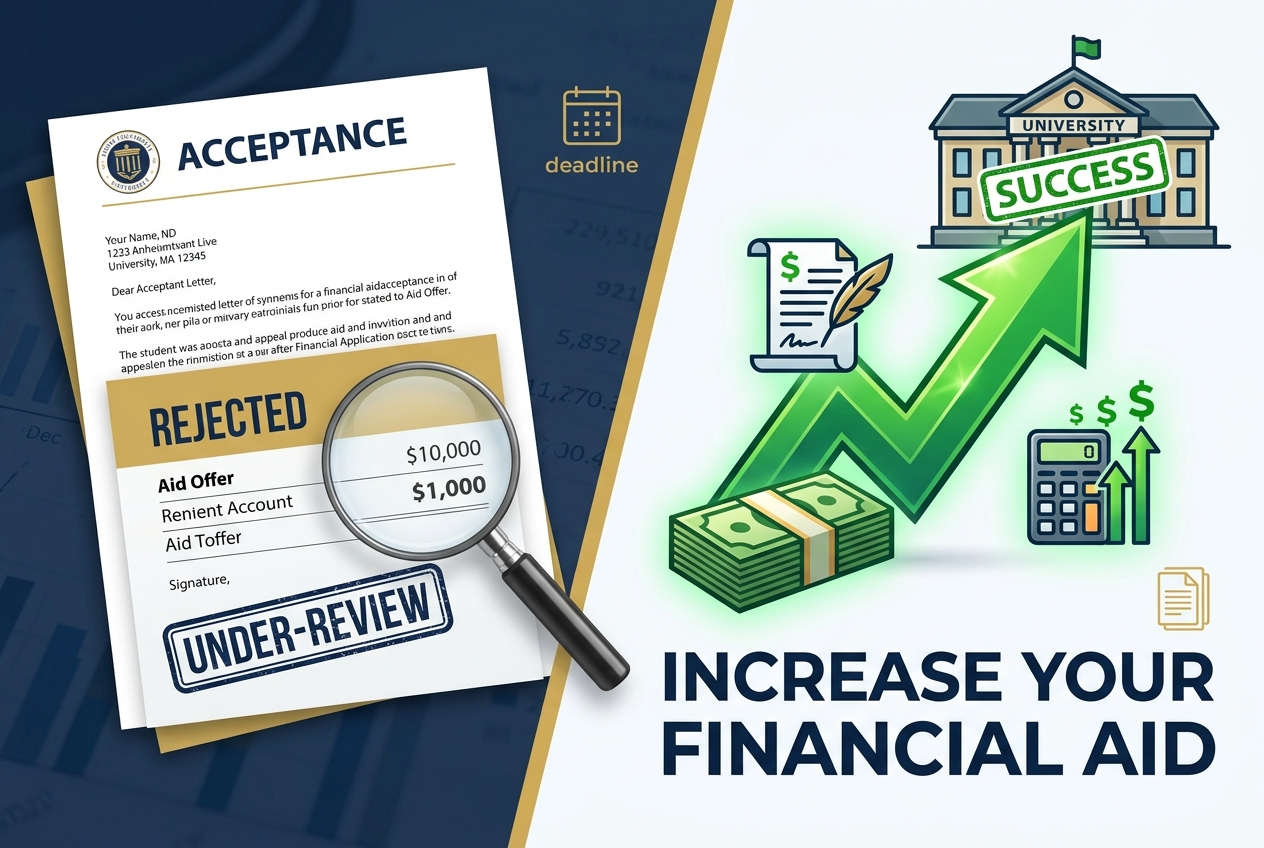
Win More Financial Aid Support Before Enrollment
You will learn how to effectively request a reconsideration of your financial aid offer by identifying special circumstances such as job loss or medical expenses not reflected in your FAFSA. You will work through drafting a clear, well-documented appeal letter that explains your changed financial situation and includes specific numbers and supporting evidence. By the end, you will be prepared to submit a compelling appeal that increases your chances of securing additional aid before enrollment deadlines.

Emotionally Immature Parents: Boundaries, Acceptance, and Self-Recovery
Growing up with emotionally immature parents often means accepting that they will never meet your childhood needs or change in meaningful ways. Healing comes from lowering expectations, setting firm boundaries, and reparenting yourself rather than hoping for parental transformation. By focusing on your own recovery and emotional autonomy, you can break free from disappointment and reclaim control over your life and relationships.

The Driver's Guide to Choosing the Right Octane
Choosing the right octane depends on what an engine is designed to require, not on the idea that premium fuel is inherently better. Higher octane helps prevent knock and potential damage in engines that need it, while ordinary engines built for regular fuel typically see no improvement in power or mileage. Readers will learn how to match fuel choice to their vehicle and avoid paying for performance benefits they will not receive.

Grade Retention Alternatives: Literacy Support, Tutoring, and Progress Monitoring
Repeating a grade feels like a second chance, but the evidence says it often makes things worse. These interventions offer what works instead: early literacy help, tutoring, and progress monitoring that catches struggles before retention is on the table. They differ on timing and method, and together they explain why strict hold-back policies backfire.

Adult Language Learning: Critical Periods, Brain Plasticity, and Teaching
Adult language learning sits at the intersection of critical period research, brain plasticity, and classroom practice. This overview explains what neuroscience suggests about age-related advantages and limits, how adults can still develop strong language skills, and how teaching can adapt for children and adult learners.

Plastic Recycling Realities: Resin Codes, Chemical Recycling, and Proven Fixes
Most plastic tossed in the recycling bin never becomes anything new, and the reasons are contested. These reasons range from misleading resin codes and the false promise of chemical recycling to the systemic changes and proven programs that do work. You can decide which fixes would genuinely improve where your plastic ends up.

Planned Obsolescence: How Manufacturers Make Products Fail Faster
That phone slowing down or lightbulb dying on schedule may not be an accident. Manufacturers have a long record of deliberately shortening product lifespans to drive repeat sales, hiding it behind software restrictions and legal barriers to repair, while most people write the failures off as natural wear. Seeing the tactic clearly is the first step toward repairing what you own and demanding products built to last.

The Salon Professional's Guide to Booth Rent, Commission, and Chair Ownership
Salon and barbershop money models differ sharply in who handles costs, risks, and rewards—from renting a booth to earning commission or owning a chair outright. These models vary in tax responsibilities, licensing, insurance requirements, and client management strategies. Understanding these differences helps workers and owners decide the best path for financial control, legal compliance, and steady income.