
Adjunct Faculty Economics: Pay, Tenure, and Precarious Work
Aus OriginalquellenMit KI aus den Quellen des Creators erstellt. Wie Capxule KI einsetzt

Über diese Kapsel
Academic jobs often promise prestige but hide deep economic challenges, especially for adjunct faculty who face low pay, delayed wages, and no benefits. The claims reveal contrasting views on tenure security, grant funding, and the systemic reliance on underpaid, temporary instructors, exposing a cycle where many educators endure poverty and instability despite decades of service. Understanding these differing perspectives helps reveal why adjuncts remain trapped in precarious roles while institutions benefit from their labor.
4 claims revealing academia's hidden economics
Exposing academia's broken economic model
Unspoken academic economics exposed
Hidden economics in creative fields
Shift from industrial to service economy
Allgemeine KI vs. KI mit dieser Kapsel
Vorschau“What actually happens to adjuncts financially when a class gets canceled last minute — like, what does that look like in real life?”
Allgemeine KI
“When an adjunct’s class gets canceled at the last minute, it can be financially brutal — because adjunct pay is usually tied to each specific course, not to a stable salary.
In real life, it often looks like this:
-
They may lose the entire paycheck for that course.
If a class is canceled before the semester starts because enrollment is too low, the adjunct often gets nothing, even if they already prepared the syllabus, built the online course shell, emailed students, ordered books, or planned their schedule around it. -
They may get only a small partial payment — or none.
Some colleges have policies that pay a small stipend if cancellation happens after a certain date, but many do not. If the class is canceled after the semester begins, the adjunct might be paid only for the days or weeks already taught. -
**Their expected income can drop by thousands of doll...”
Diese Kapsel
“The brutal part is that “canceled” often means the adjunct simply gets $0 for that course, even if they already built the syllabus, opened the LMS, answered student emails, attended onboarding, or arranged childcare. In 2024–25, 70% of institutions cancel adjunct-led courses when enrollment is too low, and the scheduled adjunct receives no pay for the canceled course. In one contingent-faculty survey, 57.2% had an employment offer terminated for lack of enrollment or another nonperformance reason, and 40.7% of those got less than one week’s notice.
What it looks like in real life:
- A semester’s income vanishes overnight
If the course paid $3,000–$5,000, that is not a bonus disappearing — that may be rent, groceries, car insurance, medication, or the money that was supposed to cover the unpaid winter/summer gap. Many adjuncts are paid per course, not salary, s...”
Adjunct Faculty Economics: Pay, Tenure, and Precarious Work
Capxule Career
Profil ansehen
Ähnlich in Karriere
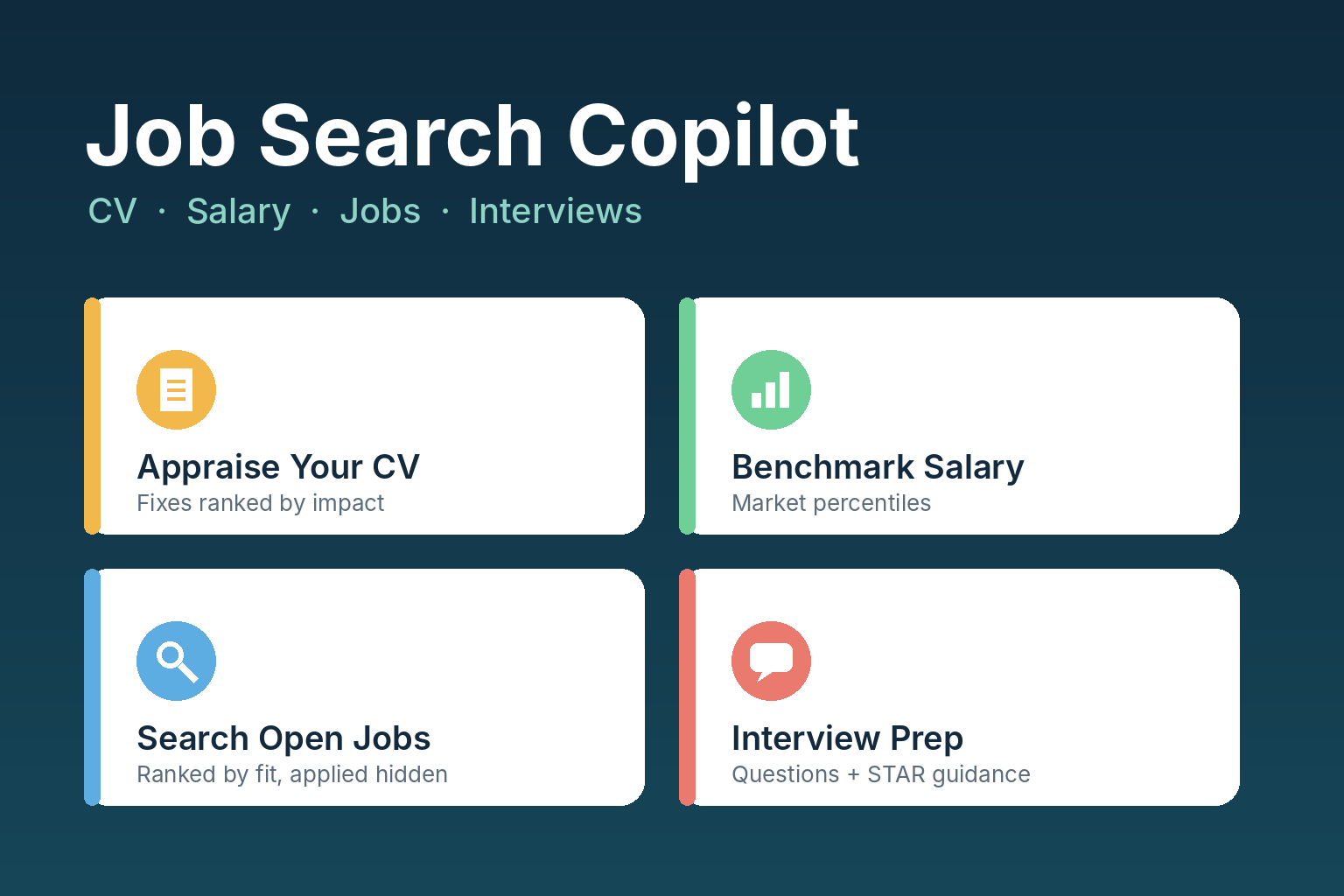
Job Search Copilot: Appraise Your CV, Benchmark Your Salary, Find Jobs & Prep Interviews
Four tools in one career capsule: get an honest CV appraisal against your target role, benchmark your salary against market data and open-role pay ranges, search open jobs ranked by fit (with applied jobs tracked and hidden), and prep for interviews with role-specific questions and answer guidance.

The First-Year Nurse's Playbook for Time, Pressure, and Support
The first year of nursing exposes you to unexpected challenges like overwhelming time pressure, understaffing, and role conflicts that can make shifts feel longer and more stressful. Different realities show how managing administrative duties, developing time-management skills, and relying on support systems can shape your experience and help you decide how to adapt and thrive in this demanding role. Understanding these realities reveals the unseen struggles and concrete facts that prepare you for what lies ahead.

The Job Seeker's Playbook to Negotiating Without Competing Offers
Negotiating a job offer without competing bids requires different strategies that focus on your unique value, timing, and understanding the employer’s constraints. Some approaches build leverage by highlighting your fit and potential impact, while others rely on patience and strategic concessions to influence the offer. This landscape helps you choose how to position yourself—from using your financial runway to engaging advocates—so you can confidently negotiate even when you lack traditional leverage.

An Aspiring Agent's Guide to Real Estate Income and Costs
Becoming a real estate agent means facing unpredictable income with bills that don’t stop coming. These realities differ on how agents manage expenses like desk fees, commission splits, and reinvestment strategies, plus how they handle lead generation and client relationships to survive and thrive. Understanding these hidden financial challenges helps you decide if this career fits your tolerance for risk and planning.