Explore Capsules
10 capsules

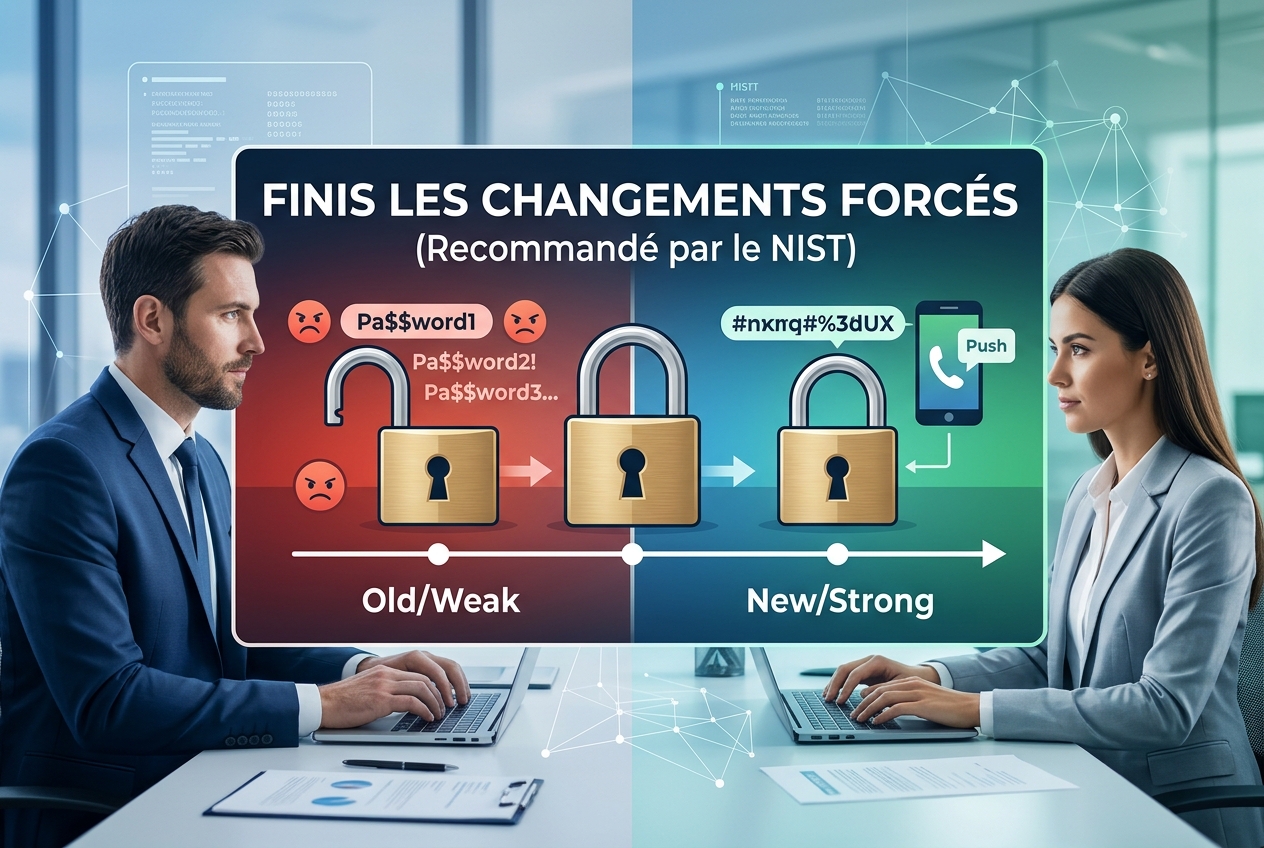
Password Rotation After NIST: Better Security Without Forced Changes
Forcing users to change passwords regularly without a reason actually weakens security, a view now supported by NIST. While many still believe frequent password changes protect accounts, this practice often leads to weaker passwords and frustration. Instead, focusing on multi-factor authentication and only changing passwords when there is a real threat improves security and user experience.

The Smartphone Owner's Checklist to Privacy and Security Settings
Out of the box, your phone leans toward convenience: tracking on, location visible, notifications spilling onto the lock screen. The settings here defend different fronts, from anti-theft protections that lock down a stolen device, to permission changes that starve data collection, to notification and location controls most people never revisit. Choosing your battles is how you keep the phone useful and yours.

Public Wi-Fi Security: Encryption, VPNs, and Trust
Public Wi-Fi security depends on understanding which protections apply at each layer: the network, the websites and apps you use, and any VPN you add. Learn how modern encryption changes the risks of open networks, when a VPN meaningfully helps, and how to judge whether a public connection is trustworthy enough for your activity.

Digital Privacy Priorities: Data, Organization, and Surveillance Risk
Not everyone means the same thing by sensitive data. These views range from strict categories like health and biometric records, to practical digital cleanup and organization, to shielding vulnerable people from surveillance harm. You can decide whether your priority is guarding raw data, keeping digital order, or protecting people under watch.

The 3-2-1 Backup Strategy: Reliable Protection for Your Files
Most people underestimate how easily files can be lost or corrupted when devices fail or ransomware strikes. The proven approach is to maintain at least three copies of your data on two different types of storage, with one copy kept offline or offsite. Following this strategy ensures your files remain safe and recoverable even when things break.

Cloud Data Security: Access Rules, Provider Defenses, and Exposure Risks
Cloud data security depends on how access is controlled, how provider defenses operate, and where exposure can enter through connected platforms and workflows. Readers will understand the roles of strict access rules, zero trust practices, cloud provider security capabilities, job-platform exposure risks, and empirical evidence for judging where data is best protected.

Subscription-Free Home Security: Effective Protection Without Monthly Fees
You can protect your home effectively without paying monthly fees by choosing one-time purchase security solutions instead of subscription-based services. While many believe ongoing payments are necessary for reliable protection, opting out of monthly fees saves money and still keeps your home safe with the right equipment and setup.

The Family Document Safe: One Place for Emergency Readiness
When an emergency hits, scattered passports, wills, and birth certificates cost you precious time and expose you to loss or identity theft. The case here is for one fireproof, waterproof spot holding every vital document, against the common habit of stashing papers wherever convenient. Centralize once and you can grab what matters in minutes when it counts.

VPN Privacy: Protection, Limits, and Provider Risks
A VPN can mask your IP and secure your connection, but it does not make you anonymous. These views differ on whether VPNs are useful-but-limited tools, only part of a real privacy setup alongside secure browsers and habits, or oversold products with hidden tracking and provider risks. You can decide how much to rely on one.

A Household Guide to Home Safety Priorities
Protecting your home takes the right tools and the right habits, but there's real disagreement about what to lock down first. These areas span fire and carbon monoxide detection, childproofing, electrical and tool safety, and being ready for emergencies. Weigh them to build a plan that fits your household.