
Explorar cápsulas
6 cápsulas
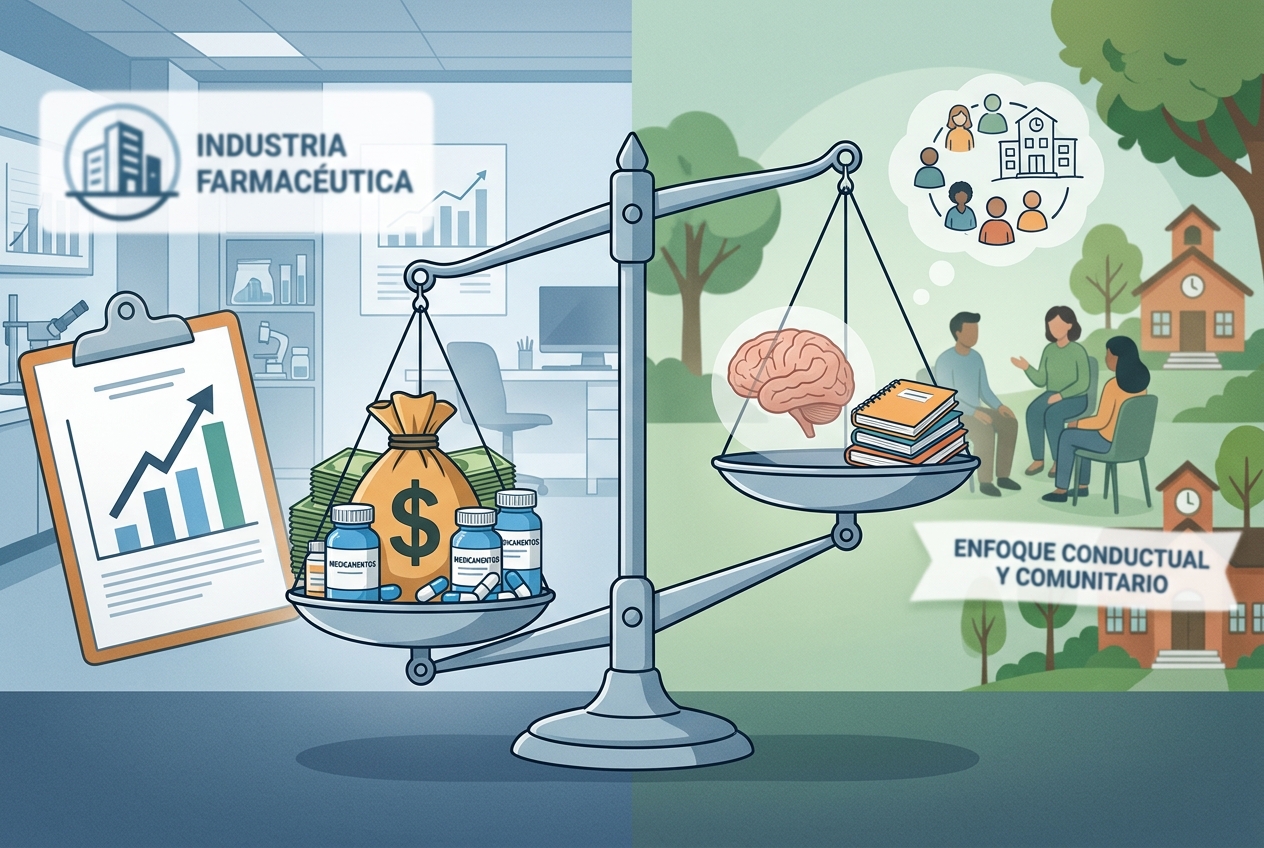
Sobrediagnosticados: Cómo el lucro transformó el cuidado del TDAH
El aumento en los diagnósticos de TDAH está menos relacionado con la necesidad del paciente y más con una industria que se beneficia de cada prescripción. Frente a la norma predominante de medicación como primera opción, este enfoque sostiene que la influencia de las farmacéuticas sesga la investigación y las guías, y que los enfoques comunitarios y conductuales abordan las causas raíz sin patologizar conductas normales. El escepticismo hacia el diagnóstico impulsado por el lucro es el punto de partida para una atención de salud mental más honesta.

Padres emocionalmente inmaduros: límites, aceptación y auto-recuperación
Crecer con padres emocionalmente inmaduros a menudo significa aceptar que nunca satisfarán tus necesidades infantiles ni cambiarán de manera significativa. La sanación proviene de bajar las expectativas, establecer límites firmes y reeducarte a ti mismo en lugar de esperar una transformación parental. Al enfocarte en tu propia recuperación y autonomía emocional, puedes liberarte de la decepción y recuperar el control sobre tu vida y tus relaciones.

Guía para Padres sobre los Primeros Smartphones y los Compromisos con el Tiempo de Pantalla
Cada padre que entrega un primer teléfono está realizando un experimento en una mente en desarrollo. Las opiniones varían desde una regulación estricta y el retraso total en la entrega de teléfonos hasta la enseñanza de hábitos seguros en redes sociales, con algunos que insisten en que la investigación en sí es demasiado débil para justificar la alarma. Evalúa la evidencia y la precaución para decidir qué protege a tu hijo sin aislarlo.
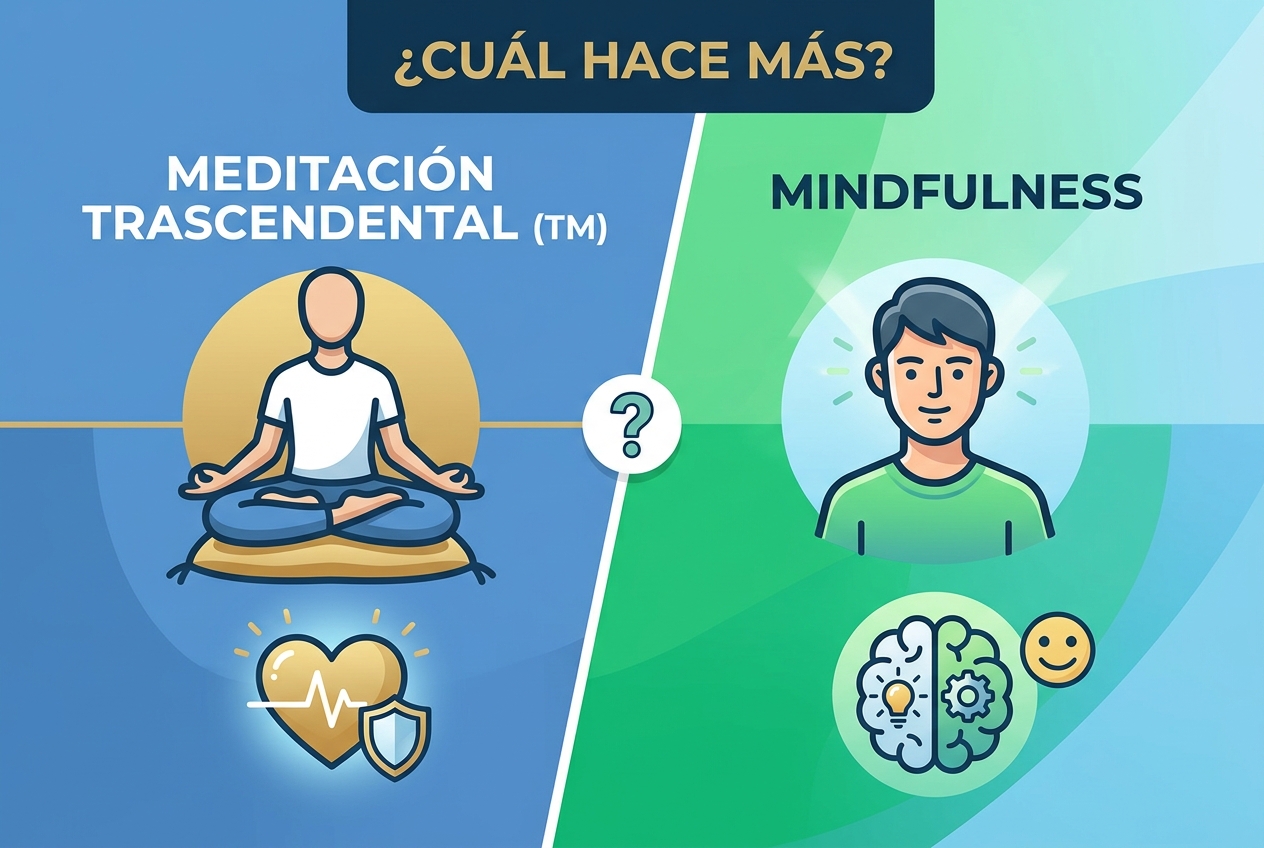
Meditación Trascendental y Atención Plena: Estrés, Concentración y Evidencia
La Meditación Trascendental y la atención plena prometen cambios reales, pero pueden ayudar en aspectos diferentes. Estas afirmaciones comparan dónde la evidencia favorece a la MT para reducir riesgos físicos relacionados con el estrés frente a la atención plena para la concentración diaria y el control emocional, y dónde la prueba directa es limitada. Tú puedes decidir qué práctica se ajusta mejor a los resultados que buscas.
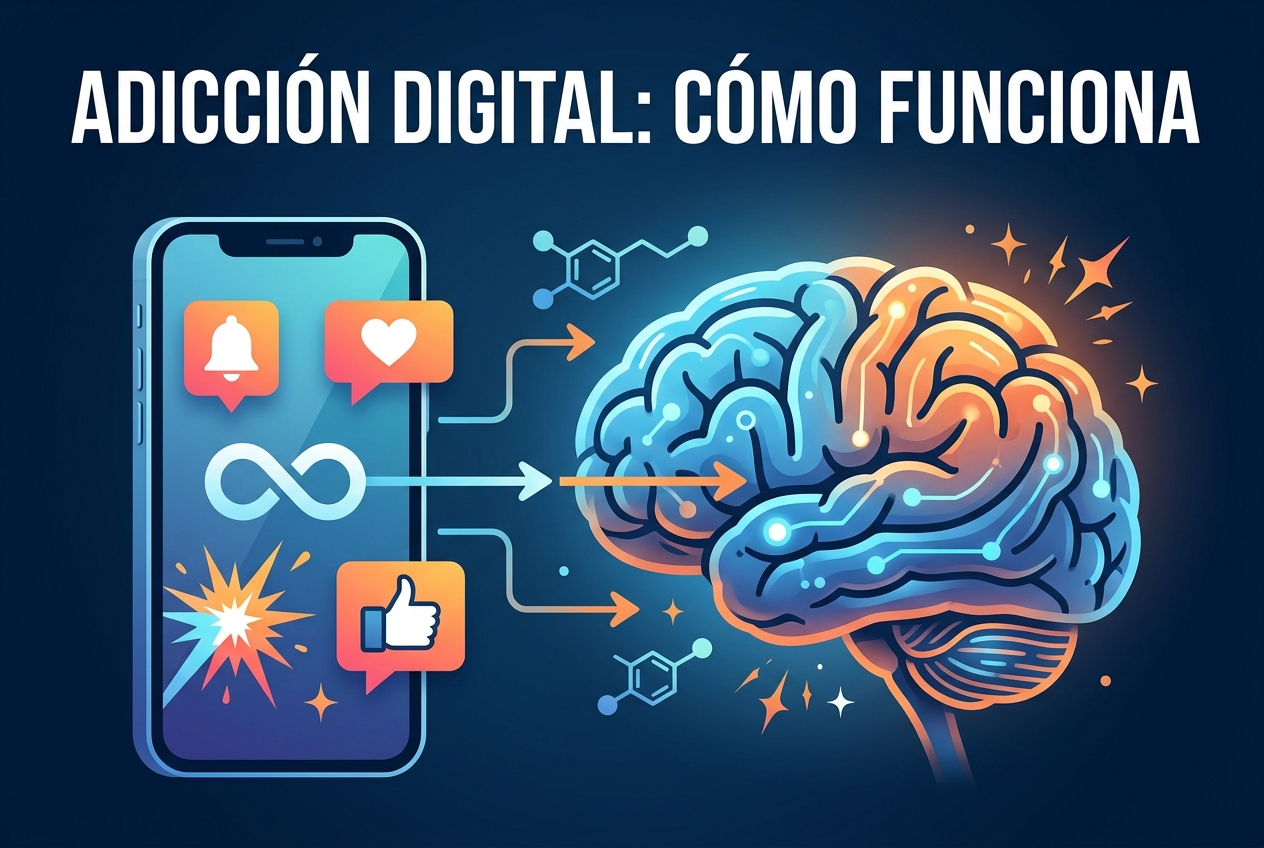
Recupera el enfoque rompiendo el ciclo de dopamina de las redes sociales
Las plataformas de redes sociales emplean esquemas de recompensa variable, similares a las máquinas tragamonedas, para secuestrar el sistema de dopamina del cerebro y fomentar un uso compulsivo. Comprender esta distracción diseñada te ayuda a dejar de culparte por la reducción de la capacidad de atención y revela por qué la fuerza de voluntad por sí sola suele fallar. Al elegir la abstinencia deliberada en lugar de la simple reducción, puedes interrumpir los patrones de adicción impulsados por la dopamina y recuperar el control sobre tu enfoque y atención.

Manejo de la Ansiedad con Rutinas Diarias, Técnicas de Enraizamiento y Exposición
El manejo efectivo de la ansiedad implica establecer rutinas diarias simples como la exposición a la luz solar por la mañana, hidratación, consumo limitado de cafeína y caminatas programadas, combinadas con ejercicios de respiración específicos como la respiración en caja antes de eventos estresantes. Las técnicas de enraizamiento, incluyendo el método sensorial 5-4-3-2-1 y la técnica Orientarse a la Seguridad, ayudan a reorientar la atención durante picos de ansiedad, mientras que las prácticas de exposición gradual permiten enfrentar de forma segura los desencadenantes de ansiedad. El uso de suplementos, como glicinato de magnesio o L-teanina, requiere orientación profesional debido a consideraciones de seguridad y posibles interacciones. La respuesta en crisis incluye acceso inmediato a recursos como la Línea de Vida para el Suicidio y Crisis.