
Le guide du conducteur pour les voitures électriques, hybrides et à essence
De sources originales
À propos de cette capsule
Choisir entre véhicules électriques, hybrides et à essence dépend fortement de votre manière et lieu de conduite, notamment de votre accès à une recharge fiable. Ces facteurs révèlent des défis concrets comme le coût élevé des bornes publiques, les longues attentes et le remplacement coûteux des batteries, qui influent sur l'expérience et les dépenses liées à la possession. Comprendre ces différences vous aide à trouver le véhicule le mieux adapté à vos besoins quotidiens et à éviter les surprises au-delà de la théorie.
4 facteurs clés pour conduire électrique, hybride, essence
Conduite réelle et obstacles d’accès
Essayez de demander : « Les VE parcourent-ils généralement le même nombre de miles annuels que les voitures à essence ? »
Modèle commercial de Touch & Go Distribution
Repères factuels et métriques d’Album
Il s’agit de votre conduite réelle, pas de la théorie.
IA générique vs IA avec cette capsule
Aperçu“Si je vis en appartement et ne peux pas recharger à domicile, un véhicule électrique en vaut-il quand même la peine ?”
IA générique
“Oui — un VE peut encore valoir le coup sans recharge à domicile, mais cela dépend beaucoup de votre accès à une recharge pratique et abordable.
C’est probablement intéressant si :
- Vous pouvez recharger au travail ou dans un garage, centre commercial, salle de sport ou parking public proche que vous fréquentez déjà.
- Vous parcourez un kilométrage modéré, par exemple moins de ~30–40 miles par jour.
- Il y a des bornes de niveau 2 fiables à proximité, pas seulement des bornes rapides coûteuses.
- Vos tarifs locaux d’électricité/recharge publique sont raisonnables.
- Vous envisagez un VE avec une bonne autonomie, idéalement plus de 400 km, pour ne pas avoir à recharger constamment.
- Vous appréciez un entretien réduit, une conduite plus silencieuse et ne pas acheter d’essence.
Cela peut être moins intéressant si :
- Vous dépendez surtout des **bornes rapi...”
Cette capsule
“Si vous vivez en appartement et ne pouvez pas recharger là où vous vous garez, un VE n’est généralement pas l’économie automatique que l’on imagine. Tout l’avantage coût des VE repose sur une recharge à domicile bon marché. Les bornes rapides publiques peuvent coûter 2 à 3 fois plus cher que la recharge à domicile, et dans certains cas la recharge publique peut annuler complètement l’avantage de coût d’usage du VE — rendant même une hybride économique moins chère au mile.
Le test dur pour les citadins en appartement :
-
Pouvez-vous recharger à bas coût au travail ou à proximité la nuit ?
Si oui, un VE peut encore fonctionner. Si votre seule option réaliste est la recharge rapide publique DC, soyez prudent. -
Combien de miles parcourez-vous par an ?
Pour les conducteurs sans recharge à domicile, les économies diminuent avec le kilométrage. Dans une analyse b...”
Le guide du conducteur pour les voitures électriques, hybrides et à essence
Capxule Lifestyle
Voir le profil
Similaires dans Style de vie

Décisions Solaires Résidentielles, Bien Faites
Décider si les panneaux solaires sont un investissement judicieux dépend fortement de l’emplacement de votre maison, des coûts de l’électricité et des incitations disponibles. Différents guides vous aident à évaluer les projections d’économies, éviter les arnaques, comprendre le financement et vérifier les références des installateurs afin que vous puissiez choisir en toute confiance si le solaire est adapté à votre situation spécifique. Que vous soyez propriétaire ou locataire, ces guides révèlent quand le solaire est rentable et comment vous protéger des ventes sous pression et des offres trompeuses.

Élever des enfants dans des villes coûteuses : logement, garde et scolarité
Élever un enfant dans des zones métropolitaines coûteuses comme la région de la Baie ou New York implique bien plus que des dépenses visibles. Les coûts varient largement selon les frais cachés, les obstacles réglementaires et l’impact humain des exigences de garde, incluant le logement, la scolarité et l’accès à la garde d’enfants. Comprendre ces coûts distincts aide les familles à naviguer dans des choix difficiles concernant l’éducation, le logement et le soutien à la garde dans un contexte économique complexe.

Guide du propriétaire de chiot pour les soins et l’éducation du premier mois
Les premières semaines avec un nouveau chiot sont celles où les risques pour la santé sont les plus élevés et où les habitudes de vie se forment, donc les conseils que vous suivez maintenant façonnent le chien avec lequel vous vivrez pendant des années. Ces approches diffèrent sur le moment de programmer les soins vétérinaires et les vaccinations, sur le fait que l’éducation doit reposer uniquement sur les récompenses ou inclure des corrections, et sur la durée et la structure des séances. Les comparer vous aide à choisir un plan pour la santé et le comportement avant que les problèmes ne commencent.
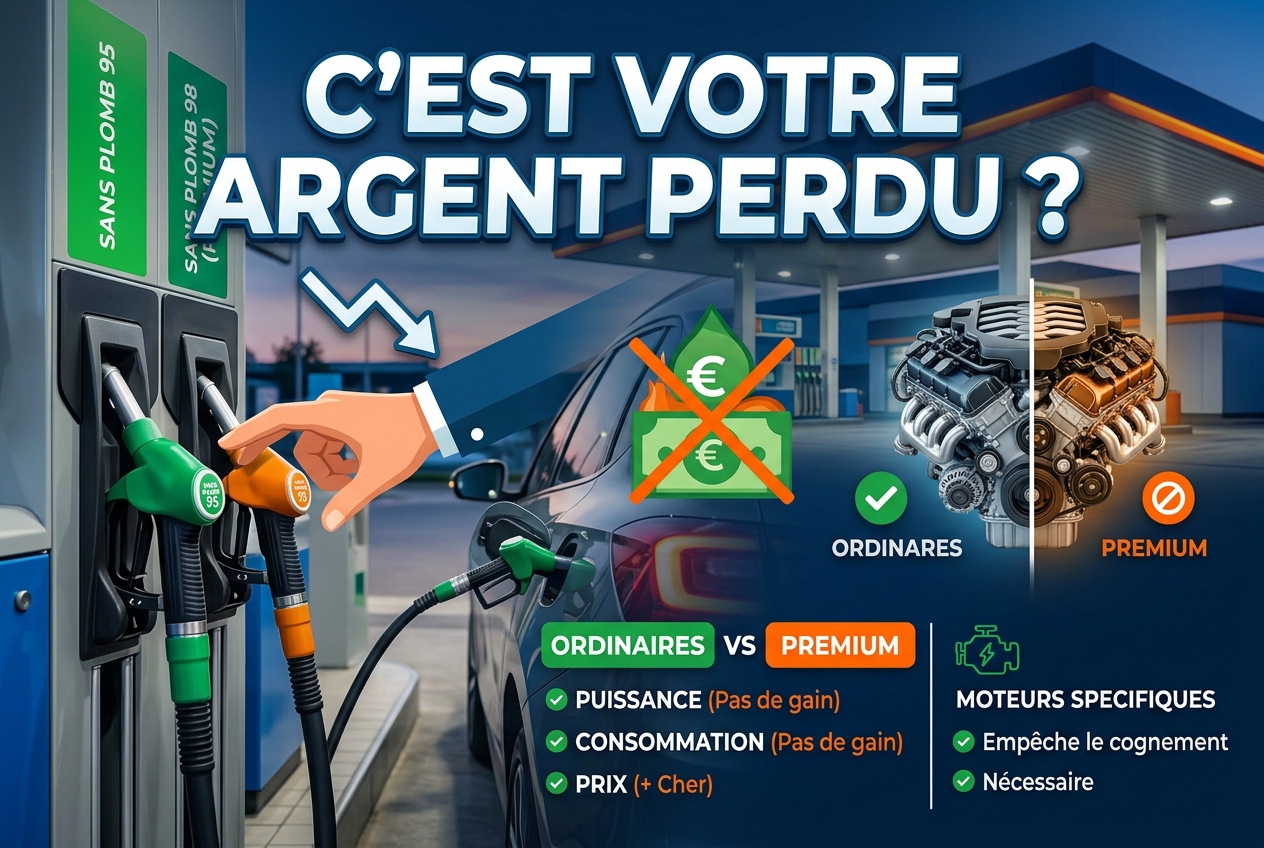
Le guide du conducteur pour choisir le bon indice d’octane
Choisir le bon indice d’octane dépend de ce pour quoi un moteur est conçu, et non de l’idée que le carburant premium est intrinsèquement meilleur. Un indice d’octane plus élevé aide à prévenir le cognement et les dommages potentiels dans les moteurs qui en ont besoin, tandis que les moteurs ordinaires conçus pour un carburant régulier ne voient généralement aucune amélioration en puissance ou en consommation. Les lecteurs apprendront comment adapter leur choix de carburant à leur véhicule et éviter de payer pour des bénéfices de performance qu’ils ne recevront pas.