
Éducation au sommeil et attachement : preuves, stress et limites
De sources originales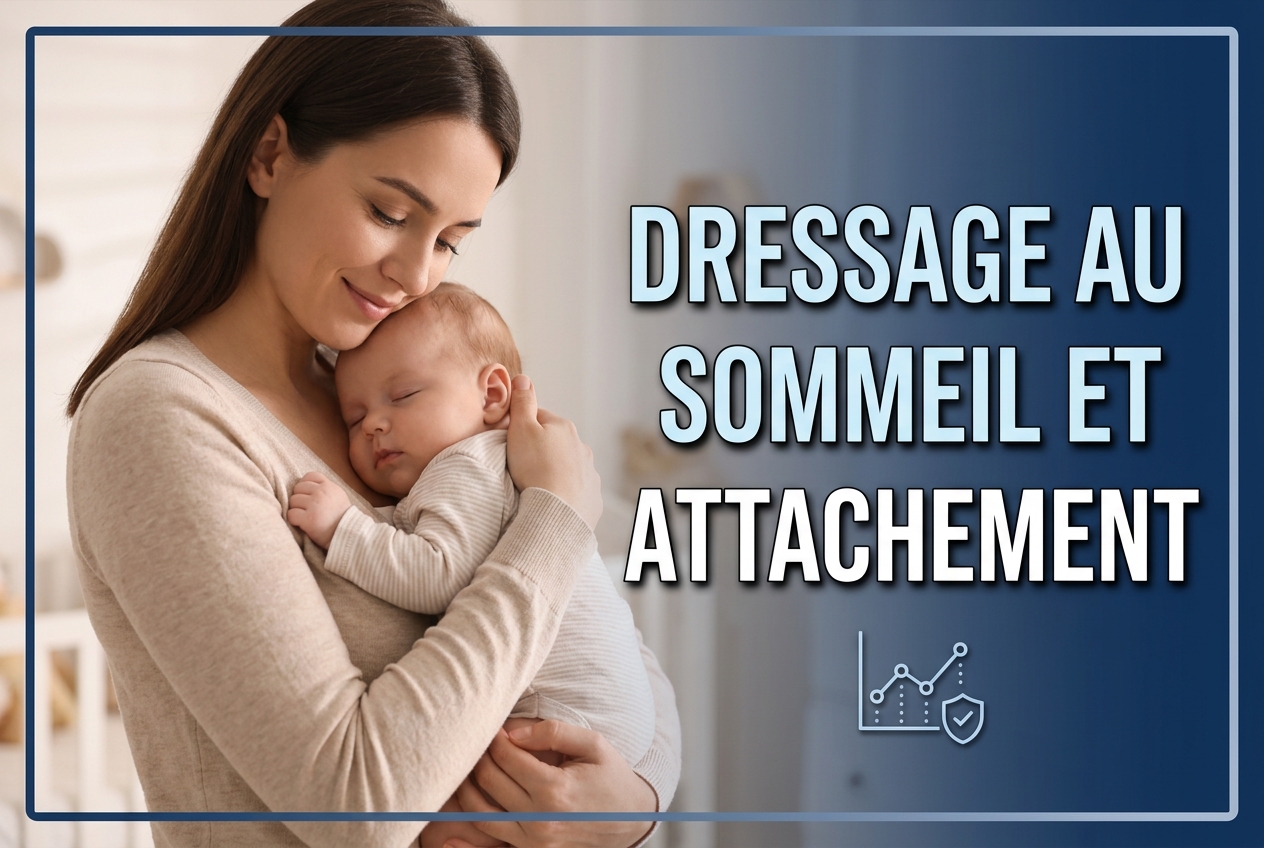
À propos de cette capsule
La crainte que laisser un bébé apprendre à dormir nuise à l’attachement est précisément ce que les études de suivi ont cherché à vérifier, et elles ne cessent de constater l’absence de dommages sur le lien affectif ou les hormones du stress. Les preuves présentées ici expliquent comment les données sur le cortisol ont été mesurées et nettoyées, pourquoi l’épuisement parental comporte ses propres risques, et où résident réellement les limites des études. Vous pouvez peser ensemble les assurances et les mises en garde avant de décider ce dont votre famille a besoin.
Couvert dans cette capsule
Assurer l’intégrité des données de cortisol par la gestion des valeurs aberrantes.
L’éducation au sommeil est sûre avec une science rigoureuse
L’éducation au sommeil est sûre pour l’attachement.
Essayez de demander : « L’éducation au sommeil nuit-elle à l’attachement parent-enfant un an plus tard ? »
Le bien-être maternel est prioritaire.
L’homogénéité des échantillons limite la généralisabilité
IA générique vs IA avec cette capsule
Aperçu“Quelles sont les principales façons dont les chercheurs vérifient que l’éducation au sommeil ne cause pas de stress physiologique durable chez les nourrissons ?”
IA générique
“Les chercheurs recherchent principalement des signes objectifs de stress avant, pendant et après les interventions d’éducation au sommeil, puis vérifient si des changements persistent. Les approches les plus courantes sont :
-
Tests des hormones du stress
- Les études peuvent mesurer le cortisol salivaire, l’hormone la plus souvent utilisée comme marqueur du stress physiologique.
- Les chercheurs comparent les niveaux de cortisol avant l’éducation au sommeil, pendant l’intervention, et après, en vérifiant parfois aussi les rythmes circadiens normaux du cortisol.
- La question clé est de savoir si les nourrissons présentent un cortisol chroniquement élevé ou des perturbations du rythme du cortisol après l’éducation.
-
Surveillance physiologique
- Certaines études examinent des mesures comme la fréquence cardiaque, la **variabilité de la fréquenc...”
Cette capsule
“Les chercheurs ne vérifient pas la sécurité en demandant « le bébé a-t-il arrêté de pleurer ? » — cela peut être trompeur. Dans l’étude d’extinction de Middlemiss sur 5 jours, les nourrissons ont cessé de signaler dès le jour 3 alors que le cortisol restait élevé, et la synchronie du cortisol mère–enfant a disparu. Les tests les plus rigoureux examinent le cortisol avant, pendant, après, et des années plus tard : prélèvements salivaires à des moments définis, groupes témoins, mesures de base, contrôle du rythme circadien, suivi à long terme, et gestion soigneuse des valeurs aberrantes de cortisol au-delà de 3 écarts-types.
Principales méthodes :
- Prélèvements salivaires de cortisol à des moments précis
Le cortisol est le principal marqueur biologique utilisé car il reflète l’activité de l’axe HPA liée au stress. Les chercheurs collectent la salive du nourrisson :- au rév...”
Éducation au sommeil et attachement : preuves, stress et limites
Capxule Psychology
Voir le profil
Similaires dans Psychologie

Guide du joueur sur la psychologie des casinos et le jeu responsable
Les casinos sont conçus jusque dans les moindres détails, y compris la moquette, pour vous garder à la table, et savoir comment cela fonctionne change votre façon de jouer. Ces tactiques couvrent la science cérébrale des quasi-victoires et des récompenses imprévisibles, les agencements et la surcharge sensorielle qui altèrent le jugement, les probabilités truquées qui cachent le vrai coût, et la discipline de savoir quand s’arrêter. Découvrez le guide complet pour prendre des décisions plus éclairées.

Maîtrise de soi : preuves, environnement et changement d’habitudes
L’idée que la maîtrise de soi s’épuise comme une batterie a façonné des années de conseils, mais elle est désormais remise en question. Ces points de vue vont des échecs de réplication des études sur l’épuisement à des méthodes de test plus rigoureuses, en passant par l’argument que la culture et l’environnement influencent la maîtrise de soi bien plus que la seule volonté intérieure. Vous pouvez décider comment renforcer réellement votre discipline personnelle.
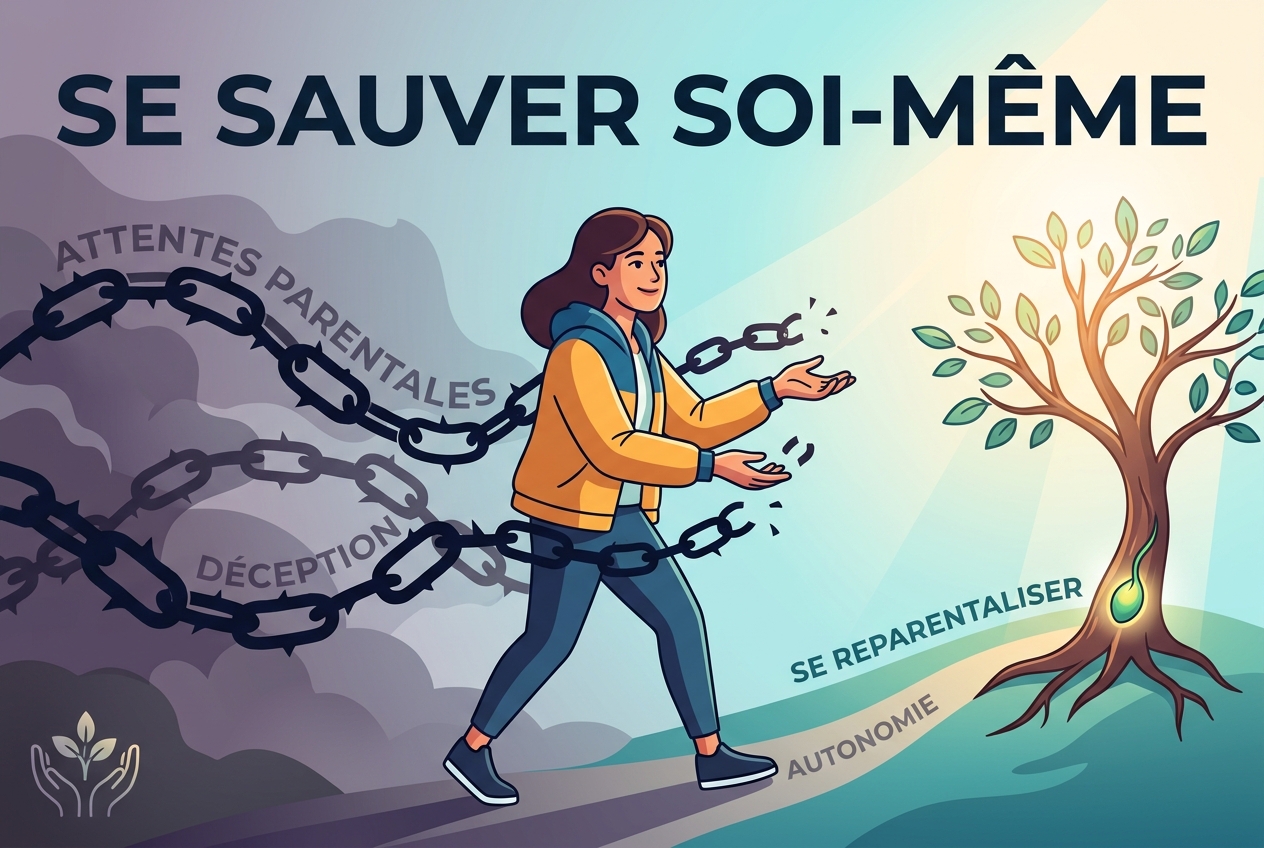
Parents émotionnellement immatures : limites, acceptation et auto-guérison
Grandir avec des parents émotionnellement immatures signifie souvent accepter qu'ils ne répondront jamais à vos besoins d'enfant ni ne changeront de manière significative. La guérison passe par l'abaissement des attentes, l'établissement de limites fermes et le fait de se rééduquer soi-même plutôt que d'espérer une transformation parentale. En vous concentrant sur votre propre rétablissement et votre autonomie émotionnelle, vous pouvez vous libérer de la déception et reprendre le contrôle de votre vie et de vos relations.

Surprotection et rétablissement : traumatisme, autonomie et résilience
Protéger une personne en difficulté de chaque stress semble bienveillant, mais l’évitement peut discrètement entretenir le traumatisme et freiner la croissance. De la guérison du SSPT à l’indépendance des adolescents, la question difficile est de savoir quand la protection soigne et quand elle freine.