Maîtrise de soi : preuves, environnement et changement d’habitudes
De sources originales
À propos de cette capsule
L’idée que la maîtrise de soi s’épuise comme une batterie a façonné des années de conseils, mais elle est désormais remise en question. Ces points de vue vont des échecs de réplication des études sur l’épuisement à des méthodes de test plus rigoureuses, en passant par l’argument que la culture et l’environnement influencent la maîtrise de soi bien plus que la seule volonté intérieure. Vous pouvez décider comment renforcer réellement votre discipline personnelle.
5 points de vue d’experts sur les limites de la volonté
Échecs de réplication de l’épuisement de l’ego et critique méthodologique
Essayez de demander : « Que montre la réplication de l’épuisement de l’ego menée par 24 laboratoires ? »
Méthodes rigoureuses pour la réplication de l’épuisement de l’ego
Essayez de demander : « Comment le nettoyage des répondants aléatoires à la tâche antisaccade a-t-il affecté les estimations de réplication de l’épuisement de l’ego ? »
Le contexte culturel remet en cause la théorie de l’épuisement de la volonté.
Critique fondée sur les preuves des mythes sur la formation des habitudes.
Maîtrise de soi par la conception de l’environnement, pas par la volonté.
IA générique vs IA avec cette capsule
Aperçu“J’entends souvent dire que la volonté s’épuise comme une batterie — est-ce vrai, ou la science a-t-elle évolué ?”
IA générique
“En bref : l’idée que la volonté est une batterie qui s’épuise est probablement trop simpliste, et la science a évolué.
La théorie plus ancienne, souvent appelée épuisement de l’ego, affirmait que l’effort de contrôle de soi sur une tâche épuise temporairement une ressource mentale limitée, vous rendant moins performant sur les tâches suivantes. Les premières études semblaient soutenir cela, et la métaphore est devenue populaire : la volonté « s’épuise ».
Mais des recherches ultérieures ont compliqué ce tableau :
- De grandes tentatives de réplication ont trouvé des effets beaucoup plus faibles ou incohérents que les études originales.
- L’idée que la volonté est littéralement alimentée par le glucose sanguin ne s’est pas confirmée.
- Les méta-analyses suggèrent qu’il peut y avoir un effet, mais il est probablement **plus petit, plus dépendant du contexte et plus diffic...”
Cette capsule
“L’histoire selon laquelle la volonté s’épuise comme une batterie n’est plus une science robuste. Le signal d’alerte le plus fort : la réplication enregistrée multi-laboratoires de Hagger et al. en 2016 — 23 laboratoires, 2 141 participants — n’a trouvé pratiquement aucun effet d’épuisement de l’ego : d = 0,04. Une autre grande étude multisite préenregistrée en 2020, avec plus de 130 auteurs, n’a trouvé aucune preuve d’épuisement de l’ego et était quatre fois plus susceptible de soutenir un effet nul qu’un effet positif. Donc, si quelqu’un vous dit « vous avez échoué parce que votre batterie de volonté était vide », c’est une simplification dépassée et potentiellement nuisible.
Voici les principales positions d’experts — et elles ne sont pas toutes d’accord.
Voie 1 : La vue de la crise de réplication — « le modèle de la batterie s’est effondré »
Ce camp affir...”
Maîtrise de soi : preuves, environnement et changement d’habitudes
Capxule Psychology
Voir le profil
Similaires dans Psychologie

Guide du joueur sur la psychologie des casinos et le jeu responsable
Les casinos sont conçus jusque dans les moindres détails, y compris la moquette, pour vous garder à la table, et savoir comment cela fonctionne change votre façon de jouer. Ces tactiques couvrent la science cérébrale des quasi-victoires et des récompenses imprévisibles, les agencements et la surcharge sensorielle qui altèrent le jugement, les probabilités truquées qui cachent le vrai coût, et la discipline de savoir quand s’arrêter. Découvrez le guide complet pour prendre des décisions plus éclairées.
Parents émotionnellement immatures : limites, acceptation et auto-guérison
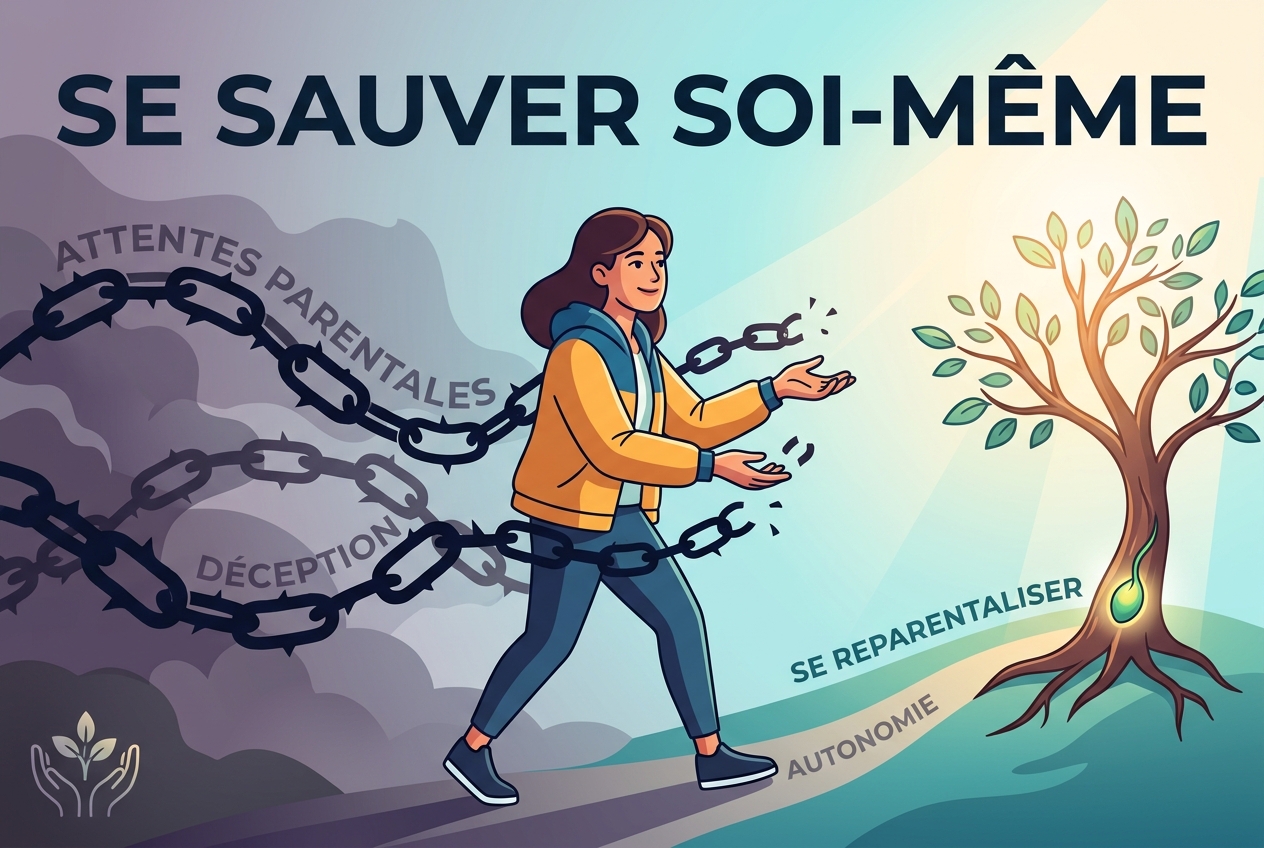
Grandir avec des parents émotionnellement immatures signifie souvent accepter qu'ils ne répondront jamais à vos besoins d'enfant ni ne changeront de manière significative. La guérison passe par l'abaissement des attentes, l'établissement de limites fermes et le fait de se rééduquer soi-même plutôt que d'espérer une transformation parentale. En vous concentrant sur votre propre rétablissement et votre autonomie émotionnelle, vous pouvez vous libérer de la déception et reprendre le contrôle de votre vie et de vos relations.

Surprotection et rétablissement : traumatisme, autonomie et résilience
Protéger une personne en difficulté de chaque stress semble bienveillant, mais l’évitement peut discrètement entretenir le traumatisme et freiner la croissance. De la guérison du SSPT à l’indépendance des adolescents, la question difficile est de savoir quand la protection soigne et quand elle freine.

Éducation au sommeil et attachement : preuves, stress et limites
La crainte que laisser un bébé apprendre à dormir nuise à l’attachement est précisément ce que les études de suivi ont cherché à vérifier, et elles ne cessent de constater l’absence de dommages sur le lien affectif ou les hormones du stress. Les preuves présentées ici expliquent comment les données sur le cortisol ont été mesurées et nettoyées, pourquoi l’épuisement parental comporte ses propres risques, et où résident réellement les limites des études. Vous pouvez peser ensemble les assurances et les mises en garde avant de décider ce dont votre famille a besoin.