
Aceites de Semillas Vindicados: Grasas Omega-6, Inflamación y Salud Cardiaca
De fuentes originales
Sobre esta cápsula
Las grasas omega-6 provenientes de aceites de semillas son ampliamente culpadas de causar inflamación, pero grandes ensayos en humanos apuntan en sentido contrario. La afirmación aquí es que el ácido linoleico, su principal grasa, no aumenta la inflamación y está vinculado a una menor mortalidad cardiovascular, independientemente de lo que sugieran los mecanismos de laboratorio. Si la evidencia de los ensayos te convence, los aceites de semillas pueden quedarse en tu cocina sin culpa.
IA genérica vs IA con esta cápsula
Vista previa“¿Qué resultados cardiovasculares específicos mejoraron en los estudios a gran escala con mayor ingesta de ácido linoleico?”
IA genérica
“Los estudios a gran escala con mayor ingesta o niveles de ácido linoleico generalmente han encontrado mejoras en estos resultados cardiovasculares:
- Menos eventos de enfermedad coronaria (EC) — incluyendo infartos no fatales y otros eventos coronarios
- Menor mortalidad por EC — menos muertes por enfermedad coronaria”
Esta cápsula
“Los estudios a gran escala con mayor ingesta de ácido linoleico o niveles sanguíneos/tisulares más altos generalmente mostraron mejoras en estos resultados cardiovasculares:
-
Menor mortalidad por enfermedad cardiovascular
- Grandes metaanálisis encontraron que un mayor omega-6/ácido linoleico se asocia con aproximadamente 15% menos mortalidad por ECV en poblaciones generalmente sanas.
- Análisis de biomarcadores hallaron que cada aumento de una desviación estándar en ácido linoleico se vincula con 11% menos mortalidad por ECV: RR 0.89; IC 95% 0.85–0.94.
-
Menor riesgo/eventos totales de enfermedad cardiovascular
- Un análisis combinado de 30 estudios de cohortes encontró que un mayor ácido linoleico circulante se asocia con menor ECV total: HR 0.93; IC 95% 0.88–0.99.
- Un análisis global combinado de 2019 halló de forma similar que m...”
Aceites de Semillas Vindicados: Grasas Omega-6, Inflamación y Salud Cardiaca
Capxule Health
Ver perfil
Relacionadas en Salud

Guía para Pacientes sobre Análisis de Tiroides Normales y Pruebas de Seguimiento
Los resultados normales de los análisis de tiroides no siempre explican síntomas persistentes como fatiga, niebla mental, intolerancia al frío o cambios de peso. Esta guía explica qué pueden y qué no pueden mostrar las pruebas estándar de tiroides, cómo factores como los anticuerpos, la conversión hormonal, los rangos de referencia y el momento de la prueba pueden afectar la interpretación, y qué pruebas de seguimiento podrían valer la pena discutir con un clínico.

Sobrediagnosticados: Cómo el lucro transformó el cuidado del TDAH
El aumento en los diagnósticos de TDAH está menos relacionado con la necesidad del paciente y más con una industria que se beneficia de cada prescripción. Frente a la norma predominante de medicación como primera opción, este enfoque sostiene que la influencia de las farmacéuticas sesga la investigación y las guías, y que los enfoques comunitarios y conductuales abordan las causas raíz sin patologizar conductas normales. El escepticismo hacia el diagnóstico impulsado por el lucro es el punto de partida para una atención de salud mental más honesta.

Guía para Compradores sobre Costos y Cobertura del Seguro de Salud
Elegir un plan de seguro de salud durante el período de inscripción abierta se complica por procesos confusos, desafíos de asequibilidad y límites ocultos en la cobertura. Los planes varían ampliamente en cómo manejan los costos, la atención fuera de la red y medidas de calidad como el manejo de la diabetes, mientras que los recursos de apoyo difieren en financiamiento y disponibilidad. Entender estas diferencias te ayuda a evitar negaciones inesperadas, cargos y brechas en la cobertura para que puedas encontrar un plan que realmente se adapte a tus necesidades.
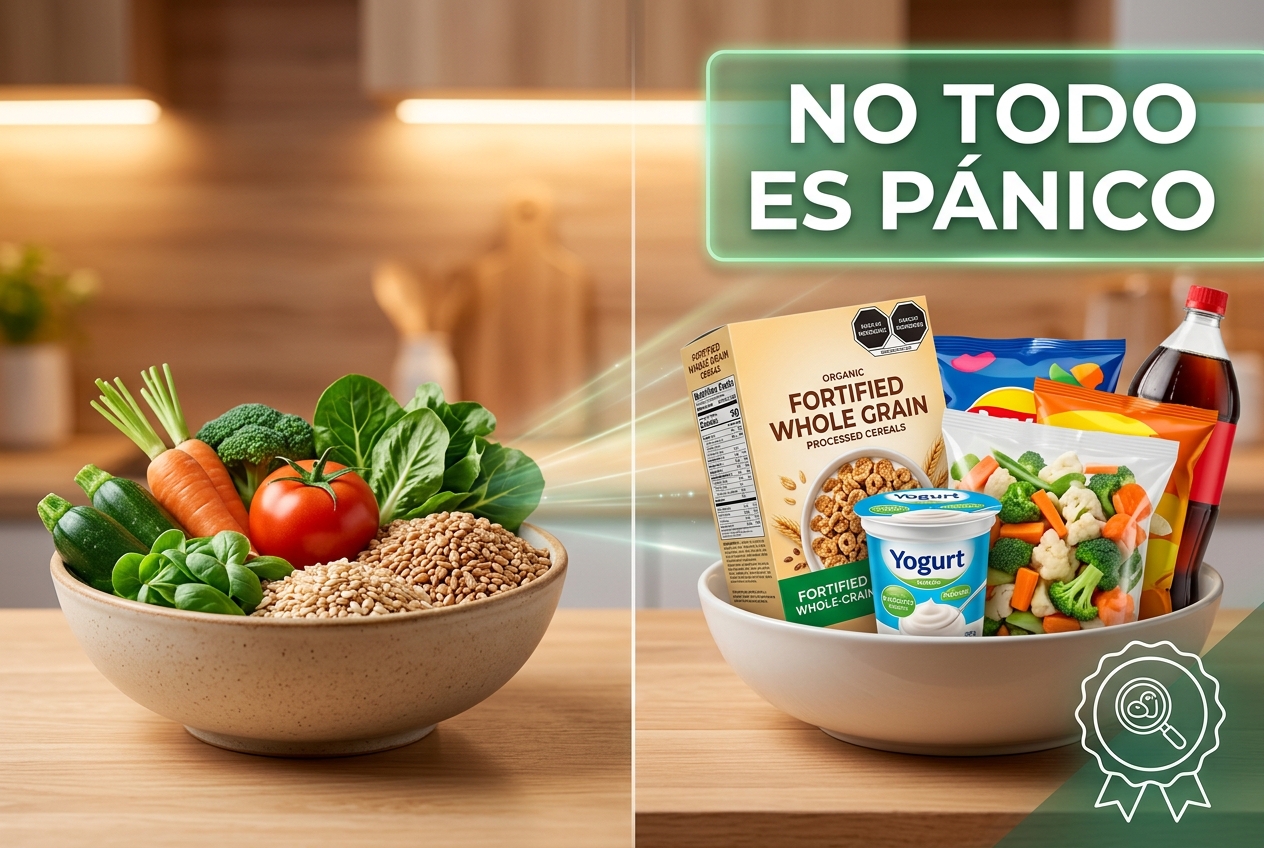
Alimentos Ultraprocesados: Clasificación, Nutrición y Compensaciones en Salud Pública
El término ultraprocesado se ha convertido en sinónimo de malo, pero la etiqueta agrupa alimentos básicos fortificados junto con comida chatarra. Estas afirmaciones desafían el pánico desde diferentes ángulos: fallas en la clasificación NOVA, simplificaciones mediáticas y casos donde el procesamiento realmente añade valor nutricional. Leerlas te prepara para juzgar la calidad alimentaria más allá de la palabra de moda.