
Padres emocionalmente inmaduros: límites, aceptación y auto-recuperación
De fuentes originales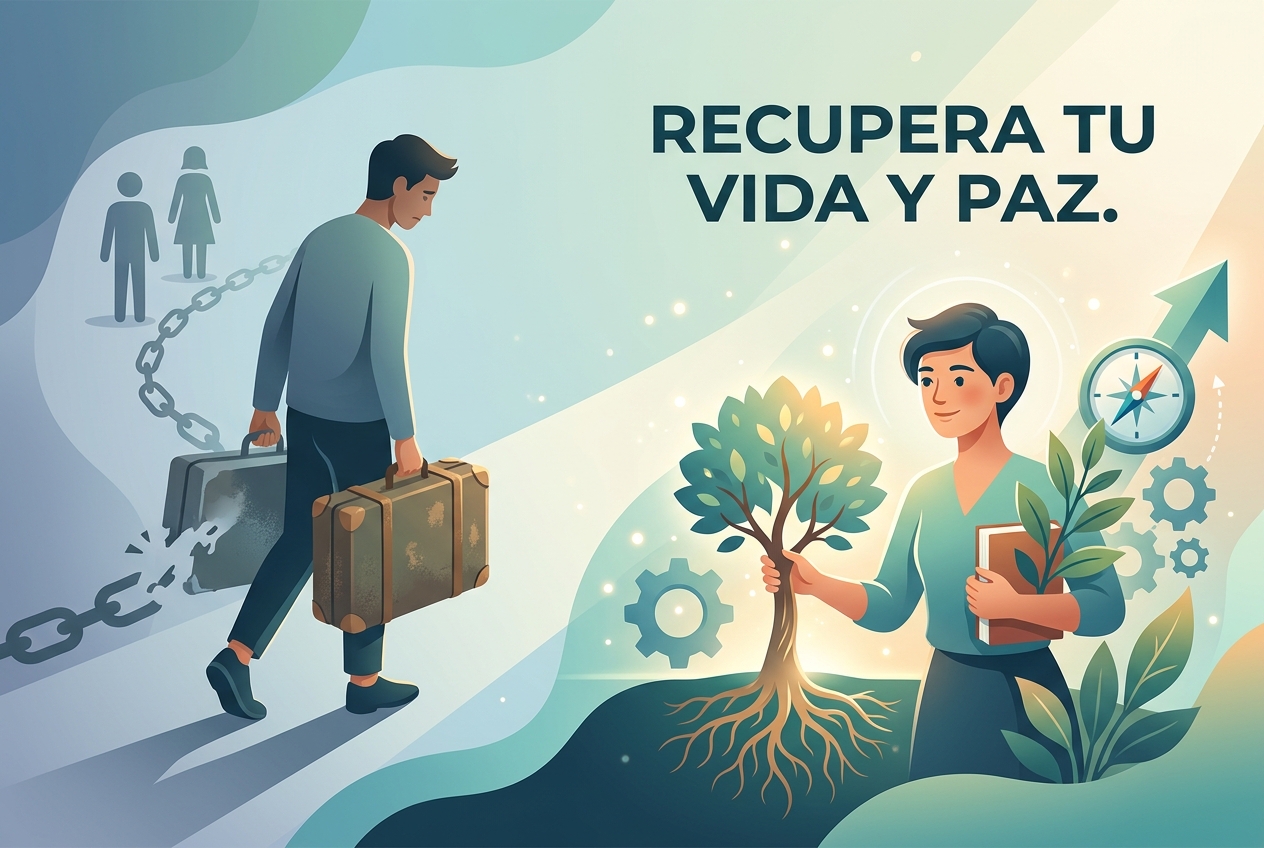
Sobre esta cápsula
Crecer con padres emocionalmente inmaduros a menudo significa aceptar que nunca satisfarán tus necesidades infantiles ni cambiarán de manera significativa. La sanación proviene de bajar las expectativas, establecer límites firmes y reeducarte a ti mismo en lugar de esperar una transformación parental. Al enfocarte en tu propia recuperación y autonomía emocional, puedes liberarte de la decepción y recuperar el control sobre tu vida y tus relaciones.
Padres emocionalmente inmaduros: límites, aceptación y auto-recuperación
Capxule Psychology
Ver perfil
Relacionadas en Psicología

Guía para Jugadores sobre Psicología de Casinos y Juego Seguro
Los casinos están diseñados hasta el más mínimo detalle para mantenerte en la mesa, y saber cómo funciona cambia tu forma de jugar. Estas tácticas abarcan la ciencia cerebral de los casi aciertos y las recompensas impredecibles, los diseños y la sobrecarga sensorial que desgastan el juicio, las probabilidades manipuladas que ocultan el costo real, y la disciplina para saber cuándo retirarse. Consulta el manual completo para tomar decisiones más inteligentes.

Autocontrol: Evidencia, Entorno y Cambio de Hábitos
La idea de que el autocontrol se agota como una batería moldeó años de consejos, y ahora está siendo cuestionada. Estas perspectivas van desde la falta de replicación de los estudios de agotamiento y métodos de prueba más rigurosos hasta el argumento de que la cultura y el entorno influyen mucho más en el autocontrol que la fuerza de voluntad interna. Tú puedes decidir cómo fortalecer realmente tu propia disciplina.

Sobreprotección y Recuperación: Trauma, Autonomía y Resiliencia
Proteger a una persona en dificultades de todo estrés parece amable, pero la evitación puede mantener silenciosamente el trauma y frenar el crecimiento. Desde la recuperación del TEPT hasta la independencia adolescente, la pregunta difícil es cuándo la protección sana y cuándo limita a alguien.

Entrenamiento para Dormir y Apego: Evidencia, Estrés y Límites
El temor de que dejar que un bebé aprenda a dormir dañe el apego es precisamente lo que los estudios de seguimiento se propusieron comprobar, y siguen sin encontrar daño en el vínculo o en las hormonas del estrés. La evidencia aquí abarca cómo se midieron y limpiaron los datos de cortisol, por qué el agotamiento parental conlleva sus propios riesgos y dónde radican realmente los límites de los estudios. Puedes sopesar la tranquilidad y las advertencias juntas antes de decidir qué necesita tu familia.