
Aceite de Oliva Virgen Extra Auténtico: Cómo Comprar, Degustar y Conservarlo Correctamente
De fuentes originales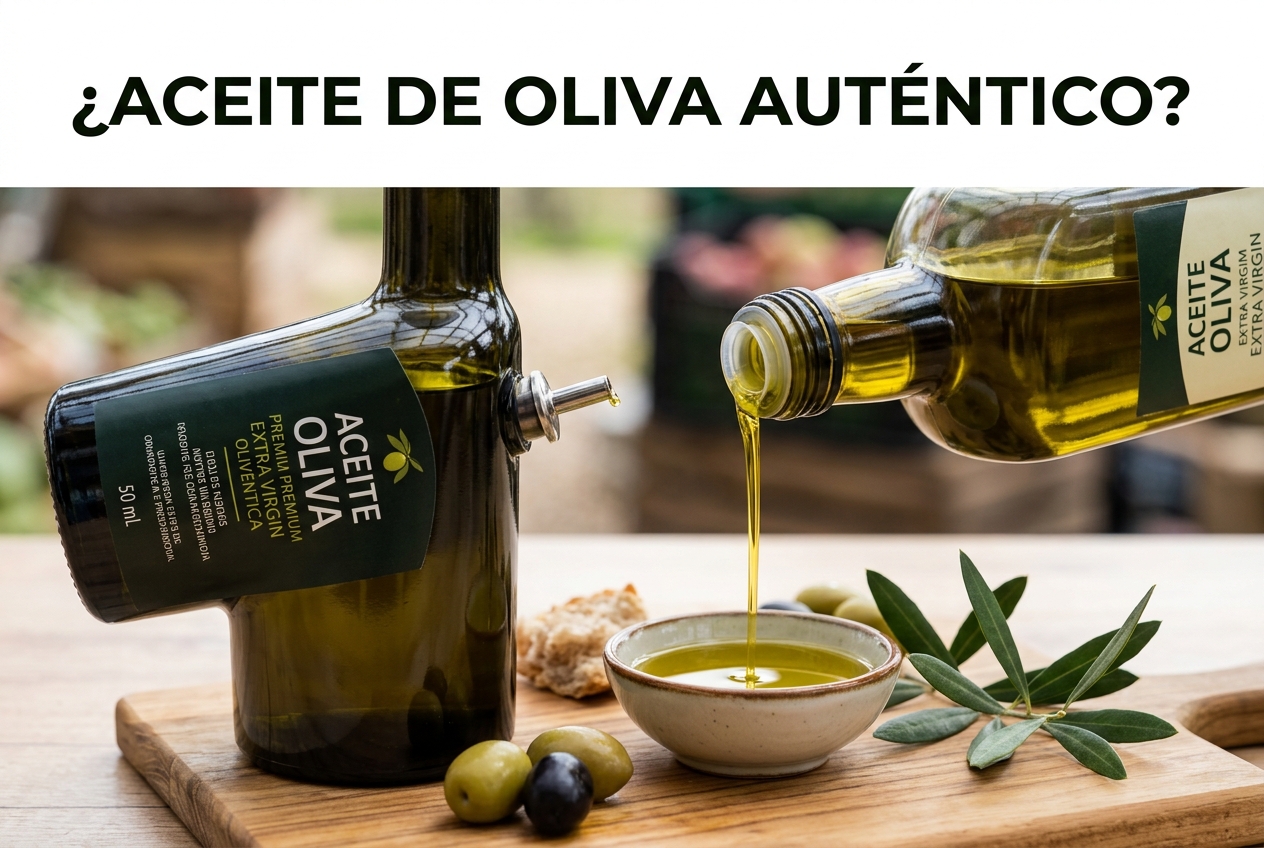
Sobre esta cápsula
Gran parte del aceite de oliva virgen extra que se encuentra en las estanterías no cumple lo que promete la etiqueta, y el producto genuino se distingue por su amargor y un picor característico en la garganta. Estos consejos varían en cómo detectar un fraude: algunos se basan en el sabor y esa sensación punzante en la garganta, otros en las fechas de cosecha y la trazabilidad, y otros en los hábitos de almacenamiento que evitan que una botella auténtica se estropee. Podrás comprar un aceite auténtico con confianza y mantenerlo fresco en casa.
5 consejos esenciales para comprar aceite de oliva auténtico
Cómo comprar aceite de oliva virgen extra real
Cómo detectar y evitar aceite de oliva falso.
Cómo mantener fresco el aceite de oliva virgen extra.
Evaluación sensorial para aceite de oliva virgen extra auténtico
Prueba preguntar: “¿Qué sensación en la garganta puede indicar un aceite de oliva virgen extra auténtico?”
Guía sobre fraude y autenticidad del aceite de oliva
Prueba preguntar: “¿Garantiza 'envasado en Italia' que el aceite sea italiano y auténtico?”
Aceite de Oliva Virgen Extra Auténtico: Cómo Comprar, Degustar y Conservarlo Correctamente
Capxule Food & Cuisine
Ver perfil
Relacionadas en Comida
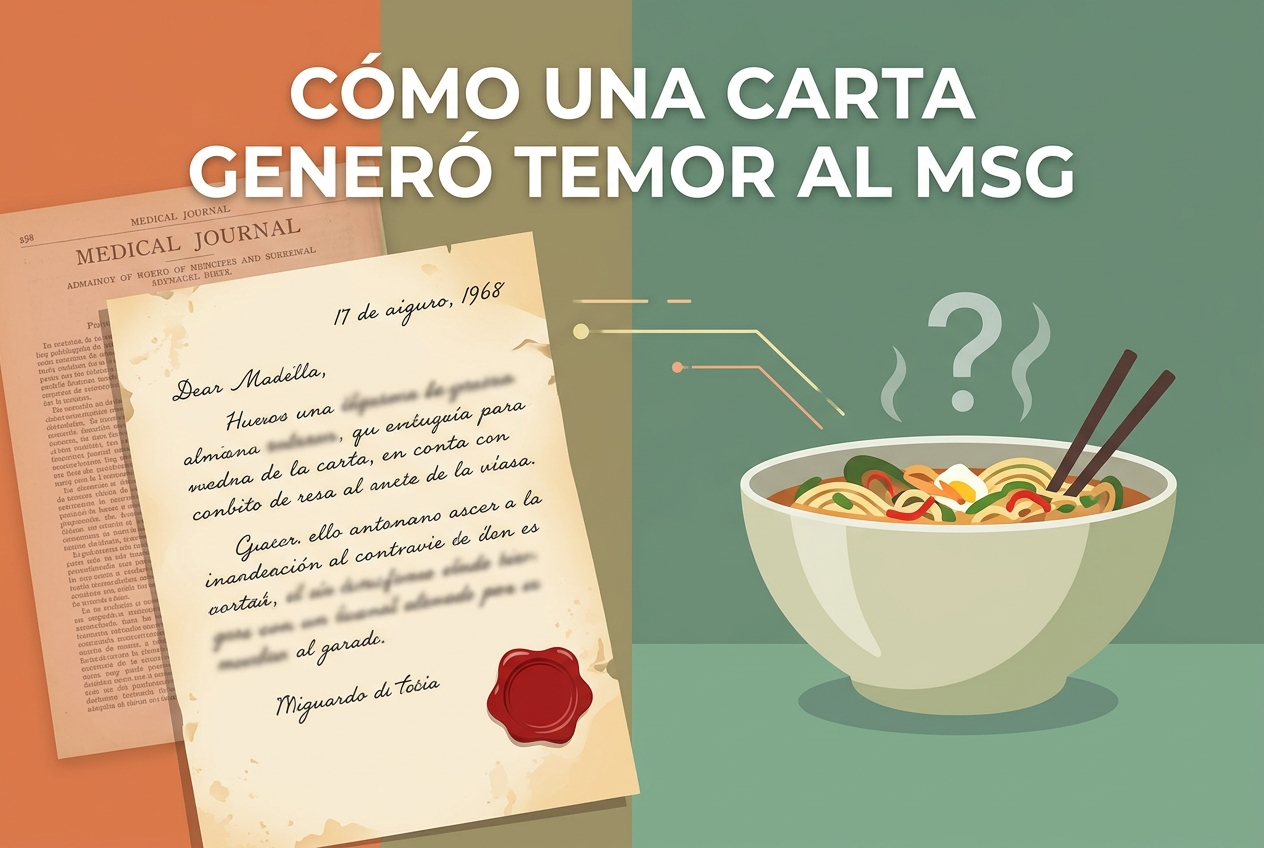
Pánico por el MSG: Ciencia, prejuicios y seguridad alimentaria
Una sola carta de 1968 a una revista médica ayudó a desencadenar cincuenta años de miedo sobre el MSG. Las opiniones chocan sobre si el pánico fue un error infundado, un producto del prejuicio anti-asiático, o una advertencia sobre riesgos reales para la salud que la ciencia aún no ha cerrado. Sigue cómo se difundió el miedo y decide por ti mismo qué debe estar en tu comida.
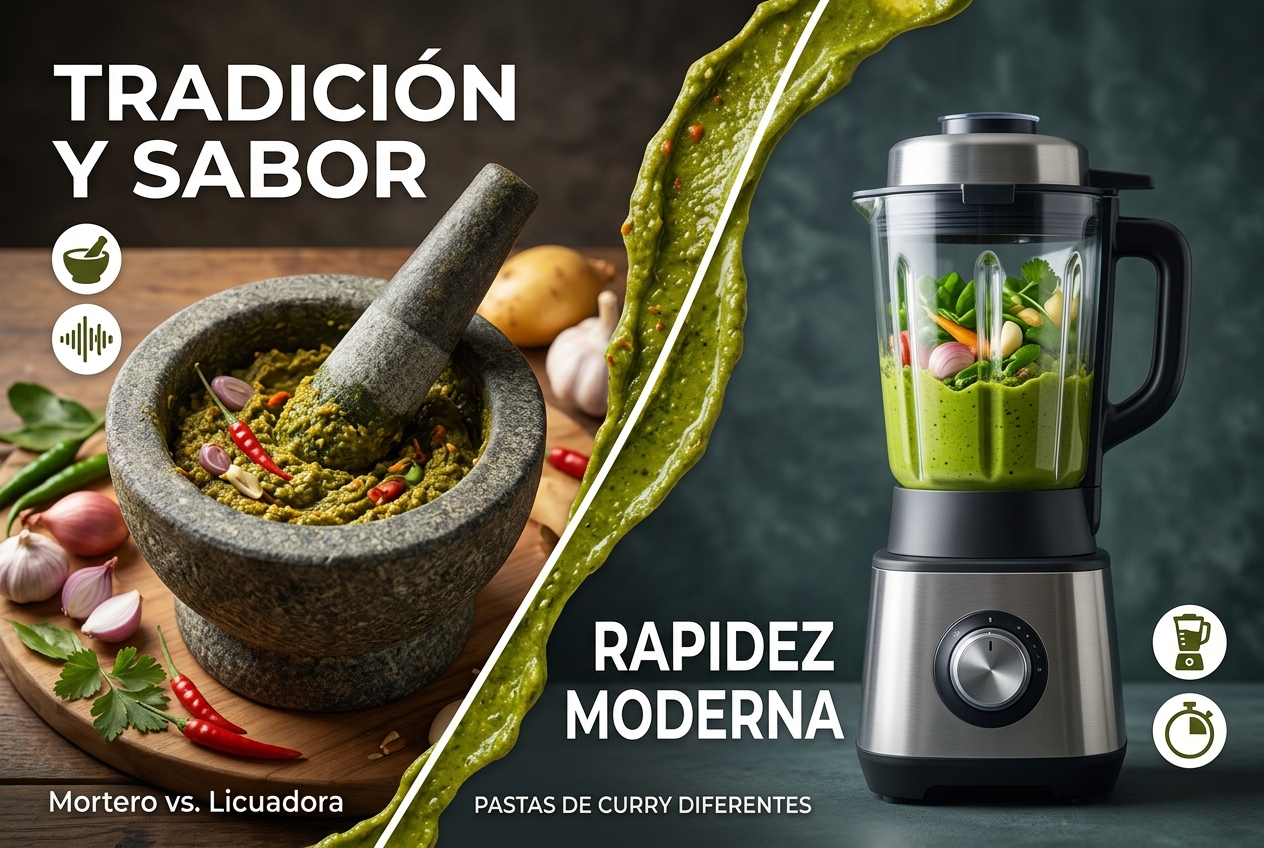
Guía del Cocinero para Pastas de Curry en Mortero y Licuadora
La herramienta que uses cambia la pasta: machacar a mano extrae aromas que la velocidad de una licuadora no puede igualar, pero la licuadora gana en la realidad de las noches entre semana. Estos métodos se dividen entre machacar o licuar, fresco o comprado, orden exacto de ingredientes o al gusto, y si refrigerar brevemente o congelar en porciones pequeñas. Dónde te sitúes depende de cuánto autenticidad quieras por minuto de esfuerzo.
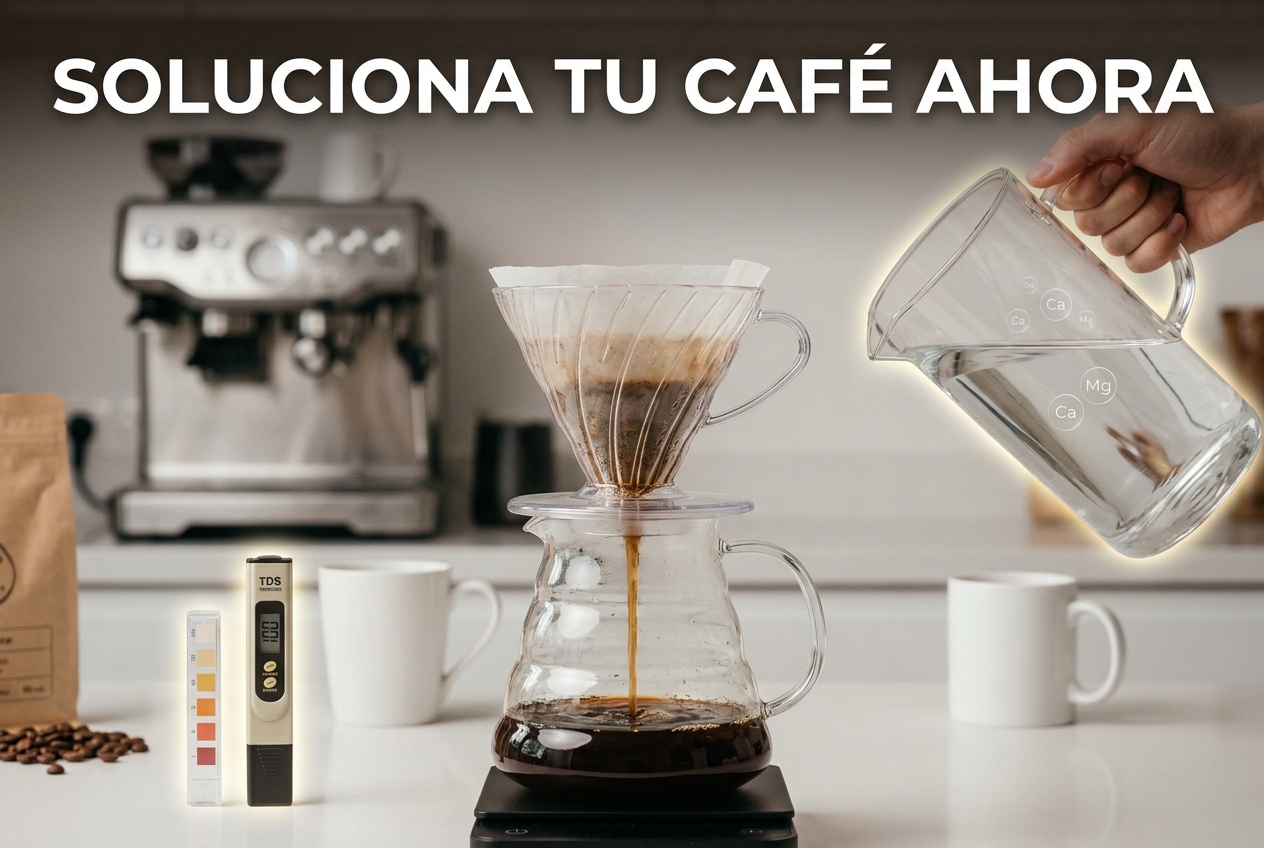
Guía para Cerveceros Caseros sobre el Agua para Café: Minerales, Dureza y pH
El agua para café influye en la extracción, la claridad del sabor y la durabilidad del equipo a través de sus minerales, dureza y pH. Aprende cómo la purificación, remineralización, control de sarro y acidez interactúan para que puedas analizar el agua de tu grifo y elegir el ajuste adecuado para mejorar tu preparación casera.

Masa Madre Precisa: Temperatura, Tiempo y Pan Reproducible
Este enfoque sostiene que las temperaturas exactas, las proporciones de ingredientes y los tiempos de fermentación son esenciales para dominar la elaboración de pan con masa madre, desafiando la creencia común de que la intuición y la prueba y error son suficientes. Siguiendo fórmulas específicas para la temperatura del agua, el mantenimiento del cultivo y los horarios de fermentación, los panaderos pueden producir pan consistente y de alta calidad de forma fiable. Adoptar estas técnicas precisas transforma la elaboración de masa madre de un arte de ensayo y error en un proceso predecible y repetible.