
أعضاء هيئة التدريس غير المتفرغين في الاقتصاد: الأجور، التثبيت، والعمل الهش
من مصادر أصلية
عن هذه الكبسولة
غالبًا ما تعد الوظائف الأكاديمية بالمكانة الاجتماعية لكنها تخفي تحديات اقتصادية عميقة، خاصة لأعضاء هيئة التدريس غير المتفرغين الذين يواجهون أجوراً متدنية، وتأخراً في صرف الرواتب، وافتقاراً للمزايا. تكشف هذه الادعاءات عن وجهات نظر متباينة حول أمن التثبيت، وتمويل المنح، والاعتماد المنهجي على مدرسين مؤقتين بأجور بخسة، مما يعرض حلقة مفرغة حيث endured العديد من المعلمين الفقر وعدم الاستقرار رغم عقود من الخدمة. إن فهم هذه وجهات النظر المتباينة يساعد في كشف سبب بقاء أعضاء هيئة التدريس غير المتفرغين محاصرين في أدوار هشة بينما تستفيد المؤسسات من عملهم.
4 ادعاءات تكشف الاقتصاد الخفي في الأكاديميا
كشف النموذج الاقتصادي المعطوب في الأكاديميا
كشف الاقتصاد الأكاديمي غير المعلن
الاقتصاد الخفي في المجالات الإبداعية
التحول من الاقتصاد الصناعي إلى اقتصاد الخدمات
الذكاء الاصطناعي العام مقابل ذكاء اصطناعي مع هذه الكبسولة
معاينة“ماذا يحدث فعلياً لأعضاء هيئة التدريس غير المتفرغين مالياً عندما تُلغى فئة في اللحظة الأخيرة — مثل، كيف يبدو ذلك في الحياة الواقعية؟”
ذكاء اصطناعي عام
“عندما يُلغى فصل لعضو هيئة تدريس غير متفرغ في اللحظة الأخيرة، يمكن أن يكون الأمر مدمراً مالياً — لأن أجر عضو هيئة التدريس غير المتفرغ عادة ما يكون مرتبطاً بكل مقرر محدد، وليس براتب مستقر.
في الحياة الواقعية، غالباً ما يبدو الأمر هكذا:
-
قد يخسرون الراتب بالكامل لذلك المقرر.
إذا أُلغي فصل قبل بدء الفصل الدراسي لأن الالتحاق منخفض جداً، غالباً ما يحصل عضو هيئة التدريس غير المتفرغ على لا شيء، حتى لو كان قد أعد منهج الدراسة، أو بنى هيكل المقرر عبر الإنترنت، أو راسل الطلاب، أو طلب الكتب، أو خطط لجدوله حوله. -
قد يحصلون فقط على دفعة جزئية صغيرة — أو لا شيء.
بعض الكليات لديها سياسات تدفع مبلغاً مقطوعاً صغيراً إذا حدث الإلغاء بعد تاريخ معين، لكن الكثير لا يفعل. إذا أُلغي الفصل بعد بدء الفصل الدراسي، قد يُدفع لعضو هيئة التدريس غير المتفرغ فقط عن الأيام أو الأسابيع التي دُرست بالفعل. -
دخلهم المتوقع قد ينخفض بمئات الدولارات بين عشية وضحاها.
على سبيل المثال، قد يُد...”
هذه الكبسولة
“الجزء القاسي هو أن "الملغاة" غالباً ما تعني أن عضو هيئة التدريس غير المتفرغ يحصل ببساطة على 0 دولار مقابل ذلك المقرر، حتى لو كان قد بنى منهج الدراسة، وفتح نظام إدارة التعلم (LMS)، وأجاب على رسائل الطلاب البريدية، وحضر التوجيه، أو رتب رعاية الأطفال. في 2024–25، 70% من المؤسسات تلغي المقررات التي يدرسها أعضاء هيئة التدريس غير المتفرغين عندما يكون الالتحاق منخفضاً جداً، ولا يحصل العضو المقرر له على أي أجر عن المقرر الملغى. في أحد استطلاعات أعضاء هيئة التدريس غير المستقرين، 57.2% تم终止 عرض توظيفهم بسبب نقص الالتحاق أو سبب آخر غير متعلق بالأداء، و40.7% من أولئك received إشعاراً بأقل من أسبوع.
كيف يبدو ذلك في الحياة الواقعية:
- دخل فصل دراسي يختفي بين عشية وضحاها
إذا كان المقرر يدفع 3,000–5,000 دولار، فهذا ليس مكافأة تختفي — قد يكون هذا الإيجار، أو البقالة، أو تأمين السيارة، أو الدواء، أو المال الذي كان من المفترض أن يغطي الفجوة غير المدفوعة في الشتاء/الصيف. العديد م...”
أعضاء هيئة التدريس غير المتفرغين في الاقتصاد: الأجور، التثبيت، والعمل الهش
Capxule Career
عرض الملف الشخصي
ذات صلة في المسار المهني
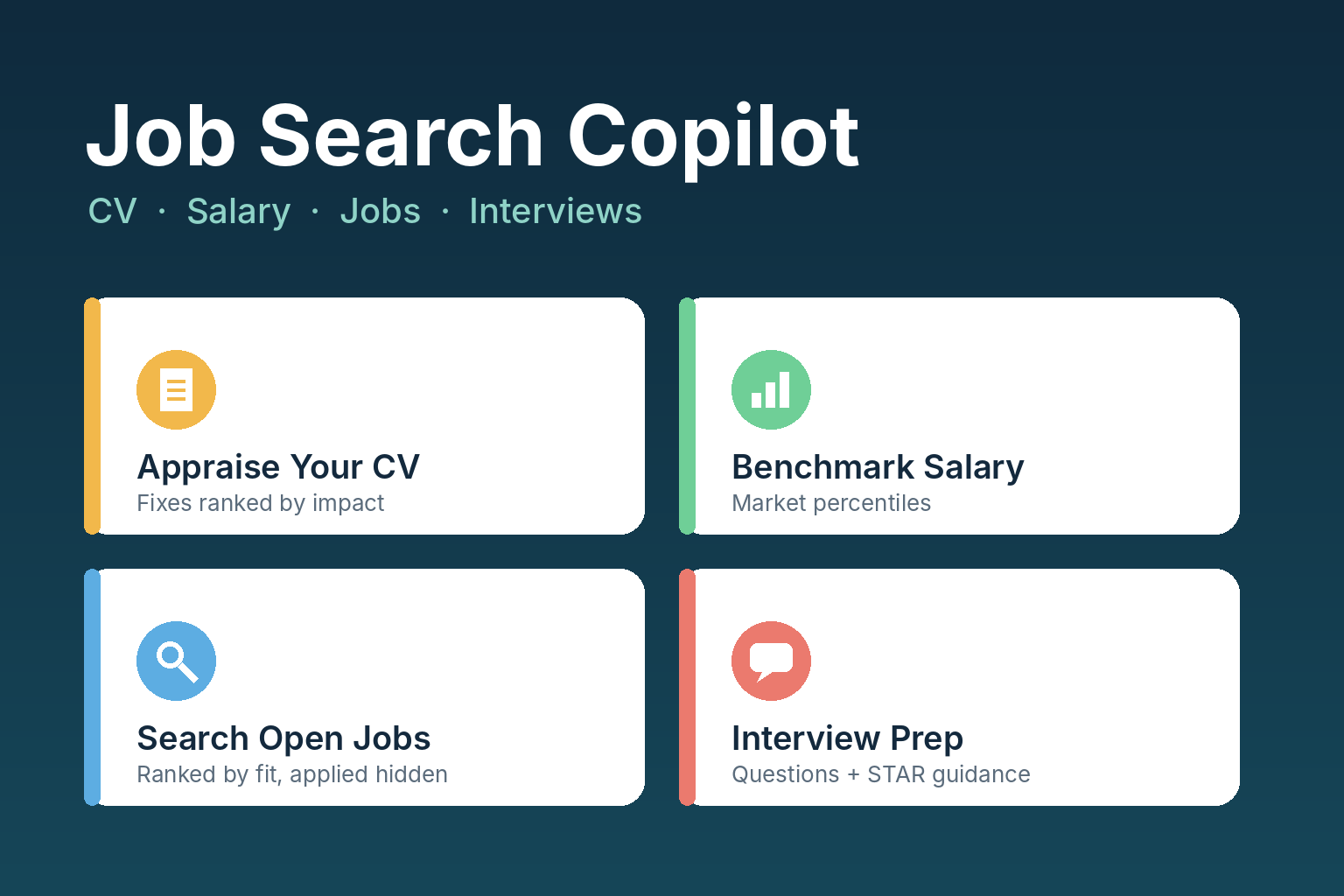
مساعد البحث عن عمل: قيّم سيرتك الذاتية، قارن راتبك، اعثر على وظائف واستعد للمقابلات
أربع أدوات في كبسولة مهنية واحدة: تقييم صريح لسيرتك الذاتية مقارنة بالوظيفة المستهدفة، ومقارنة راتبك ببيانات السوق ونطاقات الأجور المعلنة، وبحث عن وظائف شاغرة مرتبة حسب الملاءمة (مع تتبع الطلبات المقدمة وإخفائها)، واستعداد للمقابلات بأسئلة خاصة بالدور وإرشادات للإجابة.

دليل الممرضة في عامها الأول لإدارة الوقت والضغط والدعم
يُعرّض العام الأول من التمريض الممرضة لتحديات غير متوقعة مثل ضغط الوقت الهائل، ونقص الموظفين، وتضارب الأدوار، مما قد يجعل نوبات العمل تبدو أطول وأكثر إجهادًا. توضح الحقائق المختلفة كيف يمكن لإدارة المهام الإدارية، وتطوير مهارات إدارة الوقت، والاعتماد على أنظمة الدعم أن تشكل تجربتك وتساعدك على تقرير كيفية التكيف والازدهار في هذا الدور demanding. إن فهم هذه الحقائق يكشف عن الكفاح الخفي والوقائع الملموسة التي تُعدّك لما هو قادم.

دليل الباحث عن عمل للتفاوض دون وجود عروض منافسة
يتطلب التفاوض على عرض عمل دون وجود عروض منافسة استراتيجيات مختلفة تركز على قيمتك الفريدة، والتوقيت، وفهم قيود صاحب العمل. بعض الأساليب تبني قوة تفاوضية من خلال إبراز مدى ملاءمتك وتأثيرك المحتمل، بينما يعتمد البعض الآخر على الصبر والتنازلات الاستراتيجية للتأثير في العرض. تساعدك هذه الخريطة على اختيار كيفية تموضع نفسك—من استخدام احتياطك المالي إلى إشراك الداعمين—لتتمكن من التفاوض بثقة حتى في غياب القوة التفاوضية التقليدية.

دليل الوكيل الطموح لدخل وتكاليف العقارات
أن تصبح وكيل عقارات يعني مواجهة دخل غير متوقع مع فواتير لا تتوقف عن المجيء. تختلف هذه الحقائق في كيفية إدارة الوكلاء للمصروفات مثل رسوم المكاتب، ونسب تقاسم العمولات، واستراتيجيات إعادة الاستثمار، بالإضافة إلى كيفية تعاملهم مع توليد العملاء المحتملين وعلاقات العملاء للبقاء والنجاح. إن فهم هذه التحديات المالية الخفية يساعدك على تقرير ما إذا كانت هذه المهنة مناسبة لتحملك للمخاطر وقدرتك على التخطيط.