
Évaluer avec confiance les signaux d’alerte des troubles du sommeil et les risques des traitements
De sources originales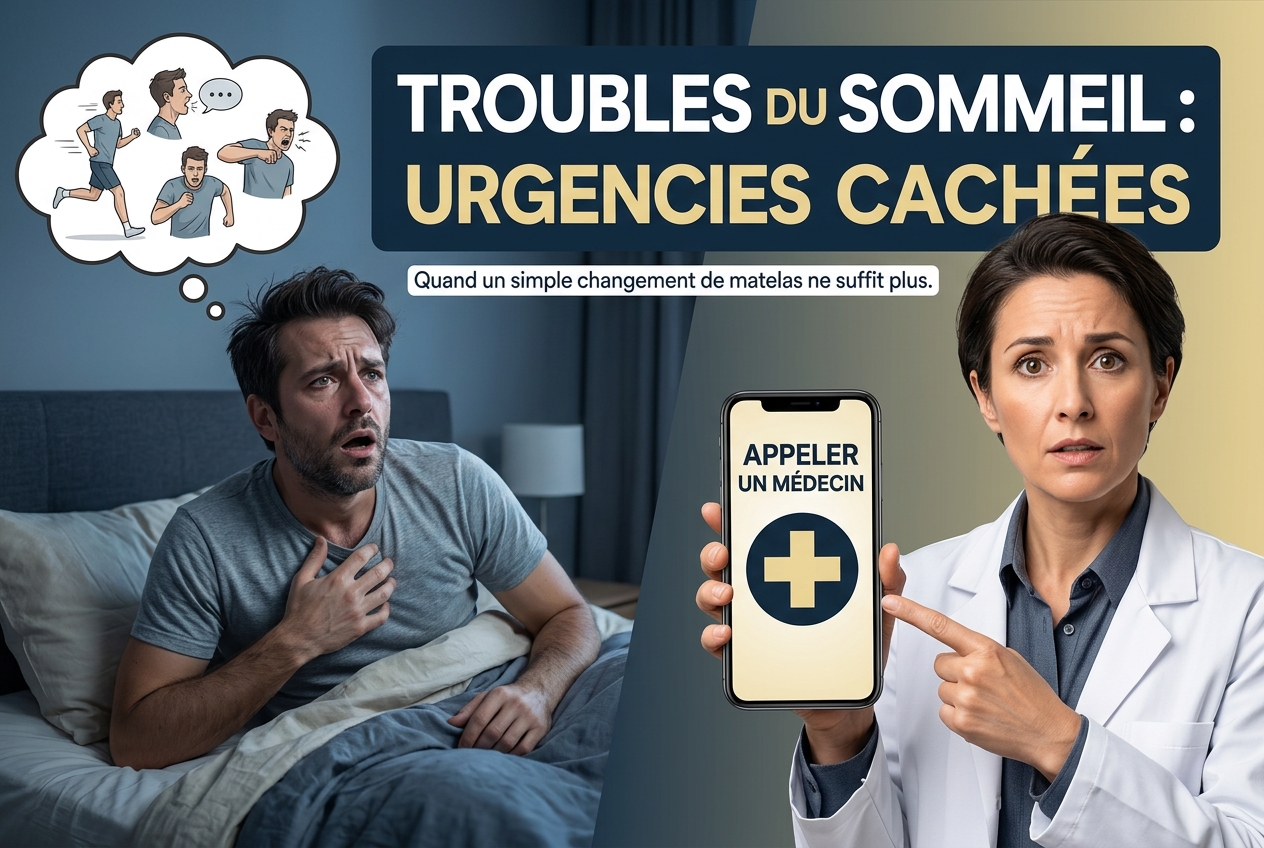
À propos de cette capsule
Les troubles du sommeil comme l’apnée obstructive du sommeil comportent des risques sérieux, notamment des accidents et des complications de santé s’ils ne sont pas traités. Vous apprendrez à identifier les signaux d’alerte critiques tels que les pauses respiratoires et l’endormissement au volant, à peser les risques des traitements comme le CPAP et les médicaments sédatifs, et à évaluer les approches fondées sur des preuves pour choisir des soins sûrs et efficaces. Ces connaissances vous permettent d’agir rapidement face aux symptômes menaçant la sécurité et la santé tout en naviguant de manière transparente dans les compromis liés aux traitements.
3 approches importantes pour la prise en charge des troubles du sommeil
Signaux d’alerte pour les troubles du sommeil
Évaluation des risques et conséquences irréversibles
Rapport de santé transparent et fondé sur des preuves.
Essayez de demander : « Quelle est la fraîcheur des recommandations de la Cleveland Clinic sur les problèmes de sommeil ? »
IA générique vs IA avec cette capsule
Aperçu“Quels médicaments courants pour le sommeil comportent des risques cachés ou sous-estimés que les patients négligent souvent ?”
IA générique
“De nombreux aides au sommeil — sur ordonnance, en vente libre et « naturels » — peuvent comporter des risques faciles à sous-estimer, surtout lorsqu’ils sont combinés à l’alcool, aux opioïdes, aux médicaments contre l’anxiété ou chez les personnes âgées.
Médicaments courants pour le sommeil avec risques souvent sous-estimés
1. Antihistaminiques en vente libre
Exemples : diphénhydramine — Benadryl, ZzzQuil ; doxylamine — Unisom
Risques sous-estimés :
- Somnolence le lendemain, temps de réaction ralenti, conduite altérée
- Bouche sèche, constipation, rétention urinaire, vision floue
- Confusion ou délire, surtout chez les personnes âgées
- Risque accru de chutes
- Aggravation du glaucome ou des problèmes prostatiques/urinaires
- Tolérance rapide, donc efficacité réduite
- Charge anticholinergique pouvant être associée à des troubles cognitifs en cas d’usage fréque...”
Cette capsule
“Le danger le plus souvent sous-estimé concerne les « Z-drugs » — zolpidem/Ambien, eszopiclone/Lunesta et zaleplon/Sonata. La FDA a identifié 62 cas de blessures graves liés à des comportements complexes pendant le sommeil après la prise de ces médicaments — somnambulisme, conduite en état de sommeil, utilisation du four sans être pleinement réveillé — dont 20 décès. Toute personne ayant déjà eu un comportement complexe pendant le sommeil sous l’un de ces médicaments ne doit plus les utiliser.
Voici les médicaments pour le sommeil dont les patients sous-estiment le plus souvent les risques :
1. Z-drugs : zolpidem, eszopiclone, zaleplon
Risque caché : comportements complexes pendant le sommeil, altération le lendemain, accidents, dépendance, insomnie de rebond.
Ces médicaments peuvent amener les personnes à conduire, cuisiner, manger, marcher ou avoir des rapports sexuels san...”
Fait partie de
Évaluer avec confiance les signaux d’alerte des troubles du sommeil et les risques des traitements
Capxule Health
Voir le profil
Similaires dans Santé
Surdiagnostiqué : Comment le profit a remodelé la prise en charge du TDAH
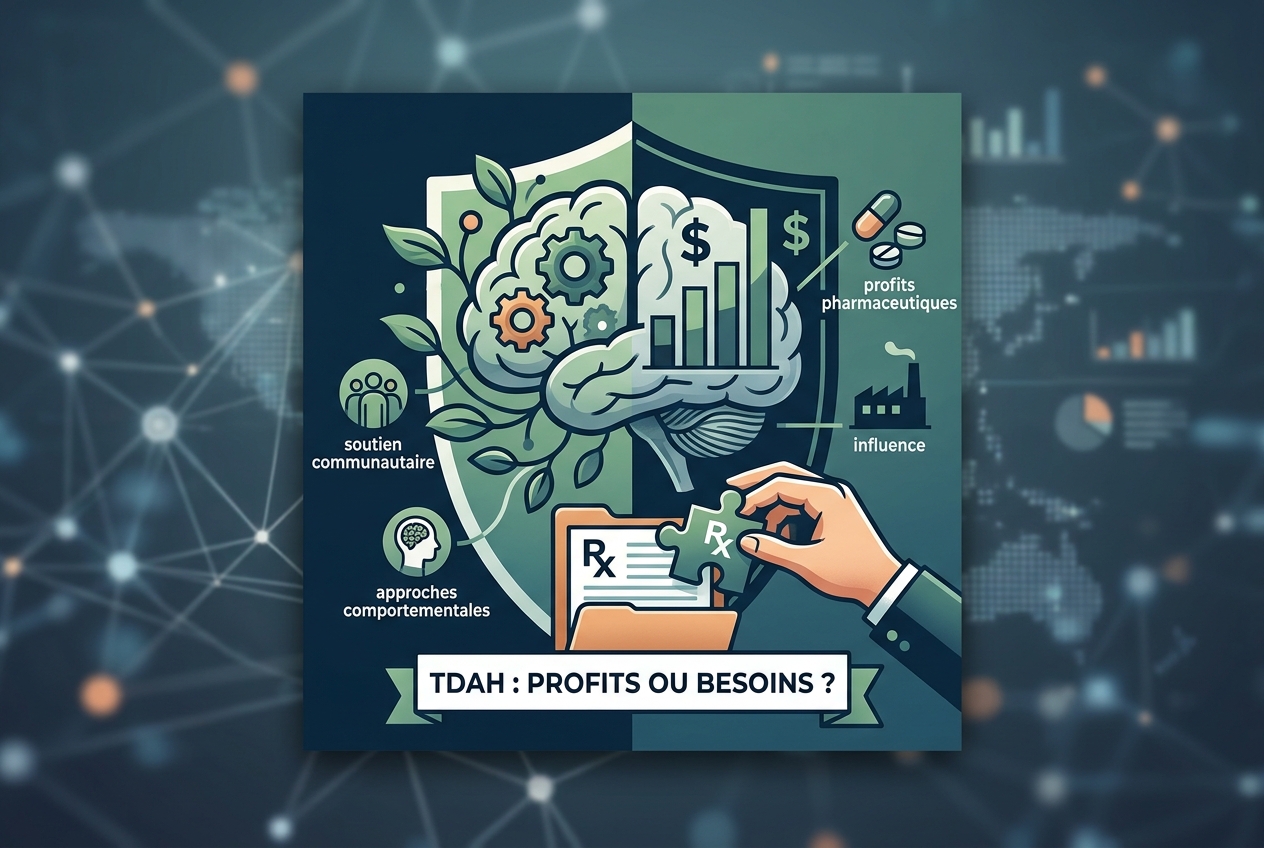
L’augmentation des diagnostics de TDAH reflète moins un besoin réel des patients qu’une industrie qui profite de chaque prescription. À contre-courant de la norme dominante du médicament en premier recours, cette analyse affirme que l’influence des laboratoires biaise la recherche et les recommandations, et que les approches communautaires et comportementales s’attaquent aux causes profondes sans pathologiser des comportements normaux. Le scepticisme face au diagnostic motivé par le profit est le point de départ d’une prise en charge plus honnête de la santé mentale.
Guide du patient sur les analyses thyroïdiennes normales et les tests de suivi
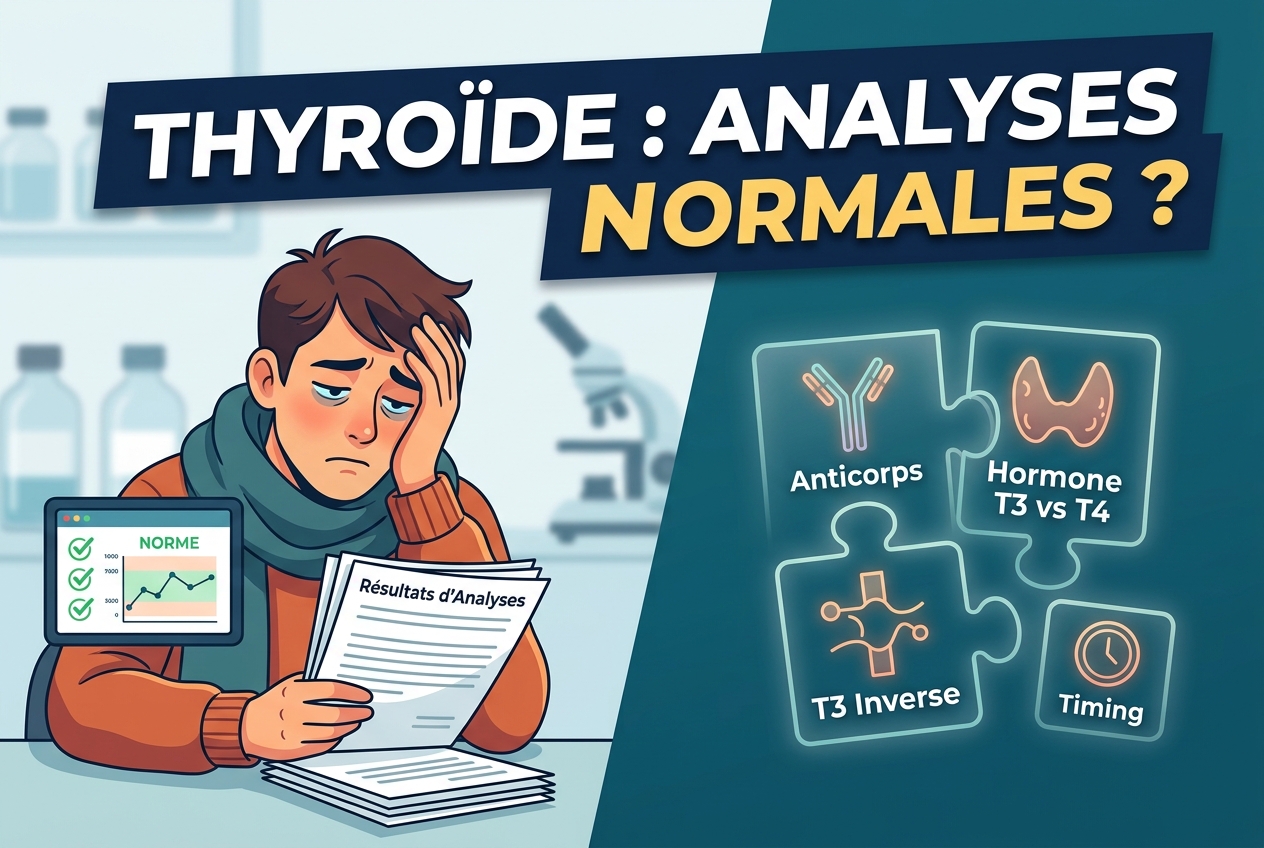
Des résultats normaux aux analyses thyroïdiennes n'expliquent pas toujours des symptômes persistants tels que la fatigue, le brouillard cérébral, l'intolérance au froid ou les variations de poids. Ce guide explique ce que les tests thyroïdiens standard peuvent et ne peuvent pas révéler, comment des facteurs tels que les anticorps, la conversion hormonale, les plages de référence et le moment du test peuvent influencer l'interprétation, et quels tests de suivi pourraient valoir la peine d'être discutés avec un clinicien.

Guide de l'acheteur sur les coûts et la couverture de l'assurance santé
Choisir un plan d'assurance santé pendant la période d'inscription ouverte est compliqué par des processus confus, des défis d'accessibilité financière et des limites de couverture cachées. Les plans varient largement dans leur gestion des coûts, des soins hors réseau et des indicateurs de qualité tels que la gestion du diabète, tandis que les ressources d'accompagnement diffèrent en financement et disponibilité. Comprendre ces différences vous aide à éviter les refus inattendus, les frais et les lacunes de couverture afin de trouver un plan qui correspond réellement à vos besoins.
Aliments ultra-transformés : classification, nutrition et compromis en santé publique
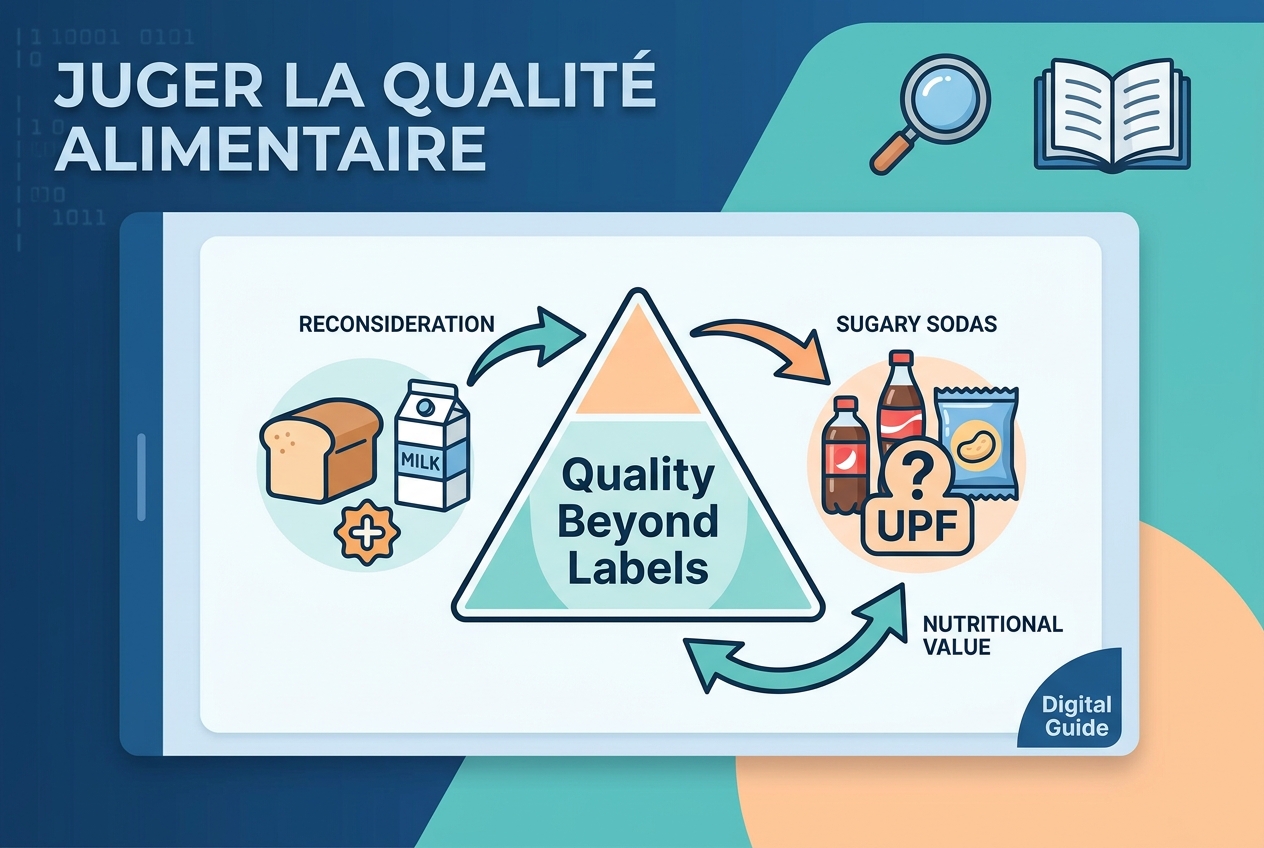
Le terme ultra-transformé est devenu synonyme de mauvais, mais cette étiquette regroupe les aliments de base enrichis avec la malbouffe. Ces affirmations remettent en question la panique sous différents angles : les failles de la classification NOVA, la simplification médiatique, et des cas où la transformation ajoute réellement des nutriments. Les comprendre vous permet de juger la qualité des aliments au-delà du mot à la mode.