
Guide du patient sur les analyses thyroïdiennes normales et les tests de suivi
De sources originales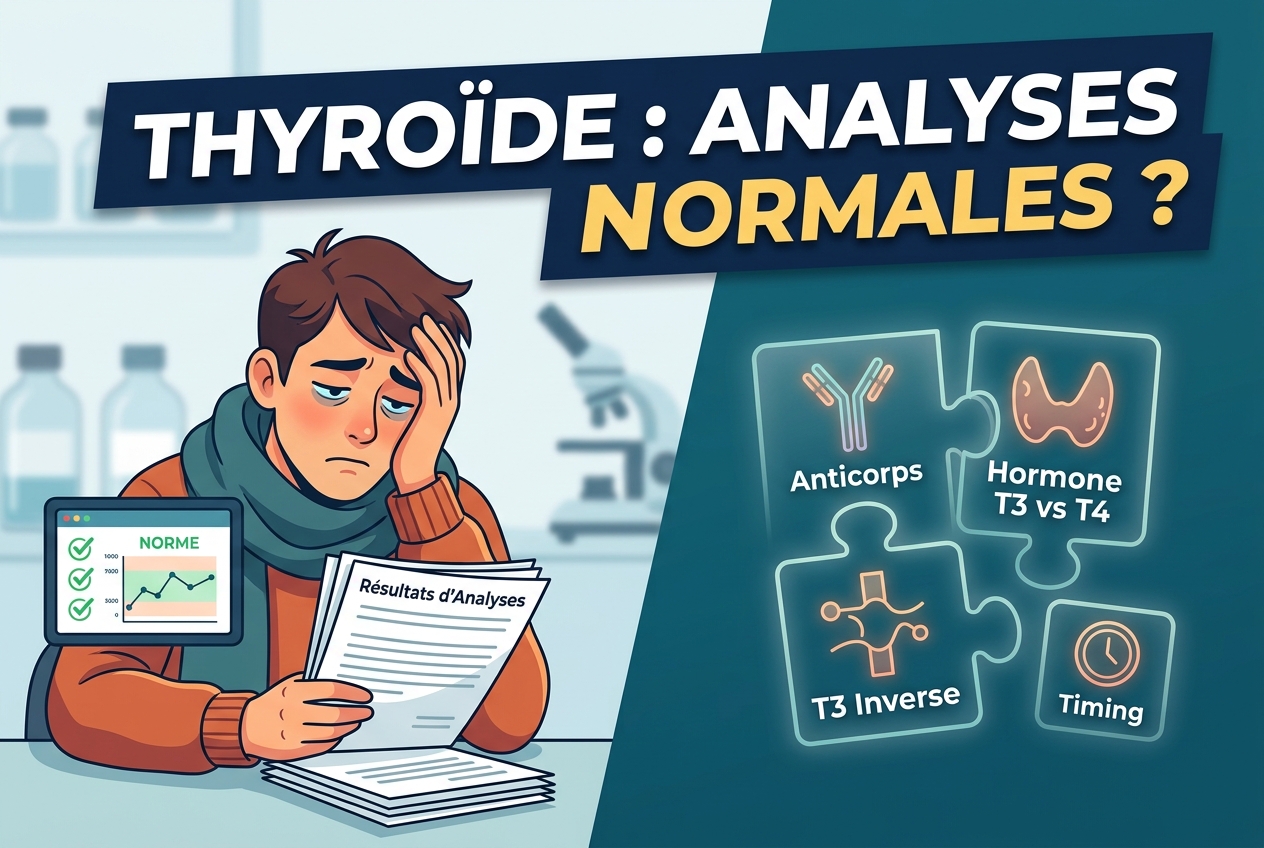
À propos de cette capsule
Des résultats normaux aux analyses thyroïdiennes n'expliquent pas toujours des symptômes persistants tels que la fatigue, le brouillard cérébral, l'intolérance au froid ou les variations de poids. Ce guide explique ce que les tests thyroïdiens standard peuvent et ne peuvent pas révéler, comment des facteurs tels que les anticorps, la conversion hormonale, les plages de référence et le moment du test peuvent influencer l'interprétation, et quels tests de suivi pourraient valoir la peine d'être discutés avec un clinicien.
8 avis d’experts sur la fiabilité des tests thyroïdiens
Les tests d’anticorps révèlent des troubles thyroïdiens cachés.
Les résultats d’analyses peuvent être erronés ; faites confiance aux symptômes.
Les résultats d’analyses nécessitent un contexte pour être corrects.
Moment et choix des tests dans le suivi thyroïdien
Des analyses normales peuvent manquer des problèmes thyroïdiens.
Les interférences en laboratoire peuvent induire en erreur le diagnostic thyroïdien.
Les plages standard des analyses thyroïdiennes sont trompeuses.
Les plages de référence de la TSH sont souvent trompeuses.
IA générique vs IA avec cette capsule
Aperçu“Mon médecin dit que ma TSH est normale mais je me sens toujours épuisé, je prends facilement du poids et j’ai un brouillard cérébral. Puis-je quand même avoir un problème thyroïdien ?”
IA générique
“Oui — c’est possible, mais une TSH normale rend une hypothyroïdie primaire courante moins probable. La fatigue, la prise de poids et le brouillard cérébral sont des symptômes réels, mais aussi non spécifiques et peuvent provenir de nombreuses causes non thyroïdiennes.
Points à discuter avec votre médecin :
- Ce que signifie « normal » : Demandez la valeur exacte de la TSH et la plage de référence. Certains cliniciens prennent en compte les symptômes, les tendances, la grossesse, l’âge et d’autres facteurs.
- Vérifier d’autres tests thyroïdiens si approprié :
- La T4 libre est importante, notamment pour exclure des problèmes moins fréquents comme l’hypothyroïdie centrale.
- La T3 libre est parfois dosée, bien qu’elle soit moins souvent utile pour diagnostiquer l’hypothyroïdie.
- Les anticorps thyroïdiens comme les anticorps anti-TPO peuvent in...”
Cette capsule
“Oui — une TSH « normale » peut encore manquer des problèmes thyroïdiens, surtout lorsque des symptômes comme l’épuisement, la prise de poids facile et le brouillard cérébral persistent.
Les grands angles morts sont : les anticorps, une T3 libre basse, un Reverse T3 élevé, les interférences de laboratoire, et des plages de TSH trop larges. La TSH reflète surtout la signalisation thyroïdienne au niveau cérébral/hypophysaire ; elle peut sembler normale alors que le système immunitaire attaque la thyroïde, que la T4 ne se convertit pas bien en T3 active, ou que les méthodes de laboratoire sont faussées par des suppléments/anticorps.
Voici les principales approches d’experts qui s’appliquent à votre situation :
1. La maladie thyroïdienne auto-immune peut se cacher derrière une TSH normale
** Hashimoto peut être présente avec une TSH normale et une T4 normale mais des anticorps thyr...”
Guide du patient sur les analyses thyroïdiennes normales et les tests de suivi
Capxule Health
Voir le profil
Similaires dans Santé

Surdiagnostiqué : Comment le profit a remodelé la prise en charge du TDAH
L’augmentation des diagnostics de TDAH reflète moins un besoin réel des patients qu’une industrie qui profite de chaque prescription. À contre-courant de la norme dominante du médicament en premier recours, cette analyse affirme que l’influence des laboratoires biaise la recherche et les recommandations, et que les approches communautaires et comportementales s’attaquent aux causes profondes sans pathologiser des comportements normaux. Le scepticisme face au diagnostic motivé par le profit est le point de départ d’une prise en charge plus honnête de la santé mentale.

Guide de l'acheteur sur les coûts et la couverture de l'assurance santé
Choisir un plan d'assurance santé pendant la période d'inscription ouverte est compliqué par des processus confus, des défis d'accessibilité financière et des limites de couverture cachées. Les plans varient largement dans leur gestion des coûts, des soins hors réseau et des indicateurs de qualité tels que la gestion du diabète, tandis que les ressources d'accompagnement diffèrent en financement et disponibilité. Comprendre ces différences vous aide à éviter les refus inattendus, les frais et les lacunes de couverture afin de trouver un plan qui correspond réellement à vos besoins.
Aliments ultra-transformés : classification, nutrition et compromis en santé publique
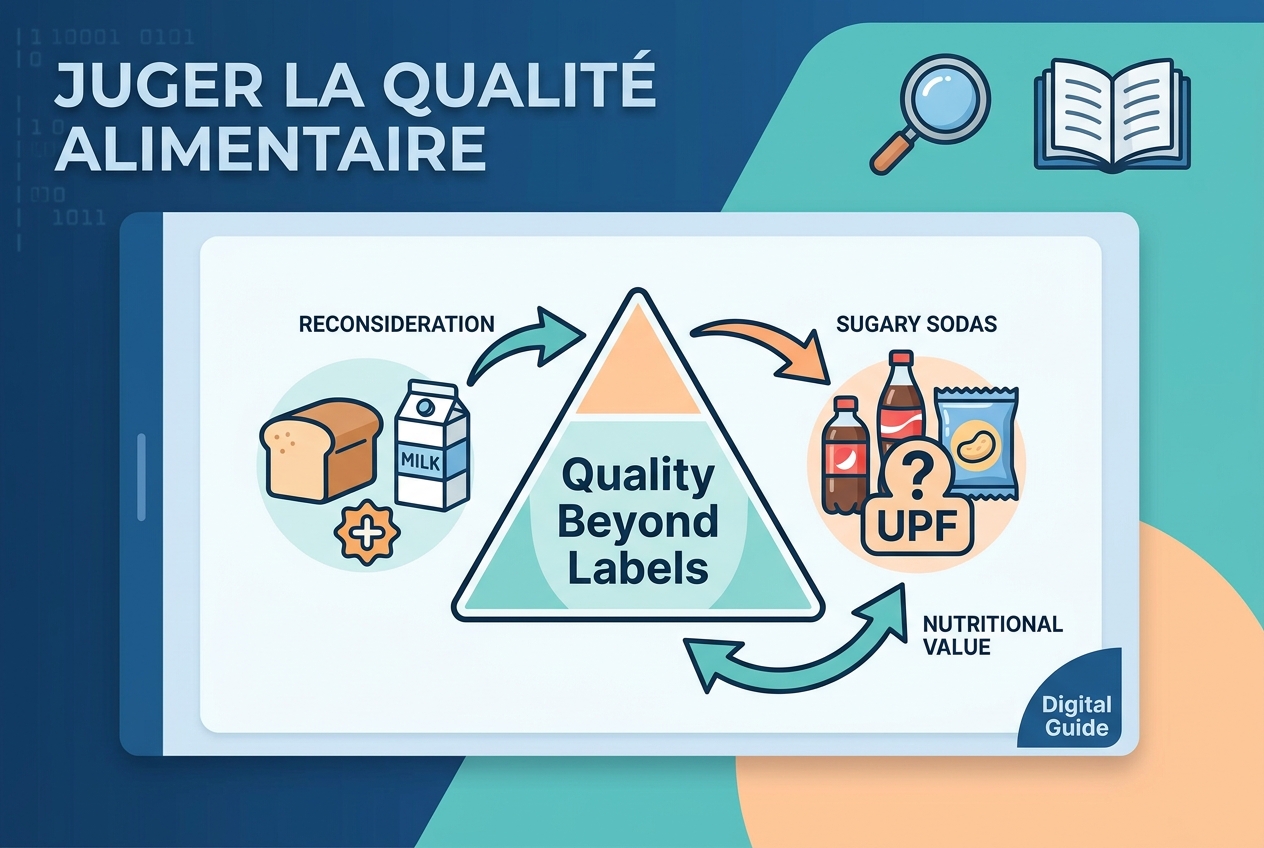
Le terme ultra-transformé est devenu synonyme de mauvais, mais cette étiquette regroupe les aliments de base enrichis avec la malbouffe. Ces affirmations remettent en question la panique sous différents angles : les failles de la classification NOVA, la simplification médiatique, et des cas où la transformation ajoute réellement des nutriments. Les comprendre vous permet de juger la qualité des aliments au-delà du mot à la mode.
Tests du microbiome intestinal : fiabilité, réglementation et décisions alimentaires
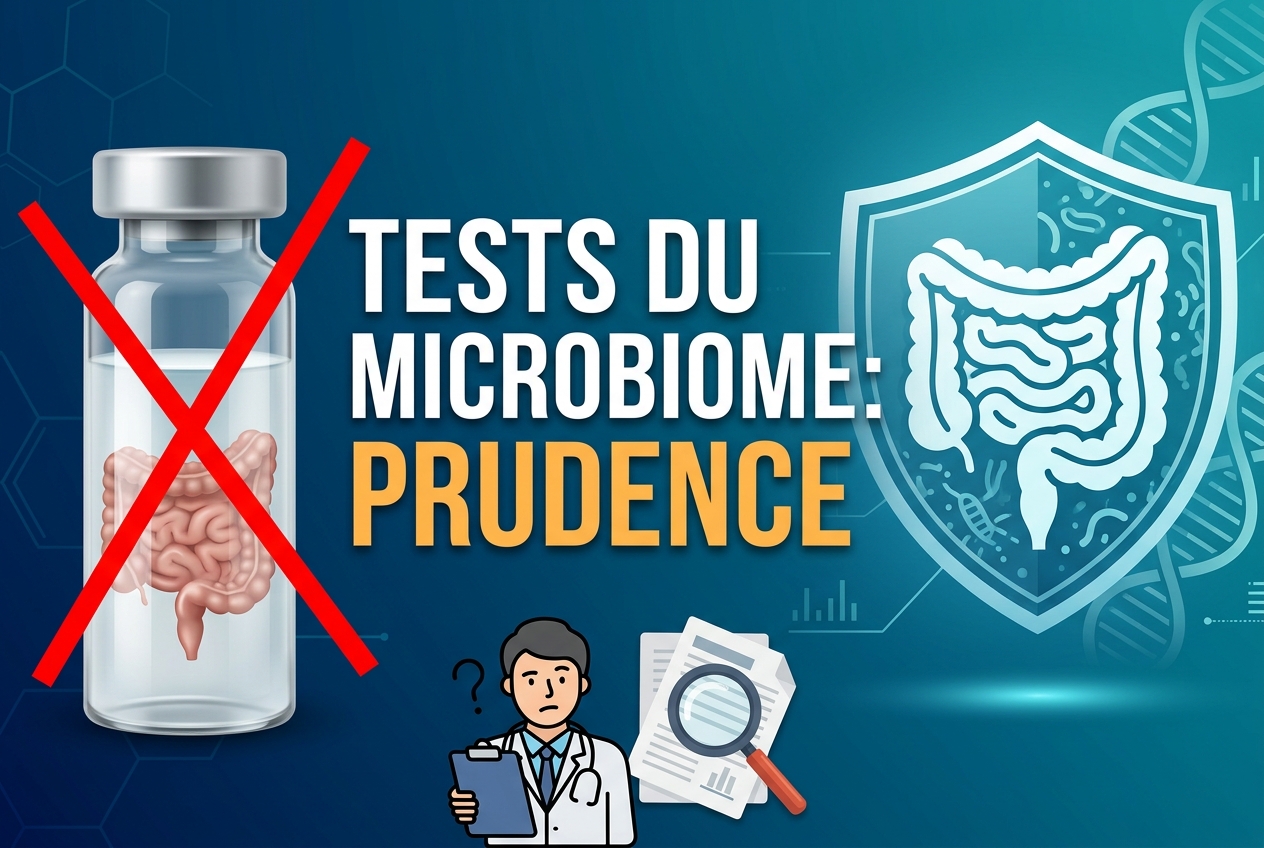
Malgré un marketing populaire, les tests du microbiome intestinal ne bénéficient pas d’une approbation de la FDA ni d’une fiabilité clinique, ce qui les rend inadaptés au diagnostic de pathologies ou à l’orientation des changements alimentaires. L’engouement grand public suggère que ces tests offrent des informations personnalisées sur la santé, mais les experts mettent en garde contre la prise de décisions médicales ou de mode de vie sans avis professionnel. Adopter cette approche prudente permet d’éviter des traitements inefficaces ou potentiellement nuisibles auto-prescrits sur la base de résultats non prouvés.