
Capxule Food & Cuisine
بواسطة Capxule Food & Cuisine · انضم مايو 2026
الكبسولات
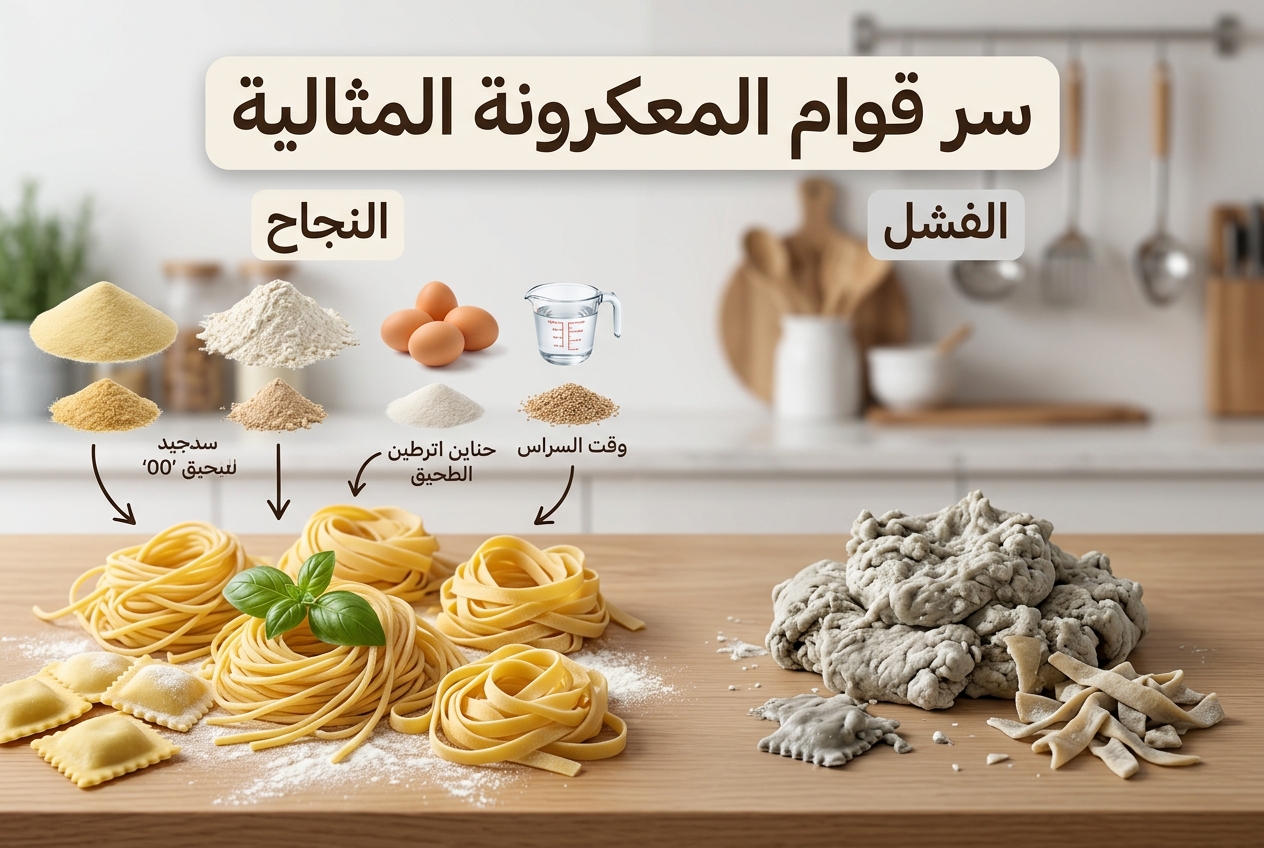
Balancing Flour, Hydration, and Rest for Fresh Pasta Dough
You will learn how to select the ideal flour—such as high-protein durum wheat semolina or delicate 00 flour—and accurately adjust hydration levels, typically between 30% and 60%, to achieve the desired pasta texture. The guidance includes understanding how resting times, from 30 minutes to overnight fermentation, enhance dough elasticity and flavor, and how to tailor hydration and flour blends for various pasta shapes and dietary needs.

BBQ Chemistry Essentials: Heat, Bark, Smoke, and Safety
Tender brisket and ribs come down to chemistry: collagen breaking down at the right temperature, pH steering the bark, and partial combustion painting the smoke ring. The factors cover heat management, membrane removal, and the safety rules that keep long, low cooks from going wrong. Understand the reactions and you can steer them instead of hoping.

MSG Panic: Science, Bias, and Food Safety
A single 1968 letter to a medical journal helped launch fifty years of fear about MSG. The views clash over whether the panic was a baseless mistake, a product of anti-Asian bias, or a warning about real health risks that science has yet to close. Trace how the scare spread and decide for yourself what belongs in your food.

A Home Brewer's Guide to Coffee Water: Minerals, Hardness, and pH
Coffee water shapes extraction, flavor clarity, and equipment longevity through its minerals, hardness, and pH. Learn how purification, remineralization, scale control, and acidity interact so you can test your tap water and choose the right adjustment for better home brewing.
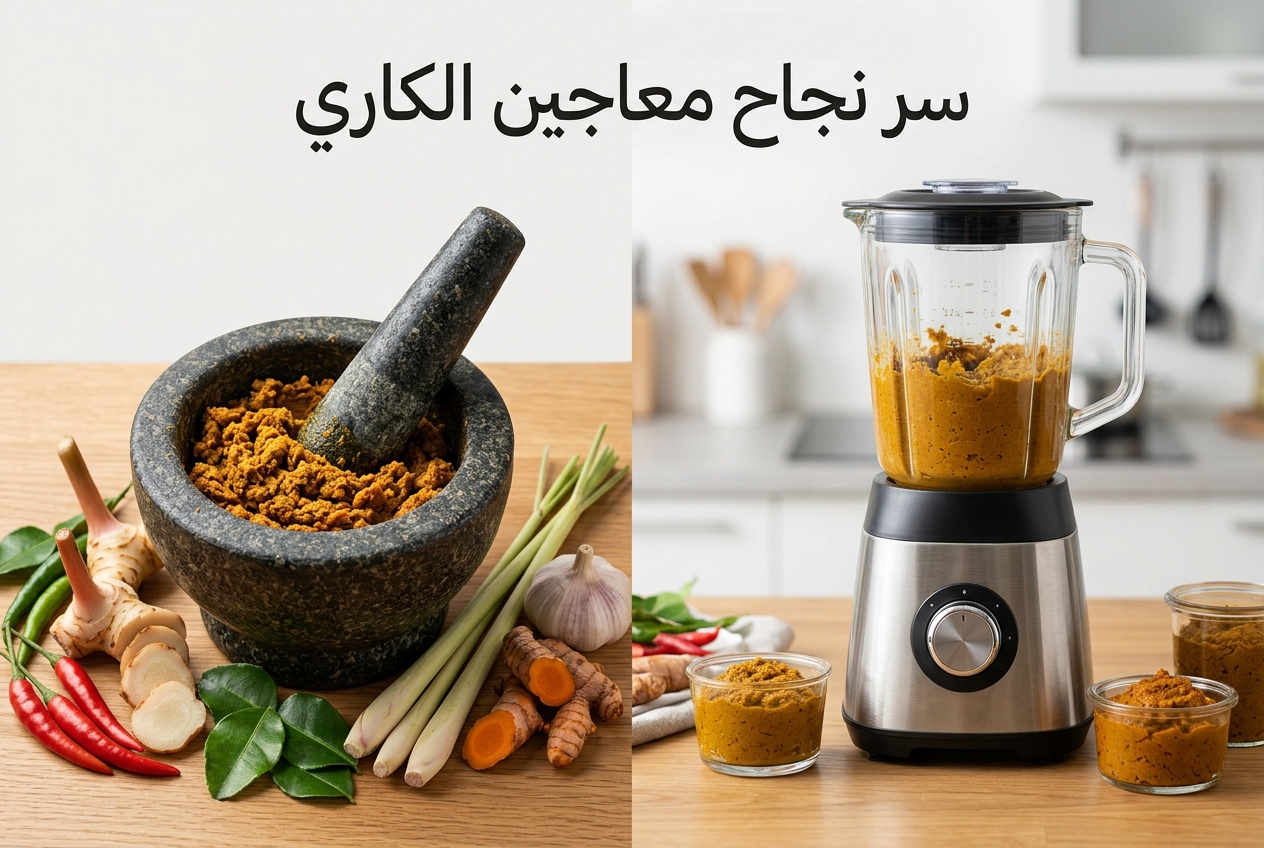
A Cook's Guide to Mortar and Blender Curry Pastes
The tool you use changes the paste: hand-pounding coaxes out aromas that a blender's speed cannot match, but the blender wins on weeknight reality. These methods split on pounding versus blending, fresh versus store-bought, exact ingredient order versus season-to-taste, and whether to refrigerate briefly or freeze in small portions. Where you land depends on how much authenticity you want per minute of effort.
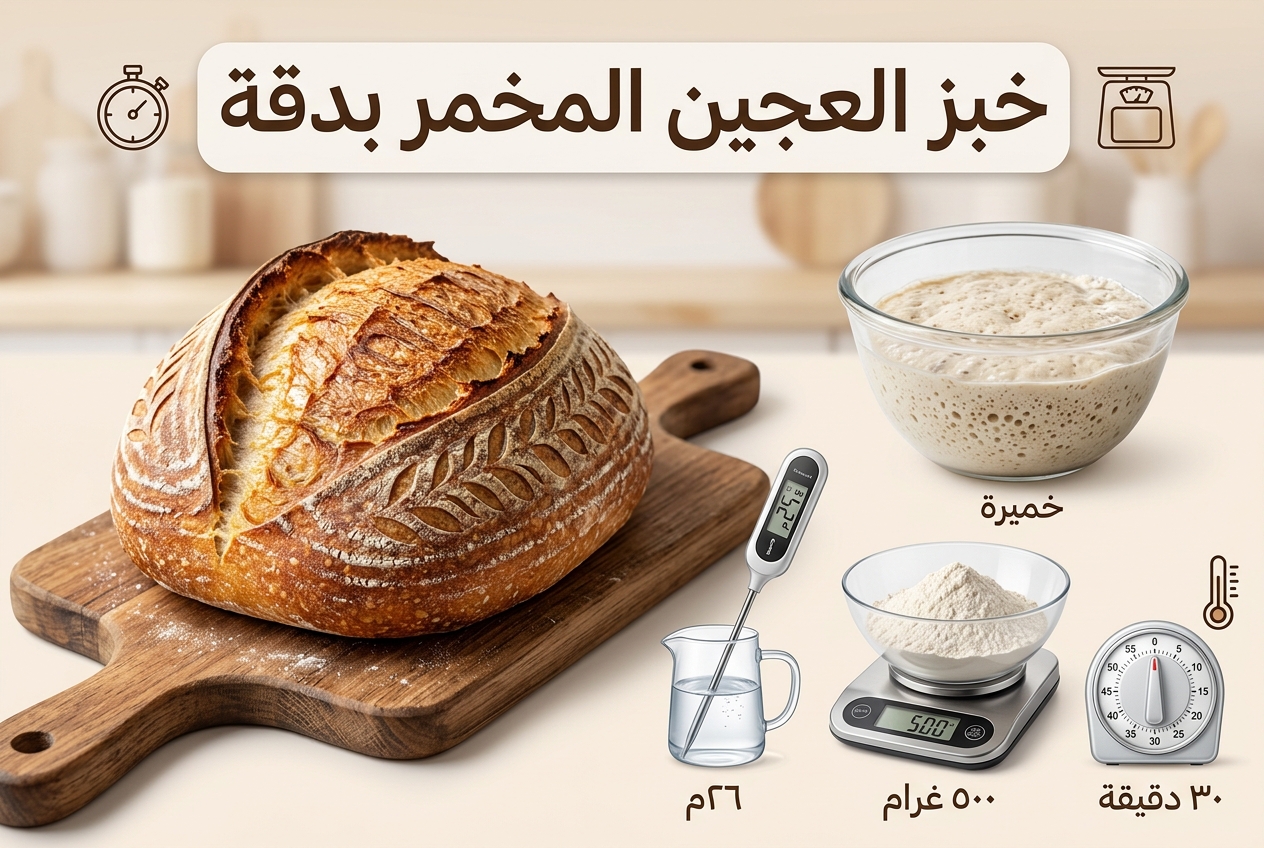
Precision Sourdough: Temperature, Timing, and Repeatable Bread
This approach insists that exact temperatures, ingredient ratios, and fermentation times are essential to mastering sourdough baking, challenging the common belief that intuition and guesswork suffice. By following specific formulas for water temperature, starter maintenance, and fermentation schedules, bakers can reliably produce consistent, high-quality bread. Adopting these precise techniques transforms sourdough baking from a trial-and-error craft into a predictable, repeatable process.
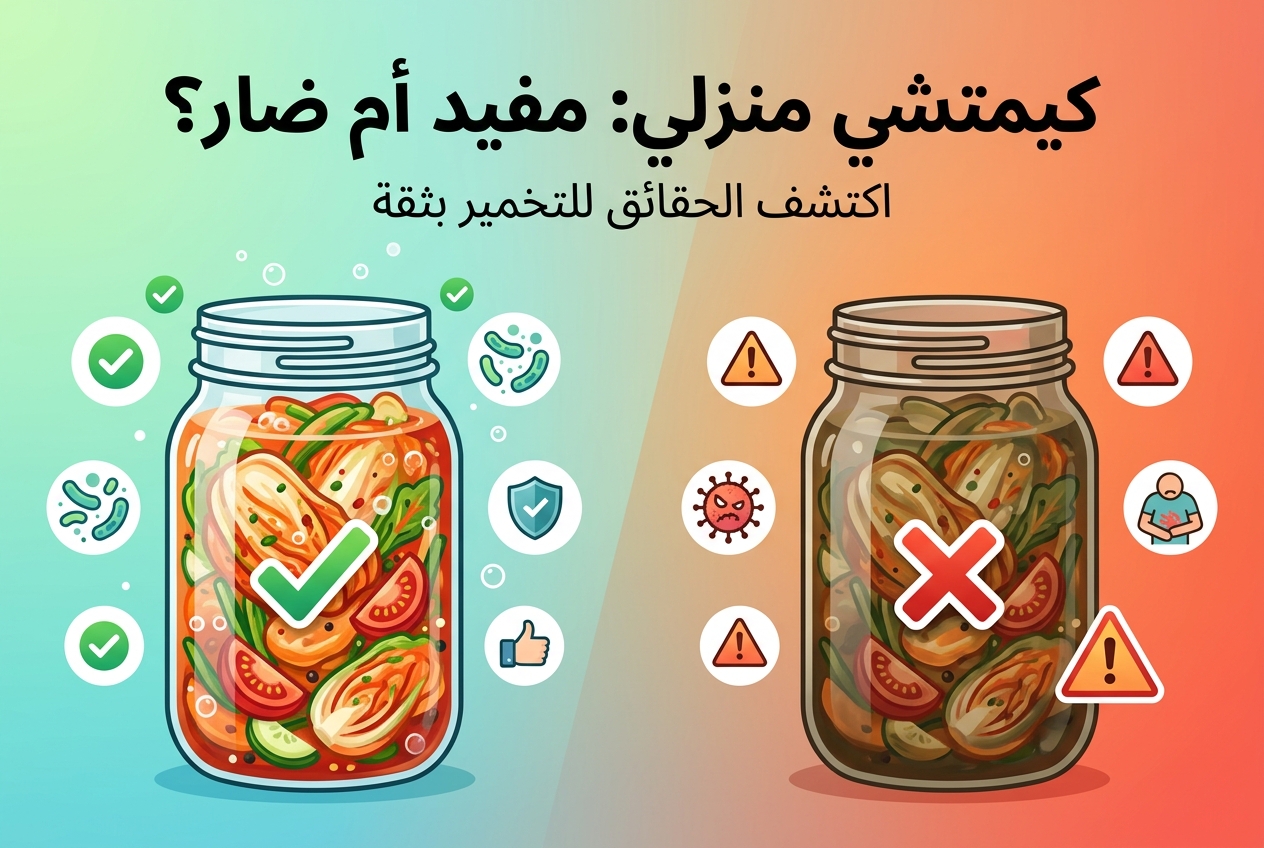
The Home Fermenter's Guide to Safer Pickles and Brews
Home fermentation promises live cultures and gut benefits, but done wrong it carries real risks, especially for people with weakened immune systems or histamine intolerance. The approaches here differ on how strictly to control salt ratios and technique, who should skip ferments entirely, and whether live homemade batches truly beat processed versions. Learn where the real dangers are so you can brew and pickle with confidence.

Cookware Safety: Aluminum, Nonstick Coatings, and the Evidence
Warnings about aluminum and nonstick cookware are everywhere, yet much of the science points the other way. The views differ on how to read that evidence: some urge precaution over any potential hazard, while others argue the data show these pans are safe in normal use and that panic itself does harm. Sorting rigor from alarm helps you decide what belongs in your kitchen.
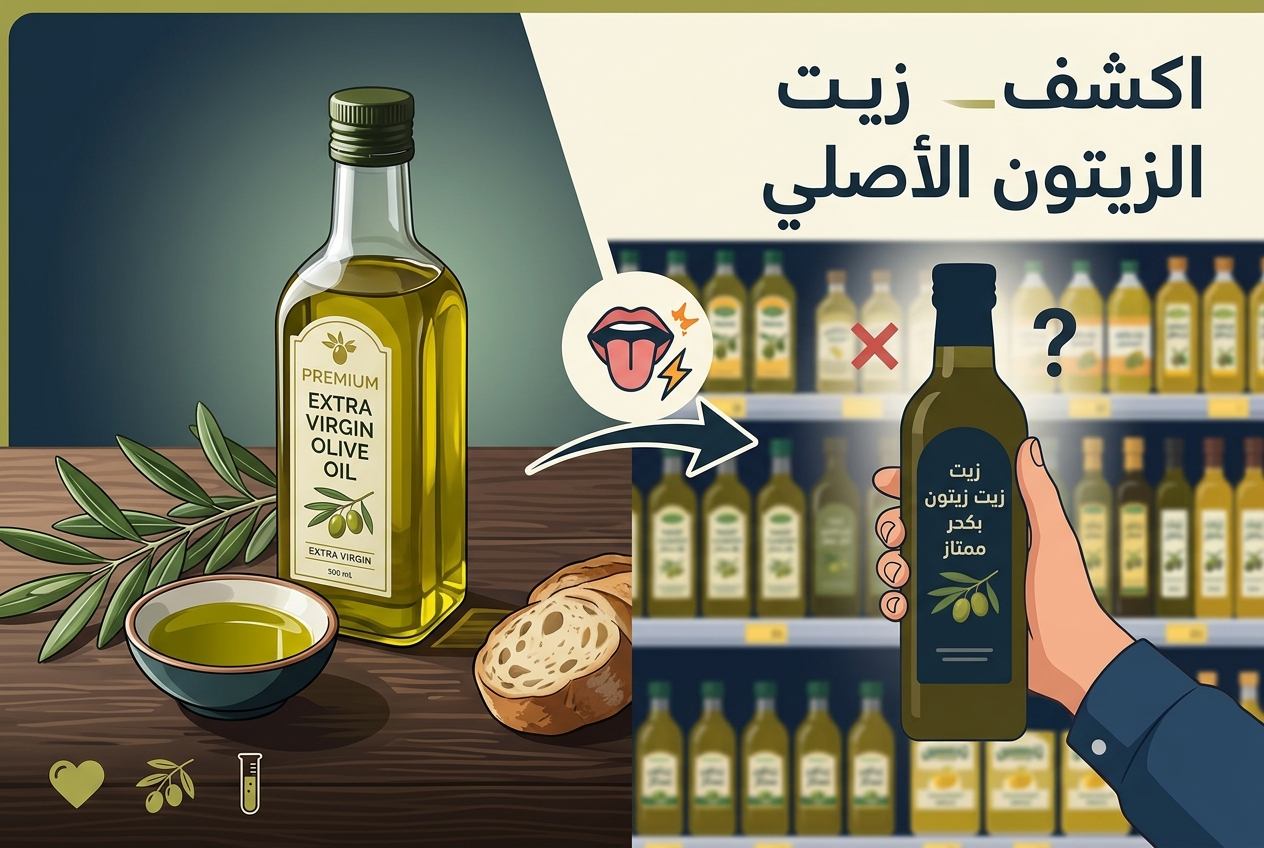
Authentic Extra-Virgin Olive Oil: Buying, Tasting, and Storing It Well
Much of the extra-virgin olive oil on store shelves is not what the label promises, and the genuine article announces itself with bitterness and a peppery sting. These tips differ on how to catch a fake: some rely on taste and that throat-catching bite, others on harvest dates and traceability, and others on storage habits that keep a real bottle from going stale. You'll be able to buy an authentic oil with confidence and keep it fresh at home.
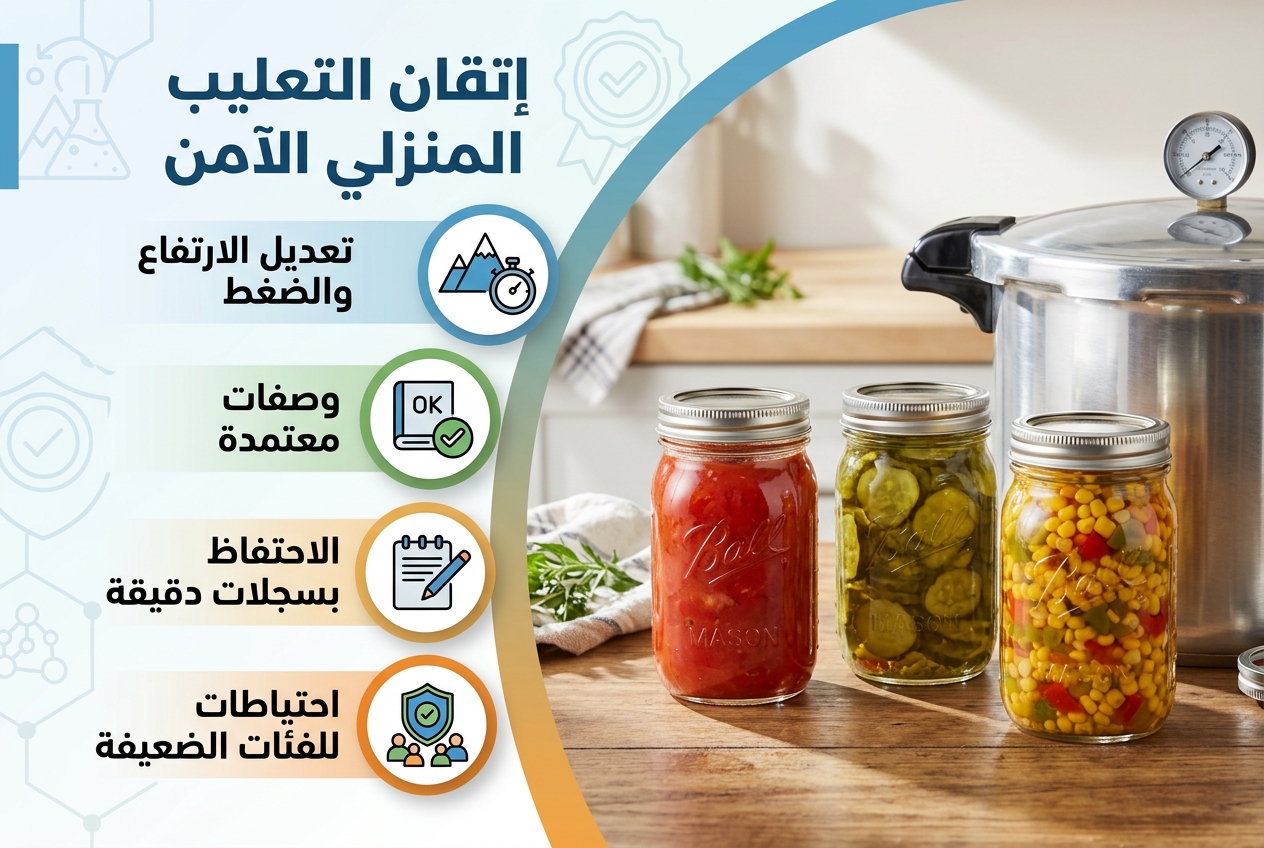
Mastering Safe Home Canning Through Four Critical Adjustments
Safe home canning requires mastering four distinct adjustments that together ensure food safety: altitude-based process time and pressure modifications, expert-verified recipe use, diligent record-keeping, and special precautions for vulnerable populations. For example, at elevations above 1,000 feet, boiling times must increase by one minute per additional 1,000 feet to compensate for lower boiling temperatures, preventing spoilage and bacterial risk. Understanding and integrating these adjustments enables confident, reliable food preservation tailored to your environment and needs.