
Kapseln entdecken
42 Kapseln

Irvine Housing Math: The Case for Renting Over Owning
In Irvine, California, home prices rarely crash but owning a home typically costs thousands more per month than renting, challenging the usual math that buying always makes financial sense. Unlike common assumptions, selling a home doesn’t eliminate housing costs, and buyers face risks like rising interest rates, higher property taxes after reassessment, and costly repairs. Recognizing these realities helps avoid overpaying and losing mobility in a market where prices soften but don’t freefall.
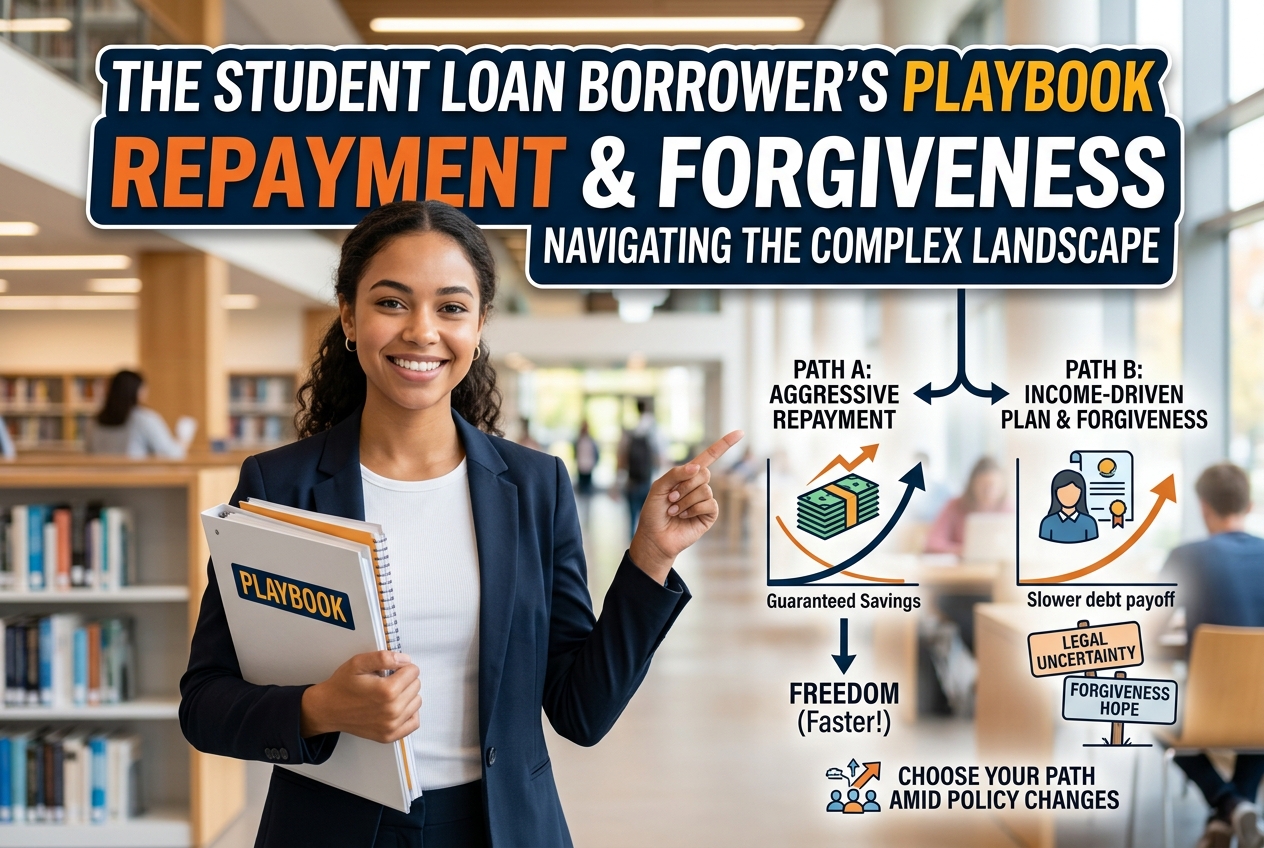
The Student Loan Borrower's Playbook for Repayment and Forgiveness
Student loan borrowers face a complex landscape where aggressive repayment, income-driven plans, and hopes for forgiveness collide. Legal challenges have halted popular forgiveness programs, forcing borrowers to weigh guaranteed savings from paying down debt against uncertain relief options. Understanding how these strategies differ in risk, cost, and timeline helps borrowers choose the best path amid ongoing policy changes.

Meet Texas Property Tax and Cost Deadlines
You will work through the critical deadlines and requirements for Texas property ownership, including filing a Notice of Protest by May 15 or within 30 days of receiving your appraisal notice. You will understand how to handle move-in compliance costs, manage contract district charges such as MUD and PID fees that can add thousands annually, and secure weather insurance before storms. By the end, you will be ready to meet all four key clocks that protect your legal rights and control your expenses in Texas property ownership.

A Denver Homebuyer's Guide to Wildfire Risk and Renting
Deciding whether to buy or rent in Denver hinges on factors like wildfire risk, insurance costs, and homeowners association responsibilities. Wildfire-prone areas can drive insurance rates up dramatically and require costly mitigation efforts, while HOA fees and maintenance obligations add to homeownership expenses. Understanding these factors helps you weigh monthly costs and risks to choose the best option for your lifestyle and budget.

A Founder's Guide to Choosing LLC, S-Corp, or C-Corp
Your choice of LLC, S-Corp, or C-Corp shapes your tax bill, paperwork burden, and eventual exit for years. The options split between simplicity-first thinking, where an LLC fits most small businesses, and growth-first thinking, where C-Corp advantages and S-Corp salary rules pay off at scale. Match the trade-offs to your profit level and plans before you file.

The Executor's Guide to Estate Debts and Personal Liability
Being an executor means handling estate debts and taxes before giving out assets to heirs. Many fail to prioritize creditor claims or meet deadlines, exposing themselves to personal liability. Following strict probate rules and acting as a loyal fiduciary protects executors from costly lawsuits and financial loss.

Credit Building: How Buy Now, Pay Later Affects Your Credit
Buy Now Pay Later (BNPL) services typically do not report your on-time payments to credit bureaus, so using them won’t help improve your credit score. However, if you miss payments and your account goes to collections, that negative information can be reported and seriously damage your credit. This means BNPL can quietly increase your debt risk without giving you credit-building benefits unless you fall behind.

Managing Equity and Intellectual Property for Startup Founders
Startup founders must establish clear legal and financial foundations by appointing a Delaware registered agent if not physically located in Delaware, assigning all intellectual property in writing to the company, and implementing founder equity vesting schedules with a typical four-year term and one-year cliff. Founders also need to file 83(b) elections within 30 days of receiving equity to optimize tax benefits and comply with Delaware’s annual franchise tax and reporting requirements. Additionally, understanding the conversion of SAFEs and notes during priced rounds and securing an EIN after incorporation are essential steps to maintain compliance and protect ownership interests.
 Premium
Social Security Disability Appeals: Keep Your Claim Alive and Win Approval
A Social Security Disability denial is often the start of the appeals journey rather than the end. You will work through filing timely appeals within the 60-day deadline, strengthen your medical evidence, prepare for hearings, and navigate each stage from reconsideration to potential court review. You will finish ready to maintain your claim’s momentum and improve your chances of approval.

Manage Dental Practice Law, Finance, and Compliance with Clinical Control
Dental practice owners must retain full clinical control over patient treatment plans while navigating complex legal, financial, and compliance requirements. This includes ensuring all procedures like veneers are performed under proper licensing to avoid legal risks, preparing financially with a credit score above 750 and an emergency fund covering three to six months of expenses, and securing expert legal review of business agreements to protect practice autonomy. Compliance with HIPAA and careful management of partnerships with Dental Support Organizations are essential to maintain ownership rights and avoid penalties.

Compare Renting and Buying by Calculating True Costs and Opportunity
Deciding whether to rent or buy requires accounting for all ownership costs—mortgage interest, property taxes, insurance, maintenance, and transaction fees—plus the opportunity cost of capital tied up in a home. By including these factors and comparing them to potential investment returns, such as a 7% to 10% annual gain from stock index funds, you can accurately assess when buying builds wealth and when renting plus investing may lead to greater financial independence. This approach enables you to run personalized calculations before committing to a home purchase.

The Road to Wealth with Rental Assets: The Benefits and the Hidden Downside
Rental assets can build wealth through cash flow, equity growth, leverage, and tax advantages, but they also demand capital, discipline, and active risk management. Readers will learn how rental property income works, why it can accelerate long-term wealth, and where hidden costs, vacancies, debt pressure, maintenance, and market shifts can undermine returns.