
Kapseln entdecken
25 Kapseln

Choosing Smart Home Control Approaches for Privacy, Durability, and User Authority
Smart home control hinges on three distinct approaches: advocating for privacy and legal rights, selecting devices that operate locally without cloud dependency, or constructing a durable manual core with replaceable smart features. Each approach demands understanding of network security protocols like AES-128 encryption, secure device authentication, and the use of open standards such as Matter and Thread to maintain confidentiality and integrity. You will be able to evaluate these approaches to decide how to keep your smart home firmly under your control, balancing privacy, long-term durability, and proactive management of smart extras.

The Student Loan Borrower's Playbook for Repayment and Forgiveness
Student loan borrowers face a complex landscape where aggressive repayment, income-driven plans, and hopes for forgiveness collide. Legal challenges have halted popular forgiveness programs, forcing borrowers to weigh guaranteed savings from paying down debt against uncertain relief options. Understanding how these strategies differ in risk, cost, and timeline helps borrowers choose the best path amid ongoing policy changes.

Meet Texas Property Tax and Cost Deadlines
You will work through the critical deadlines and requirements for Texas property ownership, including filing a Notice of Protest by May 15 or within 30 days of receiving your appraisal notice. You will understand how to handle move-in compliance costs, manage contract district charges such as MUD and PID fees that can add thousands annually, and secure weather insurance before storms. By the end, you will be ready to meet all four key clocks that protect your legal rights and control your expenses in Texas property ownership.
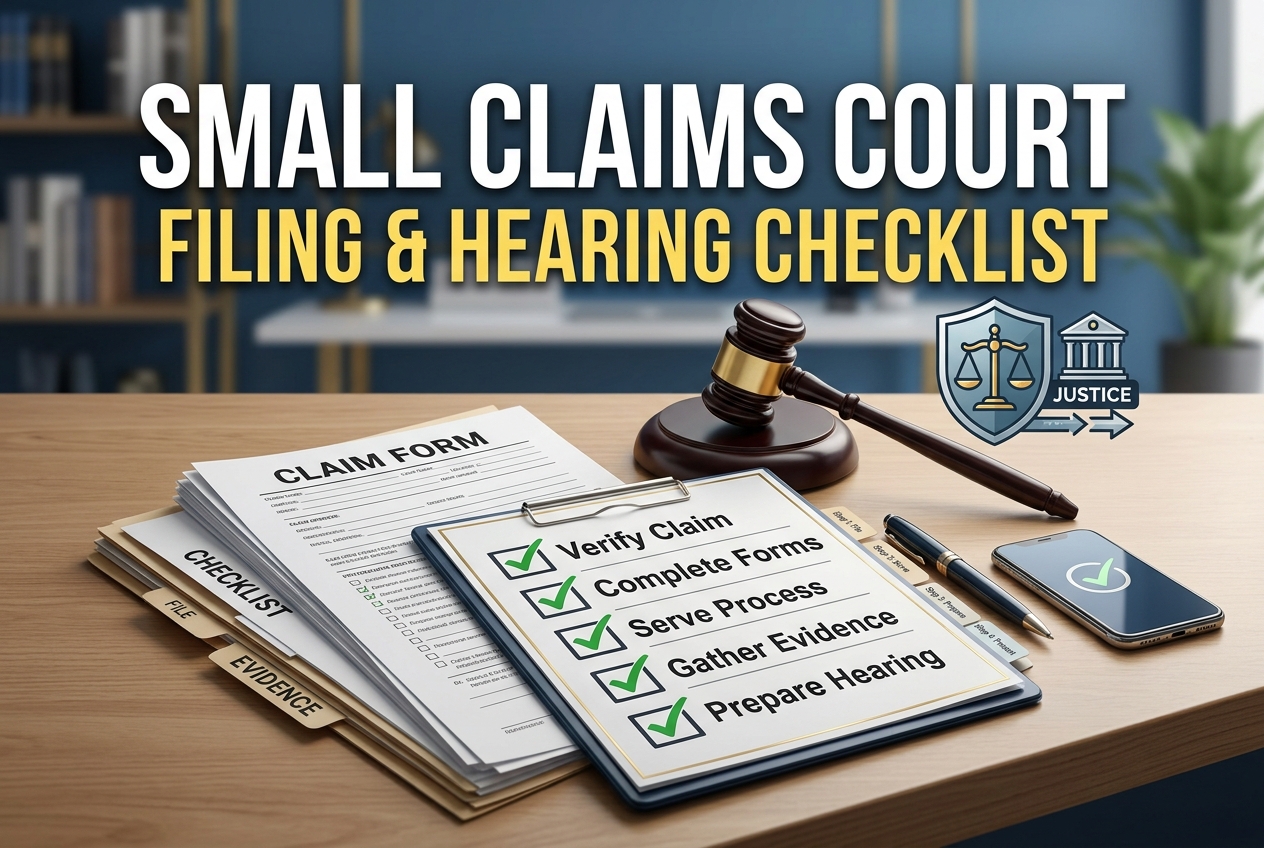
Small Claims Court Filing and Hearing Checklist
Small claims court requires precise filing, serving, and preparation steps to ensure your dispute is heard and decided fairly. You will work through verifying your claim’s eligibility, completing official service of process, preparing evidence and witnesses, and understanding court procedures. By following these steps, you finish ready to present your case effectively and pursue collection if you win.

Drug Research Bias: Ghostwriting, Trial Data, and Patient Protection
The research behind your medications may carry hidden ghostwriters and massaged trial data. The views split on the remedy: exposing manipulated studies one by one, forcing legal and regulatory reform on the companies, or practicing evidence-based care that routes around the bias, especially for vulnerable patients. Decide how much to trust drug claims and how to protect yourself in the meantime.

Physical Therapy Billing Compliance: Medicare Rules, Audits, and Penalties
Physical therapy clinics often face strict rules against billing practices like unbundling, upcoding, and overbilling, which are designed to prevent fraud and abuse in Medicare payments. While some providers try to bypass insurance caps or misrepresent services to increase revenue, these actions risk costly audits, legal penalties, and exclusion from Medicare programs. Clinics that follow proper documentation, billing codes, and Medicare regulations can avoid these risks and maintain sustainable operations despite reimbursement limits.

A Host's Handbook to Short-Term Rental Costs and Compliance
Short-term rental economics hinge on complex factors like occupancy calculations, local regulations, and hidden costs that can dramatically affect profitability. These factors differ in how they enforce registration, tax collection, and penalties, shaping whether hosting is sustainable or risky. Understanding these factors helps hosts navigate legal hurdles, avoid costly fines, and make informed decisions about managing rentals.

Managing Equity and Intellectual Property for Startup Founders
Startup founders must establish clear legal and financial foundations by appointing a Delaware registered agent if not physically located in Delaware, assigning all intellectual property in writing to the company, and implementing founder equity vesting schedules with a typical four-year term and one-year cliff. Founders also need to file 83(b) elections within 30 days of receiving equity to optimize tax benefits and comply with Delaware’s annual franchise tax and reporting requirements. Additionally, understanding the conversion of SAFEs and notes during priced rounds and securing an EIN after incorporation are essential steps to maintain compliance and protect ownership interests.

Manage Dental Practice Law, Finance, and Compliance with Clinical Control
Dental practice owners must retain full clinical control over patient treatment plans while navigating complex legal, financial, and compliance requirements. This includes ensuring all procedures like veneers are performed under proper licensing to avoid legal risks, preparing financially with a credit score above 750 and an emergency fund covering three to six months of expenses, and securing expert legal review of business agreements to protect practice autonomy. Compliance with HIPAA and careful management of partnerships with Dental Support Organizations are essential to maintain ownership rights and avoid penalties.

AI Filmmaking: Law, Labor, and Creative Quality
AI video tools are colliding with actors' likeness rights, union protections, and copyright law all at once. The two sides split on what matters most: locking down legal and operational safeguards for productions, or grounding the debate in evidence of what AI can genuinely create. Hearing both prepares you to take a position on quality and ethics in filmmaking's next chapter.

The Road to Wealth with Rental Assets: The Benefits and the Hidden Downside
Rental assets can build wealth through cash flow, equity growth, leverage, and tax advantages, but they also demand capital, discipline, and active risk management. Readers will learn how rental property income works, why it can accelerate long-term wealth, and where hidden costs, vacancies, debt pressure, maintenance, and market shifts can undermine returns.

Get Your Connecticut Notary Public Commission
You will complete the official application requiring a $120 fee, a residential or business address in Connecticut, and proof of eligibility such as age and residency. After appointment, you will take the oath of office and record it with the local town clerk within 30 days before performing any notarial acts. You will learn how to serve with integrity, understand your legal responsibilities and limitations, and apply the Secretary of the State’s rules to protect the public from fraud while maintaining your commission.