
Gesundheit-Kapseln
13 Kapseln
Jordanian Board Medical Examination
Pass the Jordanian Board: the exam rules, the training pathway, and the clinical medicine each specialty demands, taught as one handcrafted study companion.
Egypt Nursing Licensing Exam
A handcrafted AI study companion for nurses preparing for Egypt's national nursing profession practice exam: the official EHC route, registration and payment rules, the September 2026 round pattern, licence renewal and the 200 point CPD system, plus nursing teaching and original practice questions.
Bahrain Medical Licensure Examination (BLE) - Physician
A handcrafted AI study companion for physicians seeking NHRA licensure in Bahrain: the official Medical PQR title rules, the BLE exam pathway, the specialist examination, scope and supervision, and standard clinical revision with original practice questions.

Bahrain Pharmacy Licensure Examination (BPLE)
A handcrafted AI study companion for pharmacists seeking NHRA licensure in Bahrain: the official PQR title rules, the BPLE exam pathway, safe dispensing and scope, and clinical pharmacy teaching with original practice questions.
Bahrain Nursing Licensure Examination (BNLE)
A handcrafted AI study companion for nurses seeking NHRA licensure in Bahrain: the official PQR rules, the BNLE exam pathway, the scope of practice, and scope-grounded clinical teaching with original practice questions.
Pass the NCLEX-RN
A handcrafted AI study companion that teaches the full NCLEX-RN blueprint, clinical judgment, and NGN question types so nursing graduates can walk into test day ready.

A Patient's Guide to Normal Thyroid Labs and Follow-Up Testing
Normal thyroid lab results do not always explain persistent symptoms such as fatigue, brain fog, cold intolerance, or weight changes. This guide explains what standard thyroid tests can and cannot show, how factors such as antibodies, hormone conversion, reference ranges, and test timing may affect interpretation, and which follow-up tests may be worth discussing with a clinician.

Overdiagnosed: How Profit Reshaped ADHD Care
Rising ADHD diagnoses track less with patient need than with an industry that profits from every prescription. Against the mainstream default of medication first, this take says drug-company influence biases research and guidelines, and that community-based and behavioral approaches address root causes without pathologizing normal behavior. Skepticism toward profit-driven diagnosis is the starting point for more honest mental health care.

Gut Microbiome Testing: Reliability, Regulation, and Diet Decisions
Despite popular marketing, gut microbiome tests lack FDA approval and clinical reliability, making them unsuitable for diagnosing conditions or guiding diet changes. The mainstream hype suggests these tests offer personalized health insights, but experts warn against making lifestyle or medical decisions without professional advice. Following this cautious approach helps avoid ineffective or potentially harmful self-prescribed treatments based on unproven test results.

Drug Research Bias: Ghostwriting, Trial Data, and Patient Protection
The research behind your medications may carry hidden ghostwriters and massaged trial data. The views split on the remedy: exposing manipulated studies one by one, forcing legal and regulatory reform on the companies, or practicing evidence-based care that routes around the bias, especially for vulnerable patients. Decide how much to trust drug claims and how to protect yourself in the meantime.

Weigh Sleep Disorder Red Flags and Treatment Risks with Confidence
Sleep disorders like obstructive sleep apnea carry serious risks including accidents and health complications if untreated. You will learn to identify critical red flags such as breathing pauses and falling asleep while driving, weigh the risks of treatments like CPAP and sedative medications, and evaluate evidence-based approaches to choose safe, effective care. This knowledge empowers you to act promptly on symptoms that threaten safety and health while navigating treatment trade-offs transparently.
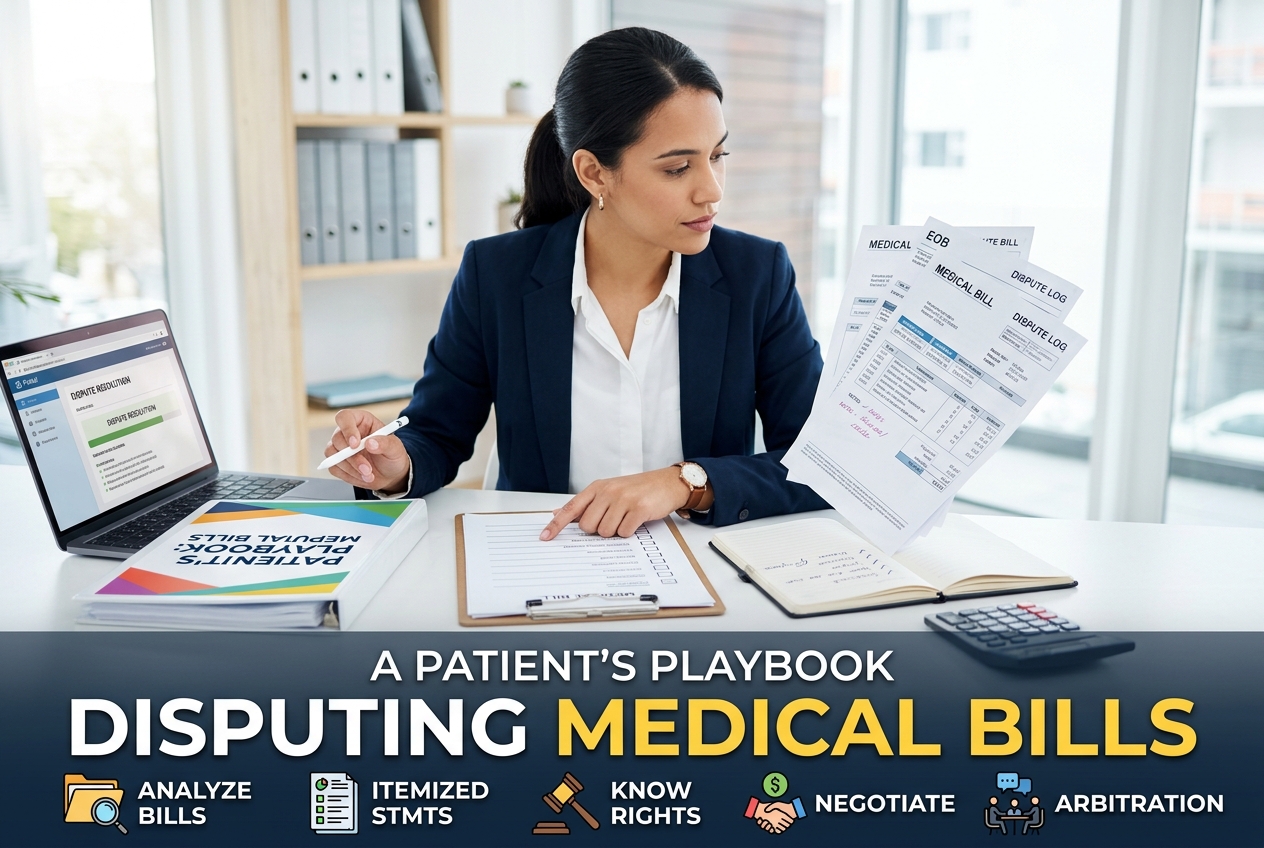
How to Dispute Medical Bills Effectively
Disputing medical bills requires a structured approach including requesting itemized bills with CPT codes, comparing them against Explanation of Benefits to spot errors, and adhering to strict deadlines such as the 120-day limit under the No Surprises Act. Keeping detailed records of all communications and submitting formal appeals within specified timeframes—often 30 to 180 days—is essential to preserve dispute rights. Understanding processes like the Independent Dispute Resolution and Good Faith Estimate requirements enables patients to navigate disputes confidently and avoid waiving their rights.