
Finanzen-Kapseln
11 Kapseln

The Driver's Guide to Car Buying and Leasing Costs
A car is one of the biggest checks you'll ever write, and the sticker price tells you almost nothing about what it truly costs. These analyses differ on what drives the total: some track cost per mile and lease return fees, others weigh maintenance risk, resale value, or how to translate lease rates into a fair comparison with buying. Match the numbers to your own driving habits and budget, and you can pick the option that genuinely saves you money.

A Buyer's Guide to Timeshare Contracts and Exit Risks
The sales pitch is short; the contract can bind you, and even your heirs, indefinitely. These tactics expose how the trap works, splitting on whether the core is a fee-and-loan business model, deceptive contract terms, or legal loopholes that neutralize consumer protections. Understanding the mechanism tells you whether an exit exists before you ever sign.

A California Homeowner's Guide to ADU Rules, Costs, and Financing
Building or buying a home with an accessory dwelling unit (ADU) in California involves navigating complex rules on impact fees, fire safety requirements, and water permits that can significantly affect project costs and timelines. Financing options vary widely—from construction loans to using retirement accounts—with each approach carrying different risks and benefits. Understanding these options helps determine whether the investment makes financial sense given local regulations and market conditions.

A Homebuyer's Guide to Wildfire, Flood, and Insurance Requirements
Buying a home in wildfire or flood-prone areas demands navigating two very different sets of requirements that reflect practical safety measures and evolving climate risks. One approach focuses on compliance with defensible space rules, elevation standards, and mandatory flood insurance tied to federal loans. The other addresses the shrinking insurance market, pushing buyers toward fallback options like the California FAIR Plan and private flood policies. Understanding these contrasting requirements helps homebuyers decide how to protect their investment and meet lender mandates amid rising disaster risks.

Hawaii Home Buying: Leasehold, Fee Simple, and Hidden Costs
Owning a home in Hawaii comes with hidden costs that vary dramatically depending on whether you buy leasehold or fee simple property. Leasehold ownership carries risks like losing access when the lease expires, financing challenges, and potential eviction without compensation, while fee simple offers full ownership but with its own expenses. Understanding these different costs helps you avoid surprises and make an informed decision about the true price of paradise.

Miami Homeownership Risks: Insurance, Flooding, and the Case for Renting
Soaring insurance premiums and unpredictable climate threats are reshaping the financial reality of owning property in Miami. Unlike traditional views that favor buying, the sharp rise in insurance costs and flood risks can push mortgage payments beyond affordability and threaten property values. Renters avoid these escalating expenses and uncertainties, making renting a more financially sound choice in this high-risk environment.

Irvine Housing Math: The Case for Renting Over Owning
In Irvine, California, home prices rarely crash but owning a home typically costs thousands more per month than renting, challenging the usual math that buying always makes financial sense. Unlike common assumptions, selling a home doesn’t eliminate housing costs, and buyers face risks like rising interest rates, higher property taxes after reassessment, and costly repairs. Recognizing these realities helps avoid overpaying and losing mobility in a market where prices soften but don’t freefall.
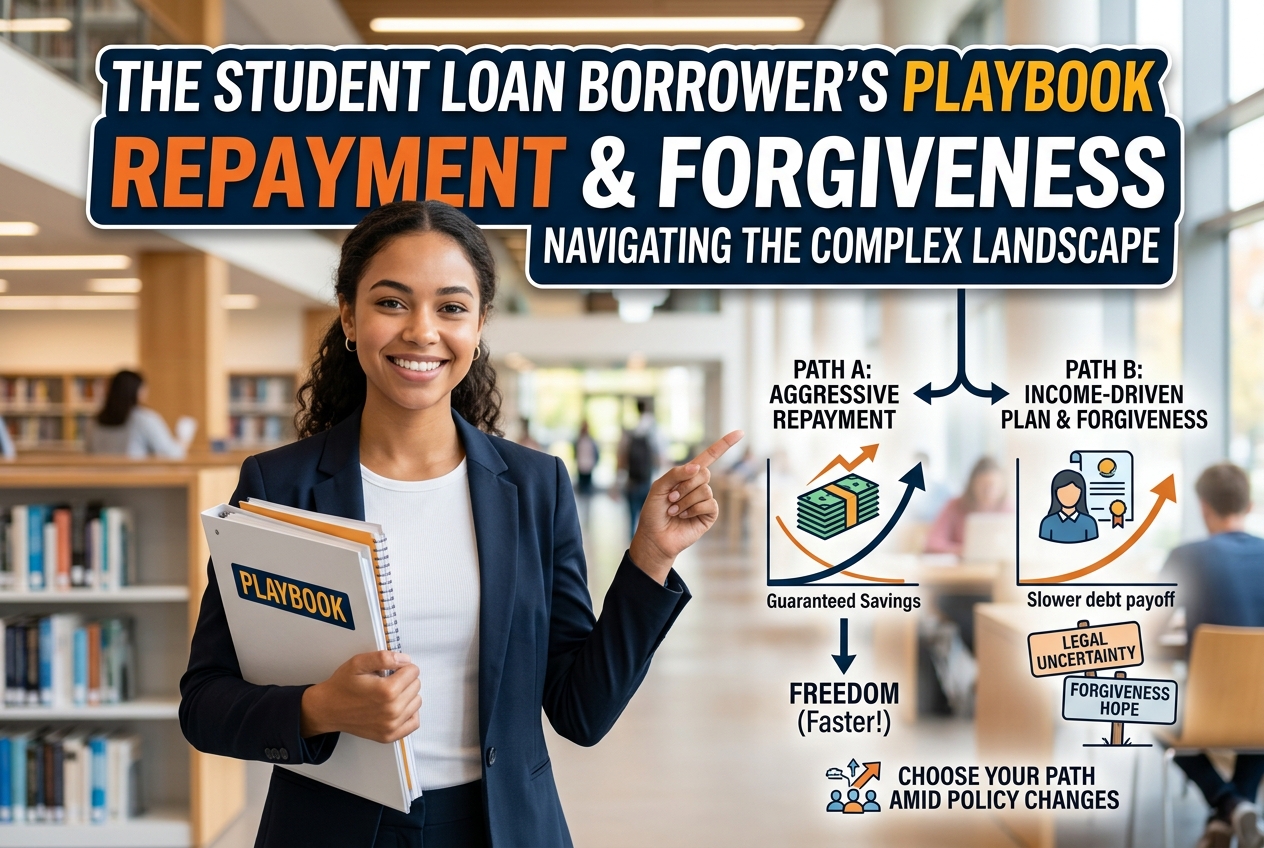
The Student Loan Borrower's Playbook for Repayment and Forgiveness
Student loan borrowers face a complex landscape where aggressive repayment, income-driven plans, and hopes for forgiveness collide. Legal challenges have halted popular forgiveness programs, forcing borrowers to weigh guaranteed savings from paying down debt against uncertain relief options. Understanding how these strategies differ in risk, cost, and timeline helps borrowers choose the best path amid ongoing policy changes.

A Denver Homebuyer's Guide to Wildfire Risk and Renting
Deciding whether to buy or rent in Denver hinges on factors like wildfire risk, insurance costs, and homeowners association responsibilities. Wildfire-prone areas can drive insurance rates up dramatically and require costly mitigation efforts, while HOA fees and maintenance obligations add to homeownership expenses. Understanding these factors helps you weigh monthly costs and risks to choose the best option for your lifestyle and budget.

Credit Building: How Buy Now, Pay Later Affects Your Credit
Buy Now Pay Later (BNPL) services typically do not report your on-time payments to credit bureaus, so using them won’t help improve your credit score. However, if you miss payments and your account goes to collections, that negative information can be reported and seriously damage your credit. This means BNPL can quietly increase your debt risk without giving you credit-building benefits unless you fall behind.

The Road to Wealth with Rental Assets: The Benefits and the Hidden Downside
Rental assets can build wealth through cash flow, equity growth, leverage, and tax advantages, but they also demand capital, discipline, and active risk management. Readers will learn how rental property income works, why it can accelerate long-term wealth, and where hidden costs, vacancies, debt pressure, maintenance, and market shifts can undermine returns.