
Finanzen-Kapseln
11 Kapseln

An Adult Child's Handbook for Aging Parent Care and Finances
Discussing money and care with aging parents before a crisis helps avoid confusion and conflict later. The steps differ on how to organize important documents, set ethical boundaries, and prepare legally and financially for future needs. You’ll learn how to gather and secure critical information, plan for long-term care costs, and ensure smooth access to accounts and decisions when the time comes.

Remote Salary Math: Taxes, Nexus, and Cost of Living
Earning a high remote salary from a big city while living in a low-cost area can backfire due to hidden tax and lifestyle traps. These traps differ on how state and local taxes apply to remote work, including unexpected tax obligations from employer nexus and complex rules like New York’s convenience of the employer. Understanding these differences helps you avoid overpaying taxes and misjudging your true spending power.

A California Homeowner's Guide to ADU Rules, Costs, and Financing
Building or buying a home with an accessory dwelling unit (ADU) in California involves navigating complex rules on impact fees, fire safety requirements, and water permits that can significantly affect project costs and timelines. Financing options vary widely—from construction loans to using retirement accounts—with each approach carrying different risks and benefits. Understanding these options helps determine whether the investment makes financial sense given local regulations and market conditions.

Navigating New York City Co-ops, Condos, and Rental Regulations
You will learn how to manage eviction notices with specific deadlines like the 14-day pay-or-quit for nonpayment and understand tenant protections under laws such as the Good Cause Eviction statute. The guide clarifies co-op board approval processes, including penalties like a $1,000 fine for delayed decisions, and details real estate transfer tax obligations, including a 15-day deadline for payment and a 10% penalty plus monthly interest for late filings. It also covers the elimination of vacancy bonuses, security deposit rules, and property tax penalties, equipping you to navigate the complex legal and financial landscape of NYC housing.

A Homebuyer's Guide to Wildfire, Flood, and Insurance Requirements
Buying a home in wildfire or flood-prone areas demands navigating two very different sets of requirements that reflect practical safety measures and evolving climate risks. One approach focuses on compliance with defensible space rules, elevation standards, and mandatory flood insurance tied to federal loans. The other addresses the shrinking insurance market, pushing buyers toward fallback options like the California FAIR Plan and private flood policies. Understanding these contrasting requirements helps homebuyers decide how to protect their investment and meet lender mandates amid rising disaster risks.

Active Funds vs. Index Funds: Performance, Bias, and Evidence
The people paid to pick winning stocks mostly lose to a fund that simply buys everything, and it looks worse once dead funds are counted properly. The findings here differ on why: statistical bias, market efficiency, methodological blind spots, possible exceptions in bonds, and whose conflicts of interest color the analysis. Where you come down decides whether active management deserves any of your money.

A Denver Homebuyer's Guide to Wildfire Risk and Renting
Deciding whether to buy or rent in Denver hinges on factors like wildfire risk, insurance costs, and homeowners association responsibilities. Wildfire-prone areas can drive insurance rates up dramatically and require costly mitigation efforts, while HOA fees and maintenance obligations add to homeownership expenses. Understanding these factors helps you weigh monthly costs and risks to choose the best option for your lifestyle and budget.

The Executor's Guide to Estate Debts and Personal Liability
Being an executor means handling estate debts and taxes before giving out assets to heirs. Many fail to prioritize creditor claims or meet deadlines, exposing themselves to personal liability. Following strict probate rules and acting as a loyal fiduciary protects executors from costly lawsuits and financial loss.

Credit Building: How Buy Now, Pay Later Affects Your Credit
Buy Now Pay Later (BNPL) services typically do not report your on-time payments to credit bureaus, so using them won’t help improve your credit score. However, if you miss payments and your account goes to collections, that negative information can be reported and seriously damage your credit. This means BNPL can quietly increase your debt risk without giving you credit-building benefits unless you fall behind.
 Premium
Social Security Disability Appeals: Keep Your Claim Alive and Win Approval
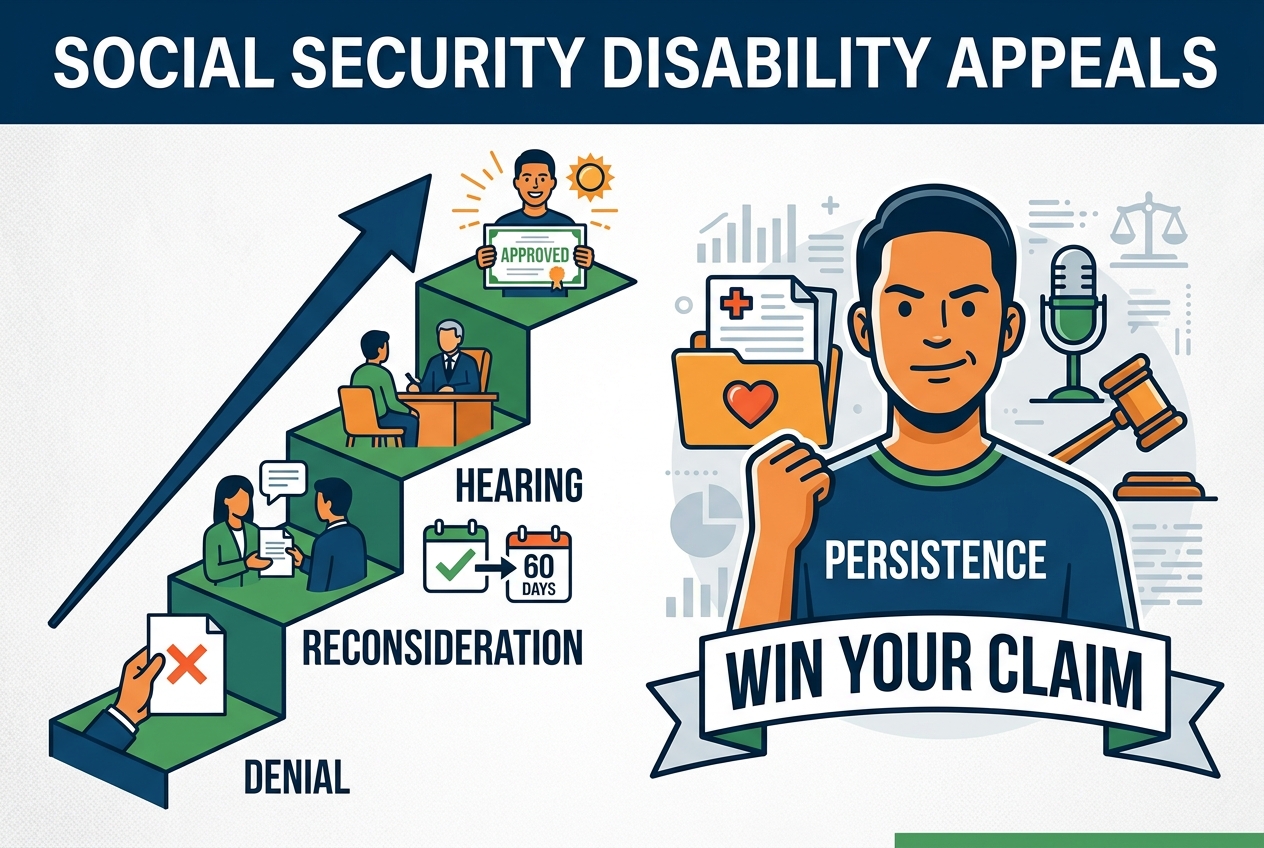
A Social Security Disability denial is often the start of the appeals journey rather than the end. You will work through filing timely appeals within the 60-day deadline, strengthen your medical evidence, prepare for hearings, and navigate each stage from reconsideration to potential court review. You will finish ready to maintain your claim’s momentum and improve your chances of approval.

Florida Condos After Surfside: Reserves Decide Safety and Cost
Buying a Florida condo now means facing stricter rules requiring associations to keep enough reserve funds for major structural repairs, driven by new laws after the Surfside collapse. Many condos may face large special assessments soon if reserves are underfunded or inspections reveal urgent issues, affecting financing and costs. Buyers should demand detailed reserve studies, inspection reports, and financial disclosures to avoid unexpected expenses and ensure the building’s safety and financeability.