
Water Fluoridation: Evidence, Exposure, and Consent
Aus OriginalquellenMit KI aus den Quellen des Creators erstellt. Wie Capxule KI einsetzt

Über diese Kapsel
Fluoride in tap water is either one of public health's great wins or mass medication without consent, depending on who you ask. These sides weigh new neurotoxicity and IQ-loss evidence, total exposure from many sources, the 0.7 mg/L level debate, and why much of Europe rejected the practice. You can weigh the science against the ethics and reach your own view.
12 Sides on Water Fluoridation Debate
Methodological rigor for fluoride neurotoxicity evidence
Reassess fluoride safety based on new neurotoxicity evidence.
Fluoride IQ loss and economic cost analysis
Fluoride exposure risk assessment
Consent and neurotoxicity in fluoridation debate
Topical fluoride preferred over systemic fluoridation.
Total fluoride exposure from multiple sources
Methodological scrutiny of NTP fluoride neurotoxicity review
Fluorosis as evidence against water fluoridation.
Optimal fluoride level debate: 0.7 mg/L.
Europe's rejection of forced water fluoridation
Mass medication without consent is unethical.
Allgemeine KI vs. KI mit dieser Kapsel
Vorschau“If fluoride toothpaste works topically, why do we need to put it in the water supply at all?”
Allgemeine KI
“Fluoride’s main benefit is topical—it helps saliva and tooth surfaces by promoting remineralization and making enamel more resistant to acid. But fluoridated water can still help because it provides a small, frequent topical exposure throughout the day.
Key points:
-
Fluoridated water bathes the teeth repeatedly. Every time someone drinks it, cooks with it, or consumes foods made with it, a tiny amount of fluoride contacts teeth and enters saliva.
-
It helps between brushing. Toothpaste gives a higher fluoride dose briefly, usually twice daily. Water provides a much lower dose but more continuously.
-
It reaches people who don’t use toothpaste consistently. Children, low-income households, elderly people, people with disabilities, and others may have less reliable brushing habits or dental care access. Water fluoridation is meant as a population-wide safety net.
...”
Diese Kapsel
“If fluoride toothpaste works topically, the strongest anti-water-fluoridation answer is: you do not need systemic fluoride ingestion to get fluoride’s main cavity-prevention effect. Fluoride’s primary anti-cavity action is topical after teeth erupt—helping remineralization at the tooth surface. There is no clear advantage of water fluoridation over topical fluoride such as toothpaste, mouthwash, gels, or varnish for preventing tooth decay, while water fluoridation adds systemic exposure, dose-control problems, fluorosis risk, and consent issues.
There are several distinct ways to answer your question:
Way 1 — Topical fluoride view: water fluoridation is unnecessary
This view says fluoride should be applied directly to teeth, not swallowed.
Why:
- Fluoride’s main dental benefit is topical, not systemic.
- Toothpaste, varnish, gels, and mouthwash deliver fluor...”
Water Fluoridation: Evidence, Exposure, and Consent
Capxule Society
Profil ansehen
Ähnlich in Gesellschaft

Planned Obsolescence: How Manufacturers Make Products Fail Faster
That phone slowing down or lightbulb dying on schedule may not be an accident. Manufacturers have a long record of deliberately shortening product lifespans to drive repeat sales, hiding it behind software restrictions and legal barriers to repair, while most people write the failures off as natural wear. Seeing the tactic clearly is the first step toward repairing what you own and demanding products built to last.
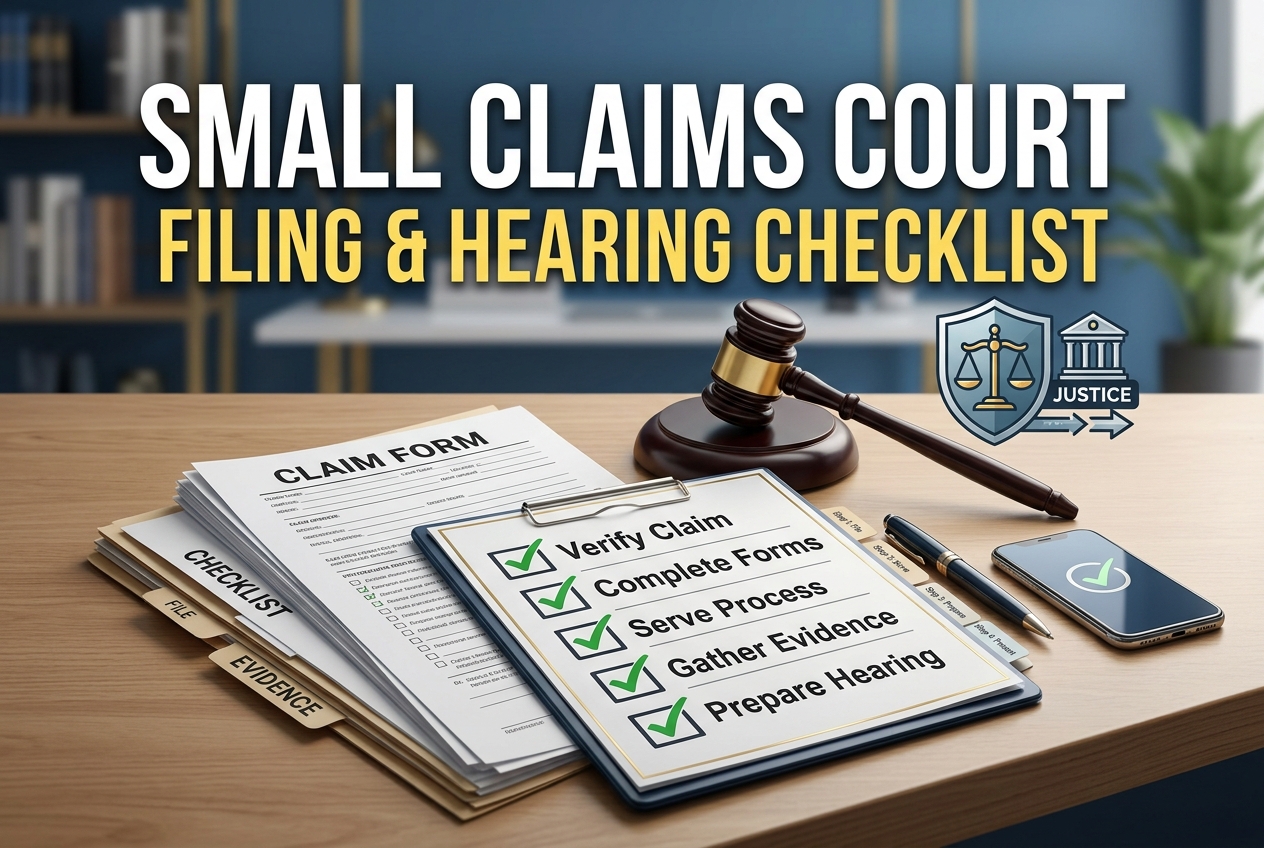
Small Claims Court Filing and Hearing Checklist
Small claims court requires precise filing, serving, and preparation steps to ensure your dispute is heard and decided fairly. You will work through verifying your claim’s eligibility, completing official service of process, preparing evidence and witnesses, and understanding court procedures. By following these steps, you finish ready to present your case effectively and pursue collection if you win.

Nuclear Deterrence: Small Wars, Moral Limits, and Existential Risk
Nuclear weapons have kept great powers from all-out war while giving them cover to fight smaller conflicts beneath the threshold. The views wrestle with how to keep deterrence credible while honoring moral limits and controlling escalation, and whether failed disarmament makes elimination the only safe endpoint. Understand the paradox and the existential stakes behind every debate about the arsenal.